 EN
EN

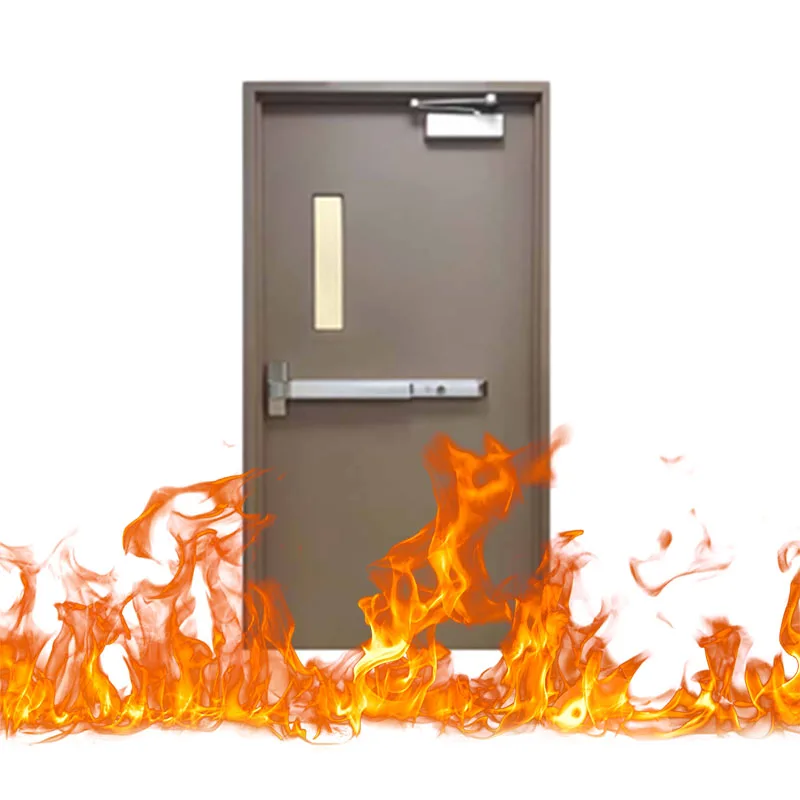
In today's industrial landscape, fire safety remains a critical concern across manufacturing facilities, warehouses, commercial buildings, and institutional structures. A fire rated metal door serves as an essential barrier system that can mean the difference between contained damage and catastrophic loss. These specialized doors are engineered to withstand extreme temperatures while maintaining structural integrity, providing crucial time for evacuation procedures and emergency response efforts. Understanding the diverse applications and benefits of fire rated metal door systems helps facility managers make informed decisions about their building's safety infrastructure.
Manufacturing Facility Protection
Chemical Processing Plants
Chemical processing facilities face unique fire hazards due to the volatile nature of materials being handled daily. A fire rated metal door in these environments must withstand not only extreme heat but also potential chemical exposure that could compromise standard door materials. These doors are strategically placed at transition points between different processing areas, creating compartmentalized zones that prevent fire spread. The robust construction of a fire rated metal door ensures that emergency protocols can be executed safely, allowing personnel to evacuate through secure corridors while containing hazardous reactions within designated areas.
Installation requirements in chemical facilities often exceed standard building codes due to the heightened risk factors involved. Fire rated metal door systems must integrate seamlessly with existing ventilation and suppression systems while maintaining their protective capabilities. The corrosion-resistant properties of quality metal doors prove invaluable in these harsh environments, where exposure to chemicals could weaken inferior materials over time.
Power Generation Facilities
Power plants and energy generation facilities rely heavily on fire rated metal door installations to protect critical infrastructure components. These doors serve as barriers between high-risk areas such as turbine rooms, electrical switchgear areas, and fuel storage facilities. The ability of a fire rated metal door to maintain its structural integrity under extreme conditions ensures that power generation can continue safely even during emergency situations.
Maintenance accessibility remains crucial in power facilities, making the durability of fire rated metal door systems particularly valuable. These doors must withstand frequent opening and closing while maintaining their fire rating certifications. The long service life and minimal maintenance requirements of quality metal fire doors make them cost-effective solutions for facilities that operate continuously.
Warehouse and Distribution Centers
High-Volume Storage Applications
Modern distribution centers and warehouses present unique challenges for fire protection due to their vast open spaces and high-density storage configurations. A fire rated metal door strategically positioned throughout these facilities creates effective fire compartments that limit damage spread and protect valuable inventory. These doors are particularly critical at loading dock interfaces, where the transition between climate-controlled storage and external environments creates potential vulnerability points.
The automatic closing mechanisms integrated into modern fire rated metal door systems ensure protection even when facilities operate with minimal staffing during off-hours. Smart monitoring systems can track door status and alert facility managers to any compromised barriers, maintaining continuous protection for stored goods and infrastructure.
Cold Storage and Refrigerated Facilities
Refrigerated warehouses and cold storage facilities require specialized fire rated metal door solutions that can function effectively across extreme temperature ranges. These environments demand doors that maintain their fire rating while also providing thermal insulation to preserve energy efficiency. The thermal shock resistance of quality metal fire doors ensures reliable operation even when transitioning between sub-zero storage areas and ambient temperature corridors.
Installation considerations in cold storage facilities often involve specialized sealing systems and hardware that can function reliably in low-temperature environments. The structural stability of a fire rated metal door under thermal stress makes it an ideal choice for these demanding applications where both fire safety and operational efficiency are paramount.
Healthcare and Institutional Buildings
Hospital and Medical Facility Requirements
Healthcare facilities present some of the most stringent requirements for fire rated metal door applications due to the presence of vulnerable patients who may have limited mobility during emergencies. These doors must provide reliable protection while allowing for rapid access by medical personnel and emergency responders. The smooth operation and consistent performance of a fire rated metal door becomes critical when every second counts during evacuation procedures.
Specialized healthcare applications often require fire rated metal door systems with integrated access control and monitoring capabilities. These features ensure that secured areas remain protected while maintaining the fire safety integrity that patients and staff depend upon. The antimicrobial properties available in modern metal door finishes also contribute to infection control protocols that are essential in medical environments.
Educational Institution Safety
Schools, universities, and research facilities utilize fire rated metal door systems to protect students, faculty, and valuable research assets. These doors are strategically located in dormitories, laboratories, libraries, and administrative buildings where fire risks may vary significantly. The proven reliability of a fire rated metal door provides administrators with confidence that their fire safety systems will perform as designed when needed most.
Research facilities often house expensive equipment and irreplaceable data that require enhanced fire protection. Fire rated metal door installations in these areas must accommodate specialized access requirements while maintaining their protective capabilities. The customizable nature of modern metal fire door systems allows for integration with sophisticated security and monitoring systems common in research environments.
Commercial and Office Building Applications
High-Rise Office Complexes
Multi-story office buildings rely on fire rated metal door systems to create safe egress routes and protect stairwells that serve as critical evacuation pathways. These doors must function reliably under the stack effect and pressure differentials common in tall buildings while maintaining their fire rating throughout the building's operational life. The consistent performance of a fire rated metal door ensures that escape routes remain viable even during extended fire events.
Modern office buildings often incorporate sophisticated building automation systems that integrate with fire rated metal door monitoring and control systems. This integration allows for coordinated emergency response protocols that can optimize evacuation procedures while maintaining fire compartmentation throughout the building structure.
Retail and Shopping Centers
Shopping centers and retail facilities present unique fire protection challenges due to their high occupancy loads and diverse tenant mix. A fire rated metal door serves as a crucial component in compartmentalizing different retail spaces and protecting common areas such as service corridors and mechanical rooms. These doors must balance accessibility requirements with fire safety performance while accommodating the high traffic volumes typical in retail environments.
The aesthetic considerations in retail applications require fire rated metal door systems that complement architectural designs while maintaining their protective function. Modern manufacturing techniques allow for customizable finishes and hardware options that ensure a fire rated metal door can integrate seamlessly with contemporary retail design concepts.
Data Centers and Technology Facilities
Server Room Protection
Data centers house critical information infrastructure that requires specialized fire protection due to the high value of equipment and data stored within these facilities. A fire rated metal door in data center applications must provide protection from fire while also maintaining the environmental controls essential for server operation. These doors often incorporate specialized sealing systems that prevent smoke infiltration while maintaining the precise temperature and humidity controls required for optimal equipment performance.
The electromagnetic compatibility requirements of sensitive electronic equipment necessitate careful selection of fire rated metal door hardware and access control systems. Quality metal doors provide natural shielding properties that complement the overall electromagnetic interference protection strategies employed in modern data centers.
Telecommunications Infrastructure
Telecommunications facilities and network operations centers depend on fire rated metal door systems to protect critical communication infrastructure that serves entire communities. These facilities often operate with minimal staffing, making the automatic operation and monitoring capabilities of modern fire rated metal door systems particularly valuable. The reliability and long service life of metal fire doors ensure continuous protection for infrastructure that must remain operational during various emergency scenarios.
Integration with sophisticated monitoring systems allows telecommunications facilities to track the status of every fire rated metal door installation throughout their networks. This capability ensures that any compromised barriers are identified and addressed promptly, maintaining the integrity of fire protection systems across distributed infrastructure.
Industrial Safety Standards and Compliance
NFPA and Building Code Requirements
Compliance with National Fire Protection Association standards and local building codes requires careful selection and installation of fire rated metal door systems that meet or exceed specified performance criteria. These standards address everything from fire resistance ratings and smoke control capabilities to accessibility requirements and operational testing protocols. A properly specified fire rated metal door system ensures that facilities meet all applicable regulatory requirements while providing effective fire protection.
Regular inspection and maintenance protocols mandated by fire safety codes require fire rated metal door systems that can demonstrate consistent performance over extended service periods. The documentation and certification requirements associated with these systems make the traceability and quality assurance provided by reputable manufacturers particularly important for facility compliance efforts.
Insurance and Risk Management
Insurance providers increasingly recognize the value of comprehensive fire protection systems that include properly installed fire rated metal door components. These installations can significantly impact insurance premiums and risk assessments while providing tangible protection for business assets and operations. The proven performance history of quality fire rated metal door systems provides insurance underwriters with confidence in their effectiveness and reliability.
Risk management strategies in industrial facilities often center around compartmentalization and controlled egress pathways that rely heavily on fire rated metal door systems. The ability to demonstrate compliance with fire safety standards through proper door installation and maintenance documentation supports comprehensive risk management programs that protect both human life and business continuity.
FAQ
What fire rating options are available for industrial metal doors
Fire rated metal door systems are available in various ratings including 20-minute, 45-minute, 60-minute, 90-minute, and 180-minute configurations depending on the specific application requirements. The rating indicates how long the door can withstand fire exposure while maintaining its structural integrity and preventing fire spread. Selection of the appropriate rating depends on building occupancy type, fire hazard classification, and applicable building codes that govern the specific installation location.
How often should fire rated metal doors be inspected and maintained
Most fire safety codes require monthly visual inspections of fire rated metal door installations along with annual comprehensive inspections performed by qualified technicians. These inspections verify proper door operation, hardware function, seal integrity, and overall door condition. Documentation of inspection results and any required maintenance activities must be maintained to demonstrate ongoing compliance with fire safety regulations and ensure continued protection effectiveness.
Can fire rated metal doors be customized for specific industrial applications
Modern fire rated metal door systems offer extensive customization options including specialized finishes, integrated access control systems, vision panels, and custom sizing to meet specific industrial requirements. These customizations must be carefully engineered to maintain the door's fire rating while accommodating unique operational needs. Working with experienced manufacturers ensures that customized solutions meet both performance requirements and applicable fire safety standards.
What factors should be considered when selecting fire rated metal doors for industrial use
Key selection factors include required fire rating, environmental conditions such as temperature extremes or chemical exposure, traffic volume, security requirements, and integration with existing building systems. The door's construction materials, hardware specifications, and sealing systems must be appropriate for the specific industrial environment while maintaining fire protection capabilities. Professional consultation during the selection process helps ensure optimal performance and long-term reliability in demanding industrial applications.
Table of Contents
- Manufacturing Facility Protection
- Warehouse and Distribution Centers
- Healthcare and Institutional Buildings
- Commercial and Office Building Applications
- Data Centers and Technology Facilities
- Industrial Safety Standards and Compliance
-
FAQ
- What fire rating options are available for industrial metal doors
- How often should fire rated metal doors be inspected and maintained
- Can fire rated metal doors be customized for specific industrial applications
- What factors should be considered when selecting fire rated metal doors for industrial use