 EN
EN

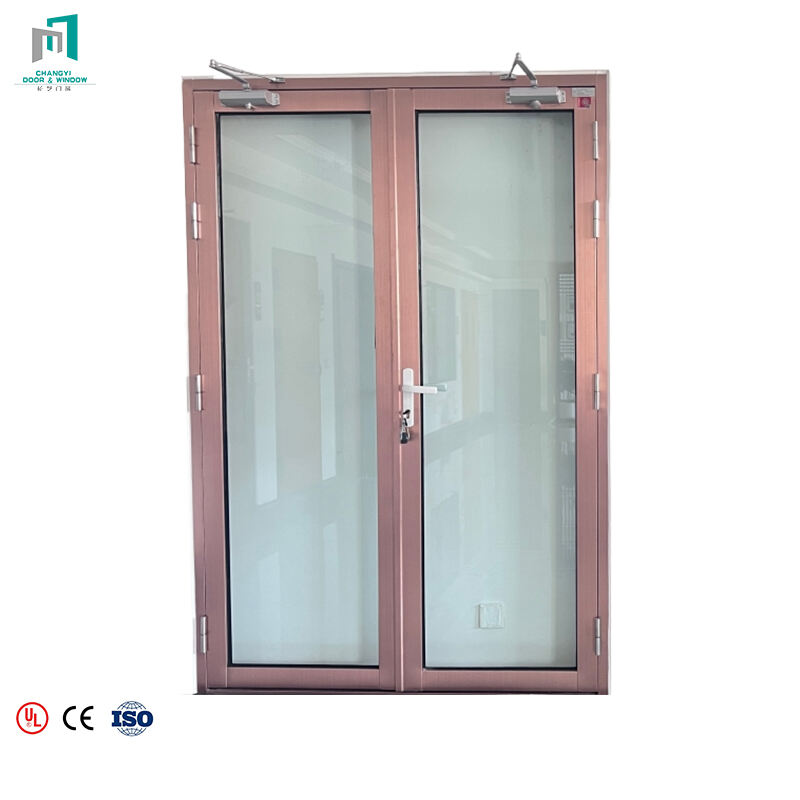
In today's construction and safety landscape, protecting buildings from fire hazards requires comprehensive planning and the right materials. A fire rated metal door represents one of the most critical components in any fire protection strategy, offering superior resistance to flames, smoke, and heat transfer while maintaining structural integrity during emergencies. These specialized doors are engineered to withstand extreme temperatures and provide essential escape routes, making them indispensable in commercial buildings, industrial facilities, and residential complexes where safety regulations demand the highest standards of fire protection.
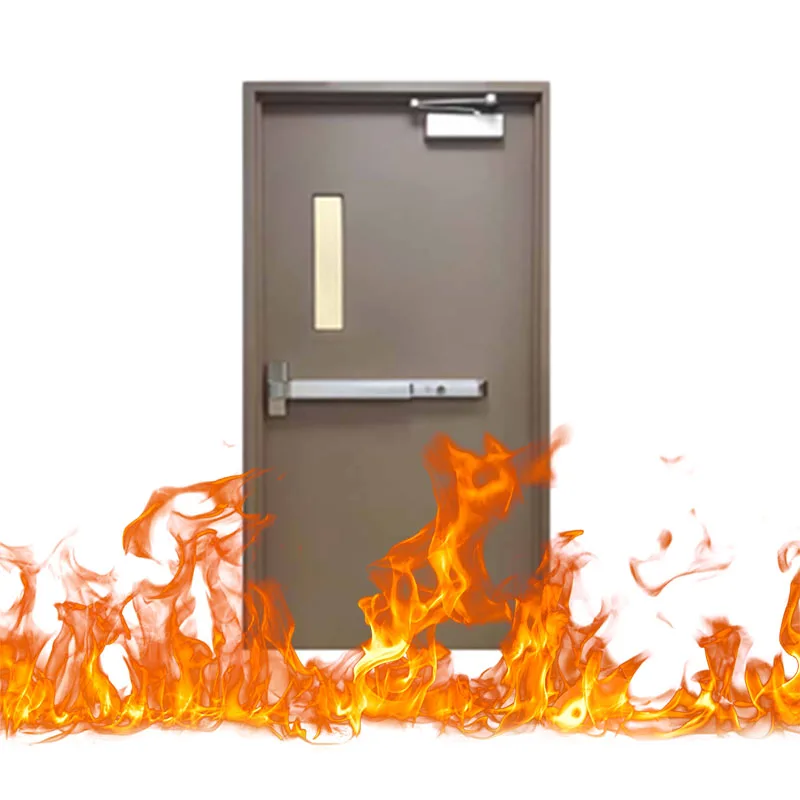
The evolution of fire safety technology has transformed how architects and safety engineers approach building design, with fire rated metal doors becoming increasingly sophisticated in their construction and performance capabilities. Modern manufacturing techniques combine advanced materials science with rigorous testing protocols to produce doors that exceed industry standards while offering long-term durability and reliable operation. Understanding the various aspects of fire rated metal door selection, installation, and maintenance is essential for building owners, facility managers, and construction professionals who prioritize occupant safety and regulatory compliance.
Understanding Fire Rating Classifications and Standards
Industry Testing Protocols and Certification Requirements
Fire rated metal door systems undergo extensive testing procedures that simulate real-world fire conditions to determine their performance characteristics and safety ratings. These tests, conducted by accredited laboratories following established protocols such as ASTM E119 and UL 10C, evaluate multiple factors including flame resistance, heat transmission, and structural stability over specified time periods. The testing process involves exposing door assemblies to controlled fire conditions with temperatures reaching up to 1700 degrees Fahrenheit, measuring how effectively the door prevents flame penetration and limits heat transfer to the protected side.
Certification bodies like Underwriters Laboratories (UL) and Intertek provide independent verification of fire rated metal door performance, issuing ratings that indicate the duration for which a door can withstand fire exposure while maintaining its protective function. Common ratings include 20-minute, 45-minute, 60-minute, 90-minute, and 180-minute classifications, with each rating corresponding to specific building code requirements and application scenarios. The certification process also evaluates additional performance criteria such as smoke leakage rates, temperature rise limitations, and the door's ability to remain operable after fire exposure, ensuring comprehensive protection for building occupants.
Building Code Compliance and Regulatory Framework
Modern building codes establish specific requirements for fire rated metal door installation based on building occupancy types, construction materials, and fire separation needs. The International Building Code (IBC) and National Fire Protection Association (NFPA) standards provide detailed guidelines for door selection, installation methods, and maintenance requirements that must be followed to ensure code compliance and occupant safety. These regulations specify where fire rated doors are required, including stairwells, corridor separations, and openings in fire-rated wall assemblies.
Local building authorities often supplement national codes with additional requirements tailored to regional fire risks and construction practices, making it essential for project teams to understand both national standards and local amendments. Compliance documentation, including manufacturer certifications, installation records, and periodic inspection reports, must be maintained throughout the building's lifecycle to demonstrate ongoing adherence to safety requirements. Regular updates to building codes reflect advances in fire science and construction technology, requiring building owners to stay informed about changes that may affect existing installations or renovation projects.
Construction Materials and Design Features
Steel Core Construction and Insulation Systems
The foundation of every high-performance fire rated metal door lies in its steel core construction, which provides the structural strength necessary to withstand extreme temperatures and physical stresses during fire events. Premium steel cores are manufactured using cold-rolled steel with specific thickness requirements that vary according to the desired fire rating and application demands. The steel construction creates a rigid framework that maintains dimensional stability even when exposed to thermal expansion and contraction cycles that occur during fire conditions.
Advanced insulation systems within fire rated metal door assemblies utilize specialized materials such as mineral wool, ceramic fiber, or proprietary fire-resistant compounds that slow heat transfer and prevent temperature rise on the protected side of the door. These insulation materials are carefully selected for their thermal properties, durability, and ability to maintain effectiveness throughout the door's service life. The integration of insulation with the steel core requires precise manufacturing techniques to ensure uniform distribution and optimal thermal performance while maintaining the door's structural integrity and operational characteristics.
Hardware Integration and Sealing Systems
Professional-grade fire rated metal door systems incorporate specialized hardware components designed to function reliably during emergency conditions while providing secure access control during normal operations. Fire-rated hinges, locksets, and closing mechanisms undergo the same rigorous testing as the door itself to ensure coordinated performance and maintain the overall fire rating of the assembly. Self-closing mechanisms are particularly critical, as they ensure the door automatically closes and latches after use, maintaining fire separation even when occupants forget to secure the door manually.
Intumescent sealing systems represent another crucial component, expanding when exposed to heat to create an effective barrier against smoke and flame penetration around the door perimeter. These seals are strategically positioned around the door frame and integrate with threshold seals to create a complete environmental barrier. Modern fire rated metal door designs often incorporate multiple sealing technologies to address different fire protection needs while maintaining ease of operation and long-term reliability in high-traffic applications.
Installation Best Practices and Quality Assurance
Frame Preparation and Anchoring Systems
Proper installation of a fire rated metal door begins with careful preparation of the door frame and surrounding wall assembly to ensure the entire system performs as designed during fire conditions. Frame anchoring systems must be appropriate for the wall construction type and fire rating requirements, with specific anchor spacing and depth requirements that maintain structural integrity under thermal stress. Professional installers verify that wall openings are correctly sized and properly reinforced to support the door assembly while maintaining the fire rating of the surrounding wall system.
The installation process requires careful attention to frame alignment and plumb conditions, as even minor deviations can affect door operation and compromise sealing effectiveness around the perimeter. Quality installation practices include proper shimming techniques, appropriate sealant application, and verification that all clearances meet manufacturer specifications and code requirements. Documentation of installation procedures and materials used becomes part of the permanent building record, supporting future inspections and maintenance activities.
Testing and Commissioning Procedures
Comprehensive testing and commissioning of fire rated metal door installations verify that all components function correctly and meet performance expectations before the building is occupied. This process includes operational testing of door hardware, verification of closing and latching mechanisms, and confirmation that all sealing systems are properly positioned and functional. Professional commissioning also involves reviewing installation documentation against manufacturer requirements and building code provisions to ensure full compliance.
Post-installation testing procedures may include smoke leakage testing, thermal imaging verification, and long-term operational assessments that confirm the door system maintains its performance characteristics over time. These quality assurance measures help identify potential issues before they compromise fire safety and establish baseline performance data for ongoing maintenance programs. Regular commissioning activities support building certification processes and provide assurance to building owners and occupants that fire protection systems will perform as intended during emergency situations.
Maintenance Requirements and Lifecycle Management
Routine Inspection and Preventive Maintenance
Effective maintenance of fire rated metal door systems requires systematic inspection procedures that identify wear patterns, hardware deterioration, and potential performance issues before they compromise fire safety. Monthly visual inspections should verify proper door operation, check sealing system integrity, and confirm that automatic closing mechanisms function correctly. These inspections help maintain optimal performance while identifying maintenance needs that can be addressed during scheduled service intervals.
Professional maintenance programs include periodic lubrication of hardware components, adjustment of closing mechanisms, and replacement of worn sealing materials according to manufacturer recommendations. Detailed maintenance records document all service activities and support warranty claims while providing valuable data for lifecycle planning and budgeting. Regular maintenance not only ensures continued fire protection performance but also extends the operational life of fire rated metal door systems, maximizing the return on investment for building owners.
Performance Monitoring and Upgrade Considerations
Long-term performance monitoring of fire rated metal door installations involves tracking operational characteristics, maintenance requirements, and any changes in building use or code requirements that might affect fire protection needs. Advanced monitoring systems can provide real-time data on door usage patterns, environmental conditions, and hardware performance, enabling proactive maintenance scheduling and early identification of potential issues.
Upgrade considerations for existing fire rated metal door systems may include enhanced security features, improved energy efficiency, or higher fire ratings to meet changing building requirements. Technology advances in materials science and manufacturing techniques periodically offer opportunities to improve performance or reduce maintenance requirements through selective upgrades or complete system replacement. Strategic upgrade planning helps building owners optimize fire protection investments while maintaining compliance with evolving safety standards and operational requirements.
Application-Specific Considerations and Selection Criteria
Commercial and Industrial Applications
Commercial buildings present unique challenges for fire rated metal door selection, with considerations including high traffic volumes, security requirements, and diverse occupancy patterns that affect door performance and maintenance needs. Office buildings, retail facilities, and mixed-use developments require fire rated metal door systems that balance fire protection with aesthetic considerations, operational convenience, and long-term durability. The selection process must account for expected usage levels, environmental conditions, and integration with building access control and security systems.
Industrial applications often demand enhanced fire rated metal door specifications to address specific hazards such as chemical exposure, extreme temperatures, or explosive atmospheres that exceed standard commercial requirements. Manufacturing facilities, warehouses, and processing plants may require specialized door configurations, enhanced sealing systems, or additional safety features that provide protection against industry-specific risks while maintaining compliance with occupational safety regulations and insurance requirements.
Healthcare and Educational Facilities
Healthcare facilities require fire rated metal door systems that accommodate the unique needs of patient care environments, including wider openings for medical equipment, specialized hardware for accessibility compliance, and enhanced security features for controlled access areas. Hospital corridors, patient rooms, and treatment areas present specific challenges for fire protection design, requiring door systems that integrate seamlessly with medical gas systems, nurse call networks, and emergency power supplies while maintaining fire separation integrity.
Educational buildings demand fire rated metal door solutions that address high-occupancy scenarios, student safety requirements, and the need for rapid egress during emergency situations. School corridors, classroom separations, and auditorium access points require carefully selected fire rated metal door systems that provide reliable protection while supporting daily educational activities and special events. Integration with school security systems, automated lockdown procedures, and accessibility requirements adds complexity to the selection and installation process for educational applications.
FAQ
What is the typical lifespan of a fire rated metal door system
A properly installed and maintained fire rated metal door system typically provides 20 to 30 years of reliable service, with some high-quality installations lasting even longer under normal operating conditions. The actual lifespan depends on factors such as usage frequency, environmental conditions, quality of installation, and adherence to recommended maintenance schedules. Regular inspections and preventive maintenance can significantly extend door system life while ensuring continued fire protection performance throughout the building's operational period.
How often should fire rated metal doors undergo professional inspection
Professional inspection of fire rated metal door systems should occur annually at minimum, with some jurisdictions and building codes requiring more frequent inspections based on building occupancy type and fire risk assessment. Monthly self-inspections by building maintenance staff complement professional inspections by identifying obvious issues such as damaged hardware, improper closing, or visible wear that requires immediate attention. Documentation of all inspection activities supports code compliance and provides valuable data for maintenance planning and system optimization.
Can fire rated metal doors be modified after installation without affecting their fire rating
Modifications to fire rated metal door systems after installation typically void the fire rating unless the changes are specifically approved by the door manufacturer and comply with listing requirements. Common modifications such as drilling additional holes, altering hardware configurations, or changing door dimensions can compromise fire protection performance and may violate building codes. Any desired modifications should be reviewed by fire protection professionals and approved by relevant authorities before implementation to maintain safety compliance and system integrity.
What factors determine the required fire rating for a specific door application
The required fire rating for a fire rated metal door installation is determined by building codes based on factors including building occupancy classification, construction type, wall fire rating, and the door's location within the fire protection system. Stairwell doors typically require higher ratings than corridor doors, while doors in fire-rated wall assemblies must match or complement the wall's fire resistance rating. Local building officials and fire protection engineers can provide specific guidance for individual projects based on applicable codes and project-specific risk assessments.
Table of Contents
- Understanding Fire Rating Classifications and Standards
- Construction Materials and Design Features
- Installation Best Practices and Quality Assurance
- Maintenance Requirements and Lifecycle Management
- Application-Specific Considerations and Selection Criteria
-
FAQ
- What is the typical lifespan of a fire rated metal door system
- How often should fire rated metal doors undergo professional inspection
- Can fire rated metal doors be modified after installation without affecting their fire rating
- What factors determine the required fire rating for a specific door application