 EN
EN

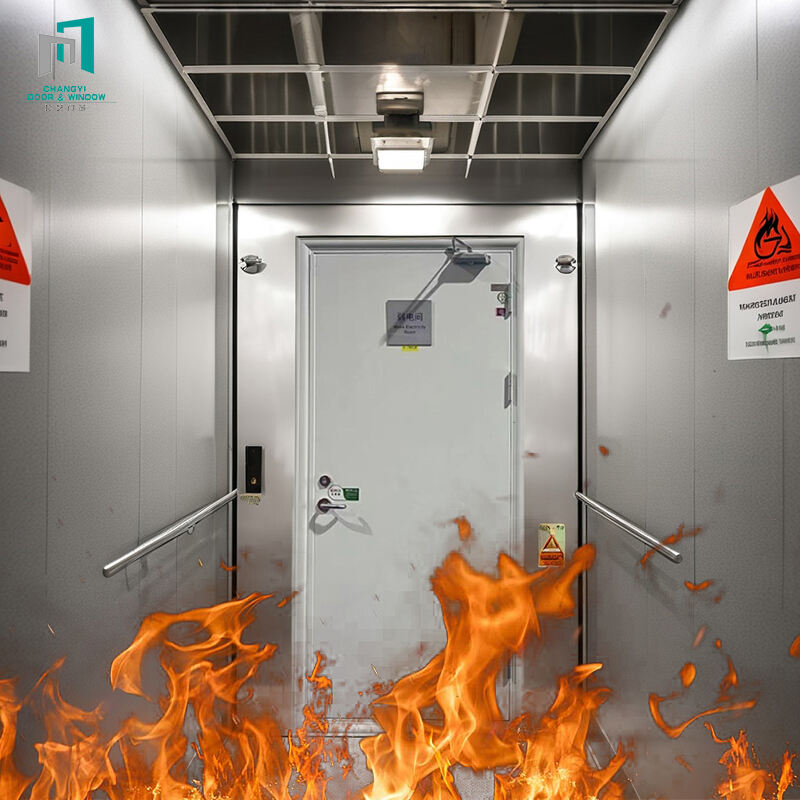
Fire safety systems represent one of the most crucial components in modern building design and construction, with passive fire protection playing an increasingly vital role in safeguarding lives and property. Among the various fire protection elements, the self closing fire door stands as a fundamental barrier against the spread of fire and smoke throughout buildings. These specialized doors automatically close when released, creating an essential seal that prevents smoke infiltration and maintains compartmentalization during emergency situations. Understanding the mechanics, benefits, and proper implementation of a self closing fire door system can mean the difference between contained damage and catastrophic loss.
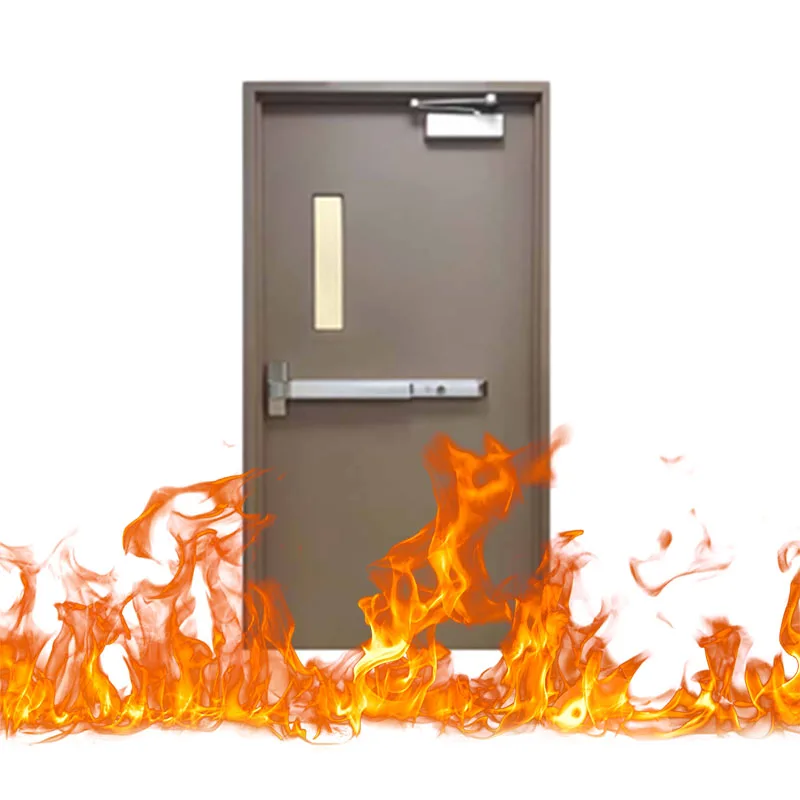
The engineering principles behind every self closing fire door involve sophisticated hardware mechanisms that respond to fire conditions while maintaining normal operational convenience. These doors utilize spring-loaded hinges, overhead door closers, or hydraulic systems that ensure consistent closing force regardless of environmental conditions. When properly installed and maintained, a self closing fire door creates an impermeable barrier that prevents smoke particles from traveling between compartments, thereby protecting escape routes and limiting fire damage to specific areas.
Understanding Self Closing Fire Door Technology
Mechanical Components and Operation
The fundamental operation of a self closing fire door relies on precisely calibrated mechanical systems that balance user convenience with emergency functionality. Spring-loaded hinges represent the most common mechanism, utilizing torsion springs that store energy when the door opens and release this energy to pull the door closed. These springs must generate sufficient force to overcome air pressure differentials, door weight, and potential obstructions while maintaining smooth operation during normal use.
Hydraulic door closers offer superior control over closing speed and force, featuring adjustable valves that regulate oil flow through internal chambers. This technology allows building managers to fine-tune closing characteristics based on specific environmental conditions, door weight, and user requirements. The hydraulic mechanism ensures that a self closing fire door closes completely and latches securely, preventing gaps that could compromise fire compartmentalization.
Fire Rating Classifications and Standards
Fire rating standards establish the minimum performance requirements that every self closing fire door must meet to ensure reliable protection during fire emergencies. These classifications typically range from 20 minutes to 180 minutes, indicating the duration that the door assembly can withstand fire exposure while maintaining structural integrity and preventing flame penetration. The rating system considers both the door construction materials and the closing mechanism performance under extreme heat conditions.
Certification processes involve rigorous testing procedures that subject door assemblies to standardized fire conditions, measuring temperature resistance, smoke leakage rates, and mechanical functionality throughout the exposure period. A properly rated self closing fire door must demonstrate consistent closing performance even when exposed to thermal expansion, smoke pressure, and potential damage from fire debris. These standards ensure that building occupants can rely on door systems to maintain escape route integrity during critical emergency situations.
Smoke Containment Principles and Effectiveness
Physics of Smoke Movement and Containment
Smoke movement within buildings follows predictable patterns based on pressure differentials, thermal buoyancy, and air circulation systems, making the role of a self closing fire door critical in disrupting these natural flow patterns. Hot smoke rises due to reduced density, creating positive pressure in upper building levels while drawing fresh air into lower areas. This stack effect can rapidly distribute toxic gases throughout multi-story structures unless properly managed through compartmentalization strategies.
Effective smoke containment requires that door systems create airtight seals when closed, preventing even minimal smoke infiltration that could compromise adjacent areas. The sealing effectiveness of a self closing fire door depends on proper gasketing, accurate frame alignment, and consistent closing force that ensures complete contact between door edges and frame surfaces. Even small gaps measured in millimeters can allow significant smoke penetration over time, undermining the protective value of compartmentalization systems.
Integration with Building Ventilation Systems
Modern buildings incorporate sophisticated ventilation systems that can either support or compromise smoke containment efforts, depending on their integration with self closing fire door systems. Positive pressure ventilation in stairwells and corridors helps prevent smoke infiltration, but these systems must coordinate with door closing mechanisms to avoid creating conflicting air pressures that prevent proper door closure.
Building automation systems can enhance the effectiveness of a self closing fire door by automatically adjusting ventilation settings when fire conditions are detected, reducing air movement that might interfere with door operation. This integration ensures that smoke containment systems work harmoniously with other building safety features, maximizing protection while maintaining operational efficiency during both normal conditions and emergency situations.
Installation Requirements and Best Practices
Frame Preparation and Hardware Selection
Proper installation of a self closing fire door begins with meticulous frame preparation that ensures accurate alignment and optimal sealing performance throughout the door's operational lifespan. Frame construction must accommodate the additional hardware requirements while maintaining structural integrity under both normal loads and emergency conditions. Steel frames typically provide superior durability and fire resistance compared to wood alternatives, especially in high-traffic commercial applications.
Hardware selection significantly impacts the long-term reliability and effectiveness of self closing fire door systems, requiring careful consideration of closing force requirements, environmental conditions, and expected usage patterns. Heavy-duty hinges must support both the door weight and the additional stress imposed by closing mechanisms, while door closers must provide sufficient force to ensure complete closure without creating operational difficulties for building occupants.
Regulatory Compliance and Code Requirements
Building codes establish specific requirements for self closing fire door installation that address location, spacing, hardware specifications, and maintenance protocols to ensure consistent fire protection performance. These regulations typically require that doors close from any open position and latch securely without manual assistance, maintaining compartmentalization even during power outages or system failures.
Compliance verification involves regular inspections that assess closing mechanism functionality, door alignment, seal integrity, and hardware condition to identify potential issues before they compromise fire safety performance. Documentation requirements ensure that building owners maintain records of installation specifications, maintenance activities, and inspection results, providing accountability and supporting insurance coverage in the event of fire-related claims.
Maintenance and Performance Optimization
Routine Inspection Procedures
Regular maintenance ensures that every self closing fire door continues to provide reliable protection throughout its service life, requiring systematic inspection procedures that assess both mechanical functionality and fire-resistant properties. Monthly visual inspections should verify that doors close completely from various opening positions, checking for proper latch engagement and identifying any obstacles that might prevent full closure.
Detailed quarterly inspections must examine hardware components for wear, corrosion, or damage that could compromise closing mechanism performance. Door closer fluid levels, spring tension settings, and hinge pin condition require professional assessment to maintain optimal operation. These inspections help identify emerging issues before they result in system failures that could compromise building safety during fire emergencies.
Performance Troubleshooting and Adjustments
Common performance issues with self closing fire door systems often stem from improper adjustment settings, environmental factors, or component wear that affects closing force and speed characteristics. Doors that close too quickly may pose safety hazards to building occupants, while insufficient closing force can prevent proper latching and compromise fire compartmentalization effectiveness.
Professional technicians can adjust closing mechanisms to optimize performance for specific environmental conditions and usage patterns, ensuring that a self closing fire door provides consistent protection without creating operational difficulties. These adjustments must maintain compliance with fire safety standards while accommodating practical considerations such as accessibility requirements and traffic flow patterns.
Cost-Benefit Analysis and Implementation Strategies
Initial Investment Considerations
The initial cost of implementing comprehensive self closing fire door systems involves door hardware, installation labor, and potential structural modifications required to accommodate fire-rated assemblies. While these upfront expenses may seem significant, they represent a fraction of the potential losses that could result from uncontrolled fire and smoke spread in commercial and residential buildings.
Quality components and professional installation ensure that a self closing fire door system provides reliable protection for decades with minimal maintenance requirements. The long-term value proposition includes reduced insurance premiums, improved building safety ratings, and compliance with evolving fire safety regulations that may mandate upgraded protection systems in existing structures.
Return on Investment Through Risk Reduction
Fire damage costs extend far beyond immediate property losses, including business interruption, liability claims, and increased insurance premiums that can impact building operations for years following a fire incident. Effective compartmentalization provided by properly functioning self closing fire door systems significantly reduces these risks by limiting fire spread and maintaining escape route integrity.
Insurance companies increasingly recognize the value of comprehensive fire protection systems, offering premium discounts and favorable coverage terms for properties that exceed minimum code requirements. The documentation and maintenance records associated with professional self closing fire door installation provide evidence of proactive risk management that supports favorable insurance underwriting and claims processing.
FAQ
How often should self closing fire doors be tested and maintained
Self closing fire door systems require monthly visual inspections to verify proper closing and latching function, with comprehensive professional maintenance performed quarterly. Annual testing by certified technicians ensures that all components meet fire safety standards and identifies any adjustments needed to maintain optimal performance throughout changing environmental conditions.
What are the most common causes of self closing fire door failure
The most frequent causes of self closing fire door system failure include improper adjustment of closing mechanisms, worn or damaged hardware components, obstructed door paths, and inadequate maintenance procedures. Environmental factors such as building settling, temperature extremes, and high traffic usage can also contribute to premature wear and performance degradation over time.
Can existing doors be retrofitted with self closing mechanisms
Many existing fire-rated doors can be retrofitted with self closing mechanisms, provided the door construction and frame assembly can accommodate the additional hardware requirements. Professional assessment is essential to determine compatibility and ensure that retrofitted systems meet current fire safety standards and building code requirements for reliable emergency protection.
What factors influence the selection of self closing door hardware
Hardware selection for self closing fire door systems must consider door weight and dimensions, expected traffic volume, environmental conditions, accessibility requirements, and specific fire rating classifications. The closing force requirements vary based on building pressurization systems, while aesthetic considerations may influence the choice between concealed and surface-mounted hardware options.