 EN
EN

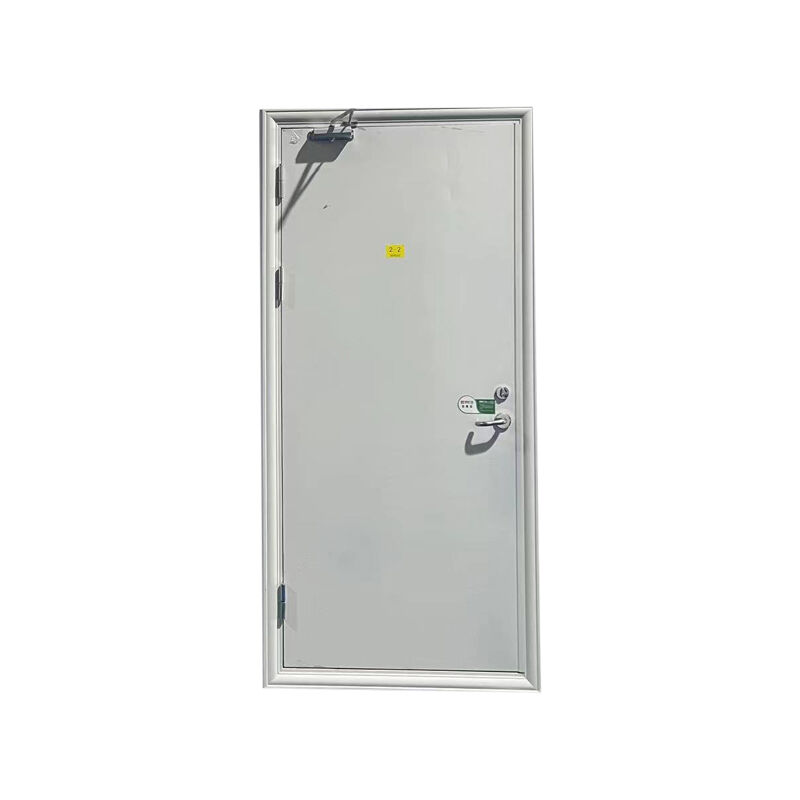
Commercial buildings require robust fire protection systems to safeguard occupants and property during emergencies. Among the most critical components of passive fire protection are fire rated doors, which serve as barriers that slow the spread of flames, smoke, and heat throughout a structure. These specialized doors undergo rigorous testing procedures and must display proper labeling to ensure they meet stringent safety standards and building codes.
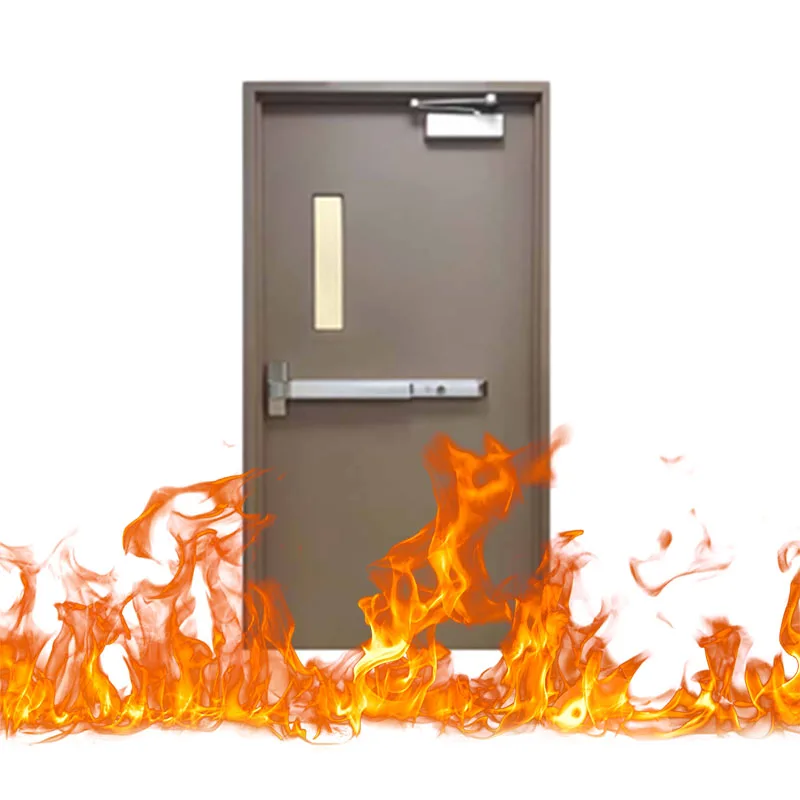
The testing and certification process for fire rated doors involves multiple phases of evaluation conducted by independent laboratories accredited to perform fire resistance assessments. These comprehensive tests evaluate how well fire rated doors maintain their structural integrity and barrier properties when exposed to standardized fire conditions. Understanding the testing methodology and labeling requirements helps architects, contractors, and building owners make informed decisions about fire door selection and installation.
Modern fire rated doors incorporate advanced materials and engineering techniques to achieve superior fire resistance ratings. The testing protocols ensure that these doors can withstand intense heat while preventing the passage of flames and limiting heat transfer to adjacent spaces. Proper labeling systems provide essential information about performance characteristics and installation requirements that facility managers need for ongoing maintenance and compliance verification.
Fire Door Testing Standards and Protocols
ASTM E119 Standard Test Methods
The ASTM E119 standard serves as the foundation for fire resistance testing of fire rated doors in North America. This comprehensive test method subjects door assemblies to standardized time-temperature curves that simulate real-world fire conditions. During testing, fire rated doors must maintain their structural integrity while preventing flame penetration and limiting heat transmission to the unexposed surface.
Test specimens undergo exposure to temperatures reaching 1700°F within the first hour of testing, with temperatures continuing to rise throughout extended test periods. The ASTM E119 protocol evaluates three critical performance criteria: structural integrity, flame penetration resistance, and heat transmission limits. Fire rated doors must demonstrate continuous performance across all three areas to achieve their designated fire resistance rating.
Laboratory technicians monitor multiple parameters during ASTM E119 testing, including door frame deflection, gap formation around door edges, and temperature rise on the unexposed surface. These measurements ensure that fire rated doors maintain effective barriers against fire spread while preserving egress functionality during emergency situations. The standardized testing environment allows for consistent comparison of different door designs and materials.
UL 10C Testing Requirements
Underwriters Laboratories developed UL 10C as a complementary test standard specifically designed for fire rated doors and windows. This test method incorporates unique aspects not covered by ASTM E119, including positive pressure differentials that more accurately simulate conditions in modern buildings with mechanical ventilation systems.
UL 10C testing subjects fire rated doors to positive pressure conditions ranging from 0.01 to 0.30 inches of water column, depending on the specific rating being pursued. This pressure differential creates more challenging test conditions that better represent real-world scenarios where HVAC systems may continue operating during fire events. The positive pressure testing ensures that fire rated doors can maintain their barrier properties even when subjected to additional stress from building pressurization.
The UL 10C protocol also includes specific requirements for hardware performance, gasket effectiveness, and glazing integrity where applicable. These additional evaluation criteria ensure that all components of fire rated doors function cohesively to provide reliable fire protection. Testing laboratories must verify that door hardware operates smoothly throughout the test duration and that any glazed openings maintain their integrity without compromising overall fire resistance.
NFPA 252 Evaluation Criteria
The National Fire Protection Association developed NFPA 252 as another recognized standard for testing fire rated doors and frame assemblies. This standard incorporates elements from both ASTM E119 and UL 10C while adding specific requirements for door operation and hardware functionality during fire exposure.
NFPA 252 testing emphasizes the operational characteristics of fire rated doors throughout the test period, requiring that doors remain operable for egress purposes during specified portions of the fire exposure. This operational requirement ensures that fire rated doors continue to serve their dual function as both fire barriers and emergency exits when building occupants need to evacuate safely.
The standard also establishes specific criteria for measuring and evaluating smoke leakage through door assemblies during testing. These smoke penetration limits help ensure that fire rated doors provide effective compartmentalization of smoke-laden gases that pose significant threats to building occupants. Testing laboratories measure smoke density and temperature on both sides of the door assembly to verify compliance with NFPA 252 requirements.
Certification and Listing Processes
Independent Laboratory Testing
Fire rated doors must undergo testing at independent laboratories accredited by organizations such as the American Association for Laboratory Accreditation or similar credentialing bodies. These laboratories maintain specialized furnaces and instrumentation capable of reproducing standardized fire conditions while accurately measuring door performance parameters.
The certification process begins with manufacturers submitting representative samples of their fire rated doors along with detailed construction specifications and installation instructions. Laboratory personnel review these materials to ensure test specimens accurately represent production units and identify any unique design features that may affect fire performance.
Testing laboratories conduct multiple tests on identical door assemblies to verify consistency and reliability of results. This redundant testing approach helps identify any variability in manufacturing processes or material properties that could affect the fire resistance performance of production units. Successful completion of laboratory testing leads to the issuance of test reports that document door performance and form the basis for listing and labeling activities.
Third-Party Certification Bodies
Organizations such as Underwriters Laboratories, Intertek, and SGS serve as third-party certification bodies that evaluate test results and authorize the use of their certification marks on qualified fire rated doors. These certification bodies maintain rigorous oversight programs that include factory inspections, ongoing quality audits, and periodic retesting to ensure continued compliance with certification requirements.
Certification bodies also establish specific requirements for manufacturing quality control systems and documentation practices. These requirements help ensure that production fire rated doors maintain the same performance characteristics as laboratory test specimens. Manufacturers must demonstrate consistent adherence to approved production methods and material specifications to retain their certifications.
The certification process includes detailed review of manufacturing facilities, quality control procedures, and staff training programs. Certification bodies conduct unannounced factory inspections to verify ongoing compliance and may require corrective actions if deficiencies are identified. This comprehensive oversight system provides assurance that certified fire rated doors maintain consistent quality and performance characteristics.
Listing and Follow-Up Services
Once fire rated doors successfully complete testing and certification requirements, they become eligible for listing in recognized directories such as the UL Product Directory or similar databases maintained by other certification organizations. These listings provide essential information about door ratings, approved hardware, and installation requirements that architects and contractors need for proper specification and installation.
Listed fire rated doors must participate in ongoing follow-up service programs that include periodic factory inspections and selective testing of production samples. These follow-up activities ensure that manufacturing processes remain consistent with certified procedures and that door performance continues to meet established standards.
Follow-up service programs also monitor any changes to door design, materials, or manufacturing processes that could affect fire performance. Manufacturers must obtain approval from certification bodies before implementing significant changes to listed fire rated doors. This change control process helps maintain the integrity of fire door listings and ensures continued reliability of certified products.
Labeling Requirements and Information
Mandatory Label Elements
Fire rated doors must display permanent labels that provide essential information about their fire resistance rating, certification body, and installation requirements. These labels typically include the fire resistance rating expressed in hours or fractions thereof, such as 20-minute, 45-minute, 90-minute, or 3-hour ratings.
Certification labels also display the name and logo of the testing laboratory or certification body that authorized the door rating. This identification allows building officials and inspectors to verify the credentials of the certifying organization and access relevant technical documentation. Additional label information includes the manufacturer's name, model number, and date of manufacture.
Many fire rated doors also include special markings that indicate approved hardware types, glazing options, and installation requirements. These additional markings help ensure proper installation and maintenance practices that preserve the door's fire resistance properties throughout its service life.
Certification Mark Standards
Certification bodies establish specific standards for label design, placement, and durability to ensure that critical information remains visible and legible throughout the door's service life. Labels must use permanent marking methods that resist fading, wear, and environmental exposure while remaining clearly readable.
The size, font, and color specifications for certification labels are standardized to ensure consistency across different manufacturers and certification bodies. These standardization requirements help building inspectors and facility managers quickly identify and interpret critical information about fire rated doors during routine inspections and maintenance activities.
Label placement requirements specify acceptable locations on door assemblies where certification marks can be applied without compromising door appearance or functionality. Certification bodies may require labels to be placed in multiple locations to ensure visibility even if one label becomes damaged or obscured during normal use.
Installation and Maintenance Instructions
Fire rated doors must include comprehensive installation instructions that specify approved hardware types, frame preparation requirements, and proper installation procedures. These instructions help ensure that installed door assemblies maintain the same fire resistance properties demonstrated during laboratory testing.
Maintenance instructions provide essential information about ongoing care requirements that preserve fire door performance throughout their service life. These instructions typically include schedules for hardware adjustment, seal replacement, and general inspection procedures that facility managers should implement.
Many fire rated doors include quick reference guides or summary labels that highlight key installation and maintenance requirements. These condensed instruction formats provide convenient access to critical information for contractors and maintenance personnel who need immediate guidance during installation or repair activities.
Quality Control and Manufacturing Standards
Production Quality Systems
Manufacturers of fire rated doors must implement comprehensive quality management systems that ensure consistent production of doors that meet certified specifications. These quality systems typically follow ISO 9001 standards or similar internationally recognized quality frameworks that emphasize process control and continuous improvement.
Production quality systems for fire rated doors include detailed work instructions, material specifications, and inspection procedures that workers follow during manufacturing operations. These documented procedures help ensure that each production unit incorporates the same materials and construction methods used in certified test specimens.
Quality control personnel conduct inspections at critical points throughout the manufacturing process to verify compliance with established procedures and specifications. These inspections may include dimensional checks, material verification, hardware installation verification, and final assembly inspections before fire rated doors are approved for shipment.
Material Specifications and Control
The materials used in fire rated doors must meet specific performance requirements and maintain consistent properties that contribute to overall fire resistance. Manufacturers establish detailed specifications for core materials, face sheets, edge seals, and hardware components based on the materials used during certification testing.
Incoming material inspection procedures verify that supplier-provided materials meet established specifications before incorporation into production fire rated doors. These inspections may include physical property testing, chemical analysis, and visual inspections to detect any variations that could affect door performance.
Material traceability systems track the source and lot numbers of critical materials used in each production run of fire rated doors. This traceability capability enables manufacturers to quickly identify and address any material-related issues that might arise during production or field use.
Hardware Integration and Testing
Fire rated doors incorporate specialized hardware components that must maintain their functionality during fire exposure while contributing to overall fire resistance performance. Hardware manufacturers conduct separate testing to verify that their products meet fire performance requirements when installed on certified fire rated doors.
Door manufacturers must use only approved hardware combinations that have been tested and certified for use with their specific fire rated doors. Substitution of non-approved hardware can void fire ratings and create compliance issues that affect building occupant safety.
Integration testing verifies that hardware operates smoothly throughout the expected service life of fire rated doors and maintains proper adjustment under normal use conditions. This testing helps identify potential maintenance requirements and establishes recommended service intervals for different hardware components.
Installation and Field Verification
Proper Installation Techniques
Correct installation procedures are essential for maintaining the fire resistance properties of fire rated doors throughout their service life. Installation teams must follow manufacturer specifications for frame preparation, door hanging, hardware installation, and final adjustments to ensure optimal performance.
Frame preparation includes verification of opening dimensions, structural adequacy, and proper anchoring methods that will support the door assembly under both normal use and emergency conditions. Installation personnel must also ensure that frame materials and construction methods are compatible with the fire rating requirements of the door assembly.
Hardware installation requires careful attention to manufacturer specifications for mounting methods, adjustment procedures, and operational testing. Improperly installed hardware can prevent fire rated doors from closing completely during emergencies or cause premature wear that affects long-term reliability.
Inspection and Verification Procedures
Building officials and fire inspectors conduct field inspections to verify that installed fire rated doors meet code requirements and maintain their certified fire resistance properties. These inspections typically include verification of proper labeling, hardware operation, and clearance measurements.
Inspection procedures also verify that fire rated doors can close and latch properly from any open position and that automatic closing devices function correctly when activated. Inspectors check door clearances around the perimeter to ensure that gaps do not exceed allowable limits that could compromise fire resistance performance.
Field verification may include testing of door operation under various conditions to ensure reliable performance during emergency situations. This testing helps identify any installation issues that could prevent proper door operation when fire protection is most critical.
Documentation and Record Keeping
Installation contractors must maintain detailed records that document the specific fire rated doors installed, hardware used, and installation procedures followed. These records provide essential information for future maintenance activities and help demonstrate compliance with building code requirements.
Record keeping systems should include photographs of installed fire rated doors showing label placement, hardware configuration, and overall installation quality. These visual records help facility managers track door locations and specifications for ongoing maintenance planning.
Installation documentation also includes copies of manufacturer certificates, test reports, and installation instructions that support the fire rating claims for installed door assemblies. Building owners need this documentation to demonstrate code compliance during routine inspections and occupancy renewals.
Maintenance and Ongoing Compliance
Regular Inspection Requirements
Fire rated doors require regular inspection and maintenance to preserve their fire resistance properties throughout their service life. Building codes typically require annual inspections by qualified personnel who can identify potential problems and recommend appropriate corrective actions.
Inspection procedures include visual examination of door surfaces, hardware operation testing, and measurement of clearances around door perimeters. Inspectors also verify that door labels remain legible and that no unauthorized modifications have been made to fire rated doors or their hardware.
Documentation of inspection results provides building owners with essential information about door condition and helps establish priorities for maintenance activities. Regular inspections also help identify recurring problems that may indicate the need for upgraded maintenance procedures or replacement of aging door components.
Hardware Maintenance and Adjustment
Proper hardware maintenance is essential for ensuring that fire rated doors continue to operate reliably during emergency situations. Maintenance procedures include lubrication of hinges and hardware mechanisms, adjustment of closing devices, and replacement of worn components.
Closing device adjustment ensures that fire rated doors close completely and latch securely from any open position. These devices require periodic testing and adjustment to compensate for normal wear and environmental changes that can affect their operation.
Hardware replacement must use approved components that maintain the fire rating of the door assembly. Substitution of non-approved hardware can void fire ratings and create liability issues for building owners and facility managers.
Long-Term Performance Monitoring
Facility managers should implement monitoring programs that track the performance of fire rated doors over extended periods to identify trends and optimize maintenance schedules. These programs help predict when major maintenance or replacement activities may be needed.
Performance monitoring includes tracking of hardware adjustment frequency, seal replacement intervals, and door operational reliability. This information helps facility managers develop more effective maintenance strategies and budget for future door system upgrades.
Long-term monitoring also provides valuable feedback to door manufacturers about real-world performance characteristics that can inform future product development and improvement efforts. This collaboration between users and manufacturers helps advance fire door technology and reliability.
FAQ
How long do fire rated doors maintain their certification
Fire rated doors maintain their certification indefinitely as long as they are properly installed, maintained according to manufacturer specifications, and have not been modified in ways that could affect their fire resistance properties. The certification is based on the door's design and construction rather than a time-limited approval. However, regular inspections and maintenance are essential to ensure continued compliance with building codes and optimal performance during emergencies.
What happens if a fire rated door is damaged or modified
Any damage or unauthorized modification to fire rated doors can void their fire rating and create serious safety and compliance issues. Common problems include drilling holes for additional hardware, painting with non-approved materials, or replacing original hardware with non-certified components. When damage occurs, building owners must consult with qualified professionals to determine appropriate repair methods that restore the door's fire resistance properties, or replace the door entirely if repairs are not feasible.
Can fire rated doors be customized for specific building requirements
Fire rated doors can be customized within the parameters established during certification testing, including specific sizes, hardware configurations, and approved glazing options. However, any customization must remain within the tested and listed configurations to maintain fire ratings. Manufacturers provide detailed specifications outlining allowable variations and custom options that preserve fire resistance properties. Building owners should work closely with manufacturers and qualified installers to ensure that customized fire rated doors meet both functional requirements and fire safety standards.
What training is required for personnel who install and maintain fire rated doors
Installation and maintenance of fire rated doors requires specialized knowledge of fire protection principles, building codes, and manufacturer specifications. Many manufacturers offer training programs for contractors and facility maintenance personnel that cover proper installation techniques, inspection procedures, and maintenance requirements. Some jurisdictions require certification for personnel who work on fire protection systems, while others rely on manufacturer training and industry experience. Building owners should ensure that personnel responsible for fire rated doors have appropriate training and access to current technical information from manufacturers and certification bodies.