 EN
EN

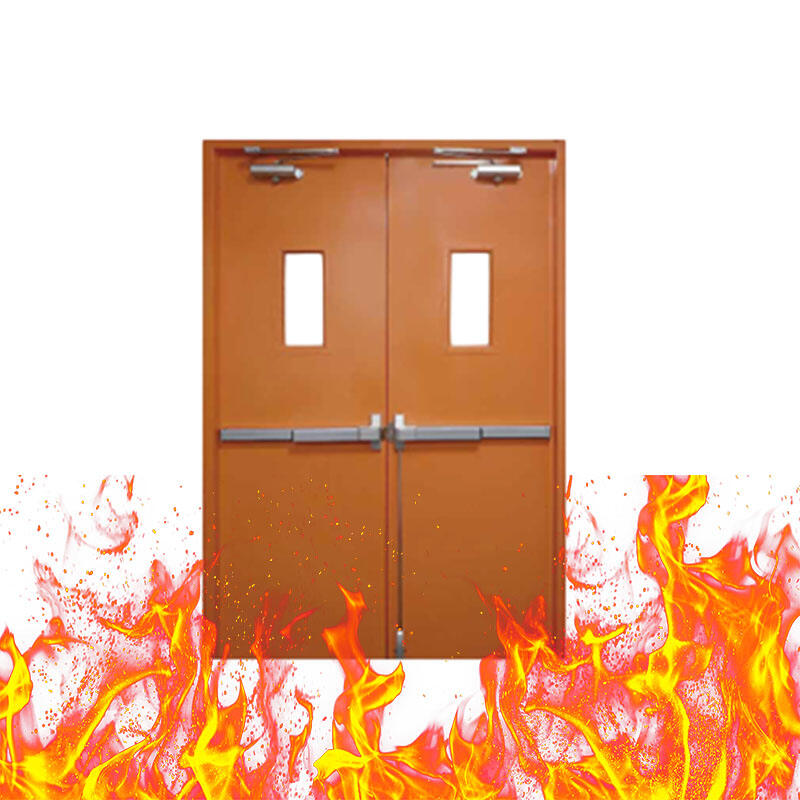
In the realm of fire safety engineering, the pursuit of standardized solutions has led to extensive discussions about universal fire doors. These specialized barrier systems represent a critical component in passive fire protection strategies, designed to compartmentalize buildings and prevent the rapid spread of fire and smoke. While the concept of universal fire doors suggests a one-size-fits-all approach to fire safety, the reality of their application reveals both significant advantages and inherent limitations that must be carefully considered by architects, engineers, and facility managers.
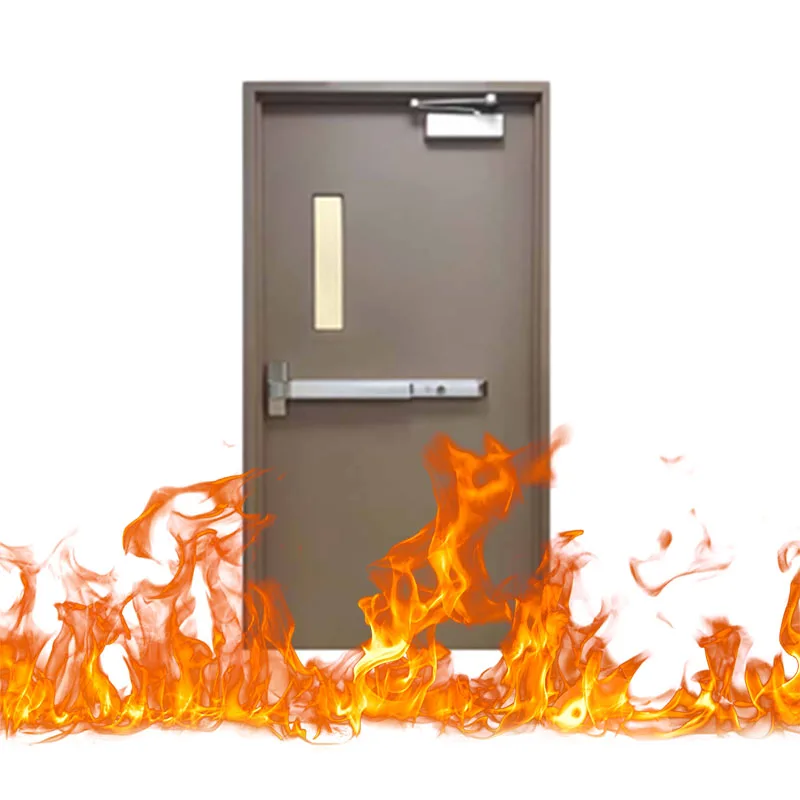
The development of universal fire doors emerged from the construction industry's need for standardized fire protection solutions that could be readily deployed across various building types and applications. These doors are engineered to meet multiple fire resistance ratings and architectural requirements simultaneously, theoretically reducing inventory complexity and installation challenges. However, the practical implementation of such systems requires a thorough understanding of their design principles, performance characteristics, and regulatory compliance requirements.
Understanding Universal Fire Door Technology
Core Design Principles
Universal fire doors are constructed using advanced materials and engineering techniques that enable them to achieve multiple fire resistance ratings within a single door assembly. The core technology typically involves multi-layered construction with specialized fire-resistant cores, steel frames, and integrated hardware systems. These doors are designed to withstand high temperatures while maintaining structural integrity and preventing the passage of flames, smoke, and toxic gases.
The manufacturing process for universal fire doors involves precise quality control measures to ensure consistent performance across different fire rating requirements. Advanced thermal modeling and testing protocols validate the door's ability to meet various international fire safety standards. The integration of multiple performance characteristics into a single product requires sophisticated engineering approaches that balance fire resistance, structural durability, and operational functionality.
Material selection plays a crucial role in achieving the versatile performance of universal fire doors. High-grade steel components, specialized fire-resistant insulation materials, and advanced sealing systems work together to create a comprehensive barrier against fire propagation. The door's construction must accommodate thermal expansion and contraction while maintaining effective sealing properties throughout the fire event duration.
Performance Standards and Certifications
Universal fire doors must comply with rigorous testing standards established by various international organizations including UL, ASTM, and ISO. These standards define specific performance criteria for fire resistance, smoke control, and structural integrity under fire conditions. The certification process involves extensive laboratory testing that simulates real-world fire scenarios to validate the door's protective capabilities.
The multi-rating capability of universal fire doors requires comprehensive testing across different time periods and temperature curves. Standard fire tests evaluate performance at 30, 60, 90, and 120-minute intervals, measuring temperature rise, structural integrity, and flame penetration resistance. These rigorous testing protocols ensure that universal fire doors can provide reliable protection across various applications and building codes.
Ongoing certification maintenance requires regular quality audits and periodic retesting to ensure continued compliance with evolving fire safety standards. Manufacturers must maintain detailed documentation of material specifications, manufacturing processes, and quality control procedures to support their certification claims. This comprehensive approach ensures that universal fire doors continue to meet or exceed performance expectations throughout their operational lifecycle.
Application Scenarios and Installation Considerations
Commercial and Industrial Applications
In commercial environments, universal fire doors serve as critical components in fire compartmentalization strategies, protecting exit routes, stairwells, and high-risk areas. Office buildings, shopping centers, and healthcare facilities benefit from the flexibility that universal fire doors provide, allowing architects to specify a single door type for multiple applications within the same project. This standardization reduces complexity in design coordination and construction scheduling.
Industrial facilities present unique challenges for fire door applications due to varying environmental conditions, operational requirements, and hazard levels. Universal fire doors in these settings must accommodate heavy-duty usage patterns, exposure to chemicals or moisture, and integration with automated access control systems. The versatility of universal fire doors makes them particularly suitable for manufacturing plants, warehouses, and processing facilities where multiple fire protection levels may be required.
The installation of universal fire doors in commercial and industrial settings requires careful coordination with other building systems including HVAC, electrical, and security infrastructure. Proper integration ensures that the doors function effectively as part of the overall fire safety strategy while maintaining operational efficiency. Regular maintenance protocols must be established to preserve the door's fire protection capabilities and ensure compliance with local fire codes.
Residential and Multi-Family Housing
Multi-family residential buildings present specific challenges for fire door applications, requiring solutions that balance fire safety requirements with aesthetic considerations and resident convenience. Universal fire doors in these environments must provide reliable fire protection while maintaining an appropriate appearance and smooth operation for daily use. The ability to meet multiple fire ratings within a single product line simplifies specification and procurement processes for residential developers.
High-rise residential towers particularly benefit from universal fire doors due to the varying fire protection requirements throughout different building zones. Stairwell doors, corridor separations, and unit entry doors may require different fire ratings, yet universal fire doors can potentially address multiple requirements with standardized hardware and installation procedures. This consistency reduces maintenance complexity and ensures reliable performance across the building.
The acoustic performance of universal fire doors in residential applications requires special consideration, as residents expect minimal noise transmission between units and common areas. Advanced sealing systems and door construction techniques help achieve both fire protection and sound control objectives. Regular inspection and maintenance programs ensure that these dual performance characteristics are maintained throughout the building's operational life.
Technical Limitations and Design Constraints
Structural and Dimensional Restrictions
Despite their versatility, universal fire doors face inherent limitations related to structural capacity and dimensional constraints. The requirement to achieve multiple fire ratings often results in heavier door assemblies that may exceed the load-bearing capacity of existing door frames or wall systems. This can necessitate structural modifications that increase project costs and complexity, particularly in retrofit applications.
Size limitations represent another significant constraint for universal fire doors, as the standardized construction may not accommodate oversized openings or custom architectural requirements. Large openings may require multiple door panels or alternative fire protection strategies, potentially negating the benefits of universal fire door systems. The thickness requirements for achieving higher fire ratings can also create conflicts with architectural design intentions or existing building conditions.
Thermal expansion characteristics of universal fire doors must be carefully considered during design and installation phases. The multi-layered construction and diverse materials used in these doors can result in differential expansion rates that affect door operation and sealing effectiveness. Proper clearance specifications and installation tolerances are essential to accommodate thermal movement while maintaining fire protection integrity.
Environmental and Operational Challenges
Environmental conditions can significantly impact the performance and longevity of universal fire doors, particularly in applications involving exposure to moisture, chemicals, or extreme temperatures. The complex construction of these doors may create potential failure points where environmental factors can compromise fire protection capabilities. Regular inspection and maintenance protocols become critical to identify and address environmental damage before it affects fire performance.
Operational limitations may arise from the standardized hardware and control systems used with universal fire doors. While standardization offers advantages in terms of maintenance and replacement, it may not accommodate specialized operational requirements such as high-frequency use, automated control systems, or integration with advanced building management systems. These limitations can necessitate custom solutions that increase costs and complexity.
The acoustic performance of universal fire doors may not meet specialized requirements for sound control in certain applications. Healthcare facilities, recording studios, and educational environments often require superior acoustic isolation that may exceed the capabilities of standard universal fire door construction. Achieving both fire protection and acoustic performance objectives may require specialized solutions that compromise the universal aspect of these door systems.
Regulatory Compliance and Code Requirements
International Building Codes and Standards
Universal fire doors must navigate complex regulatory environments that vary significantly across different jurisdictions and building types. International building codes provide general framework requirements, but local authorities often impose additional restrictions or modifications that can affect the applicability of universal fire door solutions. Understanding these regulatory nuances is essential for proper specification and installation of universal fire door systems.
The harmonization of fire safety standards across different regions remains an ongoing challenge that affects the true universality of fire door products. While organizations like the International Code Council work toward standardization, significant variations persist in testing methodologies, performance criteria, and installation requirements. These variations can limit the global applicability of universal fire doors and require region-specific modifications or certifications.
Emerging regulatory trends toward performance-based fire safety design create both opportunities and challenges for universal fire doors. Performance-based approaches allow greater flexibility in fire protection strategies but require more sophisticated analysis and documentation to demonstrate compliance. Universal fire doors must be supported by comprehensive performance data and engineering analysis to meet these evolving regulatory requirements.
Inspection and Maintenance Requirements
Regulatory compliance for universal fire doors extends beyond initial installation to include ongoing inspection and maintenance requirements. Fire safety codes typically mandate regular inspections by qualified professionals to verify continued performance and compliance. The complex construction of universal fire doors may require specialized inspection procedures and documentation to satisfy regulatory requirements.
Maintenance protocols for universal fire doors must address the unique challenges associated with multi-rating construction and specialized hardware systems. Regular lubrication, adjustment, and component replacement schedules are essential to preserve fire protection capabilities and operational reliability. Documentation requirements for maintenance activities can be extensive, particularly in regulated industries or high-occupancy buildings.
The liability implications of improper maintenance or inspection of universal fire doors can be significant, requiring building owners and facility managers to implement comprehensive quality assurance programs. Training requirements for maintenance personnel may be more extensive due to the specialized nature of universal fire door systems. Proper documentation and record-keeping become critical elements in demonstrating ongoing compliance with fire safety regulations.
Cost-Benefit Analysis and Economic Considerations
Initial Investment and Installation Costs
The economic evaluation of universal fire doors requires careful analysis of initial costs versus long-term benefits and operational considerations. While universal fire doors may command higher upfront costs compared to standard fire doors, the potential for inventory reduction, simplified specification processes, and standardized installation procedures can provide offsetting benefits. Project-specific cost analysis should consider factors including procurement efficiency, installation complexity, and future maintenance requirements.
Installation costs for universal fire doors can vary significantly depending on existing building conditions, structural modifications required, and integration complexity with other building systems. The standardized nature of universal fire doors may reduce installation time and labor costs in some applications, while the increased weight and size requirements may necessitate additional structural work in others. Comprehensive cost modeling should account for all direct and indirect installation expenses.
The procurement advantages of universal fire doors become more apparent in large-scale projects where multiple fire ratings are required across different building areas. Bulk purchasing opportunities, reduced inventory management costs, and simplified warranty administration can provide significant economic benefits. However, these advantages must be weighed against the potential premium costs associated with the advanced engineering and manufacturing required for universal fire door systems.
Long-Term Operational Economics
The long-term economic performance of universal fire doors depends heavily on operational efficiency, maintenance costs, and lifecycle durability. Standardized hardware and components can reduce maintenance inventory requirements and simplify service procedures, potentially reducing ongoing operational costs. However, the complex construction of universal fire doors may require specialized maintenance expertise that increases service costs.
Energy efficiency considerations can impact the long-term economics of universal fire doors, particularly in applications where thermal performance affects building energy consumption. The enhanced sealing systems typically incorporated in universal fire doors can provide superior thermal isolation, reducing HVAC energy costs. This energy efficiency benefit should be quantified and included in lifecycle cost analyses.
The replacement and upgrade economics of universal fire doors must consider the evolving nature of fire safety standards and building codes. The flexibility inherent in universal fire door design may provide advantages when building requirements change or codes are updated. However, the specialized nature of these systems may also create dependencies on specific manufacturers or suppliers that affect long-term cost predictability and availability.
Future Trends and Technological Developments
Smart Integration and IoT Capabilities
The integration of smart technology and Internet of Things capabilities represents a significant development trend for universal fire doors. Advanced sensor systems can monitor door status, environmental conditions, and performance parameters in real-time, providing valuable data for maintenance planning and emergency response. These technological enhancements can improve the overall effectiveness of universal fire doors while reducing maintenance costs through predictive maintenance strategies.
Wireless communication systems enable universal fire doors to integrate seamlessly with building management systems, fire alarm networks, and security platforms. This connectivity allows for automated door control during emergency situations, real-time status monitoring, and comprehensive data logging for regulatory compliance. The standardized nature of universal fire doors facilitates consistent implementation of smart technology features across different building areas and applications.
Artificial intelligence and machine learning technologies are beginning to influence fire door performance optimization and maintenance scheduling. These systems can analyze operational data to predict component failures, optimize door operation parameters, and improve overall system reliability. Universal fire doors provide an ideal platform for implementing these advanced technologies due to their standardized construction and comprehensive sensor integration capabilities.
Advanced Materials and Manufacturing Techniques
Ongoing developments in fire-resistant materials and manufacturing processes continue to expand the capabilities and reduce the limitations of universal fire doors. Advanced composite materials offer improved fire resistance while reducing weight and thickness requirements. These material innovations can address some of the structural and dimensional constraints that currently limit universal fire door applications.
Additive manufacturing and precision fabrication techniques enable more sophisticated door designs that can accommodate diverse performance requirements within standardized form factors. These manufacturing advances support the development of truly universal fire doors that can meet increasingly demanding fire safety standards while maintaining operational flexibility and aesthetic appeal.
Nanotechnology applications in fire-resistant coatings and materials offer potential for significant performance improvements in universal fire doors. These advanced materials can provide enhanced fire resistance, improved durability, and reduced environmental impact compared to traditional fire door construction materials. The integration of nanotechnology solutions may help overcome current limitations while expanding the applicability of universal fire door systems.
FAQ
What makes a fire door truly universal compared to standard fire doors
Universal fire doors are engineered with multi-layered construction and advanced materials that enable them to achieve multiple fire resistance ratings within a single door assembly. Unlike standard fire doors that are designed for specific rating requirements, universal fire doors incorporate sophisticated engineering approaches that allow them to meet various performance standards simultaneously. This versatility reduces inventory complexity and simplifies specification processes for architects and engineers working on projects with diverse fire protection requirements.
Can universal fire doors be retrofitted into existing buildings with different fire rating requirements
Retrofitting universal fire doors into existing buildings is possible but requires careful evaluation of structural capacity, dimensional constraints, and code compliance requirements. The heavier construction and specific installation requirements of universal fire doors may necessitate structural modifications to existing door frames and wall systems. A qualified fire protection engineer should assess the existing conditions and determine the feasibility of retrofit installation while ensuring compliance with current building codes and fire safety standards.
How do maintenance requirements differ between universal fire doors and standard fire doors
Maintenance requirements for universal fire doors are generally more complex due to their sophisticated construction and multi-rating capabilities. These doors require specialized inspection procedures, comprehensive documentation, and potentially more frequent maintenance intervals to preserve their fire protection integrity across multiple rating levels. However, the standardized hardware and components used in universal fire door systems can simplify some maintenance aspects by reducing the variety of replacement parts and service procedures required across different building areas.
Are universal fire doors cost-effective for smaller projects with limited fire rating diversity
The cost-effectiveness of universal fire doors in smaller projects depends on specific project requirements and long-term operational considerations. While the initial investment may be higher than standard fire doors, universal fire doors can provide value through simplified procurement, standardized installation procedures, and reduced inventory management costs. For projects with limited fire rating diversity, the premium cost of universal fire doors may not be justified unless other factors such as future flexibility, maintenance standardization, or aesthetic consistency provide additional value to the building owner.
Table of Contents
- Understanding Universal Fire Door Technology
- Application Scenarios and Installation Considerations
- Technical Limitations and Design Constraints
- Regulatory Compliance and Code Requirements
- Cost-Benefit Analysis and Economic Considerations
- Future Trends and Technological Developments
-
FAQ
- What makes a fire door truly universal compared to standard fire doors
- Can universal fire doors be retrofitted into existing buildings with different fire rating requirements
- How do maintenance requirements differ between universal fire doors and standard fire doors
- Are universal fire doors cost-effective for smaller projects with limited fire rating diversity