 EN
EN

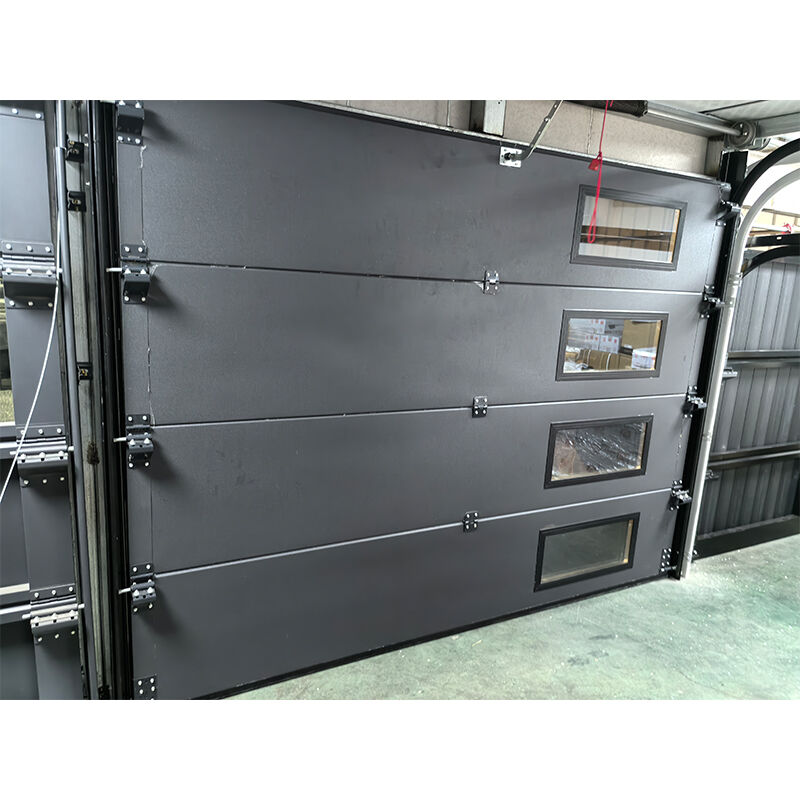
Modern warehouse operations demand advanced safety systems that protect both personnel and valuable inventory from fire hazards. A fire rated roller door represents one of the most critical safety investments for warehouse facilities, providing essential compartmentalization and emergency egress capabilities. These specialized doors combine the operational efficiency of traditional roller doors with advanced fire resistance properties, making them indispensable for industrial storage environments where rapid response to fire emergencies can mean the difference between minor damage and catastrophic loss.
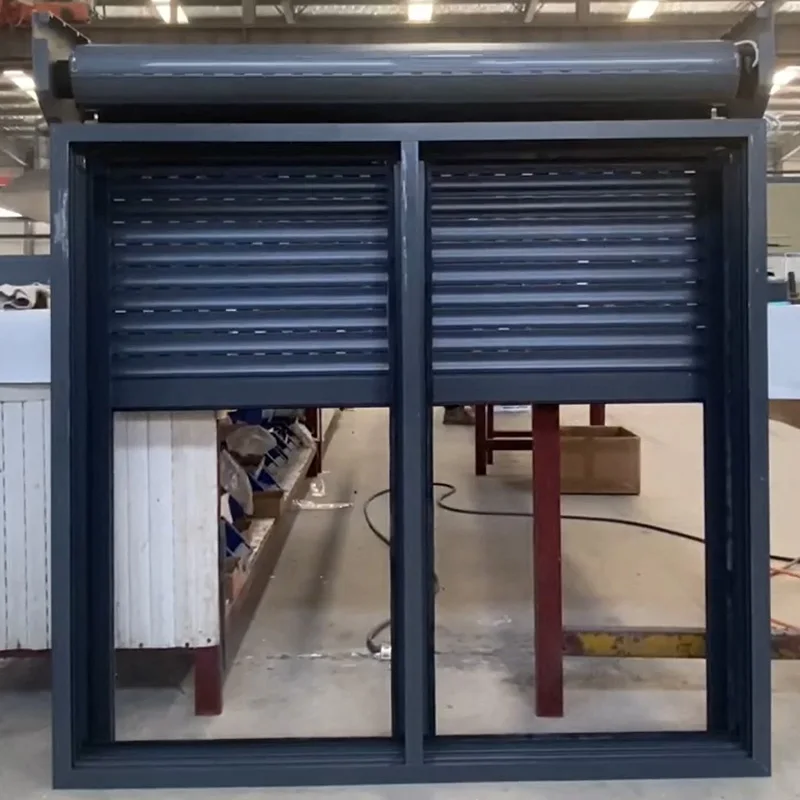
Warehouse managers increasingly recognize that implementing comprehensive fire safety measures requires more than basic sprinkler systems and smoke detectors. The integration of fire resistant barriers, particularly at strategic access points, creates essential fire compartments that prevent rapid flame spread throughout large storage areas. When properly installed and maintained, these doors provide reliable protection while maintaining the operational flexibility that modern logistics operations require.
Primary Safety Applications in Warehouse Environments
Compartmentalization and Fire Containment
The primary function of a fire rated roller door in warehouse applications centers on creating effective fire compartments that limit flame spread and smoke migration. These doors serve as critical barriers between different warehouse sections, preventing small fires from escalating into facility-wide emergencies. The compartmentalization strategy proves particularly valuable in large distribution centers where automated storage systems and high-value inventory concentrate in specific zones.
Installation at strategic locations, such as between storage areas and shipping docks, creates natural fire breaks that emergency responders can utilize during evacuation and suppression activities. The rapid closing mechanism ensures that even when warehouse personnel are not immediately present, the door can activate automatically through integration with fire alarm systems, providing immediate containment capabilities.
Modern warehouse designs often incorporate multiple fire compartments connected by these specialized doors, allowing normal operations to continue in unaffected areas while containing emergencies to specific zones. This approach minimizes business disruption and reduces the overall risk exposure for warehouse operations handling diverse product categories with varying fire risk profiles.
Emergency Egress and Access Control
Beyond containment functions, fire rated roller doors provide essential emergency egress capabilities for warehouse personnel. These doors feature specialized opening mechanisms that allow rapid evacuation even during power outages or system failures. The manual override systems ensure that emergency responders can access affected areas quickly while maintaining the door's fire resistance integrity.
The integration of emergency access features with existing warehouse security systems creates comprehensive protection that addresses both safety and security concerns. Personnel can exit rapidly through designated emergency routes while preventing unauthorized access during non-emergency conditions. This dual functionality proves particularly valuable in high-security warehouse environments where access control remains essential even during emergency situations.
Advanced designs incorporate fail-safe mechanisms that automatically unlock emergency exits while maintaining fire barrier integrity, ensuring compliance with occupational safety regulations while providing the operational flexibility that warehouse managers require for efficient daily operations.
Integration with Warehouse Fire Safety Systems
Automated Fire Detection and Response
Modern warehouse fire safety relies heavily on integrated systems that coordinate detection, suppression, and containment activities. A fire rated roller door serves as a crucial component in these integrated systems, responding automatically to fire alarm signals and coordinating with sprinkler systems to optimize suppression effectiveness.
The automatic closing capability ensures immediate response to detected fire conditions, even when warehouse facilities operate with minimal staffing during off-hours. Integration with building management systems allows remote monitoring and control, enabling facility managers to track door status and ensure proper operation during routine maintenance and emergency situations.
Advanced sensor integration provides real-time feedback on door position, fire resistance integrity, and system operational status. This continuous monitoring capability enables predictive maintenance scheduling and ensures compliance with fire safety regulations that require regular testing and verification of fire barrier effectiveness.
Coordination with Suppression Systems
The effectiveness of warehouse fire suppression systems depends significantly on proper coordination with fire containment barriers. These specialized doors work in conjunction with sprinkler systems, foam suppression equipment, and gas suppression systems to optimize fire control effectiveness. The coordinated response ensures that suppression agents remain concentrated in affected areas rather than dispersing throughout the entire warehouse facility.
Timing coordination between door closure and suppression system activation proves critical for maximizing effectiveness while minimizing water damage to unaffected inventory areas. Modern control systems manage these complex interactions automatically, ensuring optimal response timing based on fire detection input and predetermined response protocols.
The integration capabilities extend to smoke management systems that rely on compartmentalization to direct smoke away from evacuation routes and toward exhaust systems. This coordinated approach improves visibility conditions for emergency responders while reducing smoke damage to inventory and equipment in unaffected warehouse areas.
Operational Benefits for Warehouse Management
Inventory Protection and Loss Prevention
Warehouse operations involve significant inventory investments that require comprehensive protection strategies. Fire rated roller doors provide essential barrier protection that limits fire damage to specific storage areas, preventing total facility losses that could result from uncontrolled fire spread. This protection proves particularly valuable for warehouses storing high-value electronics, pharmaceuticals, or other products vulnerable to fire and smoke damage.
The compartmentalization approach enables warehouse managers to implement risk-based storage strategies that concentrate high-risk products in areas with enhanced fire protection. This strategic approach reduces insurance costs while providing additional protection for the most valuable inventory items through multiple layers of fire resistance barriers.
Insurance benefits associated with comprehensive fire protection systems often offset installation costs over time, while providing enhanced business continuity protection that maintains customer service levels even after fire incidents affecting limited warehouse areas. The documented fire resistance capabilities support favorable insurance evaluations and reduced premium costs for warehouse operations.
Compliance with Industrial Safety Standards
Warehouse facilities must comply with extensive fire safety regulations that vary based on building size, occupancy levels, and stored product characteristics. Fire rated roller doors help achieve compliance with National Fire Protection Association standards and local building codes that require specific fire resistance ratings for different warehouse applications. The documented performance characteristics provide clear evidence of compliance during safety inspections and insurance evaluations.
Regular compliance verification requires testing and maintenance protocols that ensure continued fire resistance performance throughout the door's service life. Professional installation and maintenance services provide documentation that supports ongoing compliance requirements while ensuring optimal performance during emergency conditions.
The standardized testing and certification processes for these doors provide warehouse managers with reliable performance data that supports risk management decisions and compliance documentation requirements. This standardization simplifies specification and procurement processes while ensuring consistent fire protection performance across multiple warehouse locations.
Installation and Maintenance Considerations
Professional Installation Requirements
Proper installation of fire rated roller doors requires specialized expertise and adherence to manufacturer specifications to ensure rated fire resistance performance. Professional installation teams understand the critical importance of maintaining fire resistance integrity throughout the installation process, including proper sealing, hardware attachment, and integration with building fire safety systems.
The installation process must account for warehouse-specific requirements such as high-frequency operation, exposure to material handling equipment, and integration with existing safety systems. Professional installers coordinate with warehouse operations teams to minimize disruption during installation while ensuring compliance with all applicable safety standards and building codes.
Quality installation practices include comprehensive testing and commissioning procedures that verify proper operation and fire resistance performance before final acceptance. This testing ensures that the installed system meets design specifications and provides the expected level of fire protection for warehouse operations.
Ongoing Maintenance and Testing Protocols
Maintaining fire rated roller door performance requires regular inspection and maintenance protocols that address both mechanical operation and fire resistance integrity. These maintenance programs must balance operational availability requirements with the need for thorough testing and component replacement to ensure continued fire protection effectiveness.
Scheduled maintenance activities include lubrication of operating mechanisms, inspection of fire resistance seals, testing of automatic closing systems, and verification of integration with fire alarm systems. Professional maintenance services provide documentation that supports insurance requirements and regulatory compliance while preventing operational failures during emergency conditions.
The maintenance program should include periodic fire resistance testing to verify continued performance within rated parameters. This testing ensures that normal wear and operational stress do not compromise the door's fire protection capabilities, maintaining the intended level of warehouse fire safety protection throughout the equipment's service life.
Advanced Features for Modern Warehouse Operations
Smart Technology Integration
Contemporary warehouse operations increasingly rely on smart technology integration to optimize safety and operational efficiency. Modern fire rated roller doors incorporate advanced monitoring systems that provide real-time status information and predictive maintenance alerts through integration with warehouse management systems and building automation platforms.
Remote monitoring capabilities enable facility managers to track door operation from central control rooms while receiving immediate alerts about system malfunctions or maintenance requirements. This connectivity supports proactive maintenance scheduling and ensures rapid response to operational issues that could compromise fire safety protection.
Integration with warehouse management systems enables coordinated responses that account for current inventory locations, personnel presence, and ongoing operations when fire emergencies occur. This intelligent integration optimizes emergency response procedures while maintaining operational efficiency during normal warehouse activities.
Customization for Specific Warehouse Applications
Different warehouse operations require customized fire protection approaches based on stored product characteristics, facility layout, and operational requirements. Fire rated roller doors offer extensive customization options that address specific warehouse applications while maintaining certified fire resistance performance.
Customization options include specialized coatings for chemical resistance, enhanced security features for high-value storage areas, and modified operating mechanisms that accommodate frequent use in high-traffic warehouse zones. These customizations ensure optimal performance in challenging warehouse environments while maintaining essential fire protection capabilities.
The customization process requires careful coordination between warehouse operations teams, fire safety professionals, and door manufacturers to ensure that modified designs maintain required fire resistance ratings while providing enhanced functionality for specific warehouse applications. This collaborative approach ensures optimal fire protection performance for diverse warehouse operations.
Cost-Effectiveness and Return on Investment
Insurance Premium Reductions
Implementing comprehensive fire protection systems that include fire rated roller doors typically results in significant insurance premium reductions for warehouse operations. Insurance providers recognize the risk reduction benefits of proper fire compartmentalization and offer favorable rates for facilities with documented fire protection systems that exceed minimum code requirements.
The insurance benefits often extend beyond premium reductions to include enhanced coverage options and reduced deductibles for fire-related claims. These financial benefits accumulate over time, helping offset initial installation costs while providing ongoing operational cost advantages for warehouse facilities with comprehensive fire protection systems.
Documentation of fire protection system performance and maintenance history supports favorable insurance evaluations and claim settlements. Regular maintenance and testing records demonstrate proactive risk management that insurance providers value when assessing coverage options and premium rates for warehouse operations.
Business Continuity Protection
The business continuity benefits of fire rated roller doors extend far beyond immediate fire protection to include maintaining customer service levels and operational capability during and after fire incidents. Compartmentalization strategies enable partial warehouse operations to continue in unaffected areas while recovery activities proceed in damaged sections.
This operational flexibility proves particularly valuable for warehouses serving critical supply chain functions where extended downtime could result in significant customer service disruptions and competitive disadvantages. The ability to maintain partial operations during recovery significantly reduces the total business impact of fire incidents.
Long-term business continuity planning benefits from fire rated roller door installations that support flexible warehouse operations and enable rapid recovery from fire incidents. These strategic investments in fire protection infrastructure support sustainable business growth while providing essential protection for warehouse operations and stored inventory.
FAQ
How long can a fire rated roller door withstand fire exposure in warehouse applications
Fire rated roller doors for warehouse applications typically provide fire resistance ratings ranging from 30 minutes to 3 hours, depending on the specific model and installation requirements. The rating indicates how long the door can withstand standard fire test conditions while maintaining structural integrity and preventing flame passage. Most warehouse applications utilize doors with 60 to 120-minute ratings, which provide sufficient time for emergency response and evacuation procedures while containing fire spread to specific warehouse areas.
What maintenance schedule is recommended for fire rated roller doors in warehouse environments
Warehouse fire rated roller doors require monthly visual inspections, quarterly operational testing, and annual comprehensive maintenance by certified technicians. The maintenance schedule should include lubrication of mechanical components, testing of automatic closing mechanisms, verification of fire alarm system integration, and inspection of fire resistance seals. High-use warehouse applications may require more frequent maintenance intervals to ensure continued reliable operation and fire protection performance.
Can fire rated roller doors be integrated with existing warehouse security systems
Modern fire rated roller doors offer extensive integration capabilities with warehouse security systems, building management platforms, and fire alarm systems. The integration enables coordinated responses that maintain security protocols while ensuring proper emergency operation during fire conditions. Access control systems can be programmed to override security restrictions during fire emergencies while maintaining fire barrier integrity and enabling rapid emergency response by qualified personnel.
What size limitations apply to fire rated roller doors for warehouse installations
Fire rated roller doors for warehouse applications are available in sizes up to 20 feet wide and 16 feet high, though specific size limitations vary based on fire rating requirements and manufacturer specifications. Larger openings may require multiple doors or specialized designs to maintain fire resistance performance. Warehouse applications requiring larger openings should consult with fire protection engineers to determine optimal door sizing and configuration for specific facility requirements and fire safety objectives.
Table of Contents
- Primary Safety Applications in Warehouse Environments
- Integration with Warehouse Fire Safety Systems
- Operational Benefits for Warehouse Management
- Installation and Maintenance Considerations
- Advanced Features for Modern Warehouse Operations
- Cost-Effectiveness and Return on Investment
-
FAQ
- How long can a fire rated roller door withstand fire exposure in warehouse applications
- What maintenance schedule is recommended for fire rated roller doors in warehouse environments
- Can fire rated roller doors be integrated with existing warehouse security systems
- What size limitations apply to fire rated roller doors for warehouse installations