 EN
EN

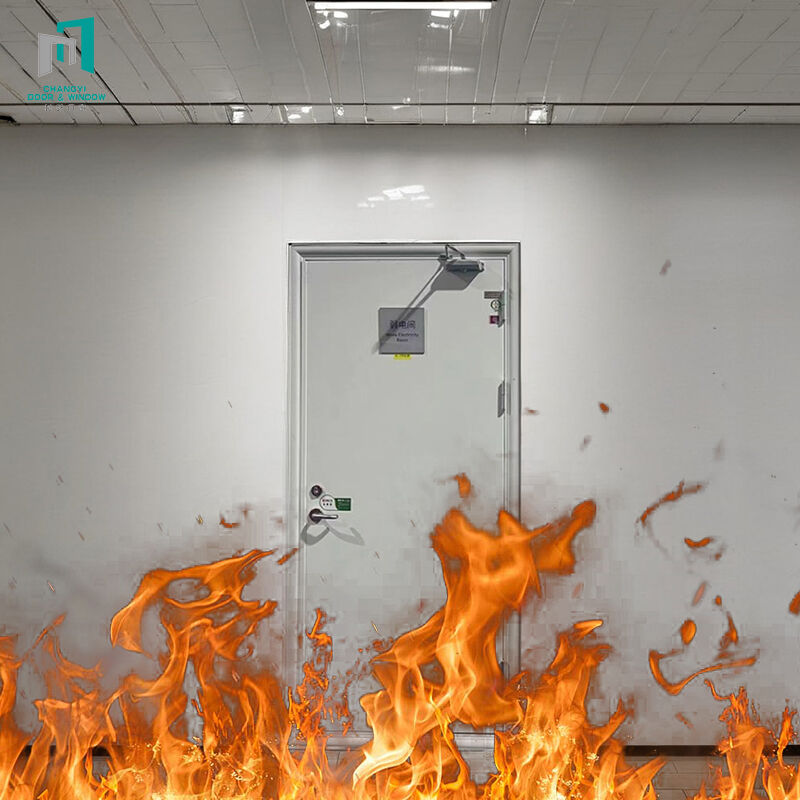
Industrial and commercial facilities face numerous security challenges that require robust protective solutions. Among the most critical components of building safety infrastructure, fire rated roller doors provide essential protection against both security breaches and fire hazards. These specialized barrier systems combine the convenience of automated access control with the critical safety features required for emergency situations and regulatory compliance.
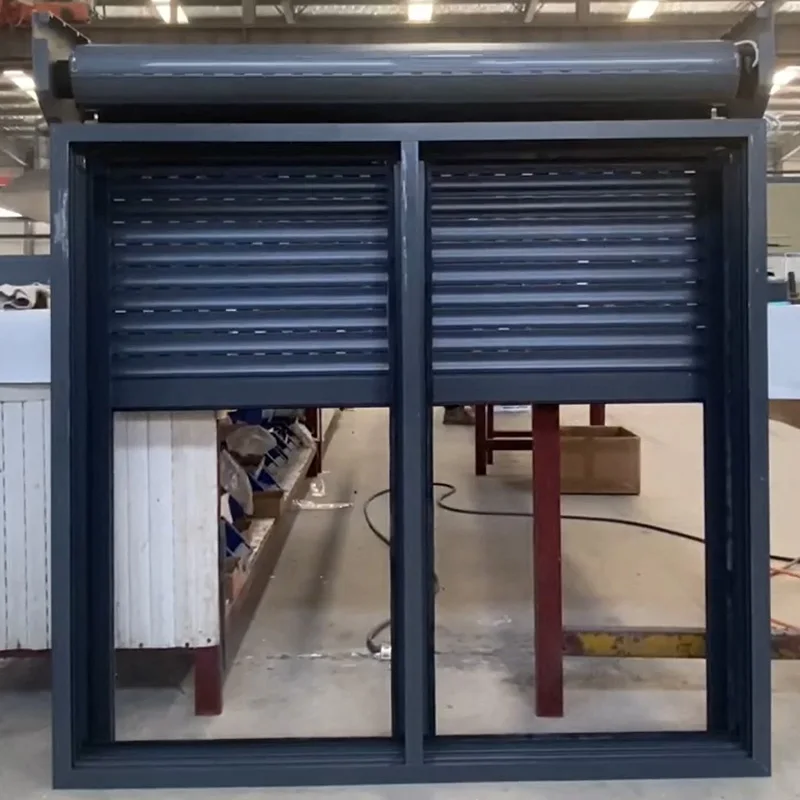
Modern industrial environments demand solutions that balance operational efficiency with comprehensive safety measures. Fire rated roller doors have emerged as the preferred choice for businesses seeking to protect valuable assets while maintaining smooth daily operations. These systems incorporate advanced materials and engineering principles to withstand extreme temperatures while providing reliable access control for personnel and equipment.
The implementation of fire rated roller doors significantly enhances facility security while ensuring compliance with stringent building codes and safety regulations. Understanding the features, applications, and benefits of these systems enables facility managers to make informed decisions about their security infrastructure investments.
Engineering Excellence in Fire Rated Roller Door Systems
Advanced Material Composition and Construction
The foundation of any effective fire rated roller door lies in its sophisticated material engineering. These systems utilize specially formulated steel alloys and composite materials that maintain structural integrity under extreme heat conditions. The curtain sections feature interlocking designs with thermal barriers that prevent heat transfer while maintaining flexibility during normal operation.
Manufacturing processes for fire rated roller doors incorporate precision welding techniques and quality control measures that ensure consistent performance across varying environmental conditions. The galvanized steel construction provides superior corrosion resistance while maintaining the fire resistance properties essential for safety compliance.
Insulation components within fire rated roller door assemblies utilize advanced mineral wool and ceramic fiber materials that expand under heat exposure to create additional thermal barriers. This multi-layered approach ensures that the system maintains its protective capabilities even during prolonged exposure to high temperatures.
Operational Mechanisms and Control Systems
Modern fire rated roller doors integrate sophisticated control mechanisms that balance automated convenience with emergency safety protocols. The motorized systems feature thermal shutdown capabilities that activate during fire conditions, ensuring the door remains in position to maintain fire compartmentalization.
Safety sensors and monitoring systems continuously assess environmental conditions and door positioning to prevent operational conflicts during emergency situations. These intelligent control systems can interface with building management platforms to provide comprehensive facility oversight and automated emergency response coordination.
Manual override capabilities ensure that fire rated roller doors remain accessible during power failures or system malfunctions. The mechanical backup systems utilize spring-assisted mechanisms that enable personnel to operate the door manually while maintaining the fire rating integrity of the installation.
Applications Across Industrial and Commercial Sectors
Manufacturing and Warehouse Facilities
Manufacturing environments present unique challenges that make fire rated roller doors essential for comprehensive facility protection. These installations serve as critical barriers between production areas and storage zones, preventing the spread of fires while maintaining efficient material flow during normal operations.
Warehouse facilities benefit significantly from fire rated roller door installations that compartmentalize storage areas based on material classifications and fire risk assessments. The rapid operation capabilities ensure minimal disruption to logistics operations while providing immediate protection when emergency conditions arise.
Chemical processing and manufacturing facilities rely on fire rated roller door systems to isolate hazardous material storage areas and processing equipment from general facility areas. These specialized applications often require customized solutions that address specific chemical compatibility and environmental exposure requirements.
Commercial and Retail Environments
Shopping centers and retail complexes utilize fire rated roller doors to create secure fire compartments that protect both merchandise and customer areas. These installations enable flexible space utilization while ensuring compliance with occupancy safety regulations and emergency evacuation protocols.
Restaurant and food service facilities benefit from fire rated roller doors that isolate kitchen areas from dining spaces, providing essential protection against cooking-related fire hazards while maintaining operational efficiency during service periods.
Office buildings and commercial complexes implement fire rated roller doors in parking garages and mechanical areas to prevent fire spread between building sections. These applications require systems that integrate seamlessly with architectural designs while providing robust fire protection capabilities.
Technical Specifications and Performance Standards
Fire Rating Classifications and Testing Protocols
Fire rated roller door systems undergo rigorous testing procedures to achieve certified performance ratings that meet international safety standards. The classification system typically ranges from 30-minute to 4-hour fire ratings, depending on the specific application requirements and building code specifications.
Testing protocols evaluate multiple performance criteria including temperature resistance, structural integrity under load conditions, and smoke containment capabilities. These comprehensive assessments ensure that fire rated roller doors maintain their protective functions throughout the entire rated time period.
Certification processes require regular inspection and maintenance protocols to maintain the fire rating validity. Documentation requirements ensure that installations remain compliant with evolving safety regulations and insurance requirements throughout the system lifecycle.
Installation and Integration Requirements
Proper installation of fire rated roller doors requires specialized expertise and adherence to manufacturer specifications to maintain system certification. The structural support requirements often necessitate reinforcement of building frameworks to accommodate the weight and operational stresses of these robust systems.
Integration with existing fire suppression systems requires careful coordination to ensure compatibility between detection sensors, alarm systems, and door control mechanisms. The timing sequences must be calibrated to optimize both fire protection and safe evacuation procedures.
Electrical system integration involves sophisticated wiring configurations that maintain functionality during emergency conditions while providing fail-safe operation modes. Backup power systems ensure continued operation during utility interruptions that often accompany fire emergency situations.
Maintenance and Operational Considerations
Preventive Maintenance Protocols
Effective maintenance programs for fire rated roller doors incorporate regular inspection schedules that address both mechanical components and fire protection elements. These comprehensive protocols ensure optimal performance while maintaining certification compliance and extending system lifespan.
Lubrication schedules and component replacement intervals require careful attention to manufacturer specifications to prevent premature wear that could compromise fire rating performance. The use of approved materials and components is essential for maintaining system certification and warranty coverage.
Documentation requirements for fire rated roller door maintenance include detailed records of all service activities, component replacements, and performance testing results. These records serve as essential evidence of compliance during building inspections and insurance evaluations.
Troubleshooting and Emergency Procedures
Emergency response procedures for fire rated roller door systems require specialized training for facility personnel to ensure proper operation during crisis situations. The manual override procedures must be clearly understood and regularly practiced to maintain readiness for emergency conditions.
Common troubleshooting scenarios include sensor malfunctions, power supply interruptions, and mechanical component failures that require immediate attention to maintain fire protection capabilities. Emergency repair procedures often involve temporary protective measures while permanent repairs are completed.
Coordination with emergency responders requires clear communication protocols and access procedures that enable fire department personnel to operate or bypass fire rated roller doors when necessary for emergency access or ventilation requirements.
Economic Benefits and Return on Investment
Insurance and Risk Management Advantages
Investment in fire rated roller door systems often results in significant insurance premium reductions due to improved risk profiles and enhanced fire protection capabilities. Insurance providers recognize the value of these systems in minimizing potential losses and reducing liability exposure.
Risk assessment improvements from fire rated roller door installations extend beyond fire protection to include security enhancements and operational efficiency gains. The comprehensive protection capabilities contribute to overall facility risk reduction and business continuity planning.
Property value enhancements from fire rated roller door installations provide long-term financial benefits that often exceed the initial investment costs. These improvements make facilities more attractive to potential buyers or tenants while demonstrating commitment to safety and regulatory compliance.
Operational Efficiency and Cost Savings
Energy efficiency benefits from properly installed fire rated roller doors include improved thermal insulation and reduced heating and cooling costs. The tight sealing capabilities minimize air infiltration while maintaining the fire protection properties essential for safety compliance.
Reduced maintenance requirements compared to alternative fire protection systems provide ongoing cost savings throughout the system lifecycle. The durable construction and reliable operation minimize disruption to facility operations while maintaining consistent protection levels.
Labor cost reductions result from automated operation capabilities that eliminate the need for manual barrier deployment during shift changes or security procedures. The efficient operation enables personnel to focus on core business activities while maintaining comprehensive facility protection.
Future Innovations and Technology Integration
Smart Technology Integration
Emerging smart technology applications for fire rated roller doors include IoT connectivity that enables remote monitoring and predictive maintenance capabilities. These advanced systems provide real-time performance data and alert notifications that enhance operational reliability and safety compliance.
Artificial intelligence integration offers sophisticated threat detection and response coordination that optimizes fire rated roller door operation during emergency situations. Machine learning algorithms can analyze facility usage patterns and environmental conditions to improve system responsiveness and efficiency.
Mobile device integration enables facility managers to monitor and control fire rated roller door systems from remote locations while receiving instant notifications about system status or emergency conditions. These capabilities enhance management oversight and emergency response coordination.
Sustainable Design and Environmental Considerations
Environmental sustainability initiatives are driving innovations in fire rated roller door materials and manufacturing processes that reduce environmental impact while maintaining superior performance characteristics. Recyclable materials and energy-efficient operation contribute to green building certification requirements.
Advanced coatings and surface treatments extend system lifespan while reducing maintenance requirements and environmental impact from replacement activities. These innovations support corporate sustainability goals while providing enhanced protection capabilities.
Energy recovery systems integrated with fire rated roller door operations capture and utilize thermal energy that would otherwise be lost during heating and cooling cycles. These efficiency improvements contribute to overall facility energy management objectives while maintaining fire protection requirements.
FAQ
What is the typical lifespan of a fire rated roller door system
A properly maintained fire rated roller door system typically operates effectively for 15 to 25 years, depending on usage frequency and environmental conditions. Regular maintenance and component replacement according to manufacturer specifications can extend this lifespan significantly while maintaining fire rating certification throughout the operational period.
How often should fire rated roller doors undergo professional inspection
Fire rated roller door systems require professional inspection at least annually to maintain certification compliance, with additional inspections recommended every six months for high-usage installations. Emergency situations or suspected damage may necessitate immediate professional evaluation to ensure continued fire protection capabilities and regulatory compliance.
Can fire rated roller doors be customized for specific architectural requirements
Yes, fire rated roller door systems can be extensively customized to meet specific architectural and functional requirements while maintaining their fire rating certification. Customization options include size variations, color selections, integration with building management systems, and specialized mounting configurations that accommodate unique structural constraints.
What backup power options are available for fire rated roller doors during emergencies
Fire rated roller door systems can incorporate various backup power solutions including battery backup systems, generator connections, and manual override mechanisms. These backup options ensure continued operation during power outages and provide fail-safe positioning during fire emergencies to maintain compartmentalization and life safety requirements.
Table of Contents
- Engineering Excellence in Fire Rated Roller Door Systems
- Applications Across Industrial and Commercial Sectors
- Technical Specifications and Performance Standards
- Maintenance and Operational Considerations
- Economic Benefits and Return on Investment
- Future Innovations and Technology Integration
-
FAQ
- What is the typical lifespan of a fire rated roller door system
- How often should fire rated roller doors undergo professional inspection
- Can fire rated roller doors be customized for specific architectural requirements
- What backup power options are available for fire rated roller doors during emergencies