 EN
EN

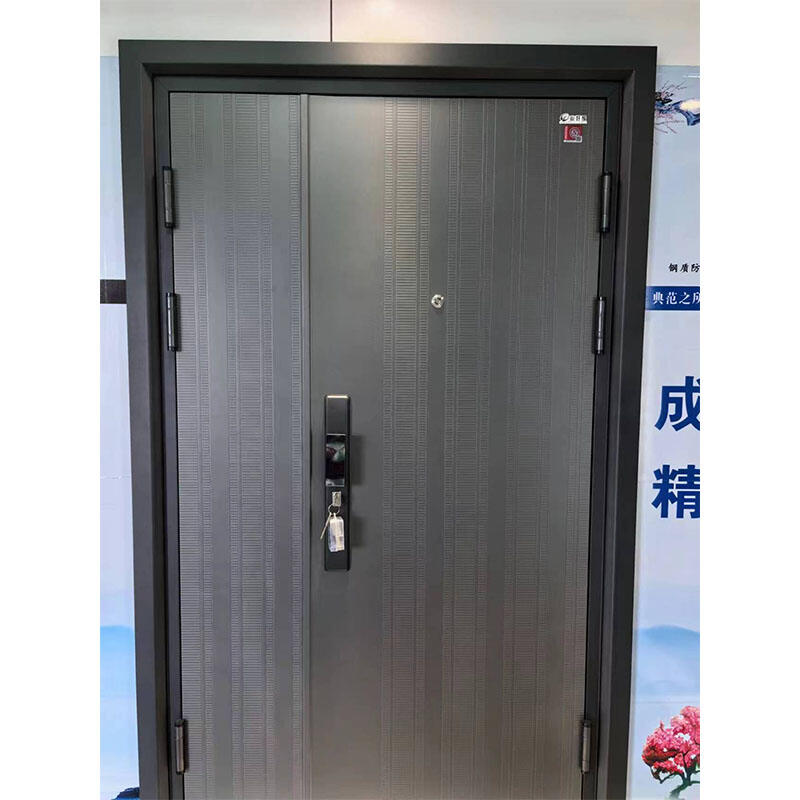
Modern homeowners increasingly prioritize acoustic comfort in their living spaces, particularly in bedrooms where peaceful rest is essential. The selection of appropriate door materials plays a crucial role in achieving optimal sound insulation, with WPC door solutions emerging as a preferred choice for noise reduction applications. Wood-plastic composite doors combine the aesthetic appeal of traditional wood with advanced engineering properties that significantly enhance acoustic performance in residential environments.
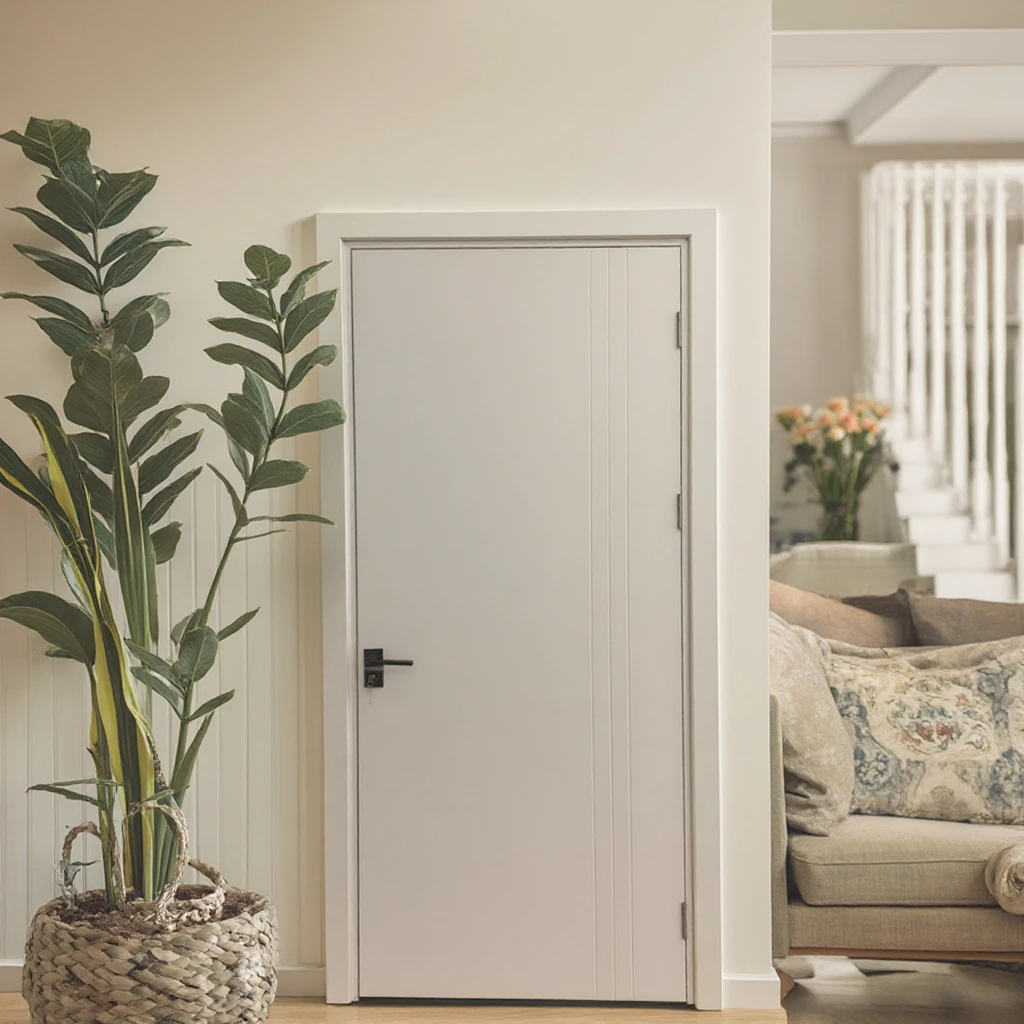
Understanding the acoustic characteristics of different door materials is fundamental for creating quiet, comfortable bedroom spaces. WPC door technology offers superior sound dampening capabilities compared to conventional hollow-core doors, making them an excellent investment for noise-sensitive environments. The unique composite structure of these doors provides multiple layers of sound absorption, effectively reducing the transmission of unwanted noise from adjacent rooms, hallways, and external sources.
The growing demand for effective sound insulation solutions has led to significant advancements in WPC door manufacturing techniques. These innovations focus on optimizing the internal structure and density of the composite materials to maximize acoustic performance while maintaining durability and aesthetic appeal. Professional acoustic testing demonstrates that properly installed WPC door systems can achieve substantial noise reduction ratings, making them suitable for both residential and commercial applications where sound control is paramount.
Understanding WPC Door Composition and Acoustic Benefits
Material Structure and Density Characteristics
The exceptional sound insulation properties of WPC door products stem from their unique composite construction, which combines wood fibers with thermoplastic polymers in a carefully controlled manufacturing process. This combination creates a dense, uniform material structure that effectively absorbs and dampens sound waves across a wide frequency range. The polymer matrix fills microscopic gaps between wood fibers, eliminating air pockets that could otherwise allow sound transmission through the door panel.
Modern WPC door manufacturing processes utilize advanced extrusion techniques to achieve consistent material density throughout the door structure. This uniformity is critical for acoustic performance, as variations in density can create weak points where sound transmission increases significantly. The resulting composite material typically exhibits density levels ranging from 0.9 to 1.4 grams per cubic centimeter, providing substantial mass that contributes to superior sound blocking capabilities compared to traditional hollow-core alternatives.
The cellular structure of WPC door materials also plays a vital role in acoustic performance, with microscopic air pockets within the composite matrix serving as sound absorption chambers. These internal voids are strategically sized and distributed to maximize noise reduction while maintaining structural integrity and weight optimization. Professional acoustic engineers recognize this balanced approach as essential for achieving optimal sound insulation without compromising door functionality or installation requirements.
Thermal and Acoustic Synergy
One remarkable advantage of WPC door systems is the synergistic relationship between thermal insulation and acoustic performance, as both properties benefit from the same fundamental material characteristics. The low thermal conductivity of the wood-plastic composite structure creates an effective barrier against heat transfer, while simultaneously providing enhanced sound dampening capabilities. This dual functionality makes WPC door installations particularly valuable in energy-efficient building designs where both thermal and acoustic comfort are priorities.
The polymer components in WPC door construction exhibit excellent vibration dampening characteristics, which significantly reduce the transmission of impact noise and airborne sound waves. When sound energy encounters the composite surface, the polymer matrix converts acoustic vibrations into minimal heat energy through internal friction, effectively dissipating the sound before it can pass through the door structure. This mechanism is particularly effective for reducing low-frequency noise that traditionally challenges conventional door materials.
Research conducted by acoustic engineering firms demonstrates that the multi-layered nature of WPC door construction creates multiple impedance mismatches that reflect and absorb sound energy at different frequencies. This broad-spectrum acoustic performance ensures effective noise reduction across the full range of common household sounds, from conversation and television audio to mechanical equipment noise and external traffic sounds.
Installation Factors Affecting Sound Insulation Performance
Proper Sealing and Weatherstripping
The acoustic performance of any WPC door system depends heavily on proper installation techniques, particularly regarding perimeter sealing and weatherstripping applications. Even the highest-quality composite door will fail to provide adequate sound insulation if gaps exist around the door frame, as these openings create direct paths for sound transmission. Professional installers emphasize the importance of continuous, compression-type weatherstripping that maintains consistent contact with the door surface throughout the full range of thermal expansion and contraction.
Advanced weatherstripping systems designed specifically for acoustic applications utilize specialized materials such as EPDM rubber or silicone compounds that maintain their sealing properties over extended periods. These materials resist compression set and environmental degradation while providing superior acoustic sealing compared to standard foam or felt weatherstripping options. The selection and installation of appropriate weatherstripping can improve the overall sound insulation rating of a WPC door system by 5-10 decibels, representing a significant enhancement in acoustic comfort.
Door sweep installation at the bottom threshold represents another critical factor in achieving optimal sound insulation performance. WPC door systems benefit from adjustable sweep mechanisms that can accommodate minor floor irregularities while maintaining consistent contact pressure. The sweep material should complement the door's acoustic properties, with dense rubber or brush-type sweeps typically providing the best combination of sealing effectiveness and operational convenience.
Frame Construction and Mounting Considerations
The door frame construction and mounting method significantly influence the overall acoustic performance of WPC door installations, as vibrations can transmit through structural connections between the door system and building framework. Acoustic isolation techniques, such as resilient mounting systems or gasket materials between the frame and wall structure, help prevent sound flanking paths that could compromise the door's sound insulation effectiveness. These isolation methods are particularly important in multi-family residential buildings where noise transmission between units must be minimized.
Professional installation standards for WPC door systems in acoustic applications recommend the use of solid wood or composite frames rather than hollow metal alternatives, as these materials provide better impedance matching with the door panel and reduce resonance effects. The frame-to-wall connection should incorporate acoustic sealants or gaskets that maintain their sealing properties under thermal cycling and structural settlement. Proper frame installation also ensures that the door panel operates smoothly without binding or gaps that could degrade acoustic performance over time.
Wall construction details around the door frame opening can significantly impact the overall sound insulation effectiveness of WPC door installations. Acoustic engineers recommend extending sound insulation materials into the door frame cavity and ensuring that any penetrations for hardware or utilities are properly sealed with acoustic caulking compounds. The integration of the door system with the surrounding wall assembly requires careful attention to acoustic bridging prevention and continuous barrier integrity.
Performance Testing and Sound Reduction Ratings
Laboratory Testing Protocols
Professional acoustic testing of WPC door systems follows standardized protocols established by organizations such as ASTM International and the International Organization for Standardization to ensure consistent and reliable performance ratings. These testing procedures measure the Sound Transmission Class rating, which quantifies the door's ability to reduce sound transmission across a standardized frequency range from 125 to 4000 Hz. Laboratory testing facilities utilize specialized acoustic chambers with controlled environmental conditions to eliminate external variables that could affect measurement accuracy.
The testing process involves mounting the WPC door sample in a standardized wall assembly with carefully controlled installation parameters, including weatherstripping specifications and frame construction details. Sound sources generate precise acoustic signals at various frequencies and intensities, while sensitive measurement equipment records the sound levels on both sides of the door assembly. The resulting data undergoes mathematical analysis to produce standardized ratings that allow direct comparison between different door products and installation configurations.
Recent laboratory testing of WPC door systems has demonstrated consistently high performance ratings, with many products achieving STC ratings in the range of 35-45, representing excellent sound insulation capabilities for residential applications. These ratings indicate that properly installed WPC door systems can reduce normal conversation levels by 20-25 decibels, effectively transforming clearly audible speech into barely perceptible background noise. Such performance levels meet or exceed the acoustic privacy requirements for most bedroom applications in residential buildings.
Real-World Performance Validation
While laboratory testing provides valuable standardized performance data, real-world acoustic performance of WPC door installations can vary based on construction details, installation quality, and surrounding building characteristics. Field testing conducted in actual residential environments has confirmed that properly installed WPC door systems consistently deliver acoustic performance that closely matches laboratory test results when installation guidelines are followed precisely. This correlation between laboratory and field performance demonstrates the reliability of WPC door technology for practical noise control applications.
Long-term performance monitoring of WPC door installations has revealed excellent acoustic stability over time, with minimal degradation in sound insulation properties even after years of regular operation. The composite material structure resists warping, cracking, and other dimensional changes that could create gaps or reduce sealing effectiveness in conventional door materials. This durability advantage ensures that the initial acoustic performance investment continues to provide value throughout the door's service life.
Comparative field studies examining the acoustic performance of WPC door systems versus traditional wood and hollow-core alternatives have consistently demonstrated the superior noise reduction capabilities of composite construction. These studies measure actual noise reduction in occupied residential spaces, providing practical validation of the acoustic benefits that homeowners can expect from WPC door installations in bedroom and other noise-sensitive applications.
Bedroom-Specific Acoustic Considerations
Sleep Quality and Noise Sensitivity
The bedroom environment presents unique acoustic challenges that make the selection of appropriate door materials particularly critical for occupant comfort and health. Research in sleep science has established clear connections between nighttime noise exposure and sleep quality degradation, with even moderate sound levels capable of causing sleep fragmentation and reduced restoration. WPC door systems address these concerns by providing consistent sound barrier performance that maintains bedroom acoustics within optimal ranges for restorative sleep.
Bedroom acoustics must account for both airborne noise transmission from adjacent spaces and impact noise from activities such as footsteps in hallways or closing of nearby doors. The composite structure of WPC door materials excels at attenuating both types of noise, with the dense polymer matrix effectively dampening vibrations while the wood fiber component absorbs airborne sound energy. This dual-mode noise reduction capability makes WPC door installations particularly effective in multi-story residential buildings where impact noise transmission through structural elements is common.
Sleep researchers recommend maintaining bedroom noise levels below 30 decibels during nighttime hours to ensure optimal sleep quality, which requires effective acoustic barriers at all potential sound transmission paths. WPC door systems, when properly installed with appropriate weatherstripping and sealing, can reduce typical household noise levels from 50-60 decibels to the recommended range, creating acoustic conditions that support healthy sleep patterns and overall wellbeing.
Frequency-Specific Performance Benefits
The acoustic performance of WPC door systems demonstrates particular effectiveness across the frequency ranges most relevant to bedroom noise control applications. Low-frequency noise from mechanical equipment, traffic, and structural vibrations presents special challenges for conventional door materials, as these longer wavelengths can more easily penetrate lightweight barriers. The mass and density characteristics of WPC door construction provide enhanced low-frequency attenuation compared to hollow-core alternatives, making them especially valuable for bedrooms located near mechanical rooms or high-traffic areas.
Mid-frequency noise, including human speech and television audio, represents the most common source of bedroom acoustic disturbance in residential environments. WPC door materials exhibit excellent attenuation characteristics in the 500-2000 Hz range, where most conversational energy occurs, effectively reducing the intelligibility and perceived loudness of speech transmission through the door barrier. This performance characteristic is particularly beneficial for maintaining privacy and quiet in master bedroom suites adjacent to common areas or other occupied spaces.
High-frequency noise components, such as those generated by electronic devices, plumbing fixtures, and ventilation systems, are effectively controlled by the surface characteristics and internal structure of WPC door materials. The polymer components in the composite matrix provide excellent damping of high-frequency vibrations, while the textured surface created by wood fiber integration helps scatter and absorb high-frequency sound energy that contacts the door surface.
Maintenance and Long-Term Acoustic Performance
Preserving Sound Insulation Properties
The long-term acoustic performance of WPC door installations depends on maintaining the integrity of both the door material and the surrounding sealing systems through appropriate maintenance procedures. Unlike traditional wood doors that may warp, crack, or develop gaps over time, WPC door materials exhibit excellent dimensional stability that preserves acoustic performance throughout their service life. Regular inspection and maintenance of weatherstripping and door sweep systems ensures that the acoustic seal remains effective as these components experience normal wear from door operation.
Cleaning and maintenance procedures for WPC door surfaces should utilize appropriate cleaning agents that do not degrade the polymer components or affect the surface texture that contributes to acoustic performance. Standard household cleaners and mild detergents are typically suitable for routine maintenance, while abrasive cleaners or solvents should be avoided to prevent surface damage that could compromise both appearance and acoustic properties. The low-maintenance characteristics of WPC door materials reduce the ongoing care requirements compared to traditional wood doors that may require periodic refinishing or treatment.
Periodic adjustment of door hardware, including hinges and latch mechanisms, helps maintain proper door operation and ensures consistent contact between the door panel and weatherstripping systems. Proper door operation prevents binding or sagging that could create gaps in the acoustic seal, preserving the sound insulation effectiveness over time. The hardware mounting characteristics of WPC door materials provide excellent holding power for hinges and locks while resisting the loosening that can occur with softer wood materials.
Environmental Stability and Performance Consistency
WPC door materials demonstrate superior environmental stability compared to traditional wood alternatives, maintaining consistent acoustic performance across varying humidity and temperature conditions. The polymer matrix in the composite structure resists moisture absorption that could cause dimensional changes, warping, or gap formation that would compromise sound insulation effectiveness. This stability is particularly beneficial in bedroom applications where consistent acoustic performance is essential for sleep quality.
Temperature cycling effects, which can cause expansion and contraction in conventional door materials, have minimal impact on properly manufactured WPC door systems due to the balanced thermal expansion characteristics of the wood-polymer composite. This dimensional stability ensures that weatherstripping and door sweep systems maintain consistent contact pressure throughout seasonal temperature variations, preserving acoustic seal integrity without requiring frequent adjustments or replacements.
The resistance of WPC door materials to environmental degradation, including UV exposure, moisture damage, and temperature extremes, contributes to sustained acoustic performance over extended service periods. Unlike wood doors that may develop cracks, splits, or other defects that create sound transmission paths, WPC door construction maintains structural integrity and surface continuity that preserves sound barrier effectiveness throughout the product's design life.
FAQ
What makes WPC doors more effective for sound insulation than traditional hollow-core doors
WPC doors provide superior sound insulation due to their dense composite construction that combines wood fibers with polymer materials, creating a solid barrier that effectively blocks sound transmission. Unlike hollow-core doors that contain air spaces allowing sound to pass through, WPC door materials maintain consistent density throughout the structure, typically achieving 20-25 decibel noise reduction compared to 15-20 decibels for hollow alternatives. The polymer matrix fills microscopic gaps between wood fibers, eliminating weak points where sound could penetrate, while the composite structure dampens vibrations that could otherwise transmit noise through the door panel.
How do installation factors affect the acoustic performance of WPC doors in bedrooms
Proper installation is critical for maximizing WPC door acoustic performance, with weatherstripping quality and door frame sealing representing the most important factors for sound insulation effectiveness. Even high-quality WPC door materials will fail to provide adequate noise reduction if gaps exist around the perimeter, requiring continuous compression weatherstripping and proper door sweep installation at the threshold. Frame construction, mounting isolation, and acoustic sealant application around the frame-to-wall connection significantly impact overall performance, with properly installed systems achieving 5-10 decibels better sound insulation than poorly sealed installations.
What Sound Transmission Class ratings can be expected from quality WPC door systems
Quality WPC door systems typically achieve Sound Transmission Class ratings in the range of 35-45 when properly installed with appropriate weatherstripping and sealing systems, representing excellent acoustic performance for residential bedroom applications. These ratings indicate that the door system can reduce normal conversation levels by 20-25 decibels, effectively transforming clearly audible speech into barely perceptible background noise. Laboratory testing demonstrates consistent performance across the frequency range from 125 to 4000 Hz, with particularly strong attenuation in the mid-frequency ranges where most household noise occurs.
How do WPC doors maintain their sound insulation properties over time
WPC doors maintain excellent long-term acoustic performance due to their dimensional stability and resistance to environmental degradation that commonly affects traditional door materials. The composite structure resists warping, cracking, and moisture-related dimensional changes that could create gaps or reduce sealing effectiveness, ensuring consistent sound barrier performance throughout the product's service life. Regular maintenance of weatherstripping and door sweep systems, combined with the inherent stability of the WPC door material, preserves acoustic effectiveness for many years without significant performance degradation or the need for major repairs or adjustments.
Table of Contents
- Understanding WPC Door Composition and Acoustic Benefits
- Installation Factors Affecting Sound Insulation Performance
- Performance Testing and Sound Reduction Ratings
- Bedroom-Specific Acoustic Considerations
- Maintenance and Long-Term Acoustic Performance
-
FAQ
- What makes WPC doors more effective for sound insulation than traditional hollow-core doors
- How do installation factors affect the acoustic performance of WPC doors in bedrooms
- What Sound Transmission Class ratings can be expected from quality WPC door systems
- How do WPC doors maintain their sound insulation properties over time