 EN
EN

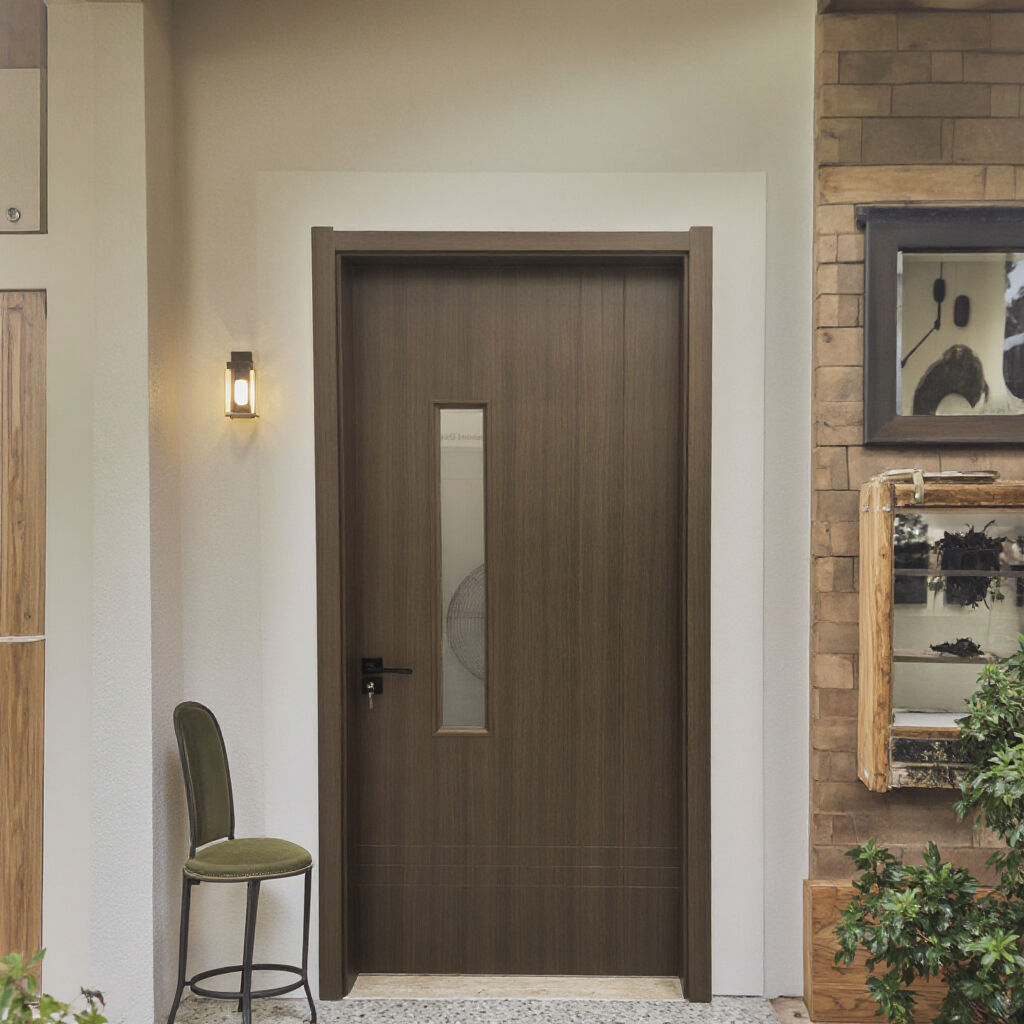
When selecting the perfect door solution for your bathroom, WPC bathroom doors have emerged as a leading choice for both residential and commercial applications. These innovative doors combine the durability of traditional materials with the moisture resistance essential for bathroom environments. Understanding the pricing structure and cost factors associated with WPC bathroom doors enables property owners and contractors to make informed decisions that balance quality, functionality, and budget considerations.
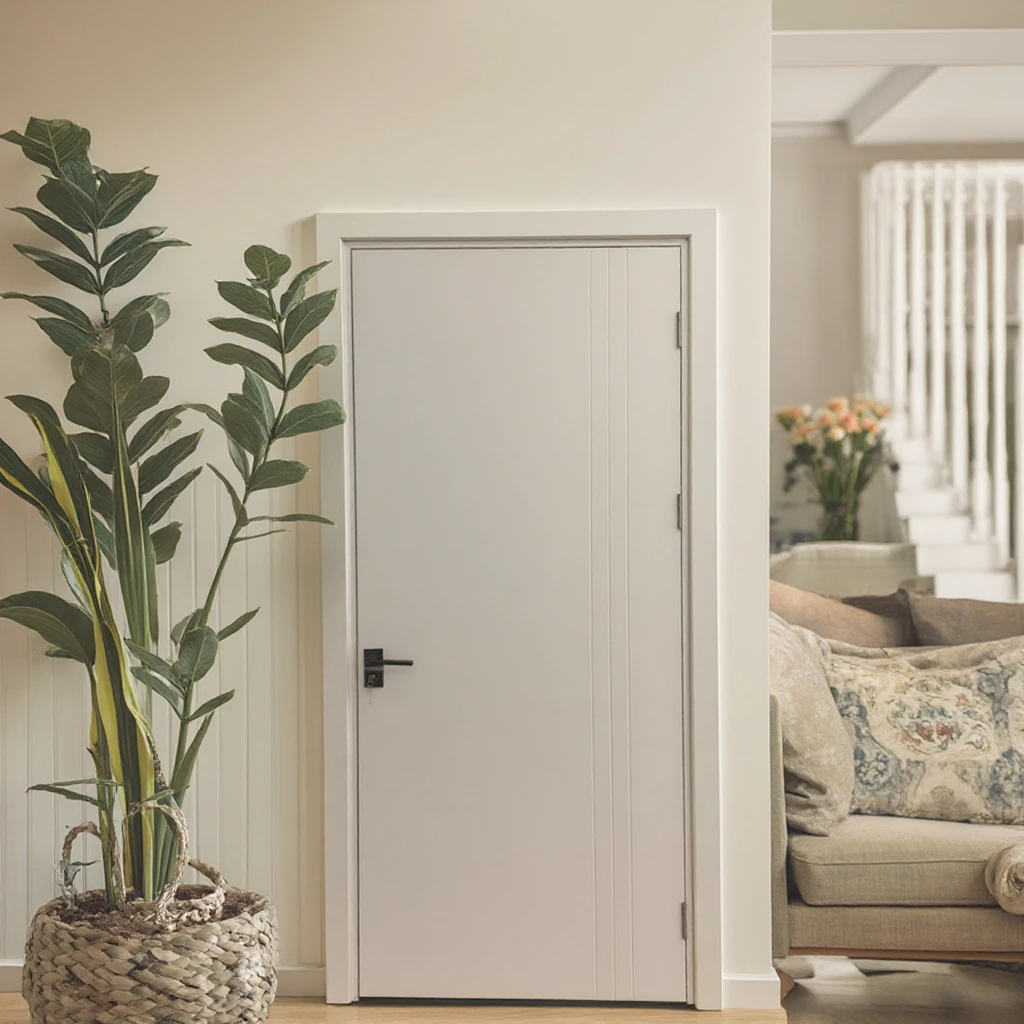
The bathroom door market has evolved significantly over the past decade, with Wood Plastic Composite technology revolutionizing how manufacturers approach moisture-prone installations. WPC bathroom doors represent a sophisticated engineering solution that addresses the common challenges faced by traditional wooden doors in high-humidity environments. These doors maintain their structural integrity while providing the aesthetic appeal that modern bathrooms demand.
Understanding WPC Technology in Bathroom Door Manufacturing
Composition and Material Science
WPC bathroom doors utilize a carefully engineered blend of wood fibers, plastic polymers, and binding agents to create a composite material that surpasses traditional door materials in bathroom applications. The manufacturing process involves precise temperature and pressure controls that ensure uniform density and optimal moisture resistance throughout the door structure. This advanced composition eliminates the swelling, warping, and deterioration issues commonly associated with solid wood doors in humid environments.
The plastic component typically consists of recycled polyvinyl chloride or polyethylene materials, contributing to environmental sustainability while enhancing the door's water resistance properties. Wood fibers provide structural strength and natural aesthetic qualities, creating a surface that can be finished to resemble various wood species without the maintenance requirements of natural lumber.
Performance Characteristics
Modern WPC bathroom doors demonstrate exceptional dimensional stability across varying humidity levels, maintaining their shape and functionality regardless of moisture fluctuations common in bathroom environments. The composite structure provides superior sound insulation compared to hollow-core alternatives, creating privacy barriers essential for bathroom installations. Additionally, the material's inherent antimicrobial properties resist mold and mildew growth, contributing to healthier indoor air quality.
Temperature resistance represents another crucial performance factor, as WPC bathroom doors maintain their structural properties across wide temperature ranges without experiencing thermal expansion or contraction that could compromise door operation or seal integrity.
Price Range Analysis for Different Market Segments
Residential Market Pricing
In the residential sector, WPC bathroom doors typically range from $150 to $450 per unit, depending on size specifications, finish quality, and hardware inclusion. Standard residential sizes measuring 32 inches by 80 inches generally fall within the lower end of this range, while custom dimensions or premium finishes command higher prices. The residential market emphasizes aesthetic appeal and long-term durability, with homeowners willing to invest in quality doors that enhance property value.
Regional pricing variations reflect local market conditions, with metropolitan areas typically commanding premium prices compared to rural markets. Distribution channel efficiency and local competition levels significantly influence final consumer pricing, creating opportunities for cost savings through strategic purchasing decisions.
Commercial and Industrial Pricing
Commercial applications for WPC bathroom doors involve bulk purchasing scenarios that often result in volume discounts ranging from 15% to 35% below residential pricing. Hotels, office buildings, and healthcare facilities represent primary commercial markets, where durability and maintenance considerations outweigh initial cost concerns. Commercial-grade WPC bathroom doors incorporate enhanced hardware systems and may include specialized features such as fire ratings or accessibility compliance components.
Industrial environments requiring frequent sanitization protocols benefit from WPC bathroom doors with specialized surface treatments that resist chemical cleaning agents while maintaining aesthetic qualities. These specialized applications command premium pricing but deliver superior lifecycle value through reduced maintenance and replacement costs.
Key Factors Influencing WPC Bathroom Door Costs
Manufacturing Quality and Standards
Production quality significantly impacts WPC bathroom doors pricing, with manufacturers employing varying levels of quality control and material specifications. Premium manufacturers invest in advanced extrusion equipment and testing protocols that ensure consistent product quality but result in higher production costs reflected in final pricing. Quality certifications and compliance with building codes add value while increasing manufacturing expenses.
The density and composition ratio of wood fibers to plastic materials directly affects both performance characteristics and production costs. Higher wood fiber content generally improves aesthetic qualities and structural strength but increases raw material expenses. Manufacturing location and labor costs contribute additional variables to the overall pricing structure.
Size and Customization Requirements
Standard door dimensions benefit from economies of scale in manufacturing, resulting in more competitive pricing compared to custom-sized units. WPC bathroom doors requiring non-standard heights, widths, or thicknesses involve additional manufacturing setup costs and material waste factors that increase final pricing. Custom hardware preparations, such as specialized lock sets or hinge configurations, add complexity and cost to the production process.
Design customization options, including surface textures, color matching, or decorative elements, require additional manufacturing steps that impact pricing structures. However, the ability to customize WPC bathroom doors according to specific project requirements often justifies the additional investment through improved aesthetic integration and functionality.
Installation and Additional Cost Considerations
Professional Installation Requirements
Proper installation of WPC bathroom doors requires specific tools and techniques that may necessitate professional installation services, adding $75 to $200 per door depending on local labor rates and installation complexity. Door frame preparation, hardware installation, and proper sealing around the perimeter contribute to installation costs while ensuring optimal performance and longevity.
Structural modifications to accommodate WPC bathroom doors, such as frame adjustments or threshold installations, create additional costs that vary based on existing conditions and local building requirements. Professional installers familiar with WPC door characteristics can optimize performance while minimizing potential issues that could compromise long-term functionality.
Hardware and Accessories
Quality hardware selection significantly influences the overall investment in WPC bathroom doors, with premium locksets, hinges, and handles adding $50 to $300 to the total project cost. Moisture-resistant hardware specifically designed for bathroom applications ensures compatibility with WPC door materials while providing reliable long-term operation.
Additional accessories such as door sweeps, weather stripping, or specialized threshold systems enhance the performance of WPC bathroom doors while adding to the initial investment. These components often prove cost-effective over time by improving energy efficiency and preventing moisture infiltration issues.
Long-term Value and Cost Benefits
Maintenance and Durability Advantages
WPC bathroom doors deliver exceptional long-term value through minimal maintenance requirements compared to traditional door materials. The composite structure resists warping, cracking, and moisture damage that typically necessitate repairs or replacements in conventional doors. Annual maintenance costs for WPC bathroom doors typically remain below $20 per door, primarily involving periodic cleaning and hardware lubrication.
The expected service life of quality WPC bathroom doors ranges from 25 to 30 years under normal residential use conditions, significantly exceeding the lifespan of traditional wooden doors in bathroom environments. This extended service life translates to superior cost-per-year value despite potentially higher initial investment requirements.
Energy Efficiency and Environmental Impact
Superior insulation properties of WPC bathroom doors contribute to improved energy efficiency by maintaining temperature control and reducing heating and cooling costs. The tight seal characteristics prevent air leakage that commonly occurs with traditional door materials as they age and deteriorate in moisture-rich environments.
Environmental sustainability aspects of WPC bathroom doors include recycled material content and reduced replacement frequency, contributing to lower overall environmental impact compared to traditional door options. Many manufacturers now offer recycling programs for end-of-life WPC doors, further enhancing their environmental value proposition.
Market Trends and Future Pricing Projections
Technology Advancement Impact
Ongoing improvements in WPC manufacturing technology continue to enhance product quality while potentially reducing production costs through increased efficiency and material optimization. Advanced surface finishing techniques and improved color stability represent areas of continued development that may influence future pricing structures for WPC bathroom doors.
Smart door technology integration possibilities create potential for premium WPC bathroom doors incorporating electronic locks, sensors, or automated operation systems. These advanced features will likely command significant price premiums while appealing to technology-forward consumers and commercial applications.
Market Competition and Pricing Dynamics
Increased competition among WPC bathroom doors manufacturers has generally resulted in more competitive pricing while driving quality improvements across the industry. New market entrants continue to challenge established manufacturers, creating downward pressure on pricing while spurring innovation in product design and manufacturing processes.
Global supply chain considerations and raw material cost fluctuations continue to influence WPC bathroom doors pricing, with manufacturers adapting strategies to maintain competitive positioning while managing cost pressures. Regional manufacturing capabilities development may help stabilize pricing by reducing transportation costs and supply chain dependencies.
FAQ
What is the typical lifespan of WPC bathroom doors compared to traditional wooden doors
WPC bathroom doors typically last 25 to 30 years in bathroom environments, significantly outperforming traditional wooden doors that may require replacement every 10 to 15 years due to moisture damage, warping, or deterioration. The composite construction provides superior resistance to humidity fluctuations and prevents the structural issues that commonly affect natural wood materials in bathroom applications.
How do installation costs for WPC bathroom doors compare to standard door installation
Installation costs for WPC bathroom doors are generally comparable to standard door installation, ranging from $75 to $200 per door depending on local labor rates and complexity. However, the precise manufacturing tolerances and dimensional stability of WPC doors often result in easier installation processes that may reduce labor time and associated costs compared to doors requiring extensive adjustments during installation.
Are there specific maintenance requirements that affect long-term costs for WPC bathroom doors
WPC bathroom doors require minimal maintenance, typically involving periodic cleaning with standard household cleaners and occasional hardware lubrication. Annual maintenance costs rarely exceed $20 per door, making them significantly more cost-effective over time compared to wooden doors that may require refinishing, repair, or treatment for moisture damage every few years.
What factors should be considered when comparing WPC bathroom doors prices from different manufacturers
When comparing prices, consider the wood fiber to plastic ratio, manufacturing quality standards, warranty coverage, and certification compliance. Higher-quality WPC bathroom doors may command premium pricing but often provide superior durability and performance that justifies the additional investment through reduced maintenance costs and extended service life. Additionally, evaluate installation requirements, hardware compatibility, and availability of custom sizing options that may affect total project costs.
Table of Contents
- Understanding WPC Technology in Bathroom Door Manufacturing
- Price Range Analysis for Different Market Segments
- Key Factors Influencing WPC Bathroom Door Costs
- Installation and Additional Cost Considerations
- Long-term Value and Cost Benefits
- Market Trends and Future Pricing Projections
-
FAQ
- What is the typical lifespan of WPC bathroom doors compared to traditional wooden doors
- How do installation costs for WPC bathroom doors compare to standard door installation
- Are there specific maintenance requirements that affect long-term costs for WPC bathroom doors
- What factors should be considered when comparing WPC bathroom doors prices from different manufacturers