 EN
EN

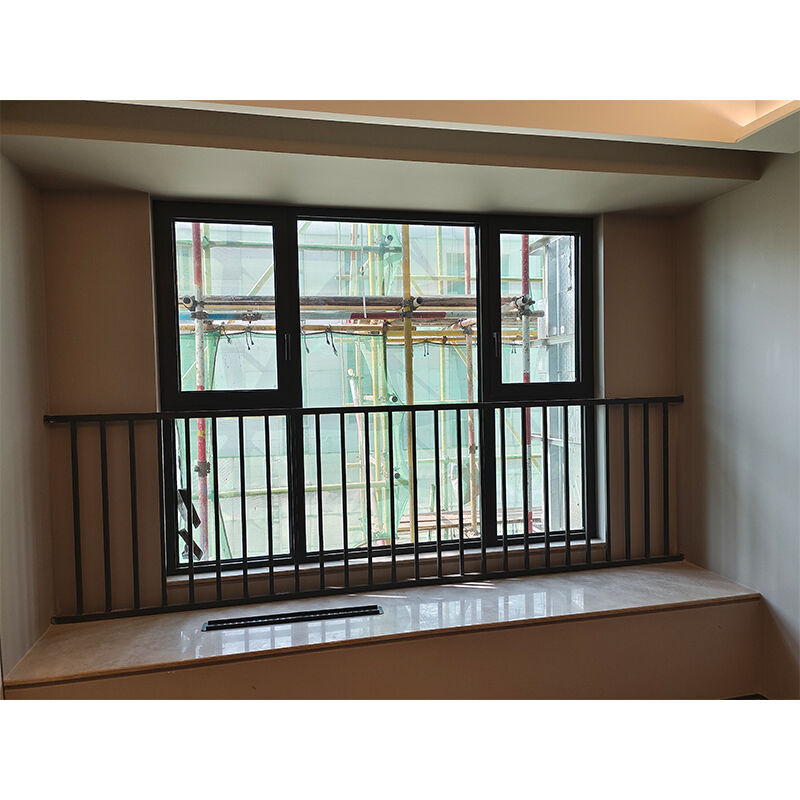
Modern architectural design increasingly emphasizes transparency, natural light, and seamless indoor-outdoor connections. Slim aluminium windows have emerged as the preferred solution for architects and homeowners seeking to maximize glass area while maintaining structural integrity and thermal performance. These innovative window systems feature ultra-narrow frames that create unobstructed views and flood interior spaces with natural light.
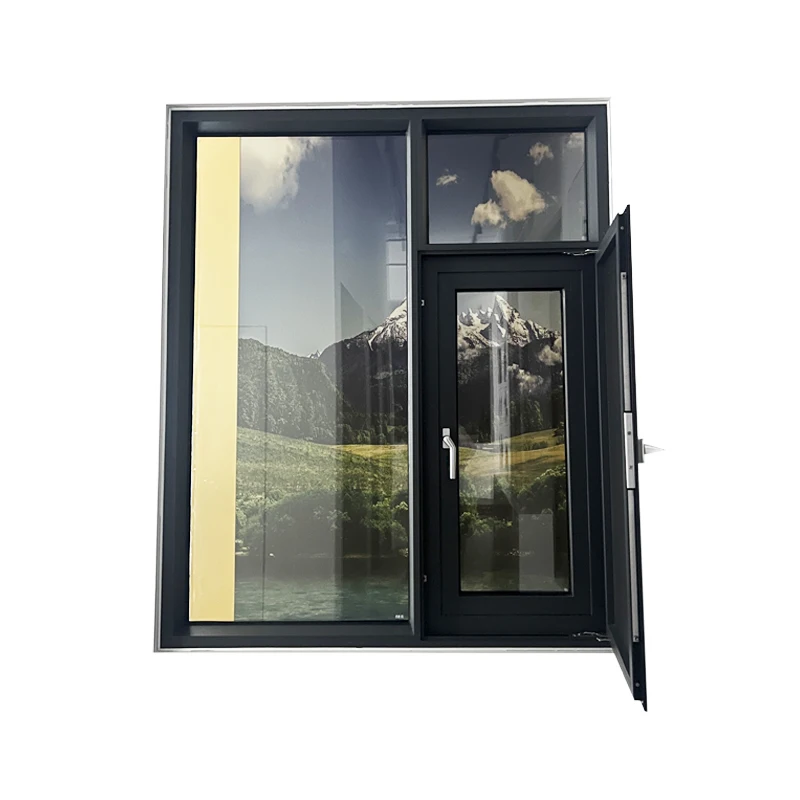
The evolution of window technology has transformed how we approach glazing in contemporary construction. Traditional window frames often compromised the aesthetic appeal and functionality of buildings by creating visual barriers and reducing natural light penetration. Today's slim aluminium windows address these challenges through advanced engineering and precision manufacturing techniques that minimize frame profiles without sacrificing performance.
Industry professionals recognize that the demand for larger glass surfaces continues to grow across residential, commercial, and institutional projects. This trend reflects changing lifestyle preferences and architectural philosophies that prioritize connection with nature, energy efficiency, and visual continuity. Slim aluminium windows deliver on these requirements while providing the durability and weather resistance essential for long-term performance.
Advanced Engineering Behind Slim Profile Design
Structural Optimization Techniques
The development of slim aluminium windows relies on sophisticated structural engineering principles that maximize strength while minimizing material usage. Engineers employ finite element analysis to identify optimal stress distribution patterns within the frame geometry. This computational approach allows designers to remove unnecessary material from non-critical areas while reinforcing high-stress zones.
Advanced alloy compositions contribute significantly to the structural performance of slim aluminium windows. Modern aluminum alloys incorporate specific ratios of magnesium, silicon, and other elements that enhance tensile strength and corrosion resistance. These metallurgical improvements enable thinner wall sections without compromising the window's ability to withstand wind loads, thermal expansion, and operational stresses.
Precision extrusion processes ensure consistent wall thicknesses and accurate dimensional tolerances throughout the frame profile. State-of-the-art extrusion equipment maintains tight control over temperature, pressure, and cooling rates to achieve the desired mechanical properties. This manufacturing precision directly impacts the final appearance and performance of slim aluminium windows in real-world applications.
Thermal Performance Considerations
Thermal bridging represents a critical challenge in slim profile window design, as reduced frame dimensions limit space for traditional insulation methods. Engineers address this issue through innovative approaches such as polyamide thermal breaks, which create effective barriers between interior and exterior aluminum surfaces. These thermally broken profiles maintain structural continuity while significantly reducing heat transfer.
Multi-chamber designs within slim aluminium windows create additional thermal resistance through trapped air spaces. Despite the reduced overall frame depth, carefully positioned chambers maximize insulation value while preserving the desired aesthetic appearance. This approach requires precise coordination between structural requirements and thermal performance objectives.
Surface treatments and coatings play an increasingly important role in thermal management for slim profile windows. Low-emissivity coatings on aluminum surfaces reduce radiant heat transfer, while specialized powder coat finishes provide additional thermal resistance. These advanced surface technologies complement the structural design to achieve superior energy efficiency ratings.
Installation Methods for Maximum Glass Area
Structural Glazing Applications
Structural glazing techniques maximize the visible glass area in slim aluminium windows by eliminating traditional glazing beads and reducing visible frame elements. This installation method bonds glass panels directly to the aluminum frame using high-performance structural adhesives. The result is a virtually continuous glass surface with minimal frame intrusion.
The adhesive selection process for structural glazing requires careful consideration of environmental conditions, thermal cycling, and long-term durability requirements. Structural silicone sealants provide excellent adhesion to both glass and aluminum while maintaining flexibility to accommodate thermal movement. Quality control procedures ensure proper adhesive application and curing conditions for reliable long-term performance.
Design calculations for structurally glazed slim aluminium windows must account for wind loads, seismic forces, and thermal stresses transferred directly through the glazing system. Engineers analyze glass thickness requirements, support conditions, and deflection limits to ensure safe and durable installations. This comprehensive approach to structural analysis distinguishes professional installations from standard glazing methods.
Precision Installation Techniques
Achieving the full aesthetic and performance benefits of slim aluminium windows requires meticulous installation procedures and quality control measures. Site preparation involves precise measurement and alignment of rough openings to accommodate the reduced frame dimensions. Any dimensional variations or construction tolerances can significantly impact the final appearance and operation of slim profile windows.
Waterproofing and air sealing strategies must adapt to the unique characteristics of slim aluminium windows. Traditional installation methods may not provide adequate protection against water infiltration and air leakage when applied to ultra-narrow frame profiles. Advanced sealant systems and installation sequences ensure weather-tight performance without compromising the slim aesthetic.
Thermal movement considerations become more critical with slim aluminium windows due to the reduced frame mass and thermal capacity. Installation details must accommodate differential movement between the window frame and surrounding construction materials. Proper expansion joint design and sealant selection prevent stress concentrations that could lead to performance issues or structural damage.
Performance Standards and Certification Requirements
Testing Protocols for Slim Profiles
Performance testing of slim aluminium windows follows established industry standards while addressing the unique characteristics of reduced frame profiles. Structural testing protocols evaluate the ability of slim frames to withstand design loads without excessive deflection or failure. Test specimens must accurately represent actual installation conditions and boundary constraints.
Water penetration resistance testing becomes more challenging with slim aluminium windows due to the reduced surface area available for weathersealing systems. Test procedures must account for the specific design features and sealing strategies employed in slim profile windows. Dynamic water testing under varying pressure conditions provides the most reliable assessment of weather resistance performance.
Air infiltration testing evaluates the effectiveness of sealing systems in preventing unwanted air leakage through slim aluminium windows. The reduced frame dimensions and specialized glazing methods require careful attention to potential leakage paths. Comprehensive testing identifies weak points in the sealing system and validates design improvements.
Certification and Compliance Standards
Building code compliance for slim aluminium windows involves demonstrating conformance with structural, thermal, and safety requirements. Code officials may require additional documentation and testing data to verify the performance of innovative window designs. Early coordination with building authorities ensures smooth approval processes for projects featuring slim profile windows.
Energy code requirements increasingly influence the design and specification of slim aluminium windows. Thermal performance calculations must account for the unique frame geometry and glazing configurations. Advanced modeling techniques help demonstrate compliance with energy efficiency standards while maintaining the desired aesthetic appearance.
Safety glass requirements apply to slim aluminium windows based on their size, location, and use conditions. The large glass areas typical of slim profile designs often trigger safety glazing requirements. Proper specification of tempered, laminated, or other safety glass types ensures occupant protection while preserving the visual benefits of minimal frame windows.
Design Applications Across Building Types
Residential Integration Strategies
Contemporary residential design increasingly incorporates slim aluminium windows to create bright, open living spaces that connect seamlessly with outdoor environments. Large sliding panels and fixed glazing systems maximize natural light while providing unobstructed views of landscape features. The minimal frame profiles complement clean, modern architectural styles without overwhelming smaller-scale residential details.
Kitchen and living area applications benefit significantly from the expanded glass area achievable with slim aluminium windows. These spaces often serve as the primary interface between interior and exterior environments, making visual connection and natural light penetration critical design objectives. Slim profile windows enhance the sense of spaciousness while maintaining necessary weather protection and thermal performance.
Integration with automated systems allows slim aluminium windows to provide sophisticated climate control and security features. Motorized operators enable precise control of ventilation and natural cooling strategies. Integrated sensors and smart home systems can automatically adjust window positions based on weather conditions, occupancy patterns, and energy management objectives.
Commercial and Institutional Applications
Office buildings utilize slim aluminium windows to create productive work environments with abundant natural light and exterior views. Research demonstrates that access to natural light and outdoor views significantly impacts occupant satisfaction, productivity, and well-being. The minimal frame profiles maximize these benefits while meeting commercial building performance requirements.
Educational facilities benefit from the enhanced learning environments created by slim aluminium windows. Classroom spaces with extensive natural lighting reduce reliance on artificial illumination and create more engaging educational settings. The durability and low maintenance requirements of aluminum frames make them particularly suitable for institutional applications.
Healthcare facilities increasingly specify slim aluminium windows to support patient recovery and staff well-being. Patient rooms with expansive views and natural light contribute to faster healing and improved satisfaction scores. The easy cleaning and maintenance characteristics of slim aluminium windows meet the stringent hygiene requirements of healthcare environments.
Maintenance and Longevity Considerations
Preventive Maintenance Programs
Long-term performance of slim aluminium windows depends on systematic maintenance programs that address the unique characteristics of minimal frame designs. Regular inspection schedules identify potential issues before they impact performance or require expensive repairs. The reduced material cross-sections in slim profiles make early detection of problems particularly important.
Cleaning protocols for slim aluminium windows must accommodate the large glass areas and minimal frame surfaces. Automated cleaning systems may be justified for commercial applications with extensive glazing installations. Proper cleaning techniques and equipment selection prevent damage to specialized coatings and sealant systems while maintaining optimal appearance.
Sealant replacement schedules require careful planning for slim aluminium windows due to the critical role of weathersealing systems. The reduced frame dimensions limit access for maintenance activities and may require specialized tools or techniques. Proactive sealant replacement prevents water infiltration and maintains thermal performance throughout the building's service life.
Durability and Service Life Expectations
Aluminum's inherent corrosion resistance contributes to the long service life of slim aluminium windows in diverse environmental conditions. Proper surface treatments and protective coatings enhance durability while maintaining the refined appearance expected in contemporary architecture. Quality manufacturing processes ensure consistent performance over decades of service.
Fatigue resistance becomes a critical consideration for slim aluminium windows subjected to repeated thermal cycling and wind loads. The reduced material cross-sections must withstand these cyclic stresses without developing cracks or permanent deformation. Advanced alloy selection and design optimization help ensure adequate fatigue life for demanding applications.
Replacement and upgrade considerations should be evaluated during the initial design phase for slim aluminium windows. Future building modifications or changing performance requirements may necessitate window replacement. Design details that facilitate future replacement work can significantly reduce lifecycle costs and building disruption.
Cost-Benefit Analysis and Economic Considerations
Initial Investment and Value Engineering
The initial cost premium for slim aluminium windows reflects the advanced engineering, precision manufacturing, and specialized installation requirements. However, this investment often provides significant value through enhanced building performance, occupant satisfaction, and architectural appeal. Lifecycle cost analysis helps quantify these benefits and justify the additional upfront investment.
Energy savings from improved thermal performance and increased natural light utilization can offset the higher initial cost of slim aluminium windows over time. Reduced artificial lighting loads and HVAC energy consumption contribute to ongoing operational savings. These benefits become more significant in buildings with high energy costs or stringent sustainability requirements.
Value engineering opportunities exist in optimizing the design and specification of slim aluminium windows for specific project requirements. Careful selection of glazing types, frame configurations, and installation methods can achieve desired performance objectives while managing costs. Early involvement of window manufacturers and installation specialists helps identify cost-effective solutions.
Long-term Financial Benefits
Property values often reflect the quality and appeal of window systems, particularly in residential and commercial real estate markets. Buildings featuring slim aluminium windows may command higher sale or lease rates due to their enhanced aesthetic appeal and performance characteristics. These market premiums help offset the initial investment in high-performance window systems.
Reduced maintenance costs contribute to the long-term economic benefits of slim aluminium windows. The durability of aluminum frames and simplified maintenance requirements result in lower ongoing expenses compared to other window materials. This advantage becomes more pronounced over the extended service life typical of quality aluminum window systems.
Insurance and warranty considerations may favor slim aluminium windows due to their performance characteristics and manufacturer support. Comprehensive warranty coverage provides protection against defects and performance issues while demonstrating manufacturer confidence in product quality. Some insurance providers may offer reduced premiums for buildings with high-performance window systems that reduce weather-related risks.
FAQ
What structural considerations are essential for slim aluminium windows in high-rise applications
High-rise installations of slim aluminium windows require comprehensive structural analysis to address wind loads, building movement, and seismic forces. Engineers must evaluate the reduced frame sections' ability to transfer loads safely to the building structure while maintaining weathertight performance. Special attention to thermal movement accommodation and connection details ensures long-term structural integrity in tall building applications.
How do slim aluminium windows achieve thermal performance comparable to traditional frames
Slim aluminium windows achieve competitive thermal performance through advanced thermal break technology, multi-chamber designs, and high-performance glazing systems. Despite reduced frame dimensions, strategic placement of insulating materials and elimination of thermal bridging paths maintain effective temperature control. Advanced surface treatments and low-emissivity coatings further enhance thermal efficiency while preserving the minimal aesthetic appearance.
What installation challenges are unique to slim profile window systems
Installing slim aluminium windows requires precise dimensional control, specialized sealing techniques, and careful coordination with structural elements. The reduced frame dimensions limit tolerance for construction variations and require enhanced quality control procedures. Structural glazing applications demand specific adhesive handling and environmental conditions, while waterproofing strategies must accommodate the unique frame geometry and reduced sealing surfaces.
Are there limitations on glass sizes or configurations with slim aluminium windows
Glass size limitations for slim aluminium windows depend on structural capacity, safety requirements, and manufacturing constraints. While the minimal frame profiles can support large glass panels, engineers must verify adequate strength for specific wind loads and safety conditions. Structural glazing techniques may enable larger glass areas than traditional glazing methods, but each application requires individual structural analysis to determine maximum safe dimensions.
Table of Contents
- Advanced Engineering Behind Slim Profile Design
- Installation Methods for Maximum Glass Area
- Performance Standards and Certification Requirements
- Design Applications Across Building Types
- Maintenance and Longevity Considerations
- Cost-Benefit Analysis and Economic Considerations
-
FAQ
- What structural considerations are essential for slim aluminium windows in high-rise applications
- How do slim aluminium windows achieve thermal performance comparable to traditional frames
- What installation challenges are unique to slim profile window systems
- Are there limitations on glass sizes or configurations with slim aluminium windows