 EN
EN

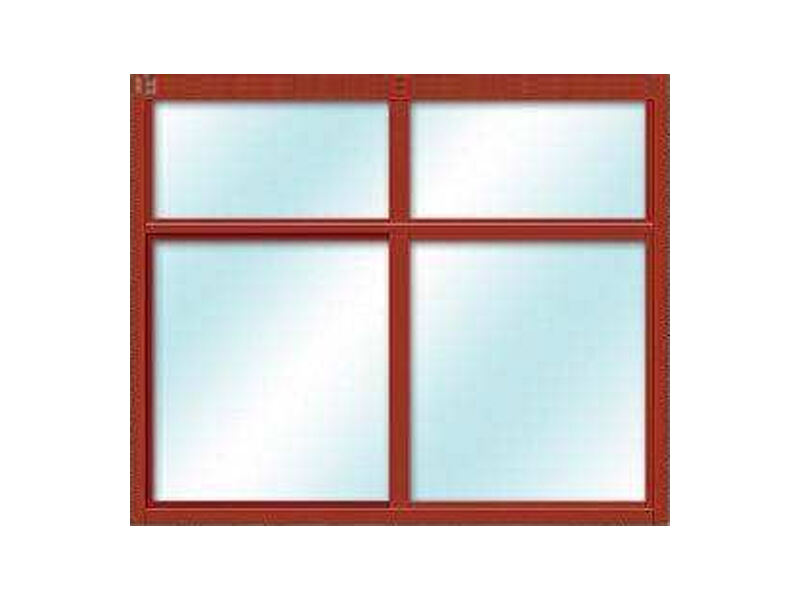
The construction industry continues to evolve toward sustainable building solutions, with fixed aluminium windows emerging as a cornerstone of energy-efficient design. These innovative window systems combine the durability of aluminum with advanced glazing technologies to deliver superior thermal performance while maintaining architectural elegance. Modern fixed aluminium windows represent a significant advancement in building envelope technology, offering property owners an opportunity to reduce energy consumption while enhancing interior comfort levels. The integration of high-performance materials and precision engineering makes these windows an ideal choice for both residential and commercial applications where energy efficiency is paramount.
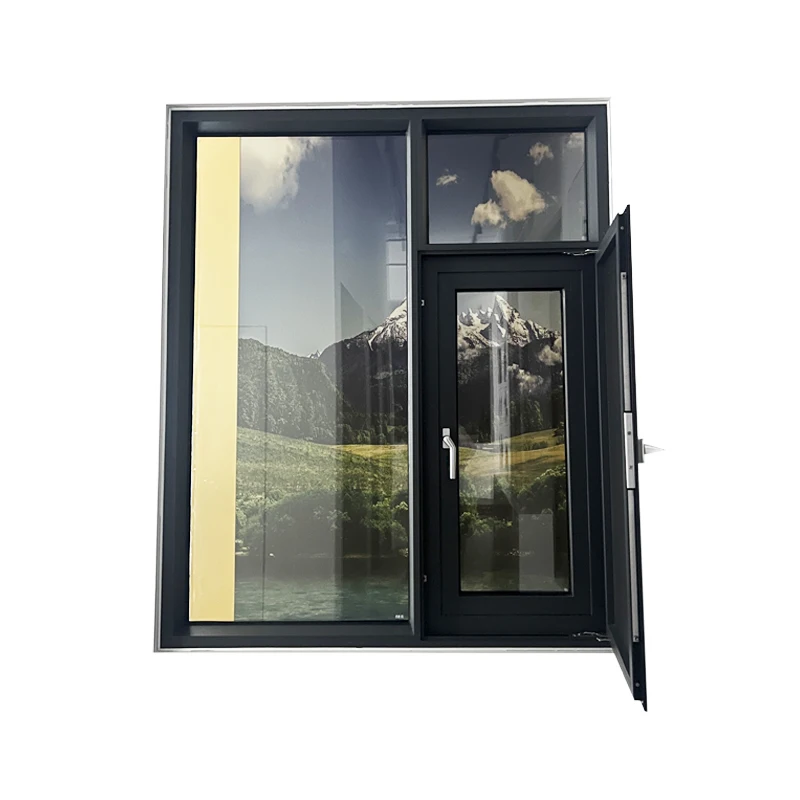
Thermal Performance Characteristics
Advanced Insulation Properties
Fixed aluminium windows achieve exceptional thermal performance through sophisticated frame design and multi-layer glazing systems. The thermal bridging inherent in traditional aluminum frames has been effectively addressed through thermal break technology, which incorporates insulating materials within the frame structure. This innovation prevents heat transfer between interior and exterior aluminum components, resulting in significantly improved U-values. Contemporary fixed aluminium windows typically achieve U-values ranging from 1.2 to 2.5 W/m²K, depending on the glazing configuration and frame specifications.
The glazing systems used in modern fixed aluminium windows incorporate low-emissivity coatings, argon gas fills, and warm edge spacers to maximize thermal efficiency. These components work synergistically to minimize heat loss during winter months and reduce heat gain during summer periods. The result is a window system that maintains consistent interior temperatures while reducing reliance on mechanical heating and cooling systems.
Condensation Resistance
Effective condensation management is crucial for maintaining healthy indoor environments and preserving building integrity. High-quality fixed aluminium windows feature specialized drainage systems and vapor barriers that prevent moisture accumulation within the frame assembly. The thermal break technology not only improves energy efficiency but also elevates interior surface temperatures, reducing the likelihood of condensation formation on glass surfaces.
Professional installation techniques ensure proper sealing and weatherization, creating an effective moisture barrier that protects both the window system and surrounding building materials. This comprehensive approach to moisture management extends the service life of fixed aluminium windows while maintaining optimal indoor air quality throughout the building's operational lifespan.
Design Integration and Architectural Flexibility
Customization Capabilities
The versatility of fixed aluminium windows allows architects and designers to create stunning facades that complement various architectural styles. These windows can be manufactured in virtually any size configuration, from intimate residential applications to expansive commercial installations spanning multiple floors. The structural integrity of aluminum frames enables larger glazing areas without compromising thermal performance or requiring additional support structures.
Color options for fixed aluminium windows have expanded dramatically, with powder coating technologies offering hundreds of standard colors plus unlimited custom matching capabilities. This flexibility ensures seamless integration with existing building aesthetics while providing long-lasting finish durability that resists fading, chalking, and weathering over extended periods.
Structural Performance
The inherent strength of aluminum makes it an ideal material for fixed window applications, particularly in challenging environmental conditions. Fixed aluminium windows demonstrate exceptional resistance to wind loads, seismic forces, and thermal cycling without compromising their energy efficiency characteristics. The rigid frame construction maintains precise glazing alignment over decades of service, preventing the air leakage that commonly develops in other window materials.
Advanced engineering techniques optimize the frame geometry to maximize strength while minimizing material usage, resulting in cost-effective solutions that meet or exceed building code requirements. The precise manufacturing tolerances achievable with aluminum extrusion processes ensure consistent performance across entire window installations.
Energy Cost Implications
Operational Savings
The superior thermal performance of fixed aluminium windows translates directly into measurable energy cost reductions for building owners. Studies indicate that upgrading to high-performance window systems can reduce heating and cooling costs by 15-30% annually, depending on climate conditions and building orientation. These savings compound over the window's service life, often resulting in complete cost recovery within 10-15 years.
The consistent thermal performance of fixed aluminium windows helps stabilize energy consumption patterns, making utility costs more predictable and manageable. This stability is particularly valuable for commercial properties where energy expenses represent a significant portion of operational budgets. The improved comfort levels achieved through better thermal control can also enhance productivity in office environments and satisfaction in residential applications.
Long-term Value Proposition
Beyond immediate energy savings, fixed aluminium windows contribute to long-term property value through enhanced aesthetic appeal and improved building performance ratings. Energy-efficient windows are increasingly important factors in property valuations and can significantly impact marketability in both residential and commercial sectors. Green building certifications such as LEED and Energy Star recognize high-performance window systems as essential components of sustainable design.
The durability characteristics of fixed aluminium windows ensure that energy efficiency benefits persist throughout their extended service life, typically 25-40 years with minimal maintenance requirements. This longevity contrasts favorably with other window materials that may experience performance degradation over shorter timeframes, requiring premature replacement and associated costs.
Installation and Maintenance Considerations
Professional Installation Requirements
Achieving optimal energy efficiency with fixed aluminium windows requires precision installation techniques that ensure proper alignment, sealing, and integration with building envelope systems. Professional installers understand the critical importance of continuous air and vapor barriers, proper flashing details, and thermal bridge elimination at the window-to-wall interface. These technical aspects directly impact the long-term performance of fixed aluminium windows and their contribution to overall building efficiency.
Quality installation practices include comprehensive pre-installation surveys to verify opening dimensions, structural adequacy, and compatibility with existing building systems. Proper installation of fixed aluminium windows involves specialized tools and techniques to ensure weatherization integrity and optimal thermal performance from the initial occupancy period.
Maintenance Requirements
The low-maintenance characteristics of fixed aluminium windows contribute significantly to their total cost of ownership advantages. The corrosion-resistant properties of aluminum, combined with durable finish systems, require only periodic cleaning and minor hardware adjustments to maintain peak performance. Unlike other window materials that may require regular painting, sealing, or component replacement, fixed aluminium windows retain their appearance and functionality with minimal intervention.
Routine maintenance procedures for fixed aluminium windows include annual inspections of weatherization seals, drainage system clearing, and hardware lubrication where applicable. These simple maintenance tasks can be performed by building maintenance staff without specialized training or expensive tools, further reducing the long-term operational costs associated with these high-performance window systems.
FAQ
How do fixed aluminium windows compare to other window materials in terms of energy efficiency
Fixed aluminium windows with thermal break technology achieve energy efficiency levels comparable to or exceeding those of vinyl and wood windows, while offering superior durability and structural performance. Modern thermal break systems effectively eliminate the thermal bridging issues historically associated with aluminum frames, resulting in U-values competitive with the best-performing window materials available. The combination of advanced glazing systems and precision manufacturing gives fixed aluminium windows distinct advantages in applications requiring large glazing areas or challenging environmental conditions.
What factors should be considered when selecting fixed aluminium windows for energy efficiency
Key selection criteria for energy-efficient fixed aluminium windows include U-value ratings, Solar Heat Gain Coefficient (SHGC), Air Leakage rates, and Visible Transmittance values. Climate zone considerations are essential, as optimal performance characteristics vary between heating-dominated and cooling-dominated regions. Frame depth, glazing specifications, and thermal break design significantly impact overall energy performance. Professional energy modeling can help determine the most cost-effective configuration for specific building applications and local climate conditions.
Can fixed aluminium windows contribute to green building certifications
High-performance fixed aluminium windows are valuable contributors to various green building certification programs, including LEED, BREEAM, and ENERGY STAR. These windows can earn points in multiple certification categories, including energy performance, materials and resources, and indoor environmental quality. The durability and recyclability of aluminum frames align with sustainable building principles, while superior thermal performance supports overall building energy efficiency targets required for certification achievement.
How long do fixed aluminium windows maintain their energy efficiency performance
Quality fixed aluminium windows maintain their energy efficiency characteristics throughout their 25-40 year service life when properly installed and maintained. The structural stability of aluminum frames prevents glazing movement and air leakage development that commonly occurs with other window materials over time. Sealed glazing units typically carry 10-20 year warranties, and replacement is straightforward without affecting frame integrity. Regular maintenance ensures weatherization seals remain effective, preserving the thermal performance benefits that make fixed aluminium windows an excellent long-term investment.
Table of Contents
- Thermal Performance Characteristics
- Design Integration and Architectural Flexibility
- Energy Cost Implications
- Installation and Maintenance Considerations
-
FAQ
- How do fixed aluminium windows compare to other window materials in terms of energy efficiency
- What factors should be considered when selecting fixed aluminium windows for energy efficiency
- Can fixed aluminium windows contribute to green building certifications
- How long do fixed aluminium windows maintain their energy efficiency performance