 EN
EN
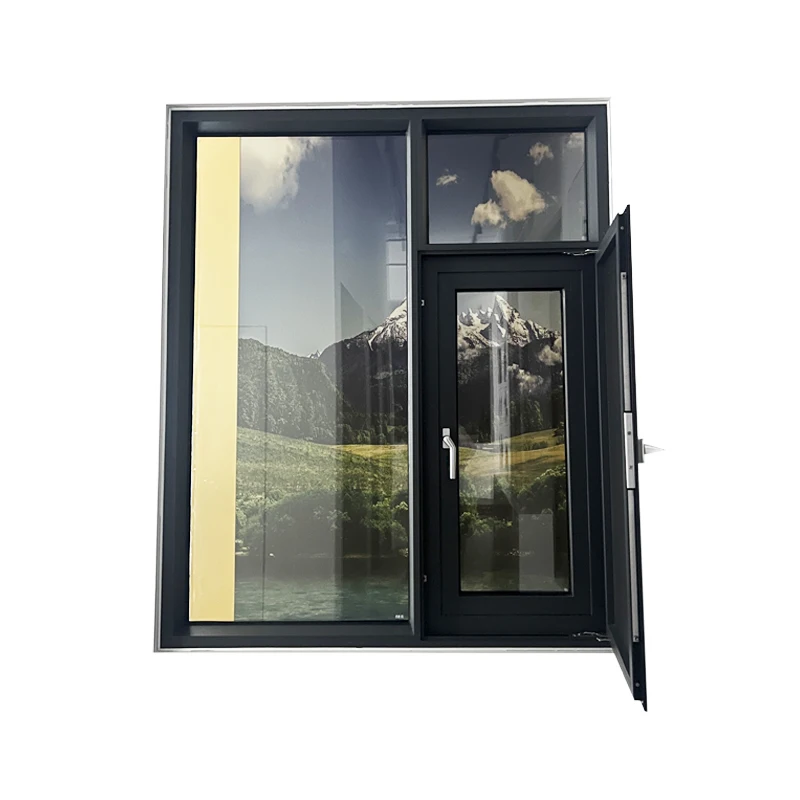
Commercial building design demands precision, durability, and aesthetic appeal that can withstand decades of use while maintaining energy efficiency. Fixed aluminium windows have emerged as a cornerstone solution in modern commercial architecture, offering unparalleled structural integrity and design versatility. These windows provide architects and developers with the perfect balance of functionality and visual impact, creating spaces that are both practical and inspiring. The integration of fixed aluminium windows into commercial projects has revolutionized how we approach natural lighting, thermal performance, and building envelope design.
Structural Advantages of Fixed Aluminium Windows in Commercial Applications
Enhanced Load-Bearing Capacity
The structural superiority of fixed aluminium windows makes them ideal for large-scale commercial installations where wind loads and seismic forces demand exceptional performance. Unlike operable window systems, fixed configurations eliminate moving parts and potential failure points, creating a continuous barrier that can withstand extreme weather conditions. The aluminium frame construction provides superior strength-to-weight ratios compared to traditional materials, allowing for larger glazed areas without compromising structural integrity. This characteristic is particularly valuable in high-rise commercial buildings where wind pressures increase significantly with elevation.
Commercial architects frequently specify fixed aluminium windows for curtain wall systems because they can accommodate thermal expansion and building movement without compromising the seal integrity. The inherent flexibility of aluminium allows these windows to flex slightly under load while maintaining their structural properties, preventing stress concentration that could lead to frame failure or glass breakage. This durability translates to reduced maintenance costs and extended service life, critical factors in commercial building economics.
Thermal Performance and Energy Efficiency
Modern fixed aluminium windows incorporate advanced thermal break technology that significantly reduces heat transfer between interior and exterior environments. The thermal barrier within the frame prevents the aluminium from conducting heat, maintaining comfortable interior temperatures while reducing HVAC load requirements. This thermal efficiency is crucial for commercial buildings seeking LEED certification or other green building standards, as windows typically represent the largest source of heat gain and loss in the building envelope.
The fixed nature of these windows eliminates air infiltration concerns that plague operable window systems, ensuring consistent thermal performance throughout the building's lifecycle. Commercial facilities benefit from predictable energy costs and improved occupant comfort when fixed aluminium windows are properly integrated into the overall building design strategy. The combination of high-performance glazing options with thermally broken aluminium frames creates window systems that often exceed minimum energy code requirements by substantial margins.
Design Flexibility and Architectural Integration
Customization Options for Complex Facades
The manufacturing flexibility of fixed aluminium windows enables architects to create complex facade compositions that would be impossible with other window materials. Custom shapes, sizes, and configurations can be engineered to meet specific design requirements while maintaining structural performance standards. This adaptability allows for seamless integration with various architectural styles, from ultra-modern glass towers to traditional commercial buildings requiring historical preservation considerations.
Color matching and finish options for fixed aluminium windows provide unlimited design possibilities, with powder coating and anodizing processes offering both aesthetic appeal and enhanced durability. The ability to match window frames precisely to building color schemes creates cohesive facades that enhance the overall architectural vision. Many commercial projects utilize fixed aluminium windows as signature design elements that define the building's character and market positioning.
Integration with Modern Building Technologies
Contemporary commercial buildings increasingly incorporate smart building technologies, and fixed aluminium windows serve as ideal platforms for integrating sensors, automated shading systems, and electrochromic glass technologies. The structural stability of fixed frames provides secure mounting points for external shading devices and maintenance access equipment. This integration capability allows building owners to upgrade window performance over time without replacing the entire window system.
The compatibility of fixed aluminium windows with Building Information Modeling (BIM) software streamlines the design and construction process for complex commercial projects. Manufacturers can provide detailed digital models that integrate seamlessly with architectural and structural design software, reducing coordination errors and construction delays. This technological integration extends to performance modeling, allowing design teams to optimize window specifications for specific climate conditions and building orientations.
Cost-Effectiveness and Long-Term Value
Initial Investment Considerations
While fixed aluminium windows may require higher initial investment compared to some alternatives, the total cost of ownership typically favors aluminium solutions over the building's lifecycle. The elimination of operating mechanisms reduces manufacturing complexity and initial costs compared to comparable operable systems. Large commercial projects benefit from economies of scale when specifying fixed aluminium windows, as standardized components and manufacturing processes reduce per-unit costs significantly.
The installation efficiency of fixed aluminium windows contributes to overall project cost savings through reduced labor requirements and shortened construction schedules. Pre-glazed units can be installed rapidly with minimal site preparation, allowing other trades to proceed more quickly with interior finishing work. This scheduling advantage is particularly valuable in fast-track commercial construction projects where time is critical to project success and return on investment.
Maintenance and Lifecycle Benefits
The maintenance requirements for fixed aluminium windows are minimal compared to operable systems, with no moving parts to lubricate, adjust, or replace over time. The corrosion resistance of properly finished aluminium ensures decades of service life with only periodic cleaning and minor seal maintenance. This low-maintenance characteristic is essential for commercial building owners seeking to minimize ongoing operational expenses and building management complexity.
When replacement becomes necessary, fixed aluminium windows can often be upgraded to higher performance specifications without modifying the building structure or envelope design. The standardized sizing and mounting methods allow for technology upgrades that improve energy performance and occupant comfort while maintaining the original architectural intent. This adaptability ensures that commercial buildings can remain competitive in the marketplace throughout their extended service lives.
Performance Standards and Compliance
Industry Certifications and Testing
Fixed aluminium windows undergo rigorous testing procedures to ensure compliance with commercial building codes and performance standards. These tests evaluate structural performance under extreme weather conditions, water penetration resistance, air infiltration rates, and thermal performance characteristics. The results of these tests provide architects and specifiers with reliable performance data for making informed design decisions and ensuring code compliance.
Many manufacturers of fixed aluminium windows maintain certifications from organizations such as the National Fenestration Rating Council (NFRC) and the American Architectural Manufacturers Association (AAMA). These certifications provide independent verification of performance claims and ensure that products meet or exceed minimum industry standards. Commercial projects requiring specific performance criteria can rely on certified testing data to validate design assumptions and ensure successful project outcomes.
Building Code Compliance and Safety Requirements
The design and installation of fixed aluminium windows must comply with local building codes regarding structural performance, energy efficiency, and life safety requirements. Fire-rated assemblies incorporating fixed aluminium windows are available for applications requiring specific fire resistance ratings. The integration of fixed windows with building safety systems, including emergency egress planning and smoke management, requires careful coordination with other building systems and compliance with accessibility standards.
Seismic design requirements in earthquake-prone regions often favor fixed aluminium windows due to their structural stability and ability to accommodate building movement without compromising performance. The engineering analysis required for high-rise commercial applications considers dynamic loads, thermal expansion, and long-term durability factors that affect overall building performance. These engineering considerations ensure that fixed aluminium windows contribute positively to building safety and occupant protection throughout various emergency scenarios.
Installation Best Practices and Quality Control
Pre-Installation Planning and Coordination
Successful installation of fixed aluminium windows in commercial projects requires extensive pre-planning and coordination with multiple trades and building systems. The integration of windows with waterproofing, insulation, and structural components demands precise scheduling and quality control measures. Installation teams must coordinate with curtain wall contractors, glaziers, and building envelope specialists to ensure proper integration and performance.
Quality control during installation involves verification of frame alignment, seal integrity, and thermal break continuity to ensure optimal performance throughout the building's service life. The use of advanced installation techniques and materials, including structural glazing compounds and high-performance sealants, requires specialized expertise and training. Regular inspection and testing during installation help identify and correct potential issues before they impact building performance or require costly remediation.
Post-Installation Performance Verification
Following installation completion, fixed aluminium windows undergo comprehensive performance testing to verify compliance with design specifications and building codes. These tests include water infiltration testing, air leakage measurement, and structural load verification under controlled conditions. The results of these tests provide building owners with documentation of system performance and serve as baseline data for future maintenance and performance monitoring activities.
Long-term performance monitoring of fixed aluminium windows involves periodic inspection of seals, frame condition, and glazing integrity to identify potential maintenance needs before they impact building performance. The establishment of maintenance protocols and schedules ensures that window systems continue to perform as designed throughout their expected service life. This proactive approach to maintenance helps preserve building value and occupant comfort while minimizing unexpected repair costs and operational disruptions.
Future Trends and Innovations
Advanced Materials and Manufacturing Technologies
The evolution of fixed aluminium windows continues with the development of advanced alloys and manufacturing techniques that enhance performance while reducing environmental impact. New thermal break materials and improved frame designs provide even greater energy efficiency and structural performance. These innovations allow fixed aluminium windows to meet increasingly stringent building codes and sustainability requirements while maintaining cost-effectiveness for commercial applications.
Manufacturing automation and precision fabrication techniques enable the production of fixed aluminium windows with tighter tolerances and improved quality consistency. These advances reduce installation time and improve long-term performance reliability while enabling greater design flexibility for complex commercial projects. The integration of digital manufacturing processes with building information modeling creates seamless workflows from design through installation and maintenance.
Smart Window Technology Integration
The future of fixed aluminium windows includes integration with smart building technologies that optimize energy performance and occupant comfort through automated control systems. Advanced glazing technologies, including electrochromic and thermochromic glasses, can be incorporated into fixed window systems to provide dynamic solar control without mechanical shading devices. These technologies maintain the structural advantages of fixed windows while adding responsive performance capabilities.
Internet of Things (IoT) sensor integration allows fixed aluminium windows to contribute to building-wide energy management and occupant comfort systems. Environmental sensors embedded in window frames can monitor temperature, humidity, and air quality conditions to optimize HVAC system operation and maintain optimal indoor environmental conditions. This integration positions fixed aluminium windows as active components in intelligent building ecosystems rather than passive building envelope elements.
FAQ
What are the main advantages of choosing fixed aluminium windows for commercial buildings
Fixed aluminium windows offer superior structural performance, enhanced energy efficiency, and reduced maintenance requirements compared to operable window systems. The elimination of moving parts creates more reliable weather sealing and eliminates common failure points associated with operating mechanisms. Additionally, fixed aluminium windows provide greater design flexibility and can accommodate larger glazed areas without compromising structural integrity, making them ideal for modern commercial architecture.
How do fixed aluminium windows contribute to energy efficiency in commercial buildings
Fixed aluminium windows achieve superior energy performance through advanced thermal break technology and elimination of air infiltration concerns common in operable systems. The continuous seal around fixed frames prevents air leakage that can significantly impact HVAC energy consumption. When combined with high-performance glazing options, fixed aluminium windows often exceed minimum energy code requirements and contribute to green building certification achievements such as LEED or BREEAM standards.
What maintenance is required for fixed aluminium windows in commercial applications
Fixed aluminium windows require minimal maintenance compared to operable systems due to the absence of moving parts and operating mechanisms. Routine maintenance consists primarily of periodic cleaning, seal inspection, and minor seal replacement as needed over time. The corrosion-resistant properties of properly finished aluminium ensure decades of service life with minimal intervention, making them cost-effective solutions for commercial building owners seeking to minimize ongoing operational expenses.
Can fixed aluminium windows be customized for specific architectural requirements
Yes, fixed aluminium windows offer exceptional customization possibilities including custom shapes, sizes, colors, and finishes to match specific architectural requirements. Manufacturing flexibility allows for complex configurations and integration with various building systems while maintaining structural performance standards. This adaptability makes fixed aluminium windows suitable for both modern commercial developments and historic renovation projects requiring specialized design solutions.
Table of Contents
- Structural Advantages of Fixed Aluminium Windows in Commercial Applications
- Design Flexibility and Architectural Integration
- Cost-Effectiveness and Long-Term Value
- Performance Standards and Compliance
- Installation Best Practices and Quality Control
- Future Trends and Innovations
-
FAQ
- What are the main advantages of choosing fixed aluminium windows for commercial buildings
- How do fixed aluminium windows contribute to energy efficiency in commercial buildings
- What maintenance is required for fixed aluminium windows in commercial applications
- Can fixed aluminium windows be customized for specific architectural requirements