 EN
EN

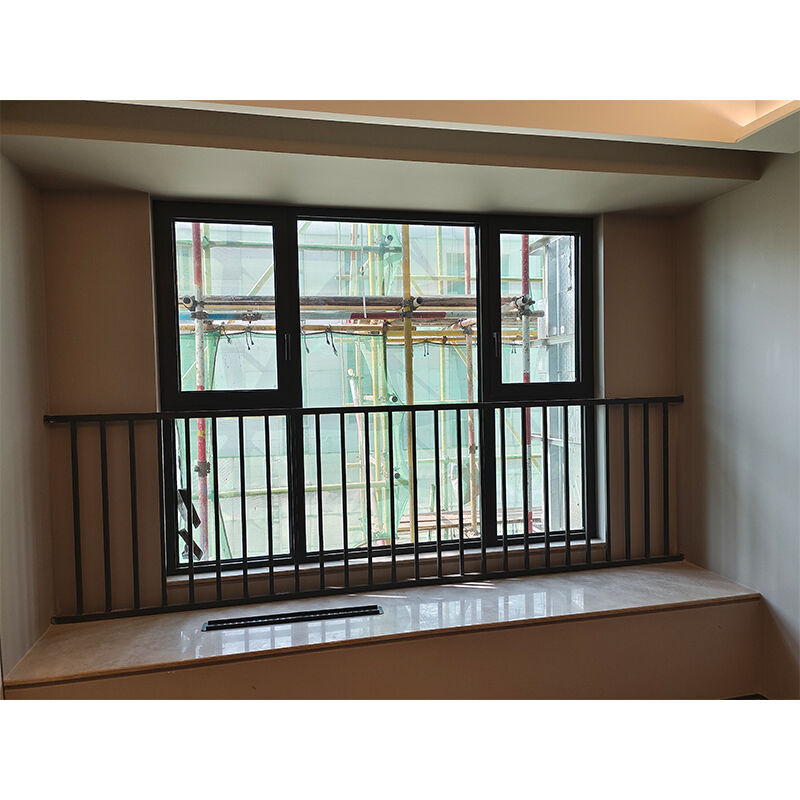
Modern architecture increasingly embraces minimalist design principles, where clean lines and unobstructed views take precedence over ornate details. The pursuit of a "frameless" aesthetic has revolutionized how we approach window design, with slim aluminium windows leading this transformation. These sleek glazing solutions offer the perfect balance between structural integrity and visual lightness, creating seamless transitions between interior and exterior spaces while maximizing natural light penetration.
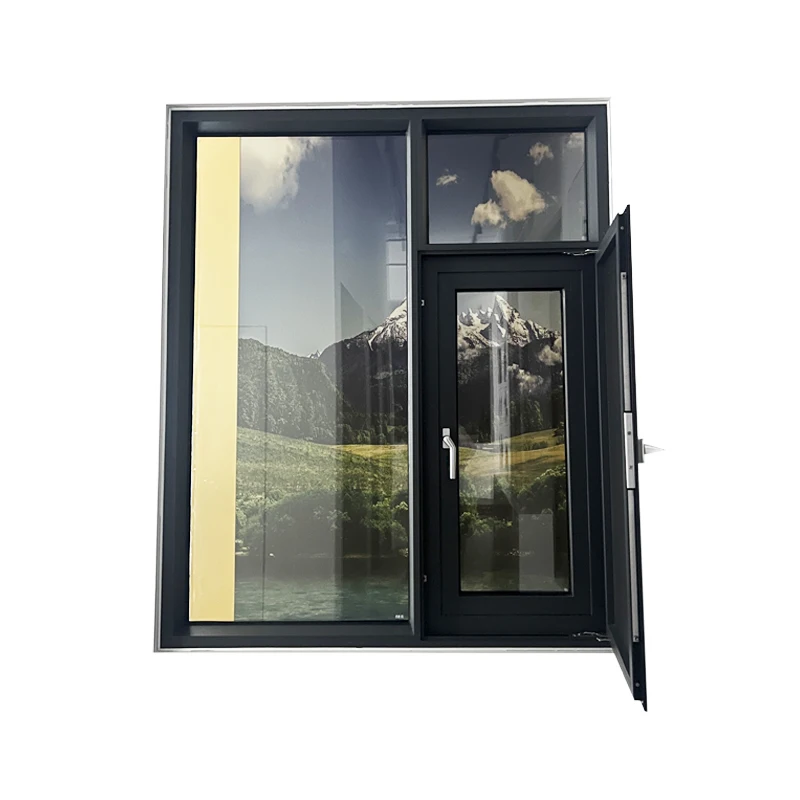
The concept of frameless windows represents more than just an aesthetic choice; it embodies a philosophical approach to modern living that prioritizes connection with the outdoors. By reducing visual barriers between interior and exterior environments, slim aluminium windows facilitate a sense of openness and spatial continuity that traditional heavy frames cannot achieve. This design philosophy has gained particular traction in contemporary residential projects, commercial developments, and architectural renovations where natural light and unobstructed views are paramount.
Understanding the Frameless Window Concept
Design Philosophy Behind Minimal Frames
The frameless window movement stems from modernist architectural principles that celebrate simplicity, functionality, and visual clarity. Architects and designers have long sought to eliminate unnecessary visual elements that might interrupt the flow of space or distract from the building's primary design intent. Slim aluminium windows represent the culmination of this pursuit, offering frames that are structurally sound yet visually unobtrusive.
This design approach requires careful consideration of proportions, materials, and installation techniques. The goal is not to eliminate the frame entirely but to minimize its visual impact while maintaining necessary structural and weatherproofing functions. Slim aluminium windows achieve this balance through precise engineering that allows for reduced frame depths and widths without compromising performance standards.
Technical Advantages of Minimal Frame Design
Beyond aesthetic considerations, slim aluminium windows offer several technical advantages that make them increasingly popular among architects and builders. The reduced frame mass allows for larger glass areas, which directly translates to improved natural lighting conditions within interior spaces. This increased daylight penetration can significantly impact energy efficiency by reducing artificial lighting requirements during daylight hours.
The streamlined profile of these windows also contributes to improved thermal performance when properly designed and installed. Modern slim aluminium windows incorporate thermal breaks and advanced glazing systems that maintain energy efficiency despite their minimal appearance. The precise manufacturing tolerances required for slim profiles often result in superior weatherproofing performance compared to traditional window systems.
Material Properties and Performance Characteristics
Aluminium's Structural Advantages
Aluminium's exceptional strength-to-weight ratio makes it the ideal material for creating slim window frames without sacrificing structural integrity. Unlike materials such as wood or vinyl, aluminium can maintain its structural properties even when manufactured in extremely thin profiles. This characteristic allows designers to push the boundaries of minimal frame design while ensuring long-term performance and safety.
The material's natural resistance to corrosion and weathering further enhances its suitability for window applications. Properly treated aluminium surfaces can withstand decades of exposure to environmental elements without significant degradation, making slim aluminium windows a cost-effective long-term investment for both residential and commercial applications.
Thermal Performance Considerations
Modern slim aluminium windows incorporate sophisticated thermal break technology that addresses aluminium's natural thermal conductivity. These thermal breaks create barriers within the frame structure that prevent heat transfer between interior and exterior surfaces, significantly improving the window's overall energy efficiency. Advanced polyamide thermal breaks can reduce thermal transmission by up to 70% compared to non-thermally broken aluminium frames.
The integration of high-performance glazing systems further enhances thermal performance. Double or triple glazing with low-emissivity coatings and inert gas fills can achieve U-values that meet or exceed current energy codes while maintaining the slim aesthetic profile. This combination of advanced materials and engineering allows slim aluminium windows to deliver superior thermal performance without the visual bulk of traditional energy-efficient window systems.
Design Applications and Architectural Integration
Residential Applications
In residential settings, slim aluminium windows serve multiple design objectives while addressing practical performance requirements. Living spaces benefit from the increased natural light and unobstructed views that these windows provide, creating more spacious and connected interior environments. The minimal frame appearance complements contemporary interior design trends that emphasize clean lines and uncluttered aesthetics.
Kitchen and dining areas particularly benefit from slim aluminium windows, as they often face outdoor entertaining spaces or gardens. The seamless visual connection between interior and exterior spaces enhances the functionality of these social areas while maintaining necessary weather protection and security. Master bedrooms and bathrooms also gain from the private outdoor views and natural lighting that slim aluminium windows facilitate.
Commercial and Institutional Projects
Commercial buildings leverage slim aluminium windows to create impressive facades that maximize daylight penetration while maintaining professional appearances. Office environments benefit from improved natural lighting conditions that can enhance productivity and reduce energy consumption. The sleek appearance of these windows aligns with corporate design preferences for modern, efficient building systems.
Educational and healthcare facilities find particular value in slim aluminium windows due to their ability to create connection with outdoor spaces while maintaining necessary security and environmental control. The psychological benefits of natural light and outdoor views are well-documented in these institutional settings, making window selection a critical design decision that impacts occupant wellbeing and facility performance.
Installation and Technical Considerations
Structural Requirements
Installing slim aluminium windows requires careful attention to structural support systems that can accommodate the specific load distribution characteristics of minimal frame designs. The reduced frame depth means that structural loads must be transferred efficiently to the building's primary structural elements without creating stress concentrations that could compromise performance over time.
Proper flashing and weatherproofing details become even more critical with slim aluminium windows due to the reduced material thickness available for creating weatherproofing redundancy. Installation teams must follow manufacturer specifications precisely to ensure that minimal frame depths do not compromise the window's ability to shed water and resist air infiltration under various weather conditions.
Quality Control and Performance Testing
The manufacturing precision required for slim aluminium windows demands rigorous quality control processes throughout production and installation phases. Frame tolerances must be maintained within extremely tight specifications to ensure proper fit and function, particularly for operating sash components that must maintain smooth operation despite minimal clearances.
Performance testing becomes increasingly important as frame profiles become more refined. Slim aluminium windows must undergo comprehensive testing for structural performance, air infiltration, water penetration, and thermal cycling to verify that minimal frame designs can meet or exceed industry performance standards. These tests ensure that aesthetic improvements do not compromise functional requirements.
Maintenance and Longevity
Routine Maintenance Requirements
Slim aluminium windows generally require minimal maintenance due to the inherent properties of aluminium and the precision manufacturing processes used in their production. Regular cleaning of glazing surfaces and occasional lubrication of operating hardware typically represents the extent of required maintenance for most installations. The reduced frame mass also means fewer components that might require adjustment or replacement over time.
However, the precision fit of slim aluminium windows makes proper maintenance timing more critical than with traditional window systems. Small amounts of debris or minor hardware wear can have more noticeable impacts on operation when clearances are minimized. Establishing regular inspection schedules helps identify potential issues before they affect window performance or appearance.
Long-term Performance Expectations
Properly manufactured and installed slim aluminium windows can provide decades of reliable service with minimal maintenance requirements. The material properties of aluminium, combined with modern surface treatments and hardware systems, create window systems that resist common failure modes such as frame deterioration, hardware corrosion, and weatherstrip degradation.
Long-term performance also depends on the quality of glazing systems and sealants used in conjunction with slim aluminium frames. High-performance glazing units with extended warranties help ensure that the window system maintains its thermal and optical performance throughout its expected service life. Advanced sealant systems designed specifically for minimal frame applications provide necessary weatherproofing without adding visual bulk to the frame profile.
Energy Efficiency and Environmental Impact
Daylight Optimization
The larger glass areas made possible by slim aluminium windows create significant opportunities for reducing artificial lighting energy consumption throughout daylight hours. Studies have shown that increasing natural daylight penetration by just 10% can reduce lighting energy consumption by 15-20% in typical commercial buildings. This reduction becomes even more significant in residential applications where occupants spend substantial time in naturally lit spaces.
Proper daylight management through slim aluminium windows also requires consideration of glare control and heat gain management. Advanced glazing systems can selectively transmit visible light while reflecting infrared radiation, maintaining comfortable interior conditions while maximizing the energy benefits of increased daylight penetration. This balance ensures that slim aluminium windows contribute positively to overall building energy performance.
Sustainability Considerations
Aluminium's recyclability makes slim aluminium windows an environmentally responsible choice for sustainable building design. The material can be recycled indefinitely without loss of performance properties, and the energy required for recycling aluminium is only 5% of the energy needed for primary production. This characteristic becomes increasingly important as building owners and designers prioritize lifecycle environmental impacts.
The durability and longevity of slim aluminium windows also contribute to their environmental benefits. Extended service life reduces the frequency of replacement cycles, minimizing material consumption and installation-related environmental impacts over the building's operational period. When combined with energy-efficient glazing systems, these windows can significantly reduce a building's operational energy consumption throughout its useful life.
Cost Considerations and Value Proposition
Initial Investment Analysis
Slim aluminium windows typically command premium pricing compared to standard window systems due to the precision manufacturing and advanced materials required for their production. However, this initial investment must be evaluated against the long-term benefits these windows provide, including reduced maintenance costs, improved energy efficiency, and enhanced property values.
The cost differential becomes more favorable when considering the total installed cost including any structural modifications required to accommodate different window systems. Slim aluminium windows often require less structural support than heavier traditional systems, potentially reducing overall project costs despite higher material costs. Additionally, the improved thermal performance can qualify buildings for energy efficiency incentives that help offset initial investment costs.
Return on Investment Factors
Property value enhancement represents a significant component of the return on investment for slim aluminium windows. The modern aesthetic and improved functionality these windows provide can increase property values by amounts that often exceed the premium paid for the window systems. This value enhancement becomes particularly important in competitive real estate markets where modern amenities command price premiums.
Operational savings through reduced energy consumption and maintenance requirements provide ongoing returns throughout the window's service life. The improved daylight penetration can reduce lighting costs, while superior thermal performance reduces heating and cooling expenses. These operational benefits compound over time, creating substantial cumulative savings that justify the initial investment in quality slim aluminium windows.
FAQ
How do slim aluminium windows maintain structural integrity with reduced frame size
Slim aluminium windows maintain structural integrity through advanced engineering that optimizes material distribution and incorporates high-strength aluminium alloys. The frames use precisely calculated cross-sectional designs that concentrate material where structural loads are highest while minimizing material in areas where it contributes primarily to visual bulk. Modern manufacturing techniques allow for complex internal geometries that maximize strength-to-weight ratios, ensuring that even minimal frame profiles can withstand wind loads, thermal expansion, and operational stresses throughout their service life.
What maintenance requirements do slim aluminium windows have compared to traditional windows
Slim aluminium windows generally require less maintenance than traditional window systems due to aluminium's inherent corrosion resistance and the precision manufacturing that minimizes wear points. Routine maintenance typically involves cleaning glazing surfaces, lubricating operating hardware annually, and inspecting weatherstrip condition. The reduced frame mass means fewer components subject to wear, while modern hardware systems are designed for extended service intervals. However, the tight tolerances of slim profiles make timely maintenance more important, as small amounts of debris or minor hardware wear can more noticeably impact operation compared to traditional windows with larger clearances.
Can slim aluminium windows achieve the same thermal performance as thicker traditional frames
Modern slim aluminium windows can achieve thermal performance equal to or better than traditional thicker frames through advanced thermal break technology and high-performance glazing systems. Sophisticated polyamide thermal breaks create effective barriers against heat transfer within the minimal frame structure, while low-emissivity glazing and inert gas fills optimize thermal performance of the glazing system. The key is proper engineering that integrates all thermal control elements into a cohesive system, allowing slim profiles to meet or exceed energy code requirements while maintaining their aesthetic advantages.
What factors should be considered when selecting slim aluminium windows for specific architectural applications
Selecting appropriate slim aluminium windows requires evaluation of structural loads, environmental exposure conditions, operational requirements, and aesthetic objectives. Wind load calculations determine minimum frame strength requirements, while climate conditions influence thermal performance specifications and weatherproofing details. Building orientation affects solar heat gain considerations and glare control requirements. Operational needs such as ventilation requirements and security considerations influence hardware selection and frame configuration options. Additionally, local building codes and energy efficiency requirements establish minimum performance thresholds that must be met regardless of aesthetic preferences, making comprehensive evaluation essential for successful window selection and long-term performance.
Table of Contents
- Understanding the Frameless Window Concept
- Material Properties and Performance Characteristics
- Design Applications and Architectural Integration
- Installation and Technical Considerations
- Maintenance and Longevity
- Energy Efficiency and Environmental Impact
- Cost Considerations and Value Proposition
-
FAQ
- How do slim aluminium windows maintain structural integrity with reduced frame size
- What maintenance requirements do slim aluminium windows have compared to traditional windows
- Can slim aluminium windows achieve the same thermal performance as thicker traditional frames
- What factors should be considered when selecting slim aluminium windows for specific architectural applications