 EN
EN

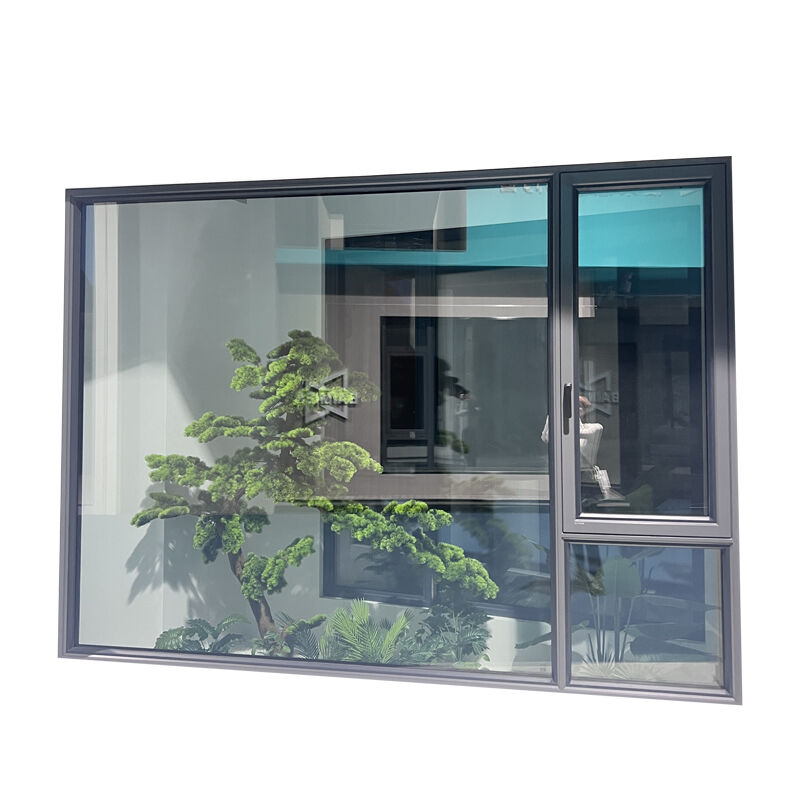
The aluminium windows fabrication industry has evolved significantly over the past decade, incorporating advanced technologies and sustainable practices to meet growing market demands. Modern aluminium windows fabrication processes combine precision engineering with innovative design principles to create energy-efficient, durable window systems that meet stringent building codes and aesthetic requirements. Understanding the complete fabrication workflow helps architects, contractors, and building owners make informed decisions about window specifications and installation requirements.
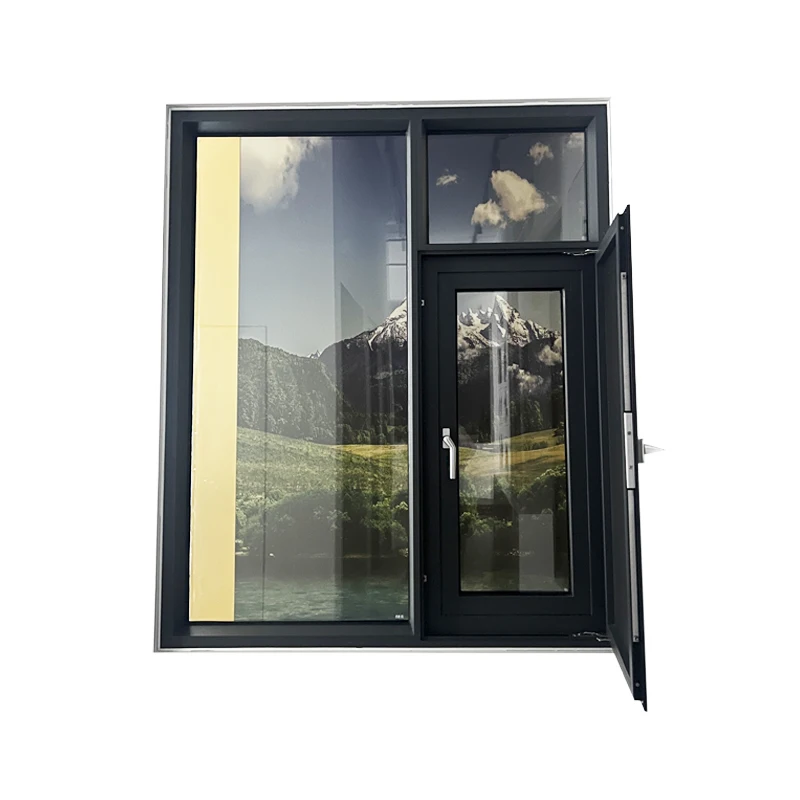
Design Phase and Engineering Specifications
Initial Design Development and Requirements Assessment
The aluminium windows fabrication process begins with comprehensive design development that considers architectural requirements, structural load calculations, and environmental factors. Professional engineers analyze building specifications to determine optimal window configurations, thermal performance requirements, and structural integration methods. This phase involves detailed consultations with architects to ensure that the fabricated windows align with overall building aesthetics while maintaining functional performance standards.
Design teams utilize advanced CAD software to create precise technical drawings that specify frame dimensions, glazing requirements, and hardware configurations. These specifications form the foundation for the entire aluminium windows fabrication workflow, ensuring that each component meets exact dimensional tolerances and performance criteria. Quality control measures during the design phase help prevent costly modifications during later production stages.
Material Selection and Performance Standards
Material selection plays a crucial role in successful aluminium windows fabrication, as different alloy compositions provide varying strength characteristics and corrosion resistance properties. Industry-standard aluminium alloys such as 6063-T5 and 6061-T6 offer excellent extrudability while maintaining structural integrity under various loading conditions. Fabrication teams evaluate thermal expansion coefficients, surface treatment compatibility, and long-term durability when selecting appropriate materials for specific project requirements.
Performance standards for aluminium windows fabrication include compliance with international certification requirements such as NFRC ratings, AS2047 standards, and local building codes. These standards govern thermal transmittance values, air infiltration rates, water penetration resistance, and structural wind load capacity. Proper material selection ensures that fabricated windows achieve required performance ratings while maintaining cost-effectiveness throughout the manufacturing process.
Manufacturing and Production Processes
Extrusion and Profile Preparation
The manufacturing phase of aluminium windows fabrication begins with precision extrusion processes that create standardized profiles according to engineering specifications. Industrial extrusion equipment shapes heated aluminium billets through custom dies to produce consistent cross-sectional profiles with precise dimensional tolerances. Quality control inspectors monitor extrusion temperatures, cooling rates, and dimensional accuracy to ensure that profiles meet fabrication requirements.
Profile preparation involves cutting extruded sections to specified lengths using precision saw equipment with carbide-tipped blades designed for aluminium cutting applications. Advanced fabrication facilities utilize automated cutting systems that reference digital specifications to minimize material waste and ensure consistent cut quality. Each profile section undergoes inspection for surface defects, dimensional accuracy, and proper edge preparation before proceeding to assembly operations.
Machining and Hardware Integration
Sophisticated machining operations in aluminium windows fabrication include precision drilling, milling, and routing processes that create hardware mounting points and drainage channels. Computer-controlled machining centers execute complex cutting operations with tolerances measured in hundredths of millimeters, ensuring proper hardware fit and long-term operational reliability. Fabrication technicians program machining sequences to optimize tool life while maintaining consistent quality across production runs.
Hardware integration involves installing hinges, locks, handles, and weatherstripping systems according to manufacturer specifications and performance requirements. Quality aluminium windows fabrication processes ensure that hardware components align properly with frame geometries and operate smoothly throughout their design life. Technicians test hardware functionality before final assembly to identify potential adjustment requirements.
Surface Treatment and Finishing Techniques
Anodizing and Powder Coating Applications
Surface treatment represents a critical component of professional aluminium windows fabrication, providing corrosion protection and aesthetic enhancement through various finishing techniques. Anodizing processes create controlled oxide layers that enhance corrosion resistance while enabling consistent color applications through electrolytic coloring methods. Fabrication facilities maintain precise bath chemistry and electrical parameters to ensure uniform anodized finishes across all window components.
Powder coating applications in aluminium windows fabrication utilize electrostatic spray systems to apply polymer coatings that cure under controlled temperature conditions. Advanced powder coating lines incorporate multiple preparation stages including cleaning, etching, and conversion coating treatments that promote excellent adhesion between the aluminium substrate and applied finish. Quality control procedures monitor coating thickness, cure parameters, and adhesion properties to ensure long-term finish durability.
Quality Assurance and Finish Inspection
Comprehensive quality assurance protocols in aluminium windows fabrication include detailed finish inspection procedures that evaluate coating uniformity, color consistency, and surface defect identification. Trained inspectors utilize calibrated measurement equipment to verify coating thickness compliance with specification requirements and industry standards. Digital color matching systems ensure consistent finish quality across production batches and facilitate accurate color reproduction for architectural matching requirements.
Final inspection procedures encompass dimensional verification, hardware functionality testing, and weatherstrip installation quality checks before packaging operations. Fabrication quality systems maintain detailed documentation of inspection results, material certifications, and process parameters to support warranty claims and continuous improvement initiatives. This systematic approach ensures that completed windows meet all performance specifications before delivery to installation sites.
Assembly and Glazing Operations
Frame Assembly and Structural Integration
Precision frame assembly in aluminium windows fabrication utilizes specialized jigs and fixtures to maintain geometric accuracy during corner joining operations. Mechanical fasteners, structural adhesives, and welding techniques create permanent connections between frame members that withstand structural loading and thermal cycling throughout the window's service life. Assembly technicians follow documented procedures to ensure consistent joint quality and proper sealant application at critical connection points.
Structural integration involves installing reinforcement elements, thermal breaks, and drainage components that enhance overall window performance characteristics. Modern aluminium windows fabrication incorporates polyamide thermal breaks that reduce heat transfer while maintaining structural continuity between interior and exterior frame sections. Quality control measures verify proper thermal break installation and structural connection integrity before glazing operations commence.
Glazing Installation and Sealing Systems
Professional glazing installation requires precise measurement and handling techniques to ensure proper glass positioning and sealant application during aluminium windows fabrication. Glazing technicians utilize vacuum lifting equipment and specialized tools to position insulated glass units accurately within frame systems while maintaining consistent edge clearances. Proper glazing techniques prevent glass stress concentrations that could lead to thermal breakage or premature seal failure.
Sealing systems in contemporary aluminium windows fabrication incorporate structural glazing compounds, weatherstripping materials, and drainage components that provide comprehensive weather protection. Primary and secondary sealant applications create redundant barriers against water infiltration while accommodating thermal movement and building deflection. Installation teams verify sealant cure conditions and conduct preliminary water testing to ensure weatherproofing effectiveness before final quality inspections.
Installation and Field Integration
Site Preparation and Mounting Requirements
Successful installation of fabricated aluminium windows requires thorough site preparation including rough opening verification, structural attachment point inspection, and coordination with other building trades. Installation teams review architectural drawings and shop drawings to confirm mounting details and flashing requirements before beginning installation procedures. Proper site preparation prevents installation delays and ensures optimal window performance throughout the building's service life.
Mounting requirements for aluminium windows fabrication projects include structural attachment systems that transfer wind loads and seismic forces safely to the building structure. Installation technicians utilize anchoring systems specifically designed for the building's construction materials, whether concrete, steel, or wood framing. Quality installation practices incorporate proper shimming techniques and adjustment procedures that maintain window geometry while accommodating normal building tolerances.
Performance Testing and Final Adjustments
Field performance testing validates that installed aluminium windows meet design specifications and building code requirements through systematic evaluation procedures. Testing protocols include air infiltration measurements, water penetration resistance verification, and operational force testing for operable window types. Professional installation teams utilize calibrated testing equipment to document performance compliance and identify any adjustment requirements.
Final adjustments in aluminium windows fabrication projects encompass hardware calibration, weatherstrip positioning, and drainage system verification to optimize long-term performance characteristics. Installation technicians make precise adjustments to hardware components to ensure smooth operation and proper sealing contact throughout the window's range of motion. Comprehensive installation documentation provides building owners with performance test results, warranty information, and maintenance recommendations for ongoing window care.
FAQ
What factors determine the timeline for aluminium windows fabrication projects
The timeline for aluminium windows fabrication depends on several critical factors including project complexity, custom design requirements, material availability, and production scheduling. Standard window configurations typically require 4-6 weeks from order confirmation to delivery, while complex custom designs may extend to 8-12 weeks. Fabrication facilities maintain detailed production schedules that account for design approval phases, material procurement lead times, and quality control requirements to provide accurate delivery estimates.
How do modern aluminium windows fabrication processes ensure energy efficiency
Contemporary aluminium windows fabrication incorporates multiple energy efficiency strategies including thermal break technology, high-performance glazing systems, and precision weatherstripping installation. Polyamide thermal breaks create thermal separation between interior and exterior frame sections, significantly reducing heat transfer through the window assembly. Advanced glazing options such as low-E coatings and gas-filled insulated glass units further enhance thermal performance while maintaining optical clarity and structural integrity.
What quality standards govern professional aluminium windows fabrication
Professional aluminium windows fabrication must comply with various international and regional quality standards including AAMA specifications, NFRC certification requirements, and local building codes. These standards establish minimum performance criteria for air infiltration rates, water penetration resistance, structural loading capacity, and thermal transmittance values. Certified fabrication facilities maintain quality management systems that ensure consistent compliance with applicable standards through documented procedures and regular third-party audits.
How do fabrication facilities handle custom design requirements and architectural integration
Leading aluminium windows fabrication facilities utilize advanced design software and engineering expertise to accommodate complex architectural requirements while maintaining structural performance and manufacturing efficiency. Design teams collaborate closely with architects and contractors to develop custom profiles, specialized hardware configurations, and unique finishing options that align with project specifications. Prototyping capabilities allow fabricators to test custom designs before full production, ensuring that architectural vision translates successfully into functional window systems.
Table of Contents
- Design Phase and Engineering Specifications
- Manufacturing and Production Processes
- Surface Treatment and Finishing Techniques
- Assembly and Glazing Operations
- Installation and Field Integration
-
FAQ
- What factors determine the timeline for aluminium windows fabrication projects
- How do modern aluminium windows fabrication processes ensure energy efficiency
- What quality standards govern professional aluminium windows fabrication
- How do fabrication facilities handle custom design requirements and architectural integration