 EN
EN

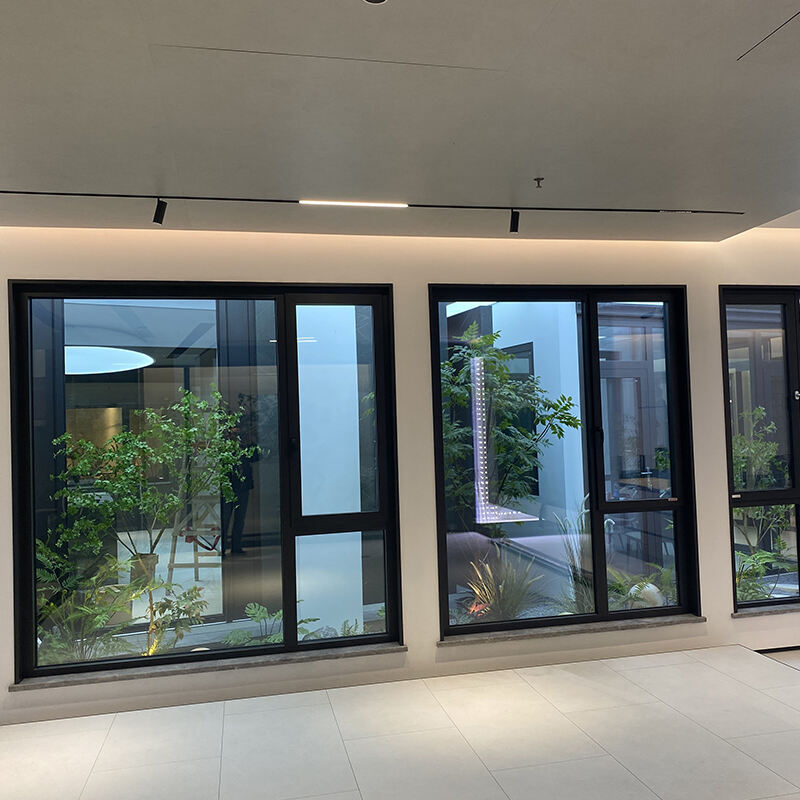
Modern architecture increasingly demands sleek, minimalist designs that maximize natural light while maintaining structural integrity. Frameless aluminium windows have emerged as the preferred solution for architects, builders, and homeowners seeking to achieve contemporary aesthetics without compromising functionality. These innovative window systems eliminate visible frames around the glass perimeter, creating unobstructed views and seamless integration with building facades. The growing popularity of frameless aluminium windows reflects broader trends toward open-plan living, energy efficiency, and sophisticated design elements that enhance property value.
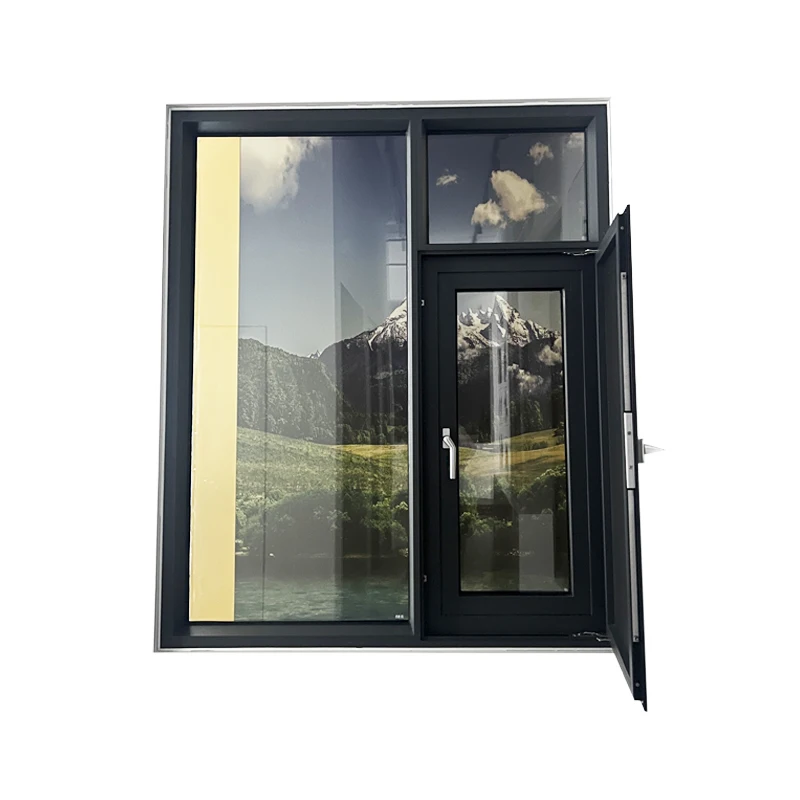
Understanding Frameless Aluminium Window Technology
Structural Engineering and Design Principles
The engineering behind frameless aluminium windows involves sophisticated structural calculations and precise manufacturing tolerances. Unlike traditional window systems that rely on visible frames for support, these advanced designs utilize hidden structural elements integrated within the building envelope. The aluminium components are strategically positioned to bear loads while remaining invisible from both interior and exterior perspectives. This approach requires careful coordination between architects, structural engineers, and window manufacturers to ensure proper load distribution and weather sealing.
Manufacturing processes for frameless aluminium windows incorporate advanced extrusion techniques and precision machining to achieve the tight tolerances necessary for proper installation. The aluminium profiles undergo specialized treatments including anodizing or powder coating to enhance durability and weather resistance. These treatments not only protect the metal from corrosion but also provide aesthetic options for matching building design themes. Quality control measures throughout production ensure each window unit meets strict performance standards for air infiltration, water penetration, and structural integrity.
Glass Integration and Sealing Systems
Advanced glazing technologies play a crucial role in frameless aluminium windows performance and energy efficiency. Double or triple-glazed insulating glass units are commonly specified to meet thermal performance requirements while maintaining the desired aesthetic appearance. The glass panels are secured using structural glazing techniques that eliminate the need for exterior gaskets or visible fasteners. Specialized sealants and adhesives create weatherproof barriers that prevent air and water infiltration while allowing for thermal movement.
Thermal performance optimization in frameless aluminium windows involves careful attention to edge details and thermal bridging prevention. Advanced spacer systems within insulating glass units minimize heat transfer while maintaining structural stability. Some manufacturers incorporate thermal breaks within the hidden aluminium components to further enhance energy efficiency. These technical considerations ensure that frameless aluminium windows meet or exceed building code requirements for thermal performance in various climate zones.
Cost Analysis and Budget Considerations
Initial Investment and Material Costs
The initial cost of frameless aluminium windows typically exceeds traditional window systems due to their specialized engineering and manufacturing requirements. Material costs reflect the precision-machined aluminium components, high-performance glazing systems, and specialized hardware necessary for proper operation. Professional design services are often required to integrate these windows into building structures, adding to overall project costs. However, the long-term value proposition includes reduced maintenance requirements, enhanced energy efficiency, and increased property values that offset initial investments.
Pricing structures for frameless aluminium windows vary significantly based on project scale, customization requirements, and performance specifications. Standard sizes and configurations offer more competitive pricing compared to fully customized solutions. Bulk orders for large commercial or residential developments typically receive volume discounts from manufacturers. Additional cost factors include specialized installation requirements, structural modifications, and coordination with other building trades during construction phases.
Long-term Value and Return on Investment
Energy savings from high-performance frameless aluminium windows contribute to positive long-term financial returns through reduced heating and cooling costs. Superior thermal performance minimizes energy consumption while maintaining comfortable interior environments throughout seasonal variations. These energy savings compound over time, particularly in regions with extreme climate conditions where heating and cooling represent significant portions of building operating expenses. Property value appreciation from premium window installations often exceeds the initial cost differential compared to standard window systems.
Maintenance cost advantages of frameless aluminium windows include their resistance to weathering, corrosion, and operational degradation over extended service lives. Quality aluminium components retain their appearance and functionality for decades with minimal maintenance requirements. The absence of visible frames reduces cleaning complexity and frequency compared to traditional window systems with multiple frame surfaces and joints. These maintenance advantages translate to lower lifecycle costs and improved building asset values over time.
Performance Benefits and Technical Advantages
Thermal Efficiency and Energy Performance
Superior thermal performance distinguishes frameless aluminium windows from conventional alternatives through advanced engineering and material selection. Precision-engineered thermal breaks within the hidden frame components minimize heat transfer while maintaining structural integrity. High-performance glazing systems with low-emissivity coatings and gas fills optimize solar heat gain coefficients for specific climate applications. These technical features contribute to significant reductions in heating and cooling energy consumption compared to standard window installations.
Air infiltration control in frameless aluminium windows exceeds industry standards through advanced sealing technologies and precision manufacturing tolerances. Multiple sealing planes create redundant barriers against air leakage while accommodating thermal movement and structural deflections. Weather stripping systems utilize durable elastomeric materials that maintain sealing effectiveness throughout extended service lives. These sealing improvements contribute to enhanced indoor air quality and reduced energy consumption from uncontrolled air exchange.
Acoustic Performance and Sound Control
Sound transmission reduction capabilities of frameless aluminium windows address growing concerns about urban noise pollution and acoustic comfort requirements. Advanced glazing configurations with varying glass thicknesses and laminated layers provide superior acoustic isolation compared to standard window systems. The elimination of visible frames reduces potential acoustic bridging paths while maintaining structural performance. These acoustic advantages prove particularly valuable in commercial applications, healthcare facilities, and residential projects near transportation corridors.
Specialized acoustic glazing options for frameless aluminium windows include laminated glass assemblies with sound-dampening interlayers and asymmetric glass thickness configurations. These technical solutions target specific frequency ranges where noise control is most critical. Professional acoustic consultants can specify appropriate glazing combinations to achieve desired sound transmission class ratings for various applications. The integration of acoustic performance with thermal efficiency creates comprehensive building envelope solutions that address multiple environmental comfort factors.
Design Flexibility and Aesthetic Integration
Architectural Applications and Style Integration
Frameless aluminium windows offer unprecedented design flexibility for contemporary architectural applications ranging from residential renovations to large-scale commercial developments. The absence of visible frames allows architects to create continuous glass surfaces that blur boundaries between interior and exterior spaces. This design capability proves particularly valuable in modern architectural styles emphasizing transparency, natural light, and visual connections to outdoor environments. Integration possibilities include floor-to-ceiling installations, corner window systems, and continuous ribbon windows spanning multiple structural bays.
Customization options for frameless aluminium windows accommodate diverse architectural requirements through variable sizes, shapes, and operating configurations. Special geometric shapes including curved, angled, and polygonal configurations expand design possibilities beyond rectangular limitations. Color matching capabilities through powder coating or anodizing processes ensure seamless integration with building facade materials and design themes. These customization capabilities enable architects to realize complex design visions while maintaining performance standards.
Interior Design Enhancement and Space Optimization
Interior space enhancement through frameless aluminium windows creates opportunities for improved natural lighting distribution and visual space expansion. The elimination of visible frame elements maximizes glass area within existing openings while reducing visual obstruction of outdoor views. This design approach proves particularly beneficial in smaller spaces where every element contributes to perceived spatial volume. Natural light optimization through larger glass areas reduces reliance on artificial lighting while creating healthier indoor environments.
Privacy considerations with frameless aluminium windows can be addressed through various glazing options including tinted, frosted, or switchable privacy glass technologies. These solutions maintain the aesthetic benefits of frameless design while providing appropriate privacy control for different applications. Integration with interior design elements such as window treatments, furniture placement, and lighting design requires careful coordination to maximize the visual impact of unobstructed glass surfaces. Professional interior designers often recommend complementary design strategies that emphasize the dramatic effect of frameless windows.
Installation Process and Technical Requirements
Pre-Installation Planning and Site Preparation
Successful installation of frameless aluminium windows begins with comprehensive site analysis and structural assessment to ensure compatibility with existing building conditions. Professional surveys evaluate opening dimensions, structural load paths, and potential interference with existing building systems. Structural modifications may be required to accommodate the specific load distribution characteristics of frameless window systems. Coordination with structural engineers ensures that building modifications maintain code compliance and structural integrity throughout the installation process.
Site preparation for frameless aluminium windows installation involves precise opening preparation and alignment verification using laser measurement tools. Existing window removal requires careful attention to surrounding finishes and waterproofing systems to minimize restoration requirements. Temporary weather protection during installation prevents water damage to interior spaces and building materials. Professional installation teams coordinate with other trades to sequence work activities and minimize construction disruption while maintaining quality standards.
Professional Installation Techniques and Quality Control
Professional installation of frameless aluminium windows requires specialized tools, techniques, and expertise to achieve proper performance and appearance standards. Certified installers utilize precision measurement equipment, specialized lifting devices, and weatherproofing materials designed specifically for frameless window applications. Installation sequences follow manufacturer specifications and industry best practices to ensure proper sealing, alignment, and operational performance. Quality control inspections at each installation phase verify compliance with performance standards and warranty requirements.
Weatherproofing integration during frameless aluminium windows installation involves multiple sealing planes and advanced membrane systems to prevent water infiltration. Professional installation teams coordinate waterproofing details with building envelope consultants to ensure comprehensive weather protection. Testing procedures including water spray tests and air infiltration measurements verify installation quality before project completion. These quality assurance measures protect against future performance issues while ensuring warranty coverage remains valid.
Maintenance and Long-term Performance
Routine Maintenance Procedures and Schedules
Long-term performance of frameless aluminium windows depends on regular maintenance procedures that preserve both functional operation and aesthetic appearance. Routine cleaning protocols involve specialized techniques for large glass surfaces while protecting aluminium components from chemical damage. Professional cleaning services often provide optimal results through proper equipment and cleaning solutions designed for high-performance window systems. Scheduled maintenance inspections identify potential issues before they develop into costly repairs or performance degradation.
Hardware maintenance for frameless aluminium windows includes lubrication of operating mechanisms, adjustment of sealing systems, and inspection of structural connections. Manufacturer maintenance guidelines specify appropriate lubricants, adjustment procedures, and replacement schedules for wear components. Professional maintenance services ensure that warranty requirements are met while extending operational life and performance reliability. Preventive maintenance programs often prove more cost-effective than reactive repairs while maintaining optimal window performance throughout service life.
Performance Monitoring and Troubleshooting
Performance monitoring systems for frameless aluminium windows can identify operational issues, energy efficiency changes, and maintenance requirements through regular assessment procedures. Professional evaluations include air infiltration testing, thermal performance measurement, and operational function verification. Early detection of performance degradation enables targeted maintenance interventions that restore optimal operation while minimizing repair costs. Documentation of maintenance activities and performance measurements supports warranty claims and long-term asset management.
Common troubleshooting issues with frameless aluminium windows include sealing degradation, hardware adjustment requirements, and glass unit failures requiring professional diagnosis and repair. Manufacturer technical support services provide guidance for addressing performance issues while maintaining warranty coverage. Professional repair services utilize genuine replacement parts and approved procedures to restore window performance to original specifications. These support services ensure that frameless aluminium windows continue delivering optimal performance throughout their expected service life.
FAQ
What factors influence the cost of frameless aluminium windows compared to traditional window systems
The cost differential between frameless aluminium windows and traditional systems reflects several technical and manufacturing factors including precision engineering requirements, specialized hardware, advanced glazing systems, and professional installation expertise. Material costs for high-performance aluminium components, structural glazing systems, and thermal break technologies contribute to higher initial investments. However, long-term value considerations including energy savings, reduced maintenance requirements, and enhanced property values often justify the additional cost over the window's service life.
How do frameless aluminium windows perform in extreme weather conditions and various climate zones
Frameless aluminium windows are engineered to perform reliably in diverse climate conditions through advanced sealing systems, thermal break technologies, and structural design optimizations. Manufacturer testing procedures verify performance under extreme temperature variations, wind loads, and precipitation conditions typical of different geographic regions. Proper specification and installation ensure that these window systems meet local building codes and performance requirements while maintaining operational reliability throughout seasonal weather variations.
What structural modifications are typically required for frameless aluminium windows installation
Structural modifications for frameless aluminium windows installation vary depending on existing building conditions, window sizes, and load distribution requirements. Common modifications include reinforcement of opening headers, adjustment of structural supports, and integration of specialized anchoring systems designed for frameless window applications. Professional structural assessment determines specific modification requirements while ensuring compliance with building codes and maintaining structural integrity throughout the installation process.
How do frameless aluminium windows compare to other premium window systems in terms of energy efficiency
Energy efficiency comparisons between frameless aluminium windows and other premium systems depend on specific glazing configurations, thermal break designs, and sealing technologies incorporated in each system. High-performance frameless designs often exceed traditional window systems through optimized thermal performance, reduced air infiltration, and advanced glazing technologies. Professional energy consultants can evaluate specific performance characteristics and recommend appropriate window systems based on climate conditions, building orientation, and energy efficiency goals for individual projects.
Table of Contents
- Understanding Frameless Aluminium Window Technology
- Cost Analysis and Budget Considerations
- Performance Benefits and Technical Advantages
- Design Flexibility and Aesthetic Integration
- Installation Process and Technical Requirements
- Maintenance and Long-term Performance
-
FAQ
- What factors influence the cost of frameless aluminium windows compared to traditional window systems
- How do frameless aluminium windows perform in extreme weather conditions and various climate zones
- What structural modifications are typically required for frameless aluminium windows installation
- How do frameless aluminium windows compare to other premium window systems in terms of energy efficiency