 EN
EN

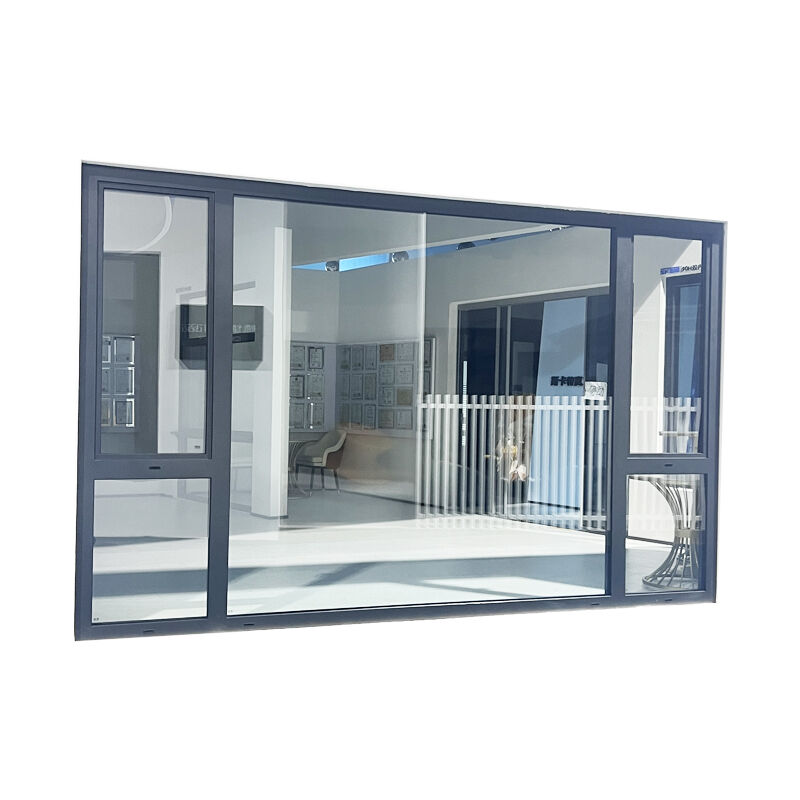
Modern commercial buildings require window systems that deliver exceptional performance while adhering to stringent building codes and energy efficiency standards. Commercial aluminum windows have become the preferred choice for architects, contractors, and building owners who demand durability, thermal performance, and aesthetic versatility in their fenestration solutions. These advanced window systems combine cutting-edge engineering with proven aluminum technology to meet the complex demands of today's commercial construction market.
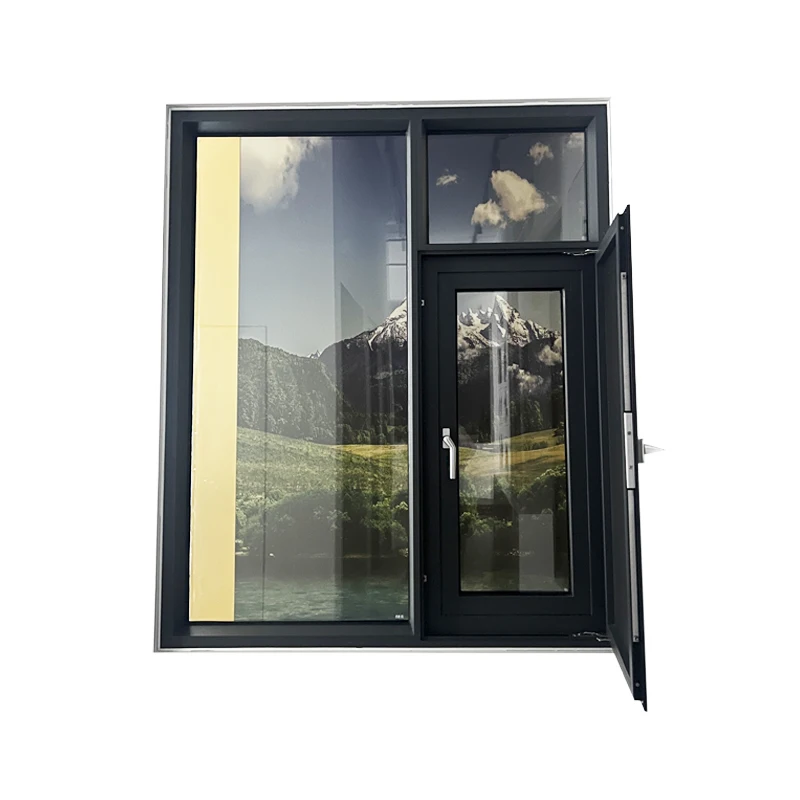
The evolution of commercial aluminum windows has been driven by increasingly sophisticated building codes, energy efficiency requirements, and the need for sustainable construction practices. Today's commercial projects require window systems that can withstand extreme weather conditions, provide superior thermal performance, and contribute to overall building energy efficiency. Understanding these requirements is essential for making informed decisions about window specifications and ensuring project success.
Advanced Engineering Standards for Commercial Applications
Structural Performance Requirements
Commercial aluminum windows must meet rigorous structural performance standards that far exceed residential requirements. These systems are engineered to withstand significant wind loads, seismic forces, and thermal expansion while maintaining structural integrity over decades of service. The aluminum frame construction provides exceptional strength-to-weight ratios, enabling larger window openings without compromising structural performance or requiring additional reinforcement.
Modern commercial aluminum windows incorporate advanced frame designs that distribute loads effectively across the entire window assembly. The structural calculations for these systems account for building height, geographic location, and specific wind zone requirements. Engineering teams utilize sophisticated modeling software to optimize frame geometry and ensure compliance with local building codes while maximizing glass area and natural light penetration.
Quality control processes for commercial aluminum windows include comprehensive testing protocols that verify structural performance under simulated extreme conditions. These tests evaluate frame deflection, glass retention, and overall system integrity when subjected to design loads. The results provide critical data for code compliance documentation and ensure reliable performance throughout the building's lifecycle.
Thermal Performance and Energy Efficiency
Thermal performance represents a critical aspect of commercial aluminum windows, particularly as energy codes become increasingly stringent. Advanced thermal break technology eliminates thermal bridging through the aluminum frame, significantly improving the overall thermal performance of the window assembly. This technology utilizes polyamide strips or other low-conductivity materials to separate the interior and exterior aluminum components.
The glazing systems integrated with commercial aluminum windows feature multiple panes with specialized coatings and gas fills that enhance insulation properties. Low-emissivity coatings control radiant heat transfer while maintaining visible light transmission, creating comfortable interior environments while reducing HVAC loads. Argon or krypton gas fills between panes provide additional thermal resistance without affecting optical clarity.
Energy modeling software enables precise calculation of thermal performance values, including U-factors, Solar Heat Gain Coefficients, and Visible Light Transmittance ratings. These calculations support energy code compliance documentation and help optimize window specifications for specific climate zones and building orientations. The integration of these performance characteristics with building energy management systems maximizes overall building efficiency.
Code Compliance and Certification Standards
National and International Building Codes
Commercial aluminum windows must comply with comprehensive building code requirements that address structural performance, fire safety, accessibility, and energy efficiency. The International Building Code provides the foundation for most North American commercial projects, establishing minimum performance standards for fenestration systems in various occupancy classifications. These codes specify testing protocols, performance criteria, and installation requirements that ensure public safety and building performance.
International standards such as AS2047 provide additional performance benchmarks for commercial aluminum windows, particularly in markets where Australian or similar standards apply. These certifications demonstrate compliance with rigorous testing protocols that evaluate structural adequacy, weatherproofing, thermal performance, and durability under specified conditions. The certification process involves independent third-party testing and ongoing quality assurance monitoring.
Local building codes may impose additional requirements beyond national standards, particularly in areas subject to extreme weather conditions or seismic activity. Commercial aluminum windows designed for these applications undergo enhanced testing and incorporate specialized features such as impact resistance, enhanced anchoring systems, or seismic isolation components. Understanding these local variations is critical for successful project completion and code approval.
Performance Testing and Validation
Comprehensive testing protocols validate the performance of commercial aluminum windows across multiple criteria including air infiltration, water penetration resistance, and structural adequacy under design loads. These tests simulate real-world conditions and provide quantitative data that supports code compliance documentation. Testing facilities utilize sophisticated equipment to create controlled pressure differentials, water spray patterns, and structural loading conditions.
Air infiltration testing measures the volume of air leakage through the window assembly under specified pressure differentials. Commercial aluminum windows typically achieve very low infiltration rates due to precision manufacturing tolerances and advanced weatherstripping systems. Water penetration testing evaluates the window's ability to prevent water intrusion under combined wind and rain conditions, ensuring weather-tight performance throughout the building envelope.
Structural testing subjects window assemblies to design loads that simulate extreme wind conditions and verifies that deflection remains within acceptable limits while maintaining glass retention and operability. These tests provide critical data for engineering calculations and ensure that commercial aluminum windows will perform reliably under actual service conditions. Test results form the basis for product certifications and code compliance documentation.
Installation and Integration Considerations
Building Envelope Integration
Successful installation of commercial aluminum windows requires careful integration with the building envelope system to ensure thermal continuity, moisture management, and structural compatibility. The window frame must align properly with insulation layers, air barriers, and vapor retarders to prevent thermal bridging and moisture infiltration. Advanced installation techniques utilize specialized flashing systems and sealants designed for commercial applications.
Structural connections between commercial aluminum windows and the building frame must transfer loads safely while accommodating thermal movement and building deflection. Connection details are engineered to specific project requirements and may incorporate sliding connections, flexible gaskets, or expansion joints depending on building height, construction materials, and environmental conditions. Proper detailing prevents stress concentration and ensures long-term performance.
Quality control during installation involves comprehensive inspections at critical stages to verify proper alignment, sealing, and structural connections. Installation crews trained in commercial aluminum windows follow detailed procedures that ensure consistent results and compliance with manufacturer specifications. Documentation of installation procedures supports warranty coverage and provides reference information for future maintenance activities.
Maintenance and Lifecycle Performance
Commercial aluminum windows are designed for minimal maintenance while delivering decades of reliable performance in demanding commercial environments. The inherent corrosion resistance of aluminum construction eliminates concerns about rust or decay that affect other frame materials. Surface treatments and finishes provide additional protection against environmental exposure while maintaining aesthetic appearance over time.
Preventive maintenance programs for commercial aluminum windows focus on weatherstripping replacement, hardware lubrication, and glazing seal inspection. These routine activities extend service life and maintain performance characteristics while identifying potential issues before they affect building operation. Maintenance intervals are typically specified by manufacturers and may vary based on environmental conditions and building use patterns.
Long-term performance data demonstrates that properly installed and maintained commercial aluminum windows can provide 30 years or more of reliable service while maintaining their original performance characteristics. This longevity makes them cost-effective solutions for commercial applications where lifecycle costs are critical considerations. Advanced materials and manufacturing processes continue to improve durability and reduce maintenance requirements.
Design Flexibility and Aesthetic Options
Architectural Integration Capabilities
Commercial aluminum windows offer exceptional design flexibility that enables architects to create distinctive building facades while meeting performance requirements. The strength and workability of aluminum allows for large window openings, complex geometries, and innovative curtain wall systems that define modern commercial architecture. Custom extrusion capabilities enable project-specific profiles that address unique design challenges or aesthetic preferences.
Color and finish options for commercial aluminum windows include powder coating, anodizing, and specialized surface treatments that provide both aesthetic appeal and enhanced durability. These finishes can match specific architectural color schemes while providing long-term weather resistance and fade protection. Advanced coating technologies offer self-cleaning properties and enhanced thermal performance through reflective or emissive surface characteristics.
Glazing options integrated with commercial aluminum windows range from clear float glass to high-performance specialty glazings that address specific building requirements. Smart glass technologies, decorative glass patterns, and energy-controlling coatings can be incorporated into standard frame systems without compromising structural or thermal performance. This flexibility enables architects to balance daylighting, privacy, and energy efficiency requirements.
Operational Configurations and Hardware
Commercial aluminum windows are available in multiple operational configurations including fixed, casement, awning, sliding, and tilt-turn styles that address different functional requirements and building codes. Each configuration utilizes hardware systems engineered for commercial duty cycles and environmental conditions. Heavy-duty operators, multi-point locking systems, and commercial-grade weatherstripping ensure reliable operation over extended service periods.
Automation options for commercial aluminum windows include electric operators, building management system integration, and emergency override capabilities that support modern building operation requirements. These systems can respond to environmental conditions, security protocols, or energy management strategies while maintaining manual operation capability when required. Advanced controls enable precise positioning and coordinated operation of multiple windows.
Security features integrated with commercial aluminum windows include impact-resistant glazing, reinforced frames, and multi-point locking systems that address building security requirements. These features can be incorporated without compromising aesthetic appearance or normal operation, providing protection against forced entry while maintaining emergency egress capabilities where required by code.
FAQ
What certifications should I look for when specifying commercial aluminum windows
Look for NFRC certification for thermal performance ratings, AAMA certification for structural and weather performance, and relevant building code compliance documentation such as ICC-ES evaluation reports. International projects may require AS2047, CE marking, or other regional certifications. Always verify that certifications match your specific project requirements and local code requirements.
How do commercial aluminum windows compare to other frame materials in terms of lifecycle costs
Commercial aluminum windows typically offer the lowest lifecycle costs due to their exceptional durability, minimal maintenance requirements, and long service life. While initial costs may be higher than some alternatives, the combination of energy efficiency, low maintenance, and 30+ year service life makes them cost-effective for most commercial applications. Factor in thermal performance benefits and potential LEED credits when evaluating total project costs.
Can commercial aluminum windows meet passive building standards
Yes, advanced commercial aluminum windows with high-performance thermal breaks and triple-glazed assemblies can achieve the stringent thermal performance requirements for passive building certification. These systems typically feature U-factors below 0.15 Btu/hr-ft²-°F and specialized installation details that eliminate thermal bridging. Work with manufacturers experienced in passive building projects to ensure proper specification and installation.
What wind load ratings are available for commercial aluminum windows
Commercial aluminum windows can be engineered for wind loads ranging from basic residential requirements up to extreme conditions exceeding 200 mph design speeds. The specific rating depends on frame design, glazing thickness, and anchoring details. High-performance systems may include impact resistance certification for hurricane zones and specialized testing for tornado-prone regions. Always specify windows based on local wind zone requirements and building height factors.
Table of Contents
- Advanced Engineering Standards for Commercial Applications
- Code Compliance and Certification Standards
- Installation and Integration Considerations
- Design Flexibility and Aesthetic Options
-
FAQ
- What certifications should I look for when specifying commercial aluminum windows
- How do commercial aluminum windows compare to other frame materials in terms of lifecycle costs
- Can commercial aluminum windows meet passive building standards
- What wind load ratings are available for commercial aluminum windows