 EN
EN

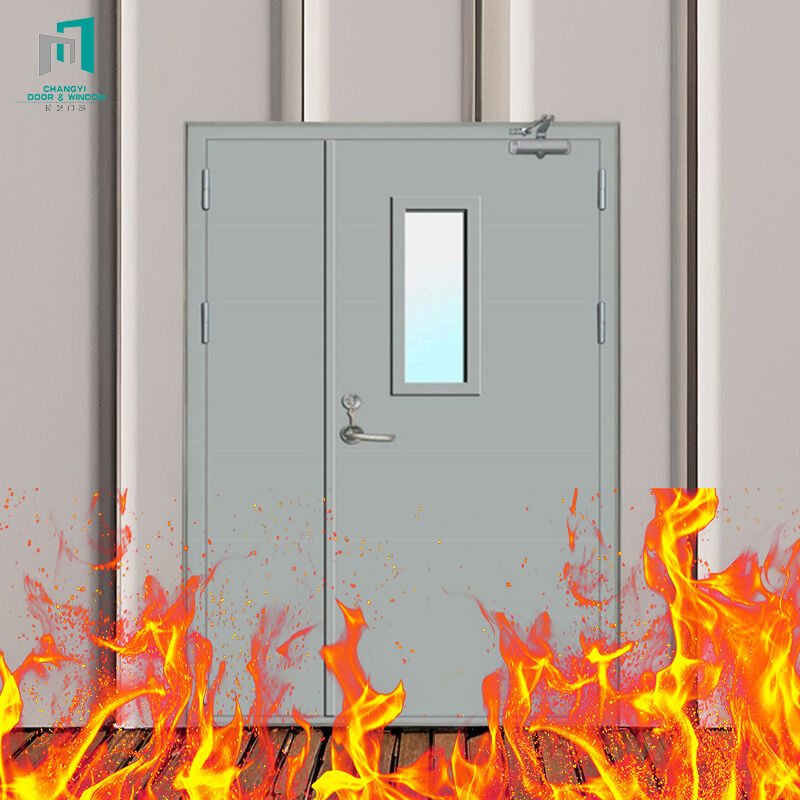
When it comes to fire safety in commercial and residential buildings, the challenge has always been balancing protection with practical visibility needs. A fireproof door with window represents the perfect solution, offering both life-saving fire resistance and the transparency required for monitoring spaces, natural light transmission, and maintaining visual connections between areas. These specialized doors have become increasingly essential in modern building design, where safety regulations demand fire protection without compromising functionality or aesthetics.
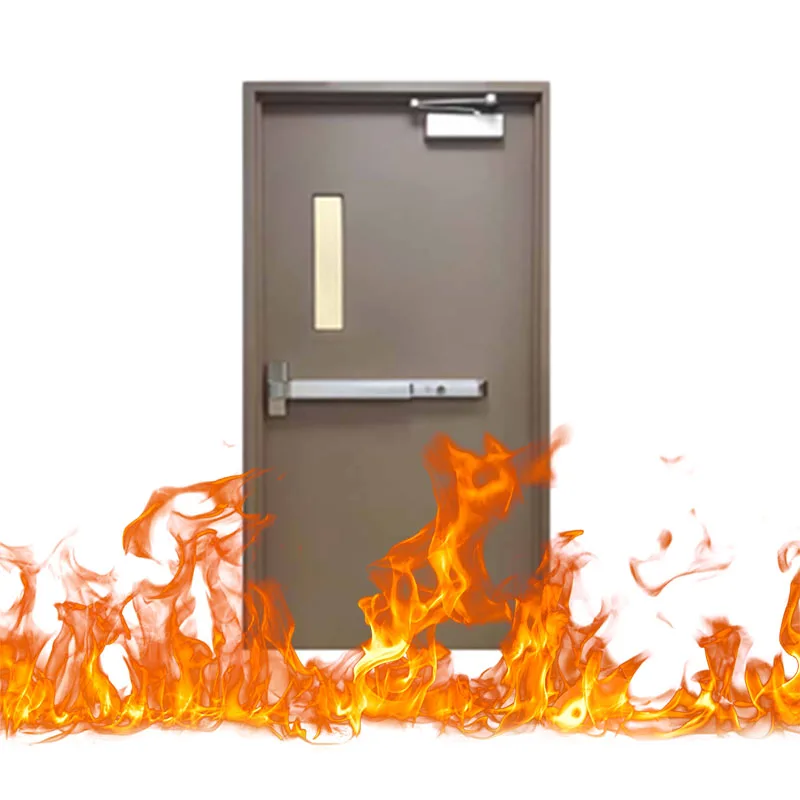
The integration of fire-rated glazing into door systems has revolutionized how architects and building owners approach fire safety planning. Unlike traditional solid fire doors that create visual barriers, a fireproof door with window maintains sight lines while providing the same level of fire resistance required by building codes. This advancement has proven particularly valuable in healthcare facilities, educational institutions, office buildings, and industrial environments where supervision, security monitoring, and emergency egress visibility are critical factors.
Modern fireproof door with window systems utilize advanced materials and engineering techniques to achieve fire ratings ranging from 20 minutes to several hours. The glazing components are specially manufactured using fire-resistant glass technologies, including ceramic glass, borosilicate glass, or multi-layered fire-rated glazing units. These materials maintain their integrity under extreme heat conditions, preventing flame spread and smoke penetration while allowing visual access through the protected opening.
Fire Safety Standards and Certification Requirements
Understanding Fire Rating Classifications
Fire rating classifications for fireproof door with window assemblies are determined through rigorous testing procedures that simulate real fire conditions. The most common ratings include 20-minute, 45-minute, 90-minute, and 3-hour classifications, with each designation indicating how long the door assembly can withstand fire exposure while maintaining its protective properties. These ratings are established by testing organizations such as Underwriters Laboratories (UL), Intertek, and other accredited certification bodies that evaluate both the door frame and glazing components as integrated systems.
The testing process for a fireproof door with window involves exposing the complete assembly to controlled fire conditions that follow standardized temperature curves. During testing, the door must prevent flame penetration, limit heat transmission to safe levels, and maintain structural integrity throughout the specified time period. The glazing elements undergo particular scrutiny, as they represent potential weak points in the fire barrier system.
Certification requirements extend beyond basic fire resistance to include smoke and draft control capabilities. A properly certified fireproof door with window must demonstrate its ability to restrict smoke passage, which is often more immediately dangerous to building occupants than flames themselves. This comprehensive approach to testing ensures that these doors provide complete fire protection while maintaining their visibility advantages.
Compliance with Building Codes
Building code compliance for fireproof door with window installations varies by jurisdiction, but most follow guidelines established by the International Building Code (IBC) and National Fire Protection Association (NFPA) standards. These codes specify where fire-rated doors are required, acceptable fire ratings for different applications, and installation requirements that ensure proper performance. The inclusion of glazing in fire doors is subject to size limitations and positioning restrictions that maintain the overall fire resistance of the assembly.
Local authorities having jurisdiction (AHJ) typically require documentation proving that each fireproof door with window meets applicable fire rating requirements. This documentation includes manufacturer certifications, installation instructions, and periodic inspection requirements that ensure continued compliance throughout the door's service life. Building owners must maintain these records and schedule regular inspections to verify that doors remain in proper working condition.
Code compliance also extends to hardware selection, as all components of a fireproof door with window assembly must be fire-rated and compatible with the overall system. This includes hinges, locks, panic hardware, door closers, and glazing attachment methods. Any modification or replacement of components requires verification that the changes do not compromise the door's fire rating or code compliance status.
Design Considerations and Material Selection
Glass Types and Performance Characteristics
The selection of appropriate glazing materials is crucial for fireproof door with window performance, as different glass types offer varying levels of fire resistance, clarity, and thermal protection. Ceramic glass represents one of the most popular options, providing excellent fire resistance while maintaining optical clarity under normal conditions. This material can withstand extreme temperature differentials and thermal shock without breaking, making it ideal for applications where visual monitoring is essential during emergency conditions.
Borosilicate fire-rated glass offers another excellent option for fireproof door with window applications, particularly where impact resistance is a concern. This material combines fire resistance with enhanced durability, making it suitable for high-traffic areas or locations where physical damage might occur. The glass maintains its transparency throughout its fire rating period, ensuring that visibility remains uncompromised even under fire conditions.
Multi-layered fire-rated glazing systems provide the highest levels of protection for demanding applications. These systems combine multiple glass layers with intumescent materials that expand when exposed to heat, creating an insulating barrier that prevents heat transfer. A fireproof door with window utilizing this technology can achieve extended fire ratings while maintaining reasonable thickness and weight characteristics.
Frame Materials and Construction Methods
Steel frame construction dominates the fireproof door with window market due to its inherent fire resistance, durability, and ability to support heavy glazing systems. Steel frames can be designed to accommodate various glazing configurations while maintaining structural integrity under fire conditions. The material's strength allows for larger window openings without compromising fire rating performance, making it ideal for applications requiring maximum visibility.
Aluminum frame systems offer weight advantages for certain fireproof door with window applications, particularly where structural loading is a concern. While aluminum has a lower melting point than steel, properly designed aluminum frame systems can achieve significant fire ratings through careful engineering and appropriate glazing selection. These systems often incorporate thermal breaks and fire-resistant core materials to enhance their fire performance.
The construction methods used in fireproof door with window manufacturing involve precise assembly techniques that ensure proper sealing and attachment of all components. Glazing attachment methods must maintain fire rating integrity while allowing for thermal expansion and building movement. Professional installation is essential to ensure that field construction matches the tested and certified assembly configuration.
Applications and Installation Best Practices
Commercial and Industrial Applications
Healthcare facilities represent one of the most demanding applications for fireproof door with window systems, where patient monitoring, infection control, and emergency response requirements must be balanced with fire safety needs. These doors enable medical staff to observe patients and monitor corridors while maintaining required fire separations between different areas of the facility. The visibility provided by a fireproof door with window is particularly valuable in intensive care units, isolation rooms, and emergency departments where constant supervision is essential.
Educational institutions utilize fireproof door with window installations to maintain security and supervision capabilities while providing necessary fire protection. These doors allow teachers and administrators to monitor hallways and common areas, supporting both day-to-day operations and emergency response procedures. The transparency helps reduce feelings of confinement while ensuring that fire-rated compartmentalization remains intact.
Industrial facilities benefit from fireproof door with window systems in applications where process monitoring, equipment observation, and worker safety oversight are critical. These doors enable supervisors to maintain visual contact with operations while providing fire protection between different manufacturing areas or hazardous material storage zones. The robust construction required for a fireproof door with window makes it well-suited for demanding industrial environments.
Installation Requirements and Considerations
Proper installation of fireproof door with window systems requires careful attention to frame preparation, anchoring methods, and sealing techniques that maintain fire rating integrity. The door frame must be securely attached to the surrounding structure using fire-rated fasteners and mounting methods specified by the manufacturer. Any gaps between the frame and surrounding construction must be sealed with fire-rated materials to prevent flame and smoke penetration.
Field modifications to fireproof door with window assemblies are generally prohibited, as any changes can void fire rating certifications and compromise performance. Installation teams must work from approved shop drawings and follow manufacturer installation instructions precisely. This includes proper adjustment of door clearances, hardware installation, and glazing system assembly to ensure compliance with tested configurations.
Quality control during installation involves verification that all components match the certified assembly, proper function testing of all hardware, and documentation that installation procedures have been followed correctly. Post-installation inspection by qualified personnel helps ensure that the fireproof door with window will perform as intended during actual fire conditions.
Maintenance and Lifecycle Management
Inspection and Testing Protocols
Regular inspection of fireproof door with window installations is essential for maintaining fire rating performance and ensuring compliance with safety regulations. These inspections typically occur annually or semi-annually, depending on local requirements and building usage patterns. Qualified inspectors examine all components of the door assembly, including frame condition, glazing integrity, hardware operation, and sealing material condition.
The inspection process for a fireproof door with window includes verification that the door closes completely from any open position, latches properly, and shows no signs of damage or wear that could compromise fire performance. Glazing systems require particular attention, as cracks, chips, or seal failures can significantly reduce fire resistance capabilities. Any identified deficiencies must be addressed promptly to maintain fire rating certification.
Documentation of inspection results is required for most building code compliance programs, with records maintained throughout the life of the fireproof door with window installation. These records help demonstrate due diligence in fire safety maintenance and can be critical during insurance claims or building sale transactions.
Repair and Replacement Considerations
When repair or component replacement is necessary for a fireproof door with window, only approved materials and methods can be used to maintain fire rating certification. Glazing replacement must utilize identical or equivalent fire-rated glass that has been tested and approved for the specific door assembly. Similarly, hardware replacement must involve fire-rated components that match the original specifications.
The decision between repair and complete replacement of a fireproof door with window depends on the extent of damage, age of the installation, and availability of compatible replacement parts. Newer installations often benefit from repair approaches that maintain the original fire rating, while older systems might require complete replacement to meet current code requirements or performance standards.
Professional service providers specializing in fire-rated door systems should handle all maintenance and repair work to ensure proper procedures are followed. Improper repairs can void fire rating certifications and create liability issues for building owners, making professional service an essential investment in fire safety protection.
FAQ
What fire ratings are available for fireproof doors with windows
Fireproof door with window assemblies are available in fire ratings ranging from 20 minutes to 3 hours, with the most common ratings being 20-minute, 45-minute, 90-minute, and 3-hour classifications. The specific rating required depends on building code requirements, occupancy type, and the fire separation needs of the particular application. Higher fire ratings typically require thicker glazing systems and more robust frame construction, which may affect the overall appearance and cost of the installation.
Can existing solid fire doors be modified to include windows
Existing solid fire doors cannot be field-modified to include windows without voiding their fire rating certification. Adding glazing to a solid fireproof door requires complete replacement with a new door assembly that has been tested and certified as an integrated system. Any field modifications to fire-rated assemblies are prohibited by fire codes and can create serious liability issues. Building owners considering the addition of windows to existing fire doors should consult with fire door specialists to explore replacement options that meet current code requirements.
How do fireproof doors with windows compare in cost to solid fire doors
A fireproof door with window typically costs 50-100% more than comparable solid fire doors, depending on the fire rating, glazing size, and frame material selected. The additional cost reflects the specialized fire-rated glazing materials, more complex manufacturing processes, and enhanced hardware requirements needed to maintain fire rating performance with glazing components. While the initial investment is higher, many building owners find that the operational benefits of visibility and natural light transmission justify the additional expense over the life of the installation.
What maintenance is required for fireproof doors with windows
Maintenance requirements for fireproof door with window systems include annual or semi-annual inspections by qualified personnel, regular cleaning of glazing surfaces, lubrication of hardware components, and adjustment of door operation as needed. The glazing requires particular attention, as any cracks, chips, or seal failures must be addressed immediately to maintain fire rating integrity. Additionally, all hardware must be kept in proper working order, and the door must close and latch properly from any open position to ensure fire protection performance.