 EN
EN

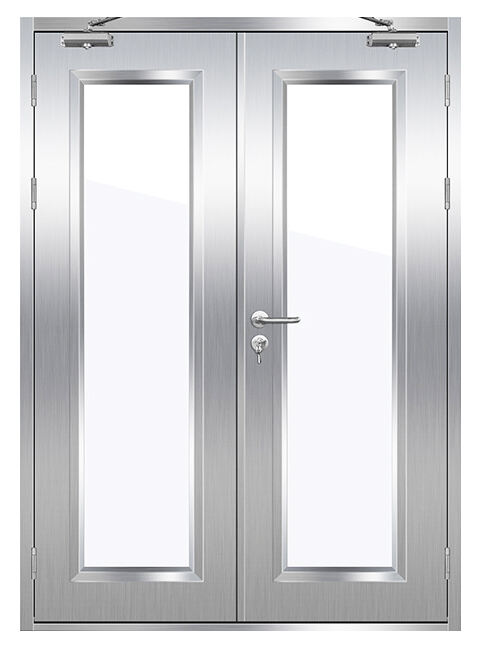
Fire rated glazed doors represent a critical component in modern building safety systems, combining the essential protection of fire resistance with the practical benefits of visibility and natural light transmission. These specialized doors undergo rigorous testing to ensure they maintain their structural integrity during fire events while providing clear sightlines for emergency egress and daily operations. The integration of fire-resistant glass within steel or composite door frames creates a barrier system that meets stringent safety codes without compromising architectural aesthetics or functional requirements.
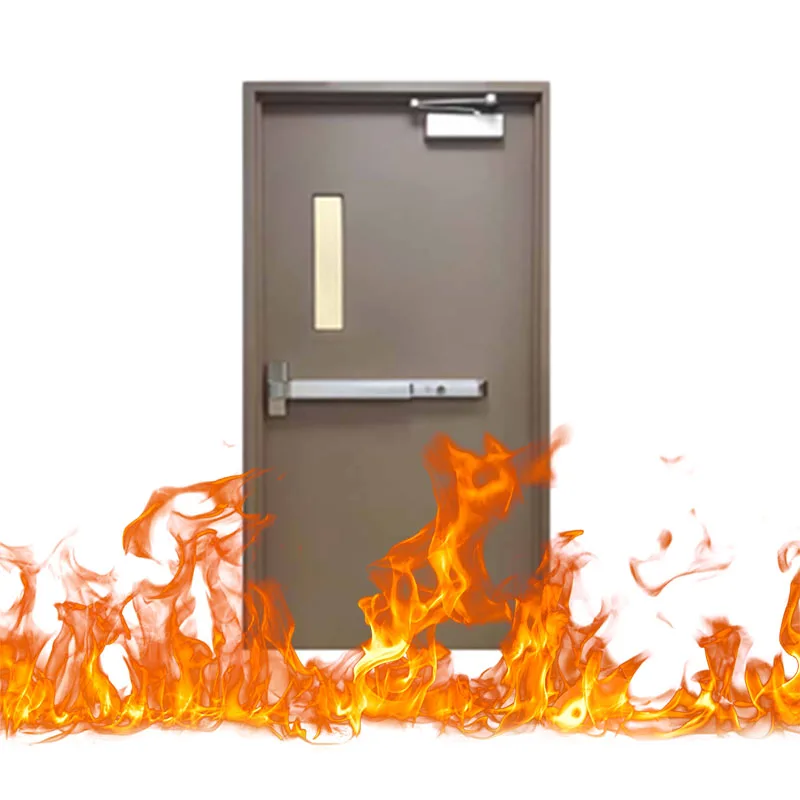
Understanding the relationship between fire ratings and glass specifications becomes paramount when selecting appropriate door systems for commercial, industrial, and institutional applications. The performance characteristics of fire rated glazed doors depend heavily on the synergy between frame materials, glazing systems, and hardware components, all of which must work together to achieve certified fire resistance ratings while maintaining operational functionality throughout their service life.
Building codes across different jurisdictions specify minimum requirements for fire rated glazed doors based on occupancy classifications, building heights, and specific use cases. These regulations ensure that door assemblies provide adequate protection during fire emergencies while facilitating safe evacuation procedures and supporting firefighting operations through improved visibility and access control.
Understanding Fire Rating Classifications
Standard Fire Rating Categories
Fire rating classifications for glazed doors follow established testing protocols that evaluate performance under controlled fire exposure conditions. The most common ratings include 20-minute, 45-minute, 60-minute, and 90-minute categories, with each designation indicating the minimum time period the door assembly must maintain its integrity during standardized fire testing procedures.
Testing laboratories subject fire rated glazed doors to temperature curves that simulate real-world fire conditions, measuring factors such as temperature transmission, structural stability, and smoke penetration resistance. These comprehensive evaluations ensure that certified products meet or exceed minimum performance thresholds established by building safety organizations and regulatory authorities.
The selection of appropriate fire ratings depends on building design requirements, occupancy loads, and local code specifications. Higher-rated doors typically incorporate thicker glass assemblies and more robust frame construction to withstand extended fire exposure while maintaining their protective capabilities.
Testing Standards and Certification Processes
Independent testing facilities conduct fire rating evaluations according to recognized standards such as ASTM E152, UL 10C, and NFPA 252, which establish consistent methodologies for assessing door performance under fire conditions. These protocols examine multiple performance criteria including flame penetration resistance, temperature rise limitations, and structural integrity maintenance throughout the testing duration.
Certification processes require manufacturers to demonstrate consistent quality control measures and material specifications that ensure production units match the performance characteristics of tested prototypes. Regular factory inspections and quality audits verify ongoing compliance with certified designs and manufacturing processes.
Documentation requirements for fire rated glazed doors include detailed installation instructions, maintenance guidelines, and warranty provisions that support proper field application and long-term performance reliability. These comprehensive certification packages provide architects, contractors, and building owners with necessary information for code compliance verification and project specification development.
Glass Types and Fire Resistance Properties
Ceramic Glass Technology
Ceramic glass represents the premium solution for fire rated glazed doors, offering exceptional thermal shock resistance and maintaining transparency throughout fire exposure events. This specialized glass material undergoes controlled crystallization processes that create a unique microstructure capable of withstanding extreme temperature differentials without fracturing or losing optical clarity.
Manufacturing processes for ceramic glass involve precise temperature control and chemical composition management to achieve consistent performance characteristics across different thickness specifications. The resulting material exhibits low thermal expansion coefficients and high mechanical strength properties that enable successful integration into fire-rated door assemblies.
Applications for ceramic glass in fire rated glazed doors extend beyond basic fire resistance to include impact resistance, security considerations, and long-term durability requirements. The material's ability to maintain structural integrity under both thermal and mechanical stress makes it particularly suitable for high-traffic commercial and institutional installations.
Tempered Glass Applications
Tempered glass offers cost-effective solutions for certain fire rated glazed doors applications, particularly in lower-rating categories where thermal performance requirements allow for this more economical glazing option. The tempering process creates internal stress patterns that improve mechanical strength and provide predictable failure characteristics when subjected to extreme conditions.
Limitations of tempered glass in fire applications include reduced thermal shock resistance compared to ceramic alternatives and potential for complete failure when exposed to rapid temperature changes. However, proper design considerations and appropriate rating selections can successfully incorporate tempered glass into fire rated glazed doors where performance requirements align with material capabilities.
Quality control measures for tempered glass in fire applications require careful attention to edge finishing, surface treatments, and installation procedures that prevent stress concentrations and premature failure modes. Proper handling and installation practices ensure optimal performance throughout the door's operational lifespan.
Frame Construction and Integration Methods
Steel Frame Systems
Steel frame construction provides the structural foundation for fire rated glazed doors, offering superior strength characteristics and proven fire resistance performance in demanding applications. Advanced manufacturing techniques enable precise fabrication tolerances and consistent quality control that supports reliable field installation and long-term operational performance.
Frame design considerations include thermal expansion management, hardware attachment points, and glazing retention systems that maintain secure glass installation throughout fire exposure events. Specialized gasket materials and glazing compounds ensure proper sealing while accommodating differential expansion between frame and glazing components.
Surface finishing options for steel frames include powder coating, galvanizing, and specialized fire-resistant treatments that enhance corrosion resistance and aesthetic appeal while maintaining fire performance characteristics. These protective coatings extend service life and reduce maintenance requirements in challenging environmental conditions.
Installation procedures for steel-framed fire rated glazed doors require careful attention to anchoring methods, weathersealing details, and hardware coordination to ensure proper operation and code compliance. Professional installation practices and quality control measures prevent performance degradation and warranty issues.
Composite Frame Technologies
Composite frame materials offer alternative solutions for fire rated glazed doors where weight reduction, corrosion resistance, or specific aesthetic requirements drive design decisions. These engineered materials combine multiple components to achieve desired performance characteristics while maintaining fire resistance capabilities.
Advanced composite formulations incorporate fire-resistant additives and reinforcement materials that enhance thermal stability and structural performance under fire conditions. Manufacturing processes ensure consistent material properties and dimensional accuracy that support reliable field performance and code compliance.
Design flexibility of composite frames enables custom configurations and specialized applications where traditional steel construction may present challenges. However, careful evaluation of performance requirements and environmental conditions ensures appropriate material selection and long-term reliability.
Hardware Components and Fire Performance
Specialized Fire-Rated Hardware
Hardware selection for fire rated glazed doors requires components specifically designed and tested for fire applications, including hinges, locks, closers, and panic devices that maintain functionality throughout fire exposure events. These specialized products undergo independent testing to verify performance characteristics and compatibility with door assemblies.
Temperature resistance specifications for fire-rated hardware ensure continued operation during emergency conditions while providing necessary security and access control functions. Material selections and manufacturing processes address thermal expansion, lubrication requirements, and mechanical wear considerations that affect long-term reliability.
Integration requirements for fire-rated hardware include proper installation procedures, adjustment protocols, and maintenance schedules that preserve fire performance characteristics throughout the door's service life. Regular inspection and servicing programs ensure optimal functionality and code compliance.
Automatic Closing Systems
Automatic closing mechanisms for fire rated glazed doors provide essential safety functions by ensuring proper door closure during fire events, even when normal building systems may be compromised. These systems incorporate fire-resistant components and fail-safe operation modes that prioritize life safety objectives.
Control system integration enables coordination with building fire alarm systems, smoke detection networks, and emergency management protocols to provide comprehensive fire protection capabilities. Advanced electronic controls offer programmable operation modes and diagnostic capabilities that support proactive maintenance and system optimization.
Backup power systems and manual override capabilities ensure reliable operation during emergency conditions when primary building power may be unavailable. These redundant systems provide additional safety margins and operational flexibility in critical applications.
Installation Standards and Best Practices
Code Compliance Requirements
Installation of fire rated glazed doors must comply with local building codes, fire safety regulations, and manufacturer specifications to ensure proper performance and legal compliance. Professional installation teams require training and certification in fire door installation procedures and quality control measures.
Documentation requirements include installation certificates, inspection reports, and maintenance schedules that support ongoing code compliance and warranty coverage. Proper record keeping enables efficient maintenance planning and regulatory compliance verification.
Field modifications and adjustments to fire rated glazed doors require careful evaluation and potential re-certification to maintain fire performance characteristics. Unauthorized modifications can void certifications and create safety hazards that compromise building protection systems.
Quality Control and Inspection Procedures
Quality control measures during installation include dimensional verification, hardware adjustment, and operational testing to ensure proper function and performance characteristics. Systematic inspection procedures identify potential issues before they compromise fire safety capabilities.
Post-installation testing protocols verify proper operation of all door components including closing mechanisms, hardware function, and seal integrity. These comprehensive evaluations provide confidence in system performance and identify any corrective actions required before final acceptance.
Ongoing maintenance programs for fire rated glazed doors include regular inspections, lubrication schedules, and component replacement protocols that preserve fire performance throughout the door's operational life. Professional maintenance services ensure compliance with warranty requirements and safety standards.
Maintenance and Lifecycle Management
Preventive Maintenance Protocols
Preventive maintenance for fire rated glazed doors includes systematic inspection schedules that evaluate door operation, hardware function, and glazing condition to identify potential issues before they affect fire performance. Regular maintenance prevents minor problems from developing into major safety concerns or costly repairs.
Lubrication requirements for fire-rated hardware components ensure smooth operation and prevent premature wear that could compromise emergency functionality. Specialized lubricants designed for fire applications maintain effectiveness under extreme temperature conditions while preserving fire resistance characteristics.
Documentation of maintenance activities provides important records for warranty compliance, insurance requirements, and regulatory inspections. Detailed maintenance logs track component replacements, adjustments, and performance trends that support proactive management decisions.
Component Replacement and Upgrades
Component replacement for fire rated glazed doors requires identical or approved equivalent parts that maintain original fire performance characteristics and certification status. Unauthorized substitutions can void certifications and create safety hazards that compromise building protection.
Upgrade opportunities for existing fire rated glazed doors may include hardware improvements, control system enhancements, or aesthetic modifications that improve functionality while preserving fire safety performance. Professional evaluation ensures compatibility and compliance with current standards.
End-of-life considerations for fire rated glazed doors include performance evaluation, replacement planning, and disposal procedures that address environmental concerns and regulatory requirements. Proactive replacement strategies prevent unexpected failures and maintain consistent fire protection capabilities.
FAQ
What is the difference between 20-minute and 60-minute fire rated glazed doors
The primary difference lies in the duration each door can withstand fire exposure while maintaining structural integrity and preventing flame penetration. A 20-minute fire rated glazed door provides protection for 20 minutes during standardized fire testing, while a 60-minute door offers triple that duration. The 60-minute doors typically feature thicker glass assemblies, more robust frame construction, and enhanced sealing systems to achieve the extended fire resistance rating.
Can tempered glass be used in all fire rated glazed doors applications
Tempered glass is suitable for certain fire rated glazed doors applications, particularly in lower fire rating categories, but it has limitations compared to ceramic glass alternatives. Tempered glass may not withstand the thermal shock associated with higher fire ratings or longer exposure durations. The selection depends on specific fire rating requirements, building codes, and performance expectations for the particular application.
How often should fire rated glazed doors be inspected and maintained
Fire rated glazed doors should undergo monthly visual inspections to check for obvious damage or operational issues, with comprehensive professional inspections conducted annually. The monthly checks should verify proper door closure, hardware function, and glazing integrity. Annual professional inspections include detailed hardware adjustments, lubrication, seal evaluation, and documentation updates to maintain warranty coverage and code compliance.
What happens if modifications are made to certified fire rated glazed doors
Any modifications to certified fire rated glazed doors can potentially void the fire rating certification and create safety hazards. Field modifications such as drilling additional holes, changing hardware configurations, or altering glazing systems require evaluation by qualified professionals and may necessitate re-certification testing. Unauthorized modifications can compromise fire performance and create liability issues for building owners and contractors.