 EN
EN

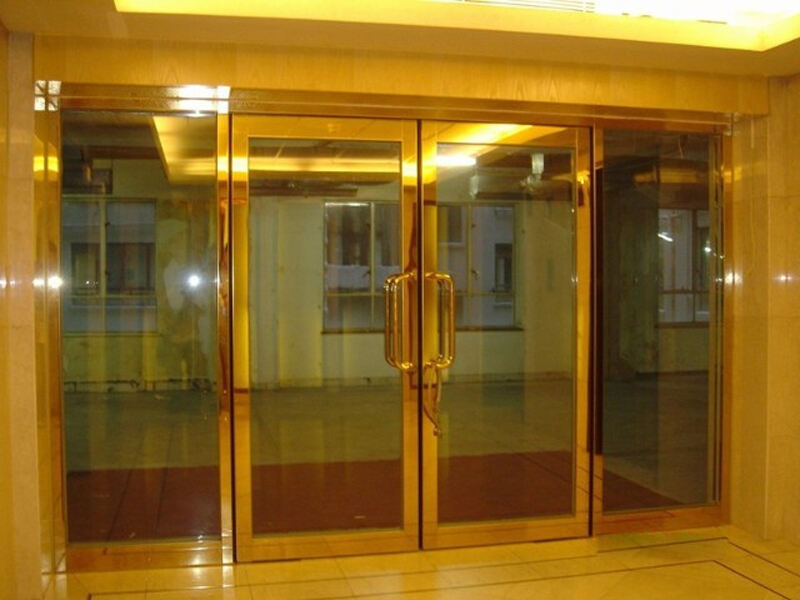
Fire safety remains a critical concern in modern building design, where the balance between aesthetic appeal and protective functionality drives innovative solutions. Fire rated glazed doors represent a sophisticated approach to maintaining visual connectivity while providing essential fire protection in commercial, institutional, and residential environments. These specialized doors combine transparent glazing materials with fire-resistant frames and hardware to create barriers that contain flames and smoke without completely obstructing sight lines. The integration of glass elements within fire-resistant door systems addresses the growing demand for open architectural concepts while adhering to stringent safety regulations and building codes.
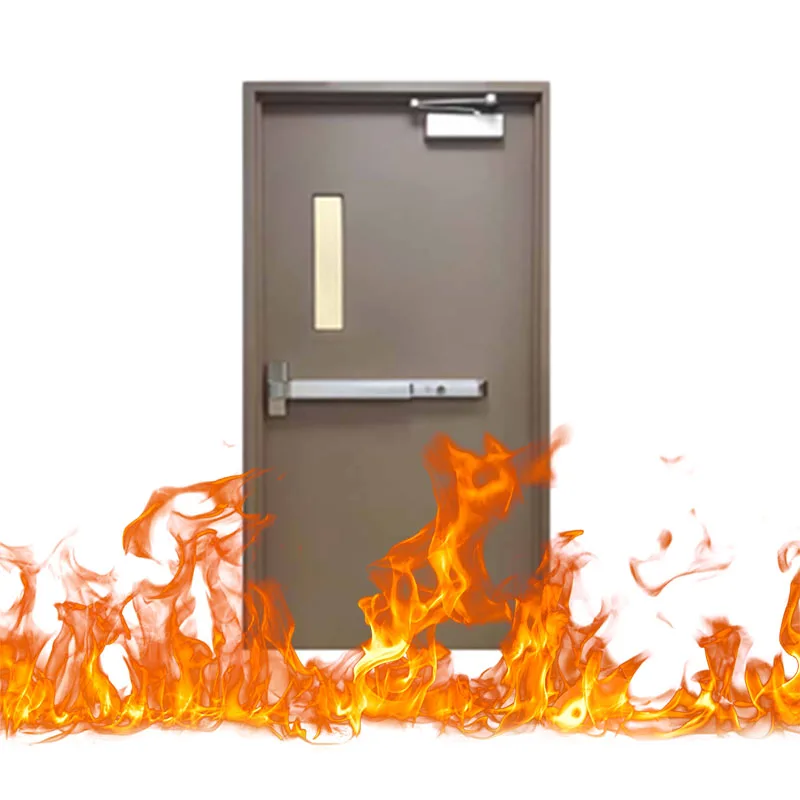
Understanding Fire Rated Glazed Door Technology
Core Components and Materials
The construction of fire rated glazed doors involves carefully selected materials that maintain their integrity under extreme heat conditions. Fire-resistant glass, typically ceramic or specially treated tempered glass, forms the primary viewing component while steel or composite frames provide structural support. These materials undergo rigorous testing to ensure they can withstand temperatures exceeding 1000 degrees Fahrenheit for specified durations. The glazing compound used to secure glass panels within frames must also demonstrate fire-resistant properties, preventing the spread of flames through gaps or seal failures. Advanced fire rated glazed doors incorporate intumescent seals that expand when exposed to heat, creating additional barriers against smoke and flame penetration.
Testing Standards and Certification Process
Fire rated glazed doors must meet stringent testing protocols established by organizations such as Underwriters Laboratories and the National Fire Protection Association. These tests evaluate door performance under controlled fire conditions, measuring temperature resistance, structural integrity, and smoke containment capabilities. The certification process involves exposing door assemblies to standard fire curves that simulate real-world emergency scenarios. Testing laboratories assess factors including flame spread, heat transmission through glazed areas, and the ability of door hardware to function properly during fire events. Manufacturers must document comprehensive test results and maintain quality control processes to ensure consistent performance across production runs.
Applications Across Different Building Types
Commercial Office Environments
Modern office buildings increasingly rely on fire rated glazed doors to create secure yet visually open workspaces that comply with fire safety requirements. These doors enable natural light penetration while maintaining required fire separations between different occupancy areas. Conference rooms, executive offices, and corridor separations benefit from glazed fire doors that preserve the contemporary aesthetic while ensuring occupant safety. The transparency provided by these doors supports workplace collaboration and supervision while meeting code requirements for egress visibility and emergency response. Strategic placement of fire rated glazed doors in office environments can enhance both security monitoring and emergency evacuation procedures.
Healthcare and Institutional Facilities
Healthcare facilities present unique challenges where patient observation, infection control, and fire safety must be carefully balanced through appropriate door selection. Fire rated glazed doors in hospitals allow medical staff to monitor patient areas while maintaining required fire separations between departments. Mental health facilities utilize these doors to provide secure environments without creating institutional atmospheres that could negatively impact patient wellbeing. Educational institutions implement fire rated glazed doors in corridors and administrative areas to maintain visual supervision while ensuring compliance with safety regulations. The durability and low maintenance requirements of these door systems make them particularly suitable for high-traffic institutional applications.
Design Considerations and Aesthetic Integration
Architectural Compatibility
Successfully integrating fire rated glazed doors into building designs requires careful consideration of architectural styles, color schemes, and material compatibility. Contemporary buildings often feature extensive glass facades that can be complemented by glazed fire doors with minimal frame profiles. Traditional architectural styles may require custom frame finishes and glazing patterns that align with historical design elements. The size and configuration of glazed areas within fire doors must balance visual requirements with structural limitations and fire rating specifications. Architects work closely with door manufacturers to develop custom solutions that meet both aesthetic objectives and performance requirements for specific applications.
Hardware Selection and Performance
The selection of appropriate hardware for fire rated glazed doors significantly impacts both functionality and compliance with fire safety standards. Door closers must be rated for fire door applications and properly adjusted to ensure reliable closure during emergency situations. Lock sets and exit devices require fire rating certifications and must integrate seamlessly with access control systems when specified. Hinges must support the additional weight of glazed door assemblies while maintaining proper alignment throughout the door's operational life. The coordination of hardware components with glazed door frames requires specialized expertise to ensure all elements work together effectively during both normal operation and emergency conditions.
Installation and Maintenance Requirements
Professional Installation Standards
Proper installation of fire rated glazed doors requires certified technicians who understand both fire safety principles and glazing system requirements. The installation process involves precise frame alignment, proper anchoring to structural elements, and careful adjustment of all hardware components. Gaps around door frames must be sealed with fire-rated materials to maintain the integrity of fire separations. Installation teams must verify that all components meet specified fire ratings and that the complete assembly performs as designed. Documentation of installation procedures and component certifications ensures compliance with building codes and supports future maintenance activities.
Ongoing Maintenance and Inspection
Fire rated glazed doors require regular maintenance to ensure continued performance and compliance with safety standards. Inspection schedules should include verification of glazing integrity, hardware operation, and seal condition. Cleaning procedures for glazed surfaces must use appropriate materials that do not compromise fire-resistant properties of glass or frame components. Periodic testing of door closure mechanisms and hardware adjustments help maintain proper operation during emergency situations. Professional maintenance services can identify potential issues before they compromise door performance and ensure that all components continue to meet fire rating requirements throughout the building's operational life.
Cost Considerations and Value Analysis
Initial Investment and Lifecycle Costs
The initial cost of fire rated glazed doors typically exceeds that of standard fire doors due to specialized materials and manufacturing processes. However, lifecycle cost analysis often demonstrates favorable economics when considering factors such as energy efficiency, maintenance requirements, and aesthetic value. The durability of quality fire rated glazed doors reduces replacement frequency and associated installation costs over building lifespans. Insurance benefits and improved property values may offset higher initial investments in buildings where glazed fire doors enhance both safety and architectural appeal. Comprehensive cost analysis should include factors such as code compliance, energy performance, and long-term maintenance requirements.
Return on Investment Factors
Buildings equipped with fire rated glazed doors often experience enhanced marketability due to improved aesthetics and safety features that appeal to quality-conscious tenants and buyers. The ability to maintain open sight lines while meeting fire safety requirements can increase usable space efficiency and support higher occupancy densities in commercial applications. Reduced maintenance costs and longer service life contribute to favorable return on investment calculations for quality fire rated glazed doors. Energy efficiency benefits from improved natural light penetration can reduce lighting costs and support green building certification objectives. These factors combine to create compelling value propositions for building owners considering glazed fire door installations.
Future Trends and Technological Developments
Smart Integration Technologies
Emerging technologies are transforming fire rated glazed doors from passive safety devices into intelligent building components that integrate with comprehensive building management systems. Smart sensors can monitor door position, hardware status, and environmental conditions to provide real-time feedback to building operators. Integration with fire alarm systems enables automatic door control during emergency situations while maintaining manual override capabilities for normal operations. Advanced glazing materials with switchable opacity provide privacy control while maintaining fire safety performance. These technological advances enhance both safety capabilities and operational flexibility of fire rated glazed doors in modern building applications.
Material Science Innovations
Ongoing research in fire-resistant materials continues to improve the performance and aesthetic options available for fire rated glazed doors. New glass formulations offer enhanced fire resistance while reducing weight and thickness requirements. Advanced frame materials provide improved thermal performance and expanded finish options without compromising fire ratings. Innovative sealing systems enhance smoke containment while reducing maintenance requirements over extended service periods. These material developments enable architects and building owners to specify fire rated glazed doors with improved performance characteristics and expanded design possibilities for diverse building applications.
FAQ
What fire ratings are available for glazed fire doors
Fire rated glazed doors are typically available in 20-minute, 45-minute, 60-minute, and 90-minute fire ratings, depending on the specific application requirements and building codes. The fire rating indicates how long the door assembly can withstand standard fire test conditions while maintaining its integrity and limiting heat transfer. Higher fire ratings generally require thicker glazing materials and more robust frame construction, which may impact the overall door design and cost. Building codes specify minimum fire ratings based on occupancy types, building height, and the location of doors within fire-separated areas.
How much glazed area is permitted in fire rated doors
The amount of glazed area permitted in fire rated glazed doors varies based on fire rating requirements and applicable building codes. Generally, doors with higher fire ratings allow smaller glazed areas, while lower-rated doors may accommodate larger glass panels. Most codes limit glazed areas to a maximum percentage of the total door area, typically ranging from 25% to 100% depending on the specific fire rating and application. The glazing material must be tested and approved for the specific fire rating of the complete door assembly to ensure proper performance during fire conditions.
Can fire rated glazed doors be used in high-traffic areas
Fire rated glazed doors can be designed and manufactured to withstand high-traffic conditions when equipped with appropriate hardware and constructed with durable materials. Heavy-duty hinges, reinforced frames, and impact-resistant glazing materials enable these doors to function reliably in busy commercial and institutional environments. Proper hardware selection and regular maintenance are essential for ensuring long-term performance in high-use applications. Many manufacturers offer specialized door configurations designed specifically for high-traffic areas while maintaining required fire safety performance.
What maintenance is required for fire rated glazed doors
Regular maintenance of fire rated glazed doors includes inspection of glazing integrity, hardware operation, weatherstripping condition, and frame alignment. Cleaning procedures should use appropriate materials that do not compromise the fire-resistant properties of glass or frame components. Hardware components require periodic lubrication and adjustment to ensure proper door closure and latching. Annual inspections by qualified technicians help identify potential issues and ensure continued compliance with fire safety standards. Detailed maintenance records should be maintained to document ongoing care and support warranty requirements.