 EN
EN

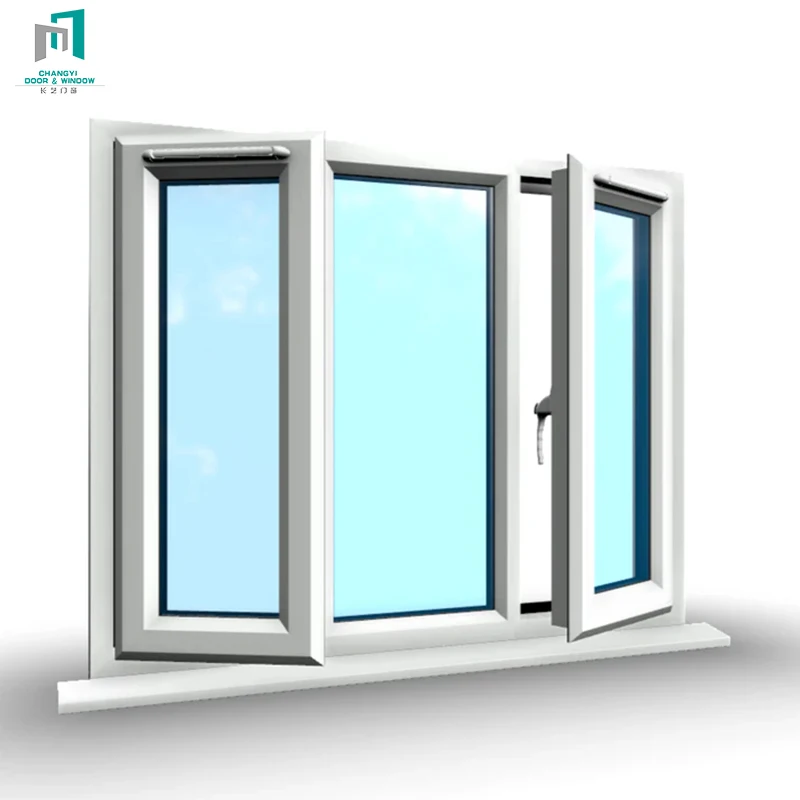
Custom casement windows represent the pinnacle of personalized home design, offering homeowners unprecedented control over light, ventilation, and architectural aesthetics. These hinged windows, which swing outward from the frame, provide exceptional functionality while serving as distinctive design elements that can transform any living space. The growing demand for custom casement windows reflects homeowners' desire for solutions that perfectly match their unique requirements, from specific dimensions to specialized glazing options.
Modern residential construction increasingly emphasizes the importance of natural light and efficient ventilation systems. Custom casement windows excel in both areas, providing wide openings that maximize airflow while allowing abundant daylight to penetrate interior spaces. Their versatile design accommodates various architectural styles, from contemporary minimalist homes to traditional colonial structures, making them an ideal choice for discerning property owners.
Understanding Custom Casement Window Design
Fundamental Construction Principles
The engineering behind custom casement windows involves precision manufacturing techniques that ensure optimal performance and longevity. These windows feature a side-hinged mechanism that allows the sash to swing outward, creating an unobstructed opening that can capture prevailing breezes from multiple directions. The frame construction typically utilizes high-quality materials such as vinyl, aluminum, wood, or composite materials, each offering distinct advantages in terms of durability, maintenance requirements, and aesthetic appeal.
Professional installation of custom casement windows requires careful attention to structural integrity and weatherproofing. The window frame must be perfectly squared and properly sealed to prevent air infiltration and water penetration. Advanced compression seals and multi-point locking systems ensure that these windows provide excellent thermal performance while maintaining security standards that exceed industry requirements.
Material Selection and Performance Characteristics
Selecting appropriate materials for custom casement windows significantly impacts their long-term performance and visual appeal. Vinyl frames offer excellent thermal insulation properties and require minimal maintenance, making them popular choices for energy-conscious homeowners. Wood frames provide natural beauty and superior insulation but require regular maintenance to prevent deterioration from moisture and UV exposure.
Aluminum frames deliver exceptional strength and durability while supporting larger glass areas without compromising structural integrity. However, aluminum requires thermal breaks to prevent condensation issues in varying climate conditions. Composite materials combine the benefits of multiple materials, offering wood-like aesthetics with enhanced weather resistance and dimensional stability.
Ventilation Optimization Through Strategic Design
Airflow Dynamics and Positioning
Custom casement windows provide superior ventilation capabilities compared to many other window styles due to their ability to open fully outward. This design feature allows them to act as wind scoops, directing exterior air currents into interior spaces effectively. Strategic placement of these windows can create cross-ventilation patterns that naturally cool homes without relying heavily on mechanical air conditioning systems.
The outward-opening mechanism enables homeowners to position the window sash at various angles, fine-tuning airflow direction and volume according to seasonal weather patterns and indoor comfort requirements. This flexibility makes custom casement windows particularly valuable in climates with variable wind directions throughout the year.
Energy Efficiency and Climate Control
Modern custom casement windows incorporate advanced glazing technologies that significantly improve thermal performance while maintaining optimal ventilation capabilities. Double or triple-pane glass units with low-emissivity coatings reduce heat transfer while preserving visibility and natural light transmission. Gas fills between glass panes further enhance insulation values, creating windows that contribute to overall home energy efficiency.
The tight sealing capability of quality custom casement windows prevents unwanted air infiltration when closed, maintaining consistent interior temperatures and reducing heating and cooling costs. Multi-point locking mechanisms compress weatherstripping evenly around the entire perimeter, creating an effective barrier against external elements while preserving the option for controlled natural ventilation when desired.
Maximizing Natural Light Through Custom Solutions
Glass Selection and Light Transmission
The glazing options available for custom casement windows directly influence the quantity and quality of natural light entering living spaces. Clear glass maximizes light transmission while providing unobstructed views of outdoor environments. Specialized glass coatings can reduce glare and UV radiation without significantly diminishing daylight levels, protecting interior furnishings from sun damage while maintaining bright, welcoming atmospheres.
Low-iron glass offers enhanced clarity and light transmission compared to standard glazing materials, making it an excellent choice for custom casement windows in areas where maximum daylight is desired. Decorative glass options, including textured or tinted varieties, provide privacy while still allowing substantial light penetration, making them suitable for bathrooms, bedrooms, or street-facing windows.
Frame Profile Impact on Light Access
The design of window frames significantly affects the glass-to-frame ratio, influencing the amount of natural light that can enter interior spaces. Custom casement windows can be engineered with narrow frame profiles that maximize glazed areas while maintaining structural requirements. This approach is particularly beneficial in rooms where natural light is limited or where architectural features restrict window placement options.
Contemporary frame designs often incorporate slim sight lines that create the illusion of larger glass areas while providing the structural support necessary for safe operation. These design elements contribute to modern aesthetic preferences while ensuring that custom casement windows deliver optimal light transmission performance throughout their service life.
Installation Considerations for Custom Applications
Structural Requirements and Building Integration
Proper installation of custom casement windows requires thorough understanding of building structural systems and local building codes. The window opening must provide adequate structural support for the operating mechanisms while ensuring proper drainage and weatherproofing. Professional installers evaluate wall construction, insulation requirements, and flashing details to create installations that perform reliably over decades of use.
Integration with existing building systems requires careful coordination between window installation and other construction trades. Electrical rough-in work, plumbing locations, and HVAC ductwork must be planned around custom casement windows to avoid conflicts during installation. Proper scheduling ensures that all building systems work harmoniously while maintaining the aesthetic integrity of the custom window design.
Quality Control and Performance Testing
Quality custom casement windows undergo rigorous testing procedures to verify their performance characteristics before and after installation. Air infiltration tests measure the window's ability to prevent unwanted air leakage when closed, while water penetration tests ensure that severe weather conditions will not compromise interior spaces. Structural load testing validates the window's ability to withstand wind pressures and operational stresses.
Post-installation quality control procedures include operational testing of all moving components, verification of proper weatherstripping compression, and confirmation that locking mechanisms engage correctly. These procedures ensure that custom casement windows perform according to specifications and provide years of reliable service with minimal maintenance requirements.
Maintenance and Long-Term Performance
Routine Care Requirements
Maintaining custom casement windows involves regular inspection and care of both mechanical components and glazing systems. Hardware components, including hinges and locking mechanisms, benefit from periodic lubrication using manufacturer-recommended products. Weatherstripping should be inspected annually for signs of wear or damage that could compromise sealing performance.
Glass cleaning requires appropriate techniques and materials to maintain clarity and prevent damage to specialized coatings. Frame materials may require different maintenance approaches, with painted surfaces needing periodic touch-ups and natural wood requiring protective treatments to prevent moisture damage and UV degradation.
Troubleshooting Common Issues
Common issues with custom casement windows often relate to hardware adjustment needs or weatherstripping replacement. Operating mechanisms may require periodic adjustment to maintain proper alignment and smooth operation. Recognizing early signs of wear or misalignment allows homeowners to address minor issues before they develop into major problems requiring extensive repairs.
Professional maintenance services can provide comprehensive inspections and adjustments that extend window life and maintain optimal performance. These services typically include hardware lubrication, weatherstripping replacement, and glass seal inspection, ensuring that custom casement windows continue to provide excellent ventilation and light control throughout their service life.
Design Integration and Architectural Compatibility
Style Coordination and Visual Harmony
Successful integration of custom casement windows requires careful consideration of existing architectural elements and overall design themes. Window proportions, frame colors, and hardware finishes should complement existing building features while enhancing the structure's visual appeal. Custom options allow designers to specify exact dimensions and aesthetic details that create seamless integration with both traditional and contemporary architectural styles.
Color coordination extends beyond frame finishes to include hardware selections and glazing options that support the overall design concept. Custom casement windows can incorporate decorative elements such as divided light patterns or specialty glass that reinforces architectural themes while maintaining functional requirements for light and ventilation.
Interior Design Considerations
The interior impact of custom casement windows extends beyond their functional benefits to include their influence on room aesthetics and furniture placement. The inward swing operation requires clear space adjacent to the window, which must be considered during interior design planning. Window treatments and coverings must accommodate the operating mechanism while providing privacy and light control options.
Custom casement windows can serve as focal points in interior design schemes, particularly when they frame attractive outdoor views or architectural features. Their clean lines and unobstructed glass areas support minimalist design approaches while providing the functionality necessary for comfortable living environments.
FAQ
What are the primary advantages of custom casement windows over standard sizes
Custom casement windows offer precise dimensional fitting that eliminates gaps and improves energy efficiency compared to standard sizes that may not perfectly match existing openings. They allow for specific performance requirements such as enhanced glazing options, specialized hardware, and unique aesthetic features that align with individual architectural needs. Additionally, custom sizing ensures optimal proportion relationships with surrounding building elements, creating more cohesive and visually appealing installations.
How do custom casement windows perform in extreme weather conditions
Quality custom casement windows are engineered to withstand severe weather conditions through robust construction methods and advanced weatherproofing systems. Multi-point locking mechanisms distribute operational loads evenly across the frame, preventing deformation under high wind pressures. Enhanced glazing options and frame materials provide superior resistance to temperature extremes, while precision manufacturing ensures consistent performance over many years of exposure to varying climate conditions.
What maintenance requirements should be expected with custom casement windows
Custom casement windows require minimal maintenance when properly installed and constructed from quality materials. Annual inspection of weatherstripping, periodic lubrication of hardware components, and regular glass cleaning constitute the primary maintenance requirements. Professional maintenance services every few years can address adjustment needs and component replacement, ensuring continued optimal performance. Proper maintenance extends window life significantly while preserving energy efficiency and operational convenience.
How do custom casement windows impact home energy efficiency
Custom casement windows typically provide superior energy efficiency compared to standard windows through precise fitting, advanced glazing options, and enhanced sealing systems. Their ability to open fully allows for effective natural ventilation that reduces cooling costs during appropriate weather conditions. When closed, multi-point locking systems create tight seals that prevent air infiltration, reducing heating and cooling loads while maintaining comfortable interior temperatures throughout seasonal weather variations.