 EN
EN

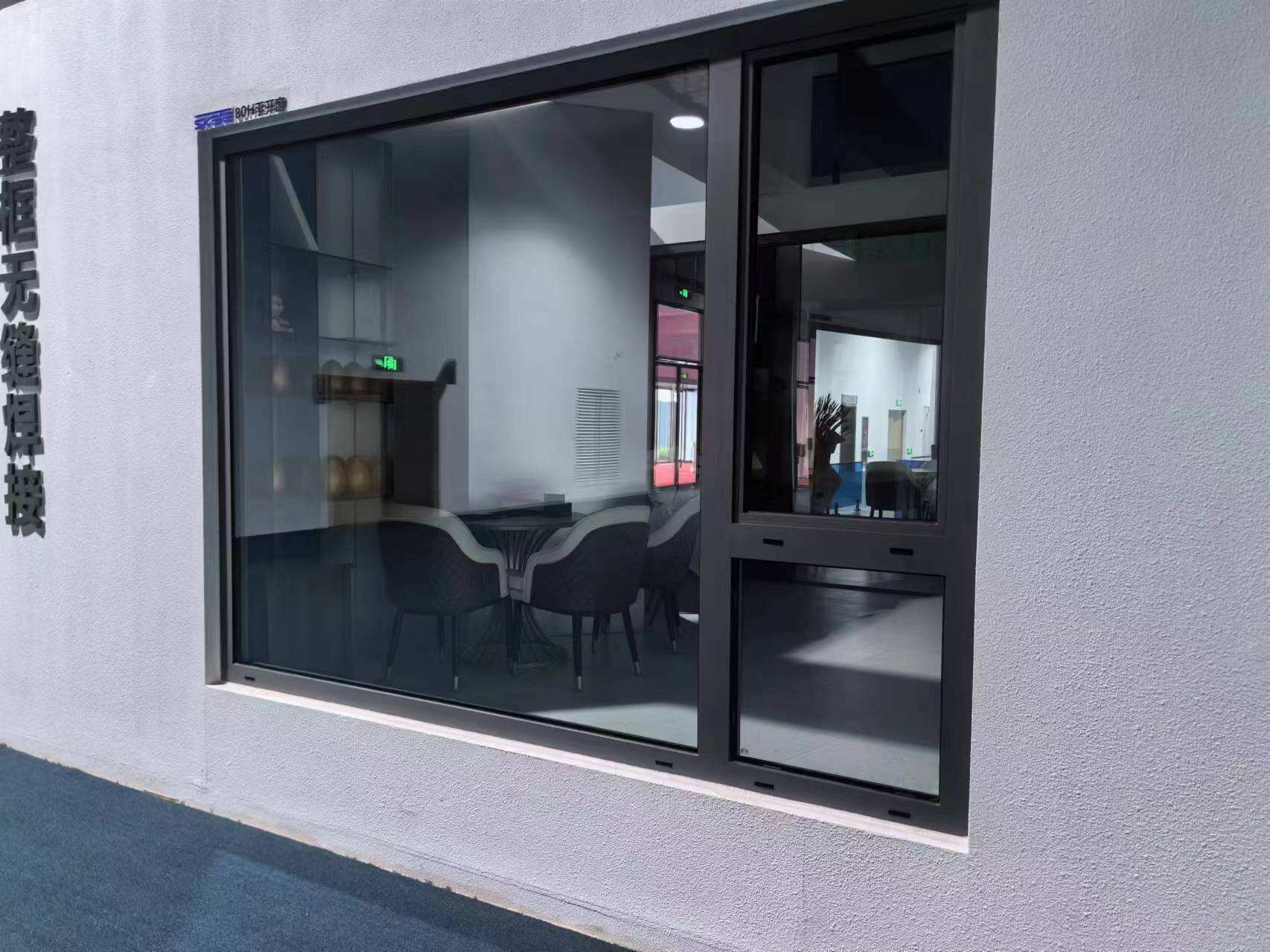
Natural light transforms small spaces, making them feel larger, more welcoming, and energy-efficient. When dealing with compact rooms, apartments, or tight architectural constraints, choosing the right window solution becomes crucial for both functionality and aesthetics. A small casement window offers an ideal balance of light penetration, ventilation, and space optimization that can dramatically enhance your interior environment. These versatile window systems provide maximum glass area within minimal frame dimensions, allowing abundant daylight to flood even the most confined spaces while maintaining structural integrity and weather resistance.
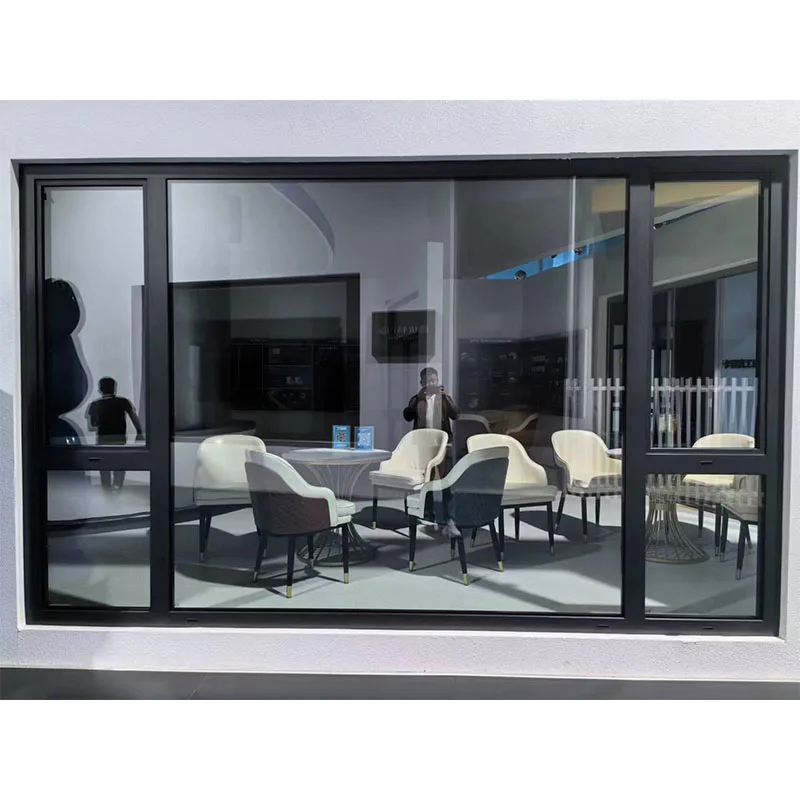
The strategic placement and sizing of windows in compact areas requires careful consideration of multiple factors including orientation, surrounding structures, and intended use of the space. Modern small casement window designs incorporate advanced materials and engineering techniques that maximize light transmission while minimizing visual bulk. These windows swing outward on hinges, creating unobstructed openings that capture breezes and light from various angles throughout the day. Unlike sliding or double-hung alternatives, casement windows can open completely, providing superior ventilation rates and easier cleaning access from interior positions.
Contemporary architectural trends increasingly favor clean lines and seamless integration between indoor and outdoor environments. Small casement window installations support these design principles by offering slim profiles that don't overwhelm modest room dimensions. The hardware mechanisms remain concealed when windows are closed, maintaining sleek appearances that complement minimalist interior schemes. Professional installation ensures proper sealing, insulation, and operational smoothness that contributes to long-term performance and energy efficiency in residential and commercial applications.
Design Principles for Light Optimization
Understanding Natural Light Dynamics
Effective light maximization begins with understanding how natural illumination behaves throughout different times of day and seasonal cycles. A well-positioned small casement window captures morning, midday, and evening light patterns to create dynamic interior atmospheres that change naturally over time. South-facing installations typically provide consistent illumination, while east and west orientations offer dramatic lighting transitions that can enhance spatial perception and visual interest.
The angle and intensity of incoming sunlight varies significantly based on geographic location, surrounding landscape features, and adjacent building structures. Small casement window designs must account for these variables to prevent glare issues while maximizing beneficial light penetration. Proper sizing calculations consider room dimensions, ceiling height, and intended activities to ensure optimal illumination levels without creating uncomfortable brightness zones or deep shadows.
Frame Materials and Light Transmission
Modern small casement window frames utilize materials engineered for minimal visual obstruction while maintaining structural performance requirements. Aluminum profiles offer exceptional strength-to-weight ratios, allowing for narrow frame dimensions that maximize glass area within limited opening sizes. These lightweight materials also support larger glass panels without requiring additional structural reinforcement, creating seamless connections between interior and exterior environments.
Advanced manufacturing techniques produce frames with precise tolerances and smooth finishes that reflect light effectively rather than absorbing it. Powder coating and anodizing treatments provide durable surfaces that resist fading, corrosion, and weather damage while maintaining consistent appearance over extended service periods. The selection of frame colors influences light reflection characteristics, with lighter shades enhancing illumination and darker options providing dramatic contrast effects.
Installation Strategies for Compact Spaces
Measuring and Planning Considerations
Accurate measurement and planning form the foundation of successful small casement window installations in limited space applications. Professional assessment includes evaluation of wall thickness, structural requirements, and clearance zones for window operation. The swing radius of casement windows requires adequate interior and exterior space for full opening functionality, which may influence placement decisions in tight quarters.
Rough opening preparation must account for proper insulation, flashing, and vapor barrier installation to prevent moisture infiltration and energy loss. Small casement window installations benefit from precise fitting that eliminates air gaps while maintaining operational clearances for smooth opening and closing cycles. Professional installers utilize specialized tools and techniques to achieve weathertight seals that perform reliably across temperature extremes and weather conditions.
Integration with Existing Architecture
Successful integration requires careful coordination between new small casement window installations and existing architectural elements. Matching or complementing existing window styles, proportions, and materials creates cohesive visual relationships that enhance rather than disrupt established design themes. Modern casement windows offer extensive customization options for colors, finishes, and hardware selections that coordinate with various architectural styles.
Structural modifications may be necessary to accommodate small casement window installations, particularly in older buildings with non-standard opening dimensions. Professional evaluation determines load-bearing requirements and necessary reinforcement measures to ensure safe installation without compromising building integrity. Coordination with local building codes and permit requirements ensures compliance with safety standards and installation practices.
Ventilation and Climate Control Benefits
Airflow Optimization Techniques
Small casement window designs excel at capturing and directing natural ventilation currents that can significantly reduce mechanical cooling requirements in appropriate climates. The outward-opening configuration acts as a funnel to catch passing breezes and direct them into interior spaces, creating effective air circulation patterns that improve comfort and air quality. Strategic placement relative to prevailing wind directions maximizes these natural cooling benefits.
Cross-ventilation strategies utilizing multiple small casement window openings create pressure differentials that drive continuous air movement through compact spaces. This natural ventilation reduces reliance on mechanical systems while providing fresh air exchange that improves indoor environmental quality. Properly designed ventilation schemes can maintain comfortable temperatures during moderate weather conditions without additional energy consumption.
Energy Efficiency Performance
Modern small casement window systems incorporate advanced glazing technologies and sealing mechanisms that deliver exceptional energy efficiency ratings. Multi-pane glass configurations with low-emissivity coatings reduce heat transfer while maintaining high light transmission values. These performance characteristics contribute to reduced heating and cooling costs while enhancing interior comfort levels throughout seasonal temperature variations.
Weather sealing systems utilize multiple compression points and advanced gasket materials to eliminate air infiltration around operating sashes. The positive closing action of casement windows creates tight seals that outperform many sliding window alternatives in energy efficiency testing. Professional installation ensures proper alignment and adjustment of all sealing components for optimal long-term performance and weather resistance.
Maintenance and Longevity Considerations
Routine Care Requirements
Small casement window systems require minimal routine maintenance when properly installed and operated according to manufacturer specifications. Regular cleaning of glass surfaces and frame components maintains optimal light transmission and appearance while preventing buildup of dirt and debris that could interfere with operation. Hardware components benefit from periodic lubrication with appropriate materials to ensure smooth operation and prevent premature wear.
Weather sealing elements should be inspected annually and replaced as necessary to maintain energy efficiency and water resistance. Quality small casement window systems incorporate replaceable gaskets and hardware components that extend service life and reduce long-term maintenance costs. Professional servicing addresses operational adjustments and component replacement needs that maintain peak performance over extended periods.
Durability and Performance Standards
Contemporary small casement window manufacturing incorporates rigorous quality control and testing procedures that ensure reliable performance under various environmental conditions. Impact resistance, water penetration resistance, and air infiltration ratings provide quantitative measures of expected performance levels that guide selection decisions for specific applications and climate zones.
Material selection and construction techniques directly influence the longevity and maintenance requirements of small casement window installations. Premium materials and manufacturing processes justify higher initial costs through extended service life and reduced maintenance needs. Warranty coverage and manufacturer support services provide additional assurance of long-term satisfaction and performance reliability in demanding applications.
FAQ
What are the main advantages of small casement windows over other window types for compact spaces
Small casement windows provide superior light transmission due to their ability to open completely, creating unobstructed glass areas that maximize natural illumination. Unlike sliding windows that can only open halfway, casement windows offer full opening capability for enhanced ventilation and easier cleaning access. Their outward-opening design also saves interior space since no clearance is needed inside the room for window operation, making them ideal for tight quarters where every square foot matters.
How do I determine the correct size small casement window for my specific space
Proper sizing depends on multiple factors including room dimensions, ceiling height, orientation, and intended use of the space. A general rule suggests window area should equal 10-20% of floor space for adequate natural lighting, but this may vary based on surrounding conditions and personal preferences. Professional consultation ensures accurate assessment of structural requirements, local building codes, and optimal placement for maximum light penetration and energy efficiency.
Can small casement windows provide adequate security for residential applications
Modern small casement window systems incorporate robust locking mechanisms and security features that provide excellent protection when properly installed and operated. Multi-point locking systems engage at multiple locations around the frame perimeter, creating secure closure that resists forced entry attempts. Additional security options include impact-resistant glazing, reinforced frames, and integration with alarm systems for comprehensive protection in security-conscious applications.
What maintenance is required to keep small casement windows operating smoothly
Routine maintenance involves regular cleaning of glass and frame surfaces, periodic lubrication of hardware components, and annual inspection of weather sealing elements. Most maintenance tasks can be performed by homeowners using standard cleaning supplies and appropriate lubricants specified by the manufacturer. Professional servicing may be beneficial for hardware adjustments, seal replacement, or addressing operational issues that require specialized tools or expertise to resolve properly.
Table of Contents
- Design Principles for Light Optimization
- Installation Strategies for Compact Spaces
- Ventilation and Climate Control Benefits
- Maintenance and Longevity Considerations
-
FAQ
- What are the main advantages of small casement windows over other window types for compact spaces
- How do I determine the correct size small casement window for my specific space
- Can small casement windows provide adequate security for residential applications
- What maintenance is required to keep small casement windows operating smoothly