 EN
EN

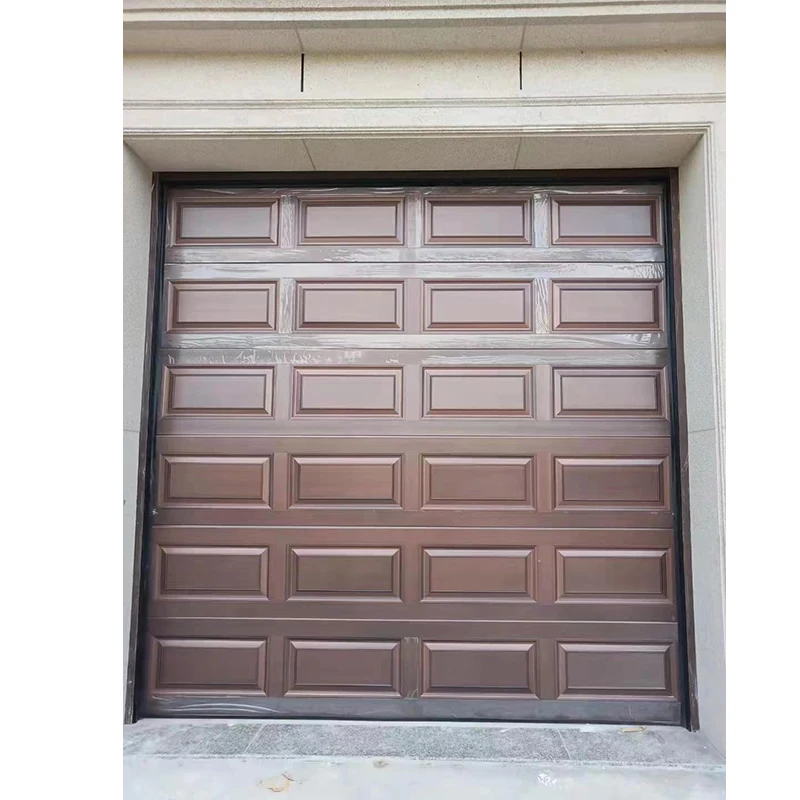
Manufacturing custom garage doors involves a sophisticated blend of precision engineering, advanced materials science, and meticulous quality control processes. Modern garage door factories operate as highly organized production facilities where skilled craftsmen and automated machinery work together to create durable, functional, and aesthetically pleasing custom garage doors. The manufacturing process begins with detailed customer specifications and ends with thoroughly tested products ready for installation. Each stage of production requires careful attention to detail, from initial design consultation through final quality inspection.
Raw Materials and Initial Processing
Steel Panel Preparation
The foundation of quality custom garage doors begins with premium steel materials that undergo extensive preparation processes. Factory technicians carefully select galvanized steel sheets based on thickness requirements, corrosion resistance properties, and structural integrity specifications. These raw materials arrive at the facility in large coils and sheets, which are then cut to precise dimensions using computer-controlled cutting machines. The steel preparation area maintains strict quality standards to ensure that every panel meets durability requirements for custom garage doors.
Advanced cutting techniques utilize laser precision technology to create clean edges and exact measurements for each panel component. The steel undergoes thorough cleaning processes to remove any manufacturing residues, oils, or surface contaminants that could affect paint adhesion or structural performance. Quality control inspectors examine each prepared steel piece for defects, thickness variations, or surface irregularities before approving materials for the next production stage.
Insulation Material Integration
Modern custom garage doors incorporate sophisticated insulation systems that require specialized handling and installation procedures during manufacturing. Factory workers carefully position polyurethane foam insulation or polystyrene panels between steel layers, ensuring complete coverage and optimal thermal performance. The insulation installation process demands precise timing and temperature control to achieve proper adhesion and prevent thermal bridging issues.
Insulation materials undergo rigorous testing for R-value performance, moisture resistance, and structural stability before integration into custom garage doors. The bonding process utilizes industrial-grade adhesives applied under controlled environmental conditions to ensure long-lasting performance. Quality technicians monitor insulation thickness consistency and verify proper sealing around panel edges to maintain energy efficiency standards throughout the manufacturing process.
Panel Formation and Shaping
Pressing and Molding Operations
The panel formation stage transforms flat steel sheets into the distinctive profiles and textures that characterize high-quality custom garage doors. Hydraulic presses apply tremendous force to shape steel panels into raised designs, recessed sections, or decorative patterns according to customer specifications. These forming operations require precise die alignment and pressure control to achieve consistent results across multiple panels while maintaining structural integrity.
Advanced molding techniques create complex surface textures that mimic wood grain, stucco finishes, or contemporary geometric patterns on custom garage doors. The pressing equipment utilizes computer-controlled positioning systems to ensure accurate panel dimensions and uniform design elements. Factory technicians continuously monitor forming pressures and die conditions to prevent defects such as cracking, stretching, or dimensional distortions during the shaping process.
Edge Preparation and Reinforcement
Panel edges receive specialized treatment to ensure proper fit, weatherproofing, and structural performance in finished custom garage doors. Automated edge-forming machines create precise flanges, joints, and connection points that allow individual panels to interlock securely during assembly. The edge preparation process includes deburring operations to eliminate sharp corners and create smooth transitions for safe handling and installation.
Reinforcement elements such as steel brackets, corner supports, and hinge mounting points are integrated during the edge preparation phase. These components undergo welding or mechanical fastening operations that require skilled technicians and specialized equipment to maintain structural integrity. Quality control procedures verify proper reinforcement placement and secure attachment before panels proceed to the finishing operations.
Surface Treatment and Finishing
Primer Application Systems
Surface preparation for custom garage doors begins with comprehensive cleaning procedures followed by primer application using advanced spray booth technology. The primer coating process requires controlled environmental conditions including temperature, humidity, and air filtration to achieve optimal adhesion and coverage. Electrostatic spray systems ensure uniform primer distribution across all panel surfaces while minimizing waste and environmental impact.
Multi-stage primer application involves base coats designed for corrosion protection followed by intermediate layers that promote topcoat adhesion. Factory technicians monitor coating thickness using electronic measurement devices to ensure consistent coverage across all areas of custom garage doors. The primer curing process utilizes controlled-temperature ovens that polymerize the coating materials for maximum durability and weather resistance.
Final Paint and Coating Applications
The final finishing process for custom garage doors involves sophisticated paint application systems that deliver exceptional color consistency and surface durability. Automated spray robots apply multiple topcoat layers using precise movement patterns that ensure complete coverage without runs, sags, or thin spots. Color matching procedures utilize computerized spectrophotometry to achieve exact color specifications requested by customers for their custom garage doors.
Specialty coatings such as textured finishes, metallic effects, or protective clear coats require additional application steps and curing procedures. The paint booth environment maintains strict contamination control through advanced filtration systems and positive air pressure to prevent dust or debris from compromising surface quality. Final coating inspection includes color verification, gloss level measurement, and adhesion testing before panels advance to assembly operations.
Hardware Integration and Assembly
Track and Spring System Installation
Assembly operations for custom garage doors begin with precision installation of track systems, spring mechanisms, and lifting hardware components. Skilled technicians utilize specialized tools and fixtures to ensure proper alignment and spacing of track sections that guide door movement. The spring system installation requires careful calculation of tension requirements based on door weight and dimensions to achieve smooth operation and long service life.
Hardware components undergo thorough inspection and testing before installation to verify proper function and compatibility with specific door designs. The assembly process includes precise adjustment of spring tension, cable routing, and roller positioning to optimize door balance and operation. Quality control procedures verify proper hardware installation through operational testing and safety checks before doors proceed to final inspection.
Weather Sealing and Insulation Verification
Weather sealing installation represents a critical assembly phase that ensures custom garage doors provide effective protection against environmental elements. Factory technicians install bottom seals, perimeter weatherstripping, and threshold seals using specialized adhesives and mechanical fastening systems. The sealing process requires careful attention to compression characteristics and flexibility to maintain effectiveness through repeated door cycles.
Insulation verification procedures include thermal imaging inspection and R-value testing to confirm that assembled custom garage doors meet specified energy efficiency requirements. Assembly technicians check for proper insulation placement, thermal bridge elimination, and seal continuity throughout the door structure. Final weatherproofing includes water spray testing to verify seal effectiveness and identify potential moisture intrusion points.
Quality Control and Testing Procedures
Operational Performance Testing
Comprehensive testing protocols ensure that finished custom garage doors meet stringent performance standards for operation, safety, and durability. Automated test equipment simulates thousands of open-close cycles to evaluate hardware performance, track wear, and spring fatigue characteristics. These endurance tests identify potential failure modes and verify that doors will provide reliable service throughout their expected lifespan.
Safety testing includes force measurement, emergency stop verification, and obstruction detection system validation for motorized custom garage doors. Test technicians utilize calibrated instruments to measure opening forces, closing forces, and emergency reversal response times according to industry safety standards. The testing facility maintains detailed records of all performance parameters to support quality certification and warranty programs.
Final Inspection and Documentation
Final inspection procedures for custom garage doors include comprehensive visual examination, dimensional verification, and functional testing of all components and systems. Quality inspectors utilize detailed checklists and measurement tools to verify compliance with customer specifications and manufacturing standards. The inspection process includes photography documentation of finished doors and compilation of test results for customer delivery packages.
Documentation completion includes preparation of installation instructions, warranty information, and maintenance guidelines specific to each custom garage door configuration. Quality certification includes material traceability records, test results, and compliance statements that provide customers with confidence in product performance and reliability. Final packaging procedures protect finished doors during transportation while maintaining easy access for installation crews.
FAQ
What materials are used in manufacturing custom garage doors
Custom garage doors typically utilize galvanized steel panels as the primary structural material, combined with polyurethane or polystyrene insulation for energy efficiency. The manufacturing process also incorporates specialized hardware components including springs, tracks, rollers, and hinges made from high-strength steel or aluminum alloys. Surface finishes include primer coatings for corrosion protection and topcoat paints or powder coatings for color and weather resistance.
How long does the manufacturing process take for custom garage doors
The complete manufacturing cycle for custom garage doors generally requires between two to four weeks depending on design complexity, material availability, and production scheduling. Simple single-car doors with standard finishes may be completed in as little as ten business days, while complex multi-panel designs with specialty coatings or hardware configurations can require up to six weeks. Rush orders may be accommodated with expedited processing fees and priority scheduling arrangements.
What quality control measures ensure custom garage door reliability
Manufacturing facilities implement comprehensive quality control programs including incoming material inspection, in-process monitoring, and final product testing to ensure custom garage door reliability. Testing procedures include operational cycling tests, force measurement, weather seal verification, and safety system validation. Quality documentation includes material traceability, test results, and compliance certification to support warranty coverage and customer confidence in product performance.
Can custom garage doors be manufactured with specific architectural features
Modern manufacturing capabilities enable custom garage doors to incorporate virtually any architectural design element including decorative hardware, window configurations, surface textures, and color schemes. The production process utilizes flexible tooling and finishing systems that accommodate unique customer requirements while maintaining structural integrity and operational performance. Design consultation services help customers specify appropriate features that complement their architectural style while meeting functional requirements.