 EN
EN

Selecting the appropriate core material for a fire rated interior door represents one of the most critical decisions in building safety and compliance. The core material directly influences the door's ability to withstand extreme temperatures, prevent flame spread, and maintain structural integrity during fire emergencies. Understanding the various core options available ensures optimal protection while meeting stringent building codes and safety regulations.
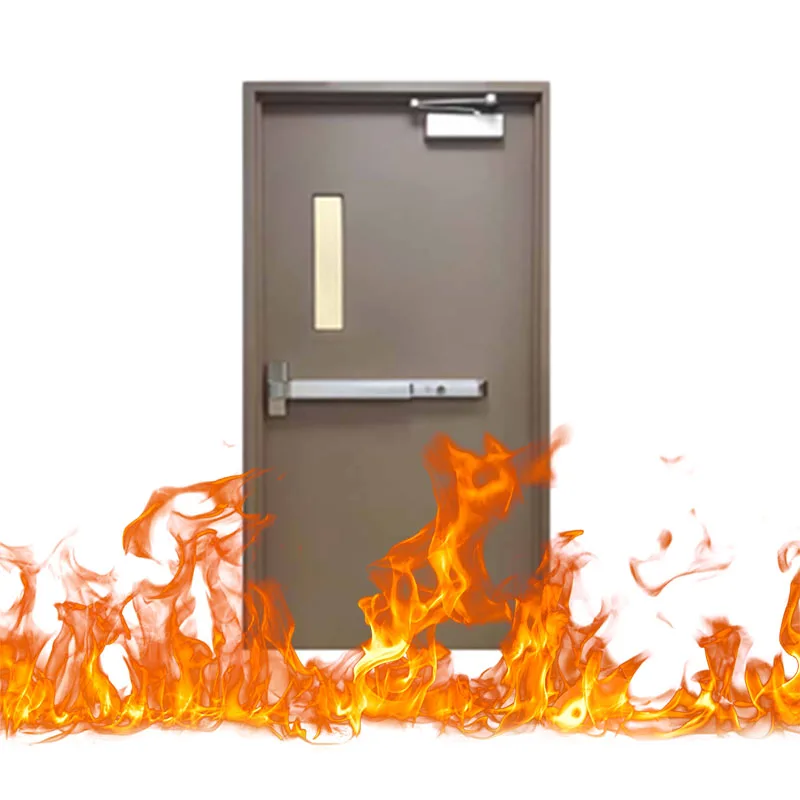
Fire resistance requirements vary significantly across different building types, occupancy classifications, and local regulations. Commercial buildings, educational facilities, healthcare institutions, and residential complexes each demand specific performance standards from their fire rated interior door systems. The core material serves as the primary barrier against heat transfer and flame penetration, making material selection crucial for overall fire safety strategy.
Modern fire door manufacturing incorporates advanced materials science to achieve superior fire resistance while maintaining practical functionality. Engineers carefully balance thermal properties, structural strength, weight considerations, and cost effectiveness when developing core materials. This comprehensive approach ensures each fire rated interior door meets or exceeds required fire ratings while providing long-term reliability and performance.
Understanding Fire Door Core Material Categories
Mineral-Based Core Materials
Mineral-based cores represent the most widely adopted solution for fire rated interior door applications due to their exceptional thermal properties and proven performance record. These materials typically incorporate gypsum, vermiculite, or specialized mineral compounds that expand when exposed to high temperatures, creating an insulating barrier that prevents heat transfer and flame penetration.
Gypsum-based cores offer excellent fire resistance through their unique chemical composition, which releases water vapor when heated, effectively cooling the door surface and slowing fire spread. The crystalline structure of gypsum provides inherent stability under extreme conditions, making it ideal for applications requiring extended fire ratings. Manufacturing processes have evolved to create lightweight gypsum formulations that maintain structural integrity while reducing overall door weight.
Vermiculite cores utilize the natural expansion properties of this mineral to create highly effective fire barriers. When exposed to heat, vermiculite expands dramatically, forming a protective layer that insulates the door structure and prevents flame breakthrough. This expansion characteristic makes vermiculite particularly effective for fire rated interior door applications requiring superior thermal protection.
Composite Core Technologies
Advanced composite cores combine multiple materials to optimize fire resistance, structural strength, and manufacturing efficiency. These engineered solutions often integrate mineral fillers with binding agents and reinforcing materials to achieve specific performance targets. Composite cores allow manufacturers to fine-tune thermal properties while maintaining cost-effective production methods.
Polymer-mineral composites represent an innovative approach to fire door core design, incorporating flame-retardant polymers with traditional mineral components. This combination provides enhanced dimensional stability and resistance to moisture while maintaining excellent fire resistance characteristics. The polymer matrix helps distribute thermal stress evenly throughout the core, preventing localized failure points that could compromise overall door performance.
Honeycomb composite cores utilize specialized geometric structures to maximize strength-to-weight ratios while providing effective fire resistance. These cores incorporate fire-resistant materials arranged in honeycomb patterns that distribute loads efficiently and provide excellent thermal insulation. The cellular structure creates multiple barriers to heat transfer, enhancing overall fire protection capabilities.
Performance Characteristics and Fire Ratings
Temperature Resistance Specifications
Fire rated interior door cores must withstand specific temperature profiles defined by standardized testing protocols such as ASTM E119 or UL 10C. These tests subject doors to controlled temperature increases that simulate actual fire conditions, measuring the core's ability to maintain structural integrity and prevent heat transfer to the unexposed surface.
Standard fire ratings range from 20 minutes to 3 hours, with each rating requiring progressively superior core materials and construction techniques. A 20-minute rated fire rated interior door must prevent temperature rise beyond specified limits for that duration, while 90-minute and 3-hour ratings demand cores capable of withstanding much more severe thermal stress without failure.
Temperature distribution within the core material directly affects overall door performance during fire exposure. Uniform heat distribution prevents localized hot spots that could lead to premature failure, while thermal gradients help maintain structural stability throughout the rating period. Advanced core materials incorporate thermal management features that optimize heat distribution and enhance overall fire resistance.
Structural Integrity Under Fire Conditions
Maintaining structural integrity during fire exposure requires core materials that resist thermal expansion, warping, and dimensional changes that could compromise door sealing or operation. The fire rated interior door core must retain sufficient strength to support hardware attachments and maintain proper alignment with the door frame throughout the rating period.
Thermal expansion coefficients of core materials significantly impact overall door performance, as excessive expansion can cause binding, warping, or seal failure. Modern core materials are engineered to minimize thermal expansion while maintaining structural strength, ensuring proper door function even under extreme temperature conditions.
Load-bearing capacity under fire conditions represents another critical performance characteristic, as doors must continue supporting their own weight plus any additional loads from building movement or impact during emergency situations. Core materials must retain adequate compressive and tensile strength throughout the fire rating period to prevent structural failure.
Material Selection Criteria and Building Requirements
Code Compliance and Certification Standards
Building codes establish minimum requirements for fire rated interior door core materials based on occupancy type, building height, and specific fire protection needs. International Building Code (IBC), National Fire Protection Association (NFPA) standards, and local amendments define acceptable core materials and performance requirements for different applications.
Third-party testing and certification ensure core materials meet established performance standards through rigorous evaluation protocols. Organizations such as Underwriters Laboratories (UL), Intertek, and other recognized testing agencies conduct comprehensive fire tests to verify material performance and issue certifications that facilitate code compliance and regulatory approval.
Documentation requirements for fire rated interior door installations include detailed specifications of core materials, fire ratings, and installation procedures. Proper documentation ensures building officials can verify compliance during inspections and provides essential information for ongoing maintenance and future modifications.
Environmental and Sustainability Considerations
Environmental impact assessment increasingly influences core material selection as building owners prioritize sustainable construction practices. Many modern core materials incorporate recycled content, utilize renewable resources, or feature manufacturing processes that minimize environmental impact while maintaining superior fire protection capabilities.
Indoor air quality considerations require core materials that do not emit harmful volatile organic compounds (VOCs) or other pollutants under normal operating conditions. Low-emission core materials help maintain healthy indoor environments while providing essential fire protection for building occupants.
Life cycle analysis of core materials encompasses manufacturing energy requirements, transportation impacts, installation efficiency, and end-of-life disposal or recycling options. Comprehensive sustainability evaluation helps specifiers select core materials that balance fire protection requirements with environmental responsibility.
Installation and Maintenance Considerations
Core Material Handling and Storage
Proper handling and storage of fire rated interior door core materials directly affect final product quality and fire performance. Many core materials require protection from moisture, extreme temperatures, or physical damage during transportation and storage to maintain their fire-resistant properties.
Storage facilities must provide appropriate environmental conditions to prevent degradation of core materials before installation. Temperature control, humidity management, and protection from contamination ensure materials retain their designed performance characteristics throughout the supply chain.
Handling procedures must account for material-specific requirements such as weight considerations, fragility, or sensitivity to impact damage. Proper handling techniques prevent core damage that could compromise fire resistance or structural integrity in the finished fire rated interior door.
Quality Control and Performance Monitoring
Manufacturing quality control processes ensure consistent core material properties and performance across production runs. Statistical process control, material testing, and performance verification help maintain the high standards required for fire rated interior door applications.
Field inspection procedures verify proper core installation and identify potential issues that could affect fire performance. Regular inspection protocols help maintain fire door system integrity throughout the building's operational life and ensure continued compliance with safety requirements.
Performance monitoring systems track long-term material behavior and identify any degradation that could compromise fire protection capabilities. Proactive monitoring enables timely maintenance or replacement before fire rated interior door performance falls below required standards.
Emerging Technologies and Future Developments
Advanced Material Science Applications
Nanotechnology applications in fire door core materials offer promising opportunities for enhanced fire resistance while reducing weight and improving manufacturing efficiency. Nanoparticle additives can significantly improve thermal properties and structural characteristics of traditional core materials.
Smart material integration enables fire rated interior door cores that respond dynamically to thermal conditions, potentially providing superior protection through adaptive behavior. These materials may incorporate phase-change compounds or other technologies that optimize fire resistance based on actual exposure conditions.
Bio-based core materials represent an emerging category that combines renewable resource utilization with effective fire protection capabilities. Advanced processing techniques enable plant-based materials to achieve fire ratings comparable to traditional mineral cores while offering environmental benefits.
Manufacturing Innovation and Cost Optimization
Automated manufacturing processes improve consistency and reduce production costs for fire rated interior door cores while maintaining strict quality standards. Advanced mixing, forming, and curing technologies enable more efficient production of high-performance core materials.
Modular core design concepts allow customization of fire resistance properties based on specific application requirements. This flexibility enables manufacturers to optimize material usage and cost while meeting diverse fire rating and performance specifications.
Integrated testing technologies embedded within manufacturing processes provide real-time quality verification and performance prediction. These systems help ensure every fire rated interior door core meets or exceeds required performance standards before leaving the factory.
FAQ
What core material provides the longest fire rating for interior doors
The longest fire ratings typically utilize specialized mineral-based cores incorporating gypsum, vermiculite, or advanced composite materials specifically engineered for extended thermal resistance. Three-hour rated fire doors commonly employ multiple-layer core systems with carefully selected materials that maintain integrity under prolonged high-temperature exposure. The specific core material selection depends on testing standards, building requirements, and manufacturer specifications that must be verified through certified testing protocols.
How does core material weight affect door performance and installation
Core material weight significantly impacts door operation, hardware requirements, and installation complexity for fire rated interior door applications. Heavier cores may require reinforced hinges, stronger frames, and specialized installation techniques to ensure proper function and longevity. Modern lightweight core technologies offer comparable fire resistance with reduced weight, facilitating easier installation and operation while maintaining essential fire protection capabilities.
Can fire rated interior door cores be modified or repaired after installation
Modification or repair of fire rated interior door cores typically voids fire certifications and compromises safety performance, making such alterations inadvisable and potentially code-violating. Any necessary modifications should involve complete door replacement with properly certified units that meet current fire rating requirements. Field repairs cannot restore the engineered fire resistance properties of original core materials and may create liability issues for building owners.
What environmental conditions can damage fire door core materials during storage
Excessive moisture, temperature extremes, physical impact, and contamination can degrade fire door core materials during storage, potentially compromising their fire resistance properties. Proper storage requires climate-controlled environments, protective packaging, and careful handling to maintain material integrity until installation. Damaged core materials should be rejected and replaced to ensure the finished fire rated interior door meets required performance standards and safety requirements.
Table of Contents
- Understanding Fire Door Core Material Categories
- Performance Characteristics and Fire Ratings
- Material Selection Criteria and Building Requirements
- Installation and Maintenance Considerations
- Emerging Technologies and Future Developments
-
FAQ
- What core material provides the longest fire rating for interior doors
- How does core material weight affect door performance and installation
- Can fire rated interior door cores be modified or repaired after installation
- What environmental conditions can damage fire door core materials during storage