 EN
EN
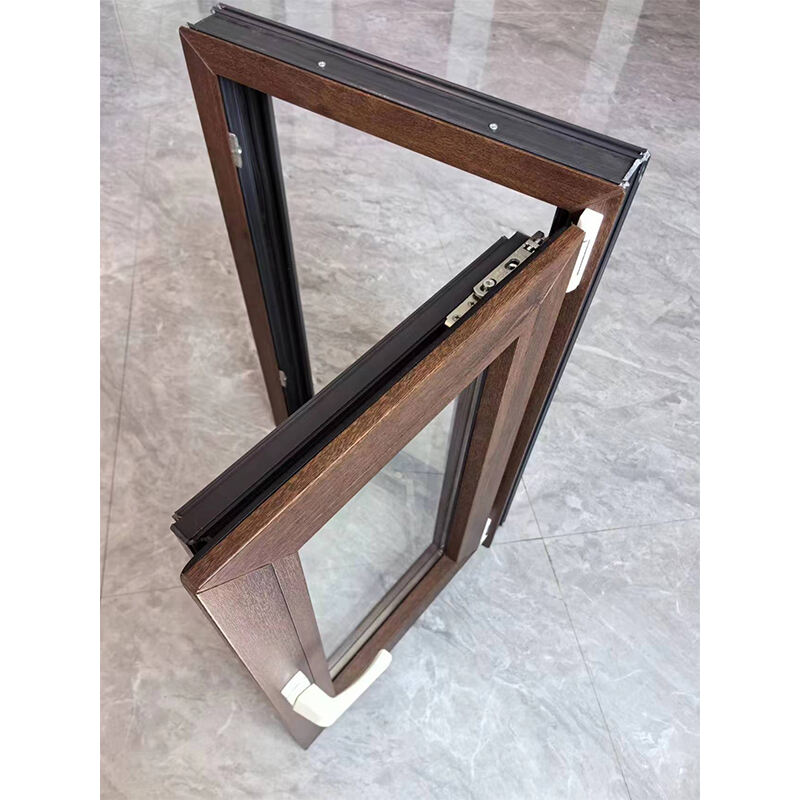
When considering window replacement or installation for your home, UPVC windows have emerged as one of the most popular choices among homeowners worldwide. These innovative window systems combine durability, energy efficiency, and aesthetic appeal to deliver exceptional value for residential properties. Understanding the benefits and characteristics of UPVC windows can help you make an informed decision about whether they represent the right investment for your specific needs and circumstances.
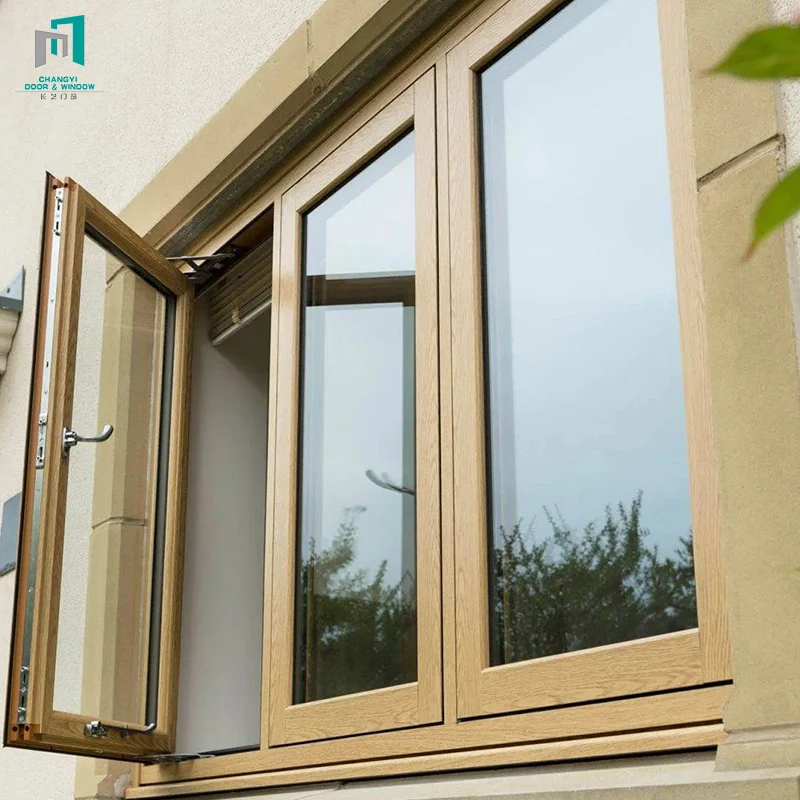
UPVC windows offer remarkable longevity compared to traditional window materials, making them an attractive option for property owners seeking long-term solutions. The advanced polymer construction resists weathering, corrosion, and environmental damage that typically affects wooden or metal window frames over time. This exceptional durability translates into reduced maintenance requirements and extended service life, often exceeding 25-30 years with proper care.
Understanding UPVC Window Construction and Materials
Core Material Composition
The foundation of quality UPVC windows lies in their sophisticated material composition, which utilizes unplasticized polyvinyl chloride as the primary structural component. This specialized plastic polymer provides exceptional strength while maintaining flexibility under various weather conditions. Unlike traditional PVC materials, UPVC contains no plasticizers, resulting in increased rigidity and dimensional stability that ensures consistent performance throughout the window's operational lifetime.
Modern UPVC windows incorporate advanced additives and stabilizers that enhance their resistance to ultraviolet radiation, temperature fluctuations, and chemical exposure. These enhancements prevent common issues such as discoloration, warping, or brittleness that can affect lower-quality plastic windows. The result is a window system that maintains its structural integrity and aesthetic appearance for decades without requiring extensive maintenance or replacement.
Frame Design and Engineering
Contemporary UPVC windows feature multi-chambered frame designs that optimize thermal performance and structural strength simultaneously. These internal chambers create effective barriers against heat transfer while providing reinforcement points that distribute stress loads evenly across the frame structure. The precise engineering of these chambers allows UPVC windows to achieve superior energy efficiency ratings compared to single-chamber alternatives.
Steel reinforcement elements are strategically incorporated within UPVC window frames to enhance structural stability and security. These reinforcements are positioned to maximize resistance against forced entry attempts while maintaining the thermal benefits of the polymer construction. The combination of steel reinforcement and UPVC material creates a hybrid system that delivers both security and energy performance in a single window solution.
Energy Efficiency and Thermal Performance
Insulation Properties
UPVC windows excel in thermal insulation applications due to their inherent material properties and advanced engineering design features. The multi-chambered construction creates multiple air pockets that serve as natural insulators, significantly reducing heat transfer between interior and exterior environments. This thermal barrier effect helps maintain consistent indoor temperatures while reducing the energy demands on heating and cooling systems throughout the year.
The thermal conductivity of UPVC material is substantially lower than aluminum or steel window frames, resulting in reduced thermal bridging effects that can compromise energy efficiency. This characteristic allows UPVC windows to achieve impressive U-values, often ranging from 1.2 to 2.0 W/m²K depending on the specific glazing configuration and frame design. Such performance levels contribute significantly to overall building energy efficiency and can help property owners achieve compliance with modern energy codes and standards.
Glazing Options and Performance
Modern UPVC windows accommodate various glazing configurations to optimize energy performance for specific climate conditions and architectural requirements. Double glazing remains the standard configuration, providing excellent thermal insulation through the insulating air gap between glass panes. Triple glazing options are increasingly available for UPVC windows in regions with extreme climate conditions, offering even greater thermal performance at a moderate increase in cost.
Low-emissivity coatings and gas fills enhance the energy performance of UPVC windows beyond basic double glazing configurations. These advanced glazing technologies work synergistically with the insulating properties of UPVC frames to create comprehensive thermal control systems. The result is window assemblies that can significantly reduce energy consumption while improving indoor comfort levels throughout seasonal temperature variations.
Maintenance Requirements and Longevity
Routine Care and Cleaning
One of the most compelling advantages of UPVC windows is their minimal maintenance requirements compared to traditional window materials. Regular cleaning with mild soap and water solutions is typically sufficient to maintain the appearance and functionality of UPVC window systems. The non-porous surface of UPVC material resists dirt accumulation and staining, making routine maintenance tasks quick and straightforward for homeowners.
UPVC windows do not require periodic painting, staining, or sealing treatments that are necessary for wooden window frames. This elimination of decorative maintenance represents significant time and cost savings over the window's operational lifetime. The inherent color stability of quality UPVC windows ensures that their appearance remains consistent without fading or discoloration under normal environmental exposure conditions.
Long-term Durability Factors
The exceptional durability of UPVC windows stems from their resistance to common deterioration mechanisms that affect other window materials. Unlike wooden frames, UPVC windows are immune to insect damage, rot, and moisture-related deterioration. Metal corrosion issues that can compromise aluminum or steel windows are eliminated through the use of polymer construction materials in UPVC window systems.
Environmental stress factors such as temperature cycling, humidity fluctuations, and UV exposure have minimal impact on properly manufactured UPVC windows. The material's dimensional stability ensures that operational functions such as opening, closing, and locking mechanisms continue to perform reliably throughout the window's service life. This consistency reduces the likelihood of premature hardware replacement or adjustment requirements that can affect other window types.
Security Features and Performance
Structural Security Elements
Modern UPVC windows incorporate comprehensive security features designed to resist unauthorized entry attempts while maintaining ease of operation for legitimate users. Multi-point locking systems distribute securing forces across multiple contact points along the window frame, creating superior resistance against forced entry compared to traditional single-point locking mechanisms. These advanced locking systems often include anti-drill and anti-pick features that further enhance security performance.
The steel reinforcement elements within UPVC window frames provide substantial structural resistance against physical attack methods. These reinforcements are strategically positioned to protect critical areas such as lock points and hinge locations where security vulnerabilities typically occur. The combination of steel reinforcement and robust UPVC construction creates window systems that meet or exceed security standards for residential applications.
Hardware and Access Control
High-quality hardware components integrated into UPVC windows contribute significantly to their overall security performance and operational reliability. Precision-manufactured hinges, handles, and locking mechanisms undergo rigorous testing to ensure consistent performance under regular use conditions. These components are specifically designed to complement the structural characteristics of UPVC window frames while providing smooth operation and secure closure.
Advanced UPVC windows may incorporate additional security features such as laminated glazing, security films, or integrated alarm systems depending on specific security requirements. These optional enhancements work in conjunction with the inherent security properties of UPVC window construction to create comprehensive protection systems. The modular nature of UPVC window security features allows customization to meet varying risk levels and security preferences.
Aesthetic Options and Design Flexibility
Color and Finish Variations
Contemporary UPVC windows offer extensive customization options that allow homeowners to achieve specific aesthetic goals while maintaining the practical benefits of polymer construction. Advanced manufacturing techniques enable the production of UPVC windows in numerous color options, ranging from traditional white and neutral tones to bold contemporary colors that complement modern architectural styles. These color options are integrated into the material during manufacturing, ensuring consistent appearance and long-term color stability.
Textured and woodgrain finishes provide UPVC windows with the visual appeal of natural materials while retaining the maintenance advantages of synthetic construction. These realistic surface treatments are achieved through sophisticated embossing and coating processes that create authentic-looking textures and patterns. The result is window systems that offer the aesthetic warmth of traditional materials combined with the practical benefits of modern UPVC technology.
Architectural Style Integration
UPVC windows can be manufactured in various architectural styles and configurations to complement different building designs and historical contexts. Traditional styles such as casement, sliding sash, and bay window configurations are readily available in UPVC construction, allowing property owners to maintain architectural authenticity while upgrading to modern window technology. These traditional styles incorporate period-appropriate details and proportions that blend seamlessly with existing architectural elements.
Contemporary architectural applications benefit from the design flexibility inherent in UPVC window manufacturing processes. Large glazing areas, minimal frame profiles, and geometric configurations can be achieved while maintaining structural integrity and energy performance. This flexibility enables architects and designers to specify UPVC windows for modern building projects without compromising their design vision or performance objectives.
Cost Considerations and Value Analysis
Initial Investment Requirements
The initial cost of UPVC windows typically falls within the mid-range category when compared to other window materials and systems. While UPVC windows may require a higher initial investment than basic aluminum windows, they generally cost less than premium wooden or composite window systems. This positioning makes UPVC windows accessible to a broad range of property owners while delivering superior performance characteristics compared to budget window options.
Installation costs for UPVC windows are generally competitive due to their standardized dimensions and straightforward installation procedures. The lightweight nature of UPVC construction reduces handling requirements and installation time compared to heavier window materials. Professional installation typically ensures optimal performance and warranty compliance while minimizing potential issues that could affect long-term value realization.
Long-term Economic Benefits
The economic value of UPVC windows extends well beyond their initial purchase and installation costs through various long-term benefits and savings opportunities. Energy savings represent one of the most significant ongoing benefits, with quality UPVC windows reducing heating and cooling costs by 10-25% depending on the specific installation and local climate conditions. These energy savings accumulate over time, often offsetting the initial window investment within 5-10 years of installation.
Reduced maintenance requirements translate into substantial cost savings over the operational lifetime of UPVC windows. The elimination of periodic painting, sealing, and treatment requirements can save hundreds of dollars annually compared to wooden window maintenance needs. Additionally, the extended service life of UPVC windows reduces replacement frequency, further enhancing their long-term economic value proposition for property owners.
FAQ
How long do UPVC windows typically last before requiring replacement
Quality UPVC windows typically provide 25-30 years of reliable service with proper installation and basic maintenance. Some premium UPVC windows may exceed this timeframe, with manufacturers offering warranties of 10-15 years on materials and workmanship. The actual service life depends on factors such as local climate conditions, installation quality, and maintenance practices. Regular cleaning and occasional hardware adjustments can help maximize the operational lifetime of UPVC window systems.
Can UPVC windows be recycled at the end of their service life
Yes, UPVC windows are fully recyclable through specialized processing facilities that separate the various materials and components. The UPVC material can be reprocessed into new window profiles or other plastic products, while metal reinforcements and hardware components are recycled through standard metal recovery processes. Many manufacturers participate in take-back programs that facilitate responsible disposal and recycling of end-of-life UPVC windows, supporting environmental sustainability objectives.
Do UPVC windows provide adequate sound insulation for noisy environments
UPVC windows offer excellent acoustic insulation properties due to their multi-chambered construction and tight sealing systems. Standard double-glazed UPVC windows typically achieve sound reduction ratings of 25-35 decibels, which is sufficient for most residential applications. Enhanced acoustic performance can be achieved through specialized glazing options such as laminated glass, increased glass thickness, or asymmetric double glazing configurations that optimize sound damping characteristics.
Are UPVC windows suitable for historic or period property applications
Modern UPVC windows can be manufactured with traditional styling details and proportions that complement historic architectural contexts. Specialized profiles, authentic color finishes, and period-appropriate hardware options allow UPVC windows to blend seamlessly with historic building facades while providing modern performance benefits. However, some historic preservation authorities may have specific requirements or restrictions regarding window materials, so consultation with local heritage organizations is recommended before specifying UPVC windows for protected or listed buildings.