 EN
EN

Modern building design increasingly emphasizes the critical role of proper ventilation in maintaining healthy indoor environments. Openable UPVC windows have emerged as a leading solution for homeowners and commercial property developers seeking to balance energy efficiency with optimal air circulation. These innovative window systems combine the durability and thermal performance of UPVC materials with the flexibility of multiple opening mechanisms, creating versatile ventilation solutions that adapt to varying weather conditions and occupancy requirements.
The significance of controlled natural ventilation extends beyond simple comfort considerations. Inadequate air circulation can lead to moisture accumulation, compromised indoor air quality, and potential health implications for building occupants. Openable UPVC windows address these concerns through engineered opening systems that facilitate strategic air exchange while maintaining security and weather resistance. The integration of advanced UPVC profiles with precision hardware creates window solutions that perform reliably across diverse climatic conditions and architectural applications.
Understanding UPVC Window Opening Mechanisms
Casement Window Functionality
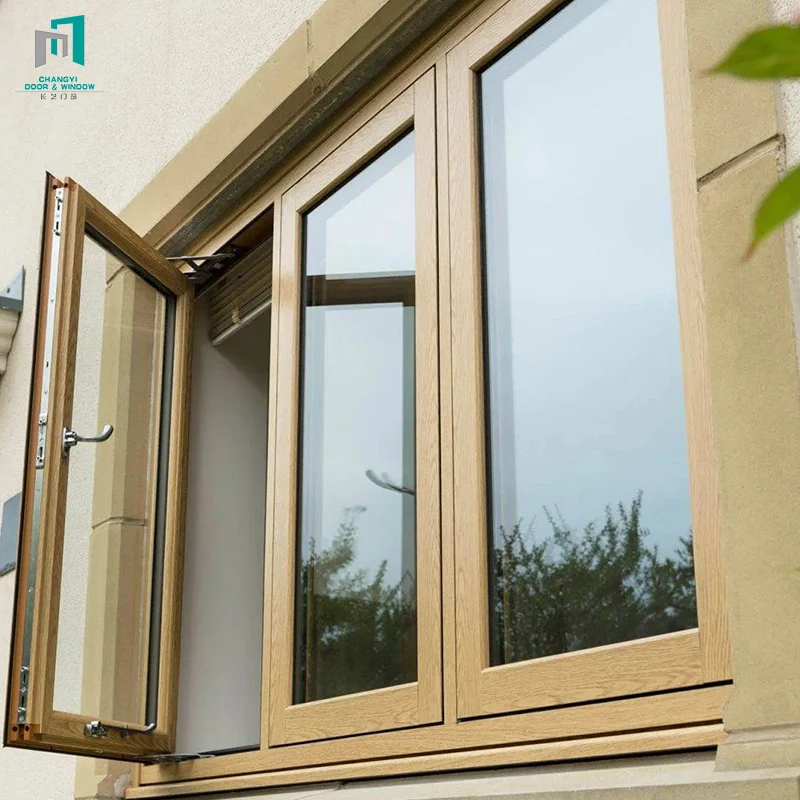
Casement openable UPVC windows operate through side-hinged mechanisms that allow the sash to swing outward or inward depending on the specific design configuration. This opening method provides excellent ventilation control, enabling users to adjust the opening angle precisely to achieve desired airflow rates. The casement design maximizes the effective opening area, facilitating efficient cross-ventilation when multiple windows are coordinated within a space. Professional installation ensures proper alignment and smooth operation throughout the window's service life.
The hardware systems supporting casement operations incorporate multi-point locking mechanisms that secure the window sash against the frame at multiple locations. This distributed locking approach enhances both security and weather sealing performance. When partially opened, casement windows create directed airflow patterns that can be strategically utilized to enhance natural ventilation effectiveness. The ability to control opening angles makes these windows particularly suitable for spaces requiring variable ventilation rates throughout different seasons.
Tilt and Turn Configurations
Tilt and turn openable UPVC windows incorporate dual-function hardware that enables two distinct opening modes within a single window unit. The tilt function allows the top of the sash to pivot inward, creating a controlled opening for continuous ventilation while maintaining security and weather protection. The turn function enables the entire sash to swing inward like a door, providing maximum opening area for cleaning access and rapid air exchange when required.
This versatile opening system proves particularly valuable in residential applications where space constraints or safety considerations limit the use of outward-opening casement designs. The tilt position creates a natural stack ventilation effect, drawing fresh air through the opening while encouraging warm, stale air to exit through higher openings. Professional grade tilt and turn hardware ensures smooth operation transitions between opening modes while maintaining consistent sealing performance in the closed position.
Ventilation Performance Characteristics
Airflow Dynamics and Control
The ventilation performance of openable UPVC windows depends on multiple factors including opening geometry, external wind conditions, and internal thermal loads. Strategic positioning of openable windows within building facades enables designers to harness natural pressure differentials for effective air circulation. Cross-ventilation strategies utilizing coordinated openable UPVC windows on opposite building sides can achieve air change rates that significantly exceed those possible with mechanical ventilation alone.
Window opening controls allow occupants to fine-tune ventilation rates in response to changing environmental conditions and comfort requirements. Partial opening positions create controlled airflow that prevents excessive drafts while maintaining adequate air exchange. The relationship between opening angle and effective ventilation area follows predictable patterns that can be incorporated into building performance calculations and energy modeling applications.
Seasonal Ventilation Adaptation
Openable UPVC windows excel in providing season-appropriate ventilation solutions that adapt to varying temperature and humidity conditions throughout the year. During mild weather periods, small opening angles can provide continuous background ventilation without compromising thermal comfort. Summer cooling strategies benefit from larger opening areas that facilitate rapid air exchange during cooler evening hours, reducing dependence on mechanical cooling systems.
Winter ventilation requirements focus on maintaining indoor air quality while minimizing heat loss. The precise control available with quality openable UPVC windows enables brief, high-volume air exchanges that refresh indoor air without causing significant thermal disruption. This approach, known as pulse ventilation, proves more energy-efficient than continuous low-level ventilation in cold climates.
Material Properties and Performance Benefits
UPVC Frame Characteristics
The UPVC material system utilized in modern openable windows provides exceptional durability and low maintenance requirements compared to traditional window materials. UPVC profiles resist moisture absorption, preventing the warping and dimensional changes that can affect window operation over time. The material's inherent stability ensures consistent sealing performance and smooth hardware operation throughout extended service periods.
Thermal performance represents another significant advantage of UPVC construction in openable UPVC windows. Multi-chamber profile designs create thermal barriers that minimize heat transfer through the window frame, contributing to overall building energy efficiency. This thermal performance becomes particularly important in openable window applications where frame-to-sash interfaces must maintain insulation properties while accommodating operational movement.
Weather Resistance and Durability
Openable UPVC windows demonstrate superior weather resistance through engineered sealing systems that maintain performance across wide temperature ranges and exposure conditions. The combination of UPVC material properties and precision manufacturing creates window assemblies that resist water penetration, air infiltration, and structural degradation under severe weather conditions. This reliability ensures consistent ventilation control regardless of external environmental stresses.
Long-term durability testing confirms that properly installed openable UPVC windows maintain operational performance and appearance characteristics for decades with minimal maintenance intervention. The material's resistance to ultraviolet degradation, chemical exposure, and biological growth contributes to sustained performance in diverse installation environments. Regular cleaning and basic hardware maintenance preserve optimal operation throughout the window's extended service life.
Installation and Integration Considerations
Structural Requirements and Support
Successful installation of openable UPVC windows requires careful attention to structural support and load transfer considerations. The operational loads generated by opening and closing cycles must be properly transmitted to the building structure through appropriate framing and anchoring systems. Professional installation practices ensure proper alignment and support distribution that prevents operational issues and maintains long-term performance.
Building integration involves coordinating window installations with insulation systems, weather barriers, and finish materials to create continuous thermal and moisture control layers. Proper flashing and sealing details around openable UPVC windows prevent water infiltration and thermal bridging that could compromise building envelope performance. These installation details require expertise in both window systems and building science principles.
Hardware Selection and Maintenance
The selection of appropriate hardware systems for openable UPVC windows affects both immediate performance and long-term reliability. Commercial-grade hardware components provide enhanced durability and smooth operation under frequent use conditions. Security features, including multi-point locking and reinforced strike plates, can be integrated without compromising ventilation functionality or ease of operation.
Preventive maintenance programs for openable UPVC windows focus on hardware lubrication, seal inspection, and drainage system cleaning. Regular attention to these maintenance items preserves operational smoothness and prevents minor issues from developing into costly repairs. Professional maintenance services can identify potential problems early and implement corrective measures that extend window service life.
Energy Efficiency and Environmental Impact
Thermal Performance Optimization
Openable UPVC windows contribute to building energy efficiency through multiple mechanisms including reduced mechanical ventilation loads, enhanced natural cooling opportunities, and improved occupant comfort that reduces heating and cooling demands. Strategic use of natural ventilation through openable windows can significantly reduce annual energy consumption in appropriate climates and building types.
The thermal mass effects of UPVC frame systems help moderate indoor temperature fluctuations, contributing to thermal comfort stability. When combined with appropriate glazing selections, openable UPVC windows can achieve thermal performance levels that meet or exceed stringent energy codes while providing superior ventilation control compared to fixed window alternatives.
Sustainable Building Integration
The environmental benefits of openable UPVC windows extend beyond operational energy savings to include material sustainability and end-of-life considerations. UPVC materials are fully recyclable, and window manufacturers increasingly incorporate recycled content into new production. The extended service life of quality openable UPVC windows reduces replacement frequency and associated environmental impacts.
Green building certification programs recognize the ventilation benefits provided by openable window systems, often awarding credits for natural ventilation capabilities that reduce mechanical system requirements. The integration of openable UPVC windows into sustainable design strategies supports broader environmental objectives while providing tangible performance benefits for building occupants.
FAQ
How often should openable UPVC windows be maintained for optimal performance
Openable UPVC windows require minimal maintenance when properly installed, but regular attention to key components ensures optimal performance. Hardware lubrication should occur annually, focusing on hinges, locking mechanisms, and operating handles. Seal inspection and cleaning should be performed seasonally to maintain weather resistance. Drainage system clearing prevents water accumulation that could affect operation. Professional maintenance services can provide comprehensive inspections that identify potential issues before they impact window performance or require costly repairs.
What factors determine the ventilation effectiveness of openable UPVC windows
Ventilation effectiveness depends on window positioning, opening configuration, external wind conditions, and internal thermal loads. Cross-ventilation strategies using coordinated openable UPVC windows on opposite building sides typically achieve the highest air exchange rates. Opening geometry affects airflow patterns, with larger openings providing greater ventilation capacity. Building orientation relative to prevailing winds influences natural ventilation potential. Professional design analysis can optimize window placement and sizing to maximize ventilation performance for specific applications and climatic conditions.
Are openable UPVC windows suitable for high-rise building applications
Openable UPVC windows can be successfully utilized in high-rise applications when properly designed for wind loads and safety requirements. Specialized hardware systems provide enhanced security and controlled opening limits to address safety concerns at elevation. Wind load calculations determine appropriate frame reinforcement and glazing specifications for high-rise conditions. Building codes may impose restrictions on opening types and maximum opening areas that influence design selections. Professional engineering analysis ensures that openable UPVC windows meet all performance and safety requirements for high-rise installations.
How do openable UPVC windows compare to mechanical ventilation systems in terms of energy efficiency
Openable UPVC windows provide natural ventilation that requires no operational energy, making them inherently more efficient than mechanical systems when environmental conditions permit effective natural air exchange. However, mechanical systems offer more precise control and consistent performance regardless of external conditions. Hybrid approaches combining openable windows with mechanical ventilation can optimize energy efficiency by utilizing natural ventilation when favorable and mechanical systems when necessary. The most energy-efficient solution depends on climate, building type, occupancy patterns, and specific performance requirements for each application.
Table of Contents
- Understanding UPVC Window Opening Mechanisms
- Ventilation Performance Characteristics
- Material Properties and Performance Benefits
- Installation and Integration Considerations
- Energy Efficiency and Environmental Impact
-
FAQ
- How often should openable UPVC windows be maintained for optimal performance
- What factors determine the ventilation effectiveness of openable UPVC windows
- Are openable UPVC windows suitable for high-rise building applications
- How do openable UPVC windows compare to mechanical ventilation systems in terms of energy efficiency