 EN
EN
Modern construction and renovation projects increasingly demand energy-efficient, durable, and cost-effective window solutions. UPVC windows have emerged as the preferred choice for residential and commercial applications worldwide, offering superior performance characteristics that traditional window materials simply cannot match. These advanced window systems combine innovative engineering with practical functionality, delivering exceptional value for property owners seeking long-term reliability and enhanced comfort.
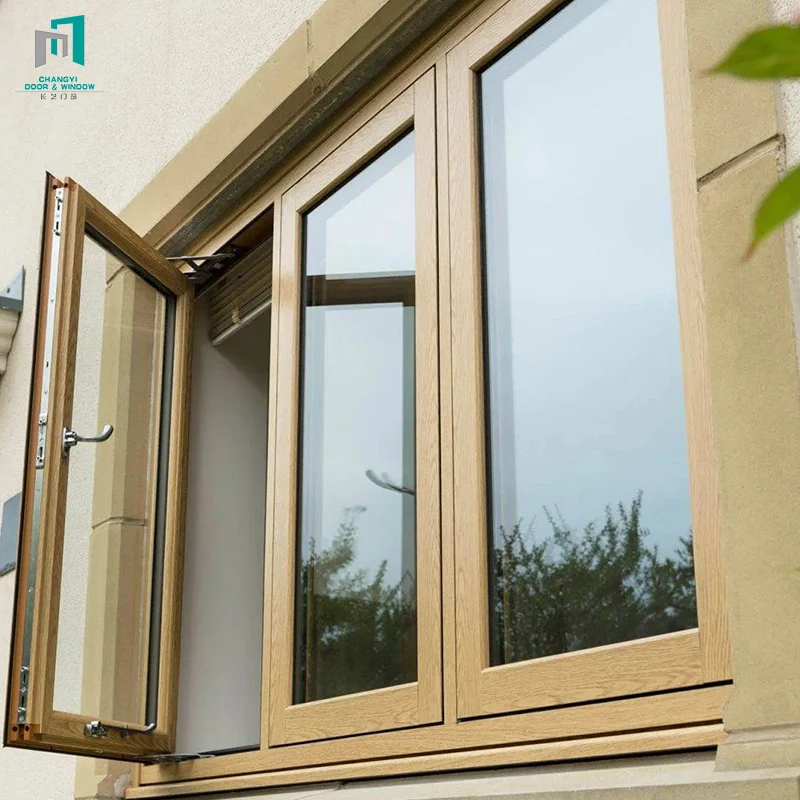
The construction industry has witnessed a significant shift toward sustainable building materials and energy-efficient technologies. UPVC windows represent a pivotal advancement in this evolution, providing architects, contractors, and homeowners with versatile solutions that address multiple performance requirements simultaneously. From thermal insulation to sound reduction, these window systems deliver comprehensive benefits that extend far beyond basic functionality.
Understanding UPVC Window Technology
Material Composition and Manufacturing
UPVC windows are manufactured using unplasticized polyvinyl chloride, a rigid thermoplastic material specifically engineered for construction applications. Unlike standard PVC, the unplasticized variant maintains structural integrity without requiring additional plasticizers that can degrade over time. This fundamental difference ensures that UPVC windows retain their dimensional stability and mechanical properties throughout their extended service life.
The manufacturing process involves precision extrusion techniques that create complex multi-chamber profiles optimized for thermal performance. These chambers form insulating air pockets that significantly reduce heat transfer, making UPVC windows exceptionally energy-efficient. Advanced manufacturing facilities utilize computer-controlled cutting, welding, and assembly processes to ensure consistent quality and precise tolerances across all production batches.
Advanced Profile Design Features
Contemporary UPVC windows incorporate sophisticated profile designs featuring multiple chambers strategically positioned to maximize insulation properties. These chambers create thermal breaks that prevent heat conduction through the window frame, substantially improving overall energy efficiency. The profile geometry also accommodates high-performance glazing systems, weather seals, and hardware components essential for optimal functionality.
Reinforcement systems integrated within UPVC window profiles provide structural strength comparable to traditional materials while maintaining the lightweight characteristics that simplify installation procedures. These reinforcements typically consist of galvanized steel inserts positioned within specific chambers, ensuring that UPVC windows can support substantial glazing loads and withstand environmental stresses without deformation.
Energy Efficiency and Thermal Performance
Insulation Properties and Heat Transfer Reduction
The thermal performance of UPVC windows significantly exceeds that of conventional window materials, delivering measurable reductions in heating and cooling costs for building occupants. Multi-chamber profile designs create effective thermal barriers that minimize heat conduction, while advanced weather sealing systems eliminate air infiltration that commonly occurs with traditional window installations.
Professional testing demonstrates that properly installed UPVC windows can achieve U-values as low as 0.8 W/m²K when combined with high-performance glazing systems. This exceptional thermal efficiency translates directly into reduced energy consumption, lower utility bills, and improved indoor comfort throughout all seasons. The insulating properties remain consistent over decades of service, ensuring long-term energy savings that offset initial investment costs.
Condensation Control and Moisture Management
UPVC windows effectively address moisture-related issues that commonly affect building envelopes, particularly in climates with significant temperature variations. The thermal efficiency of these window systems reduces the likelihood of condensation formation on interior surfaces, preventing moisture damage to surrounding building materials and eliminating conditions that promote mold growth.
Advanced drainage systems integrated into UPVC window designs ensure proper moisture evacuation from the glazing rebate and frame cavities. These drainage channels prevent water accumulation that could compromise window performance or cause structural damage to adjacent building components. The moisture management capabilities of UPVC windows contribute significantly to maintaining healthy indoor environments and protecting building integrity.
Durability and Weather Resistance
UV Stability and Color Retention
UPVC windows demonstrate exceptional resistance to ultraviolet radiation, maintaining their appearance and structural properties even after prolonged exposure to intense sunlight. Modern UPVC formulations incorporate advanced UV stabilizers and impact modifiers that prevent degradation, discoloration, and brittleness commonly associated with extended outdoor exposure of plastic materials.
Comprehensive weathering tests confirm that quality UPVC windows retain their mechanical properties and aesthetic appeal for decades without requiring protective treatments or frequent maintenance interventions. The material's inherent stability ensures that window frames maintain their dimensional accuracy and sealing performance throughout their service life, providing consistent protection against weather infiltration.
Impact Resistance and Structural Integrity
The impact resistance of UPVC windows enables them to withstand severe weather conditions, including hail, wind-borne debris, and thermal cycling without sustaining damage that compromises their functionality. Rigorous testing protocols verify that these window systems maintain their structural integrity under extreme loading conditions that would cause failure in less robust alternatives.
UPVC windows demonstrate remarkable resilience against environmental stresses that typically cause deterioration in traditional window materials. The material's resistance to corrosion, rot, and insect damage eliminates common maintenance issues while ensuring reliable long-term performance. This durability translates into lower lifecycle costs and reduced replacement frequency compared to conventional window solutions.
Acoustic Performance and Sound Control
Sound Transmission Reduction
UPVC windows provide superior acoustic insulation compared to single-glazed or poorly sealed window systems, creating quieter indoor environments that enhance occupant comfort and productivity. The multi-chamber profile design and precision weather sealing work together to create effective barriers against external noise transmission, particularly important in urban environments or areas near transportation corridors.
Laboratory testing demonstrates that properly configured UPVC windows can achieve sound reduction ratings exceeding 40 decibels when combined with appropriate glazing specifications. This acoustic performance makes them suitable for applications requiring enhanced sound control, including educational facilities, healthcare buildings, and residential properties in noisy locations.
Glazing Integration and Performance Enhancement
The design flexibility of UPVC windows accommodates various glazing configurations optimized for specific acoustic requirements, including laminated glass, double glazing with increased cavity widths, and specialized acoustic interlayers. These glazing options can be seamlessly integrated into standard UPVC window profiles without compromising structural integrity or weather performance.
Advanced glazing systems compatible with UPVC windows enable architects to specify window solutions that address multiple performance criteria simultaneously. The combination of acoustic glazing with thermally efficient UPVC frames creates comprehensive window systems that deliver exceptional comfort and functionality across diverse application requirements.
Maintenance Requirements and Lifecycle Benefits
Low Maintenance Characteristics
UPVC windows require minimal maintenance throughout their service life, eliminating the periodic painting, sealing, and refinishing procedures necessary with traditional window materials. The material's inherent properties resist staining, fading, and degradation, maintaining acceptable appearance with basic cleaning using standard household cleaners and water.
Routine maintenance of UPVC windows consists primarily of cleaning glazing surfaces, lubricating hardware components, and inspecting weather seals for proper function. These simple procedures can be performed by building occupants without specialized tools or professional expertise, significantly reducing long-term maintenance costs and service disruptions.
Hardware and Operating Mechanisms
Quality hardware systems designed specifically for UPVC windows ensure smooth operation and reliable security throughout extended service periods. These components undergo rigorous testing to verify their compatibility with UPVC frame materials and their ability to maintain proper function under repeated operation cycles.
Modern UPVC windows incorporate multi-point locking systems, adjustable hinges, and corrosion-resistant hardware that enhance security while maintaining ease of operation. The precision manufacturing tolerances achievable with UPVC profiles enable optimal hardware alignment and adjustment, ensuring consistent performance that meets demanding commercial and residential requirements.
Installation Advantages and Construction Benefits
Installation Efficiency and Precision
UPVC windows offer significant installation advantages that reduce construction time and labor costs while improving overall project efficiency. The lightweight nature of these window systems simplifies handling and positioning procedures, enabling smaller installation crews to manage larger window units safely and efficiently.
Precision manufacturing ensures that UPVC windows arrive at construction sites with consistent dimensions and square geometry, eliminating time-consuming field adjustments typically required with less precise window systems. This dimensional accuracy facilitates faster installation procedures and reduces the likelihood of installation errors that could compromise window performance or building envelope integrity.
Integration with Building Systems
UPVC windows integrate effectively with contemporary construction methods and building envelope systems, providing versatile solutions for diverse architectural requirements. The material compatibility and dimensional stability of these window systems enable reliable integration with various wall assembly types, insulation systems, and weather barrier applications.
Advanced flashing and sealing details developed specifically for UPVC windows ensure proper integration with building envelope components, preventing air and moisture infiltration that could compromise building performance. These installation systems have been thoroughly tested and validated through field experience across various climate conditions and building types.
Cost-Effectiveness and Economic Benefits
Initial Investment and Long-Term Value
While UPVC windows may require higher initial investment compared to basic window options, their superior performance characteristics and extended service life deliver exceptional long-term value for building owners. The energy savings achieved through improved thermal efficiency typically offset the initial cost premium within a reasonable payback period, creating positive return on investment throughout the window lifecycle.
Comprehensive lifecycle cost analysis demonstrates that UPVC windows provide superior economic value when considering energy savings, maintenance reduction, and replacement avoidance over typical building ownership periods. These economic benefits become particularly significant in commercial applications where energy costs represent substantial operational expenses and maintenance disruptions affect productivity.
Market Availability and Supply Chain Benefits
The widespread adoption of UPVC windows has created robust supply chains and competitive markets that benefit consumers through improved availability, standardized specifications, and competitive pricing. Established manufacturing networks ensure reliable product availability and consistent quality standards across different suppliers and geographic regions.
Standardized profile systems and hardware components enable interchangeability and replacement part availability that simplifies long-term building maintenance planning. This supply chain maturity provides building owners with confidence in product availability and service support throughout the extended service life of UPVC windows installations.
Environmental Impact and Sustainability
Material Sustainability and Recycling
UPVC windows contribute to sustainable construction practices through their energy efficiency benefits, long service life, and end-of-life recyclability. The material can be mechanically recycled into new UPVC products, reducing waste disposal requirements and supporting circular economy principles in the construction industry.
Manufacturing processes for UPVC windows have evolved to incorporate recycled content and reduce environmental impact through improved energy efficiency and waste minimization. Leading manufacturers implement comprehensive environmental management systems that address resource consumption, emissions control, and waste stream management throughout the production cycle.
Energy Performance and Carbon Footprint
The energy efficiency delivered by UPVC windows contributes significantly to reducing building operational carbon emissions over their service life. This performance benefit typically exceeds any environmental impact associated with material production and manufacturing, creating net positive environmental outcomes for buildings utilizing these window systems.
Lifecycle assessment studies confirm that the environmental benefits of UPVC windows increase over time as energy savings accumulate and building efficiency improvements contribute to reduced greenhouse gas emissions. These findings support the specification of UPVC windows as environmentally responsible building components that advance sustainability objectives.
FAQ
How long do UPVC windows typically last
Quality UPVC windows are designed to provide reliable service for 20-30 years or more when properly installed and maintained. The material's resistance to weathering, UV degradation, and structural deterioration ensures consistent performance throughout this extended service period. Regular maintenance consisting of cleaning and hardware lubrication helps maximize service life and maintain optimal functionality.
Can UPVC windows be repaired if damaged
Minor damage to UPVC windows can often be repaired using specialized techniques and materials designed for plastic welding and surface restoration. However, significant structural damage typically requires replacement of affected components or entire window units. Professional assessment is recommended to determine the most appropriate repair approach based on the extent and nature of the damage.
Are UPVC windows suitable for all climate conditions
UPVC windows are engineered to perform effectively across a wide range of climate conditions, from extreme cold to intense heat and high humidity environments. The material's thermal stability and weather resistance make it suitable for most geographic locations, though specific profile designs and glazing configurations may be recommended for particular climate zones to optimize performance.
What factors affect the cost of UPVC windows
The cost of UPVC windows varies based on size, configuration, hardware specifications, glazing type, and manufacturing quality standards. Additional factors include installation complexity, local market conditions, and specific performance requirements such as enhanced security features or specialized acoustic properties. Professional evaluation helps determine the most cost-effective solution for specific application requirements.
Table of Contents
- Understanding UPVC Window Technology
- Energy Efficiency and Thermal Performance
- Durability and Weather Resistance
- Acoustic Performance and Sound Control
- Maintenance Requirements and Lifecycle Benefits
- Installation Advantages and Construction Benefits
- Cost-Effectiveness and Economic Benefits
- Environmental Impact and Sustainability
- FAQ