 EN
EN

Modern residential construction faces unprecedented challenges in fire safety, with homeowners increasingly recognizing the critical importance of comprehensive fire protection systems. Fire rated doors have emerged as essential components in contemporary home design, providing crucial barriers that can mean the difference between property damage and complete devastation. These specialized doors are engineered to withstand extreme temperatures and prevent the spread of flames and smoke throughout residential structures, offering homeowners peace of mind and potentially life-saving protection during emergency situations.
Understanding Fire Rated Door Technology
Core Construction Principles
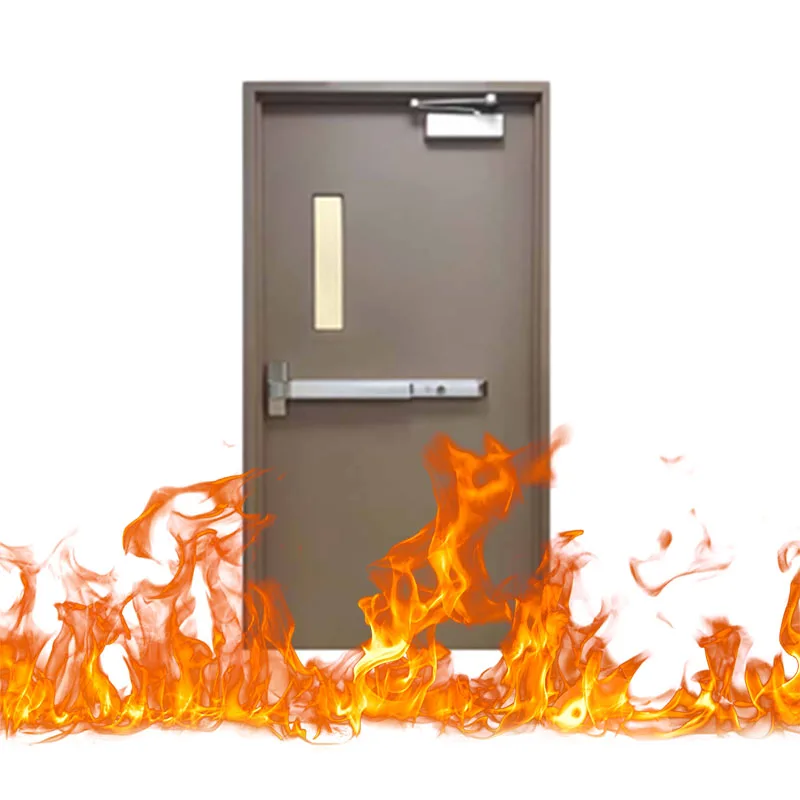
Fire rated doors utilize advanced engineering principles to create barriers that maintain structural integrity under extreme heat conditions. The core materials typically consist of mineral-based compounds, steel reinforcements, and specialized insulation layers that work together to prevent heat transfer and flame penetration. These doors undergo rigorous testing procedures that simulate real-world fire conditions, ensuring they meet or exceed industry standards for residential applications. The construction process involves precise manufacturing techniques that eliminate potential weak points where fire could breach the barrier.
Manufacturing standards for fire rated doors require compliance with strict regulatory guidelines that govern materials, assembly methods, and performance characteristics. Each door must demonstrate its ability to withstand specified temperature ranges for predetermined time periods, typically ranging from 20 minutes to 90 minutes depending on the application requirements. The testing process evaluates not only flame resistance but also smoke penetration rates, structural stability, and hardware performance under fire conditions.
Material Innovation and Performance
Contemporary fire rated doors incorporate cutting-edge materials that enhance both fire resistance and aesthetic appeal. Steel cores provide exceptional strength and heat resistance, while specialized coatings protect against corrosion and maintain appearance over time. Advanced insulation materials fill the door core, creating thermal barriers that prevent heat transfer to the unexposed side of the door. These innovations allow fire rated doors to blend seamlessly with modern home designs while providing superior protection.
Recent developments in door manufacturing have introduced composite materials that offer improved fire resistance while reducing weight and installation complexity. These materials maintain structural integrity at elevated temperatures while providing better insulation properties than traditional options. The integration of smart materials that respond to heat exposure by expanding to seal gaps represents the next generation of fire door technology.
Residential Applications and Strategic Placement
Critical Installation Locations
Strategic placement of fire rated doors throughout residential properties maximizes their protective benefits and ensures optimal fire compartmentalization. Garage-to-house connections represent one of the most critical applications, as garages often contain flammable materials and potential ignition sources. Installing fire rated doors between garages and living spaces provides essential protection against vehicle fires, fuel vapors, and stored chemical hazards that could threaten the main residence.
Basement entries and utility room access points benefit significantly from fire door installation, particularly in areas housing mechanical equipment, electrical panels, or storage facilities. These locations often contain potential fire hazards that could spread rapidly throughout the home without proper containment barriers. Fire rated doors in these applications help isolate dangerous areas and provide safe egress routes during emergency situations.
Multi-Story Home Considerations
Multi-level residential structures present unique fire safety challenges that fire rated doors can effectively address. Stairwell protection becomes paramount in multi-story homes, where fire and smoke can quickly travel between floors through open stairways. Installing fire rated doors at stairwell entrances creates protected escape routes and prevents vertical fire spread that could trap occupants on upper floors.
Bedroom and hallway applications in multi-story homes provide additional layers of protection that can be crucial during nighttime emergencies. Fire rated doors installed at bedroom entrances or hallway transitions create safe havens where occupants can shelter while awaiting rescue or seeking alternative escape routes. These installations are particularly valuable in homes with complex layouts or limited egress options.
Regulatory Compliance and Building Codes
National and Local Requirements
Building codes across various jurisdictions increasingly mandate fire rated doors in specific residential applications, reflecting growing awareness of their importance in comprehensive fire protection strategies. The International Residential Code (IRC) provides baseline requirements that many local authorities adopt or modify to suit regional conditions and risk factors. Understanding these requirements helps homeowners make informed decisions about fire door installations and ensure compliance with applicable regulations.
Local building departments often have specific requirements that exceed national standards, particularly in areas prone to wildfire risks or regions with unique construction challenges. These enhanced requirements may specify higher fire ratings, additional installation locations, or specialized hardware that meets local performance standards. Working with qualified professionals ensures that fire rated doors meet all applicable requirements and provide optimal protection for specific residential applications.
Insurance and Safety Benefits
Insurance companies increasingly recognize the value of fire rated doors in reducing claim risks and may offer premium discounts for homes equipped with comprehensive fire protection systems. These financial incentives reflect the proven effectiveness of fire doors in limiting property damage and protecting lives during fire emergencies. Documentation of fire door installations and regular maintenance records can support insurance claims and demonstrate proactive fire safety measures.
Safety benefits extend beyond fire protection to include improved security, weather resistance, and noise reduction capabilities that enhance overall home performance. Fire rated doors typically feature robust construction that provides better security than standard residential doors, while their tight sealing properties improve energy efficiency and reduce external noise infiltration. These additional benefits make fire rated doors valuable investments that provide multiple advantages beyond their primary fire protection function.
Installation and Maintenance Best Practices
Professional Installation Requirements
Proper installation of fire rated doors requires specialized knowledge and techniques that ensure optimal performance during fire conditions. Professional installers understand the critical importance of maintaining specified clearances, using appropriate hardware, and achieving proper seal integrity throughout the door assembly. These technical requirements directly impact the door's ability to perform as designed during actual fire emergencies.
Installation procedures must account for thermal expansion characteristics that allow fire rated doors to function properly at elevated temperatures. Hardware selection becomes crucial, as standard residential door hardware may fail under fire conditions and compromise the door's protective capabilities. Professional installers ensure that all components work together as an integrated fire protection system that maintains integrity throughout the specified fire rating period.
Ongoing Maintenance and Inspection
Regular maintenance programs help ensure that fire rated doors continue to provide optimal protection throughout their service life. Inspection procedures should evaluate door alignment, hardware operation, seal condition, and overall structural integrity. These assessments help identify potential issues before they compromise the door's fire protection capabilities and ensure compliance with manufacturer recommendations and regulatory requirements.
Maintenance activities typically include lubrication of hinges and hardware, adjustment of door alignment, replacement of worn seals, and testing of self-closing mechanisms where applicable. These routine procedures help prevent minor issues from developing into major problems that could compromise fire protection performance. Documenting maintenance activities provides valuable records for insurance purposes and demonstrates ongoing commitment to fire safety.
Cost Considerations and Return on Investment
Initial Investment Analysis
The cost of fire rated doors varies significantly based on size, fire rating duration, construction materials, and aesthetic features required for specific applications. While initial costs exceed those of standard residential doors, the investment must be evaluated in the context of potential fire damage costs and the irreplaceable value of life safety protection. Quality fire rated doors provide decades of reliable service when properly installed and maintained, making them cost-effective long-term investments.
Budget considerations should account for installation costs, hardware requirements, and any necessary structural modifications required to accommodate fire rated doors. Professional installation ensures optimal performance and may be required to maintain warranty coverage and insurance benefits. These additional costs represent essential investments in the door's effectiveness and long-term reliability.
Long-Term Value Proposition
Fire rated doors contribute to overall property value by demonstrating comprehensive fire safety planning that appeals to safety-conscious buyers. Real estate markets increasingly value homes with advanced fire protection systems, particularly in areas with elevated fire risks or strict building code requirements. These doors represent permanent improvements that enhance both safety and marketability of residential properties.
The return on investment extends beyond monetary considerations to include the peace of mind that comes from knowing family members and property have enhanced protection against fire emergencies. This intangible benefit becomes particularly valuable for homeowners in high-risk areas or those with limited fire department response capabilities. Fire rated doors provide 24/7 protection that operates independently of external emergency services or power systems.
FAQ
What fire rating should I choose for residential fire rated doors
Residential fire rated doors typically require 20-minute to 90-minute ratings depending on the specific application and local building code requirements. Most residential applications use 20-minute or 45-minute rated doors, which provide adequate protection for typical home fire scenarios. Consult with local building officials and fire protection professionals to determine the appropriate rating for your specific situation and ensure compliance with applicable codes.
Do fire rated doors require special hardware and installation
Yes, fire rated doors must use specifically tested and listed hardware that maintains the door's fire rating. This includes hinges, locks, handles, and closing mechanisms that have been evaluated as part of the complete door assembly. Professional installation by qualified technicians ensures proper fit, alignment, and hardware integration that maintains the door's fire protection capabilities throughout its service life.
How often should fire rated doors be inspected and maintained
Fire rated doors should be visually inspected monthly and receive comprehensive professional maintenance annually. Regular inspections should check for proper door operation, seal integrity, hardware function, and any signs of damage or wear. Annual professional maintenance includes detailed evaluation of all components, lubrication of moving parts, adjustment of alignment, and replacement of worn components to ensure continued fire protection performance.
Can fire rated doors be modified or customized after installation
Fire rated doors cannot be modified in the field without potentially voiding their fire rating and compromising their protective capabilities. Any modifications, including cutting for hardware installation, drilling additional holes, or altering the door structure, must be performed according to manufacturer specifications and tested configurations. Unauthorized modifications can eliminate the door's fire protection properties and create dangerous vulnerabilities during fire emergencies.