 EN
EN

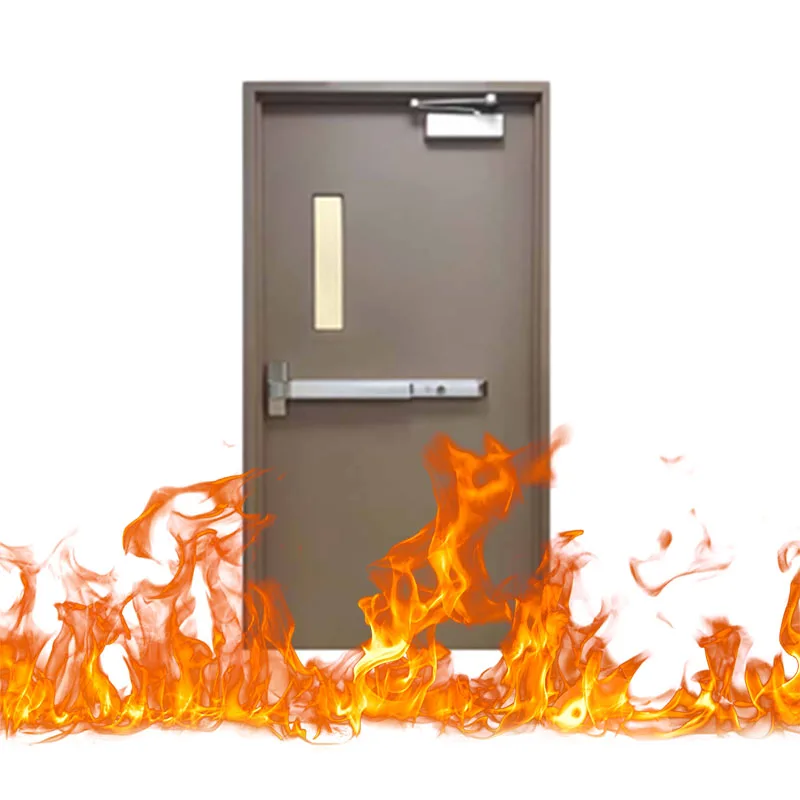
Modern homeowners no longer need to compromise between safety and aesthetics when selecting fire rated doors for their residential properties. These essential safety features have evolved significantly from the industrial-looking barriers of the past, now offering sophisticated design options that seamlessly integrate with contemporary home architecture. Fire rated doors provide crucial protection by containing flames and smoke for specified periods, typically ranging from 20 minutes to three hours, giving occupants valuable time to evacuate safely while maintaining the visual appeal that homeowners desire.
The integration of fire rated doors into residential settings requires careful consideration of both safety requirements and design preferences. Building codes mandate specific fire resistance ratings for different areas of the home, particularly between attached garages and living spaces, basement access points, and furnace room entrances. Understanding these requirements helps homeowners make informed decisions while exploring the extensive range of aesthetic options available in today's market.
Material Innovation in Fire Rated Door Construction
Steel Core Technology and Surface Finishes
Contemporary fire rated doors utilize advanced steel core construction that provides exceptional fire resistance while supporting diverse exterior finishes. The steel core serves as the primary fire barrier, maintaining structural integrity under extreme temperatures and preventing flame penetration. Manufacturers have developed sophisticated laminating processes that allow wood veneers, decorative laminates, and even painted finishes to be applied over the steel core without compromising fire performance.
Surface finish options have expanded dramatically, enabling fire rated doors to mimic natural wood grains, contemporary painted surfaces, and even textured materials. High-pressure decorative laminates can replicate the appearance of premium hardwoods like cherry, mahogany, or oak while maintaining the required fire resistance rating. These finishes undergo rigorous testing to ensure they do not contribute to flame spread or generate toxic gases during fire exposure.
Composite Materials and Engineered Solutions
Engineered composite materials represent a significant advancement in fire rated door technology, combining multiple layers of fire-resistant materials to create doors that are both lightweight and aesthetically versatile. These composite constructions often incorporate mineral cores, steel reinforcement, and specialized adhesives that maintain bond integrity under high temperatures. The resulting doors offer superior dimensional stability and can support various decorative treatments without warping or delamination.
Advanced composite fire rated doors can accommodate complex panel designs, raised moldings, and architectural details that were previously impossible with traditional steel construction. Manufacturers use computer-controlled machining to create precise panel geometries and decorative elements that enhance the door's visual appeal while maintaining fire performance standards. These innovations allow homeowners to select fire rated doors that perfectly complement their interior design schemes.
Architectural Styles and Design Integration
Traditional and Classic Design Elements
Traditional residential architecture benefits from fire rated doors that incorporate classic design elements such as raised panels, decorative moldings, and period-appropriate proportions. Manufacturers now offer fire rated doors with authentic-looking raised panel configurations that mirror historical door styles while meeting modern safety requirements. These doors feature carefully crafted panel depths and edge profiles that create visual interest and complement traditional home designs.
Classic door designs for fire rated applications include Colonial six-panel configurations, Craftsman-style doors with geometric panel arrangements, and Victorian-inspired designs with ornate molding details. Advanced manufacturing techniques enable the creation of these traditional elements without compromising the door's fire resistance properties. Specialized router programming and precision molding processes ensure that decorative details maintain their appearance while supporting the door's safety function.
Contemporary and Modern Design Approaches
Modern architectural styles demand fire rated doors with clean lines, minimal ornamentation, and innovative material combinations. Contemporary fire rated doors feature flush surfaces, geometric panel arrangements, and integration with glass elements that maintain fire resistance while creating visual openness. These designs emphasize proportion, material quality, and subtle detailing rather than ornate decorative elements.
Minimalist fire rated doors incorporate features such as concealed hinges, integrated hardware, and seamless surface transitions that support contemporary design philosophies. Manufacturers have developed specialized techniques for creating perfectly flush surfaces and sharp edge details that define modern door aesthetics. These fire rated doors often serve as subtle design elements that blend seamlessly with surrounding architectural features while providing essential safety protection.
Color and Finish Customization Options
Paint Systems and Color Matching
Professional paint systems for fire rated doors have evolved to offer unlimited color possibilities while maintaining fire resistance properties. High-performance paint formulations specifically designed for fire rated applications provide excellent adhesion, durability, and color retention without affecting the door's safety rating. These specialized coatings undergo extensive testing to ensure they do not contribute to flame spread or generate harmful emissions during fire exposure.
Color matching capabilities enable homeowners to coordinate fire rated doors with existing interior design schemes or architectural elements. Professional color matching services can replicate specific paint colors from major manufacturers, custom color formulations, or even match colors from fabric samples or design materials. Advanced spray application techniques ensure uniform color coverage and professional finish quality that rivals custom millwork.
Wood Grain and Texture Replication
Modern fire rated doors can replicate the appearance and texture of natural wood species with remarkable accuracy through advanced surface treatment technologies. High-definition wood grain patterns are created using specialized pressing techniques that imprint realistic wood textures onto fire-resistant substrates. These processes can reproduce the subtle grain variations, pore structures, and natural irregularities that characterize different wood species.
Texture replication extends beyond simple wood grains to include distressed finishes, hand-scraped effects, and weathered appearances that add character and visual interest. These specialized finishes undergo rigorous fire testing to ensure they maintain their protective properties while providing the desired aesthetic effects. The combination of realistic textures and appropriate staining creates fire rated doors that are virtually indistinguishable from solid wood construction.
Hardware Integration and Aesthetic Coordination
Decorative Hardware Selection
The selection of appropriate hardware significantly impacts the overall aesthetic success of fire rated doors in residential applications. Fire rated door hardware must meet specific performance standards while complementing the door's design and the home's architectural style. Manufacturers offer extensive collections of fire rated hardware in various finishes, styles, and operational configurations that support both safety requirements and design preferences.
Contemporary hardware options include sleek lever handles, traditional knob sets, and integrated electronic access systems that maintain fire ratings while providing desired functionality. Finish options range from classic brass and chrome to modern matte black, brushed nickel, and custom powder-coated colors. Coordinated hardware suites ensure visual consistency across multiple fire rated doors throughout the home while maintaining the required safety performance.
Concealed and Minimalist Hardware Systems
Advanced fire rated doors can incorporate concealed hardware systems that support minimalist design approaches while maintaining full functionality and safety compliance. Concealed hinges, integrated closers, and hidden locking mechanisms create clean door appearances that emphasize the door surface rather than mechanical components. These systems require precise engineering and installation but result in superior aesthetic integration.
Minimalist hardware approaches for fire rated doors include flush-mounted handles, concealed automatic closers, and integrated electronic access controls that maintain safety requirements without visual complexity. These systems often incorporate fail-safe mechanisms that ensure proper door closure and latching even during power outages or system failures. The resulting installations provide seamless integration between safety functionality and architectural design.
Glass Integration and Light Transmission
Fire Rated Glass Options and Applications
Fire rated glass integration allows natural light transmission while maintaining the protective properties of fire rated doors. Specialized fire rated glass products can withstand extreme temperatures for specified periods while preventing flame and smoke passage. These glass systems undergo rigorous testing to ensure they maintain structural integrity and optical clarity under fire conditions while supporting various aesthetic applications.
Glass options for fire rated doors include clear vision panels, decorative etched patterns, and colored glass that coordinates with interior design schemes. Multi-pane configurations can create visual interest while maintaining fire performance, and specialized glazing compounds ensure proper sealing and thermal performance. The integration of fire rated glass transforms solid barriers into light-transmitting elements that enhance spatial connectivity while preserving safety functions.
Decorative Glass Treatments and Privacy Solutions
Decorative treatments for fire rated glass expand design possibilities while maintaining safety performance. Etching, sandblasting, and applied film treatments can create privacy, reduce glare, and add visual interest to fire rated doors without compromising their protective properties. These treatments undergo specific testing to ensure they do not affect the glass's fire resistance or create additional safety hazards.
Privacy solutions for fire rated glass include various opacity levels, from subtle frosting to complete opacity, enabling homeowners to control visibility while maintaining light transmission. Decorative patterns can incorporate geometric designs, organic motifs, or custom graphics that complement the home's architectural style. Advanced manufacturing techniques ensure precise pattern execution and long-term durability of decorative treatments.
Installation Considerations and Design Integration
Frame Selection and Architectural Coordination
Proper frame selection significantly impacts the visual integration of fire rated doors within residential architecture. Fire rated door frames must meet specific performance requirements while coordinating with surrounding architectural elements such as trim profiles, ceiling heights, and wall finishes. Frame materials range from steel and aluminum to composite materials that can be finished to match or complement the door surface.
Architectural coordination involves careful attention to proportions, sight lines, and material transitions that create seamless integration between fire rated doors and surrounding elements. Professional installation ensures proper alignment, consistent reveals, and smooth operation while maintaining the required fire resistance rating. Coordination with other building trades ensures that electrical, mechanical, and finishing work supports the door's aesthetic integration.
Trim and Molding Integration
Custom trim and molding work can enhance the visual appeal of fire rated doors while maintaining their safety function. Specialized trim profiles can be designed to coordinate with existing architectural elements while accommodating the specific clearance and sealing requirements of fire rated installations. These details require careful planning and execution to ensure compliance with fire safety codes while achieving desired aesthetic results.
Professional trim integration for fire rated doors considers factors such as thermal expansion, door swing clearances, and automatic closer operation while creating visually appealing transitions. Specialized molding profiles and installation techniques ensure that decorative elements do not interfere with the door's fire performance or compromise the installation's safety rating. The result is a seamless integration that enhances the door's appearance while maintaining full safety functionality.
Maintenance and Long-term Aesthetic Performance
Cleaning and Care Protocols
Proper maintenance ensures that fire rated doors retain their aesthetic appeal and safety performance throughout their service life. Different finish materials require specific cleaning products and techniques that maintain appearance without damaging fire-resistant coatings or compromising safety ratings. Regular cleaning schedules and appropriate maintenance products help preserve the door's visual appeal while ensuring continued fire protection.
Maintenance protocols for fire rated doors include periodic inspection of hardware operation, seal integrity, and surface conditions. Professional maintenance services can address minor cosmetic issues before they become major problems while ensuring that all repairs maintain the door's fire resistance rating. Proper care extends the door's aesthetic life while preserving its essential safety function.
Refinishing and Restoration Options
Professional refinishing services can restore the appearance of fire rated doors while maintaining their safety certification. Specialized refinishing techniques use approved materials and processes that preserve the door's fire resistance while addressing wear, damage, or style changes. These services enable homeowners to update their fire rated doors' appearance without replacing the entire door system.
Restoration options for fire rated doors include surface refinishing, hardware upgrades, and minor modifications that enhance appearance while maintaining safety performance. Professional restoration services ensure that all work complies with fire safety codes and maintains the door's original safety rating. This approach provides cost-effective solutions for updating fire rated doors to match evolving design preferences.
FAQ
Can fire rated doors be painted or stained to match my home's interior design
Yes, fire rated doors can be painted or stained using specialized coatings that maintain the door's fire resistance rating. High-performance paint systems designed specifically for fire rated applications offer unlimited color options while preserving safety performance. Professional application ensures proper adhesion and finish quality while maintaining compliance with fire safety codes.
Do fire rated doors require special hardware or can I use standard residential door hardware
Fire rated doors require hardware that has been tested and approved for use with fire rated assemblies. While this hardware may appear similar to standard residential hardware, it must meet specific performance criteria and carry appropriate fire safety certifications. Using non-approved hardware can compromise the door's fire rating and violate building codes.
How much do design upgrades typically add to the cost of fire rated doors
Design upgrade costs vary depending on the specific options selected but typically represent 20-50% of the base door cost. Custom finishes, decorative glass, and specialized hardware command premium prices, while standard wood grain finishes and basic hardware add minimal cost. Professional design consultation can help balance aesthetic goals with budget considerations while maintaining safety requirements.
Are there any design limitations I should be aware of when selecting fire rated doors
Design limitations primarily relate to maintaining the door's fire resistance rating and structural integrity. Decorative elements must be specifically tested and approved for fire rated applications, and modifications to door surfaces or cores are generally not permitted. However, modern manufacturing capabilities offer extensive design options that work within these safety constraints to achieve desired aesthetic results.
Table of Contents
- Material Innovation in Fire Rated Door Construction
- Architectural Styles and Design Integration
- Color and Finish Customization Options
- Hardware Integration and Aesthetic Coordination
- Glass Integration and Light Transmission
- Installation Considerations and Design Integration
- Maintenance and Long-term Aesthetic Performance
-
FAQ
- Can fire rated doors be painted or stained to match my home's interior design
- Do fire rated doors require special hardware or can I use standard residential door hardware
- How much do design upgrades typically add to the cost of fire rated doors
- Are there any design limitations I should be aware of when selecting fire rated doors