 EN
EN

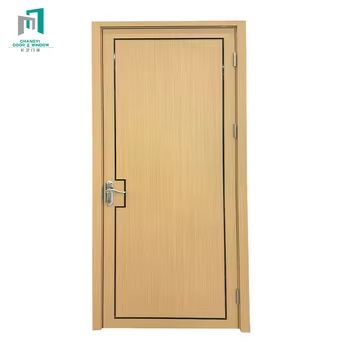
The construction industry faces mounting pressure to adopt sustainable practices without compromising quality or performance. WPC doors have emerged as a transformative solution that addresses this critical challenge by delivering both environmental responsibility and functional excellence. Unlike traditional wooden or PVC alternatives, wpc doors represent a smart investment for builders, architects, and property developers committed to reducing their carbon footprint while maintaining structural integrity and aesthetic appeal.
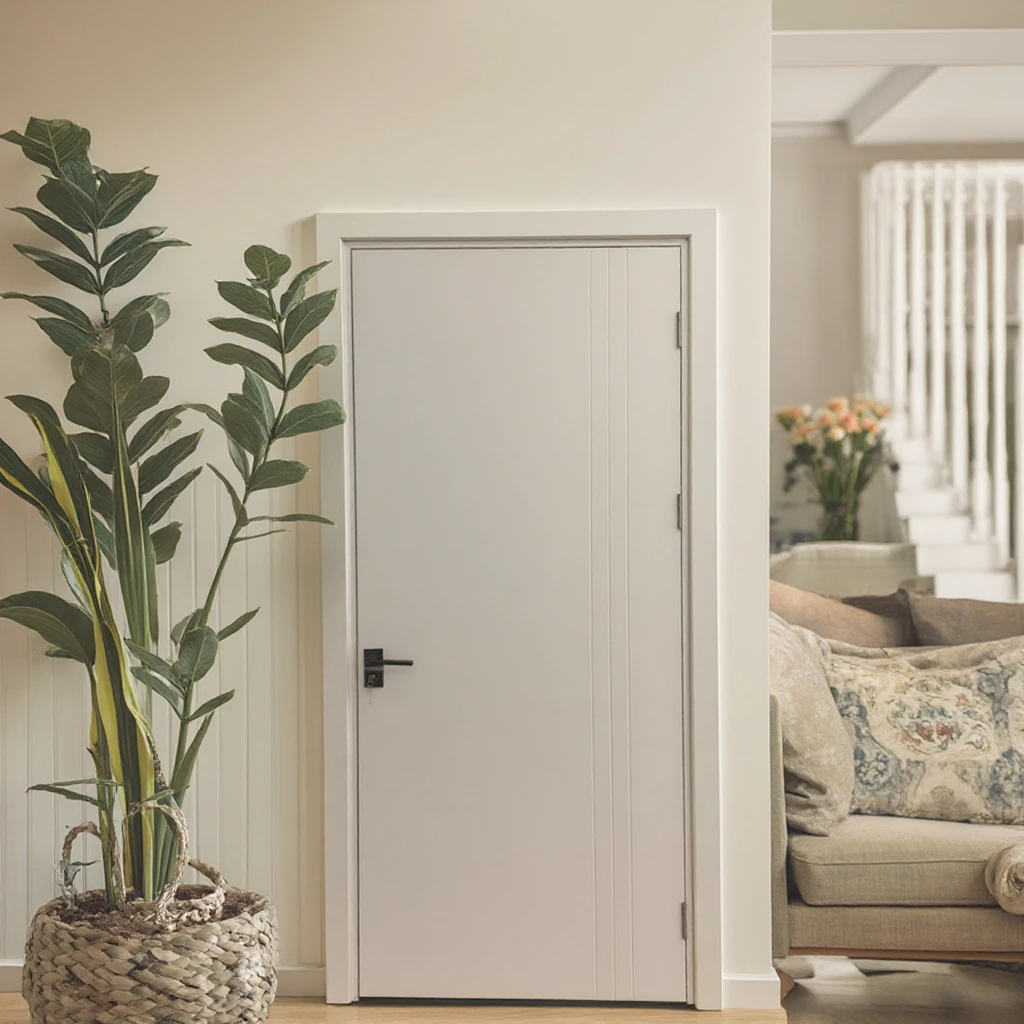
Modern construction demands materials that balance environmental stewardship with practical durability and cost-effectiveness. WPC doors satisfy these requirements by combining wood fiber reinforcement with thermoplastic polymers, creating a composite material that outperforms conventional alternatives in sustainability metrics. This hybrid composition makes wpc doors particularly attractive for eco-conscious projects where long-term performance and minimal environmental impact are paramount considerations for project success.
Environmental Advantages of WPC Doors
Reduced Carbon Footprint and Sustainable Sourcing
WPC doors utilize recycled wood fibers and reclaimed plastic materials, significantly lowering the embodied carbon associated with manufacturing compared to virgin timber harvesting or petroleum-based plastic production. The manufacturing process for wpc doors generates minimal waste, as off-cut materials from other industries are repurposed into the composite structure. This circular economy approach means that wpc doors contribute to waste reduction while eliminating pressure on natural forests, supporting long-term environmental preservation goals that resonate with building certification standards like LEED and BREEAM.
Durability and Extended Lifecycle Benefits
The extended lifespan of wpc doors represents a substantial environmental advantage over traditional materials. Standard wooden doors require frequent refinishing, sealing, and replacement due to rot, termite damage, and weather degradation, creating recurring resource consumption and waste streams. WPC doors resist decay, UV damage, and insect penetration without toxic chemical treatments, meaning a single installation of wpc doors can serve a building for 20 to 30 years with minimal maintenance. This longevity directly translates to fewer replacement cycles, reduced manufacturing demand, and lower total environmental impact across the building lifecycle.
Functional Performance and Construction Advantages
Superior Durability and Weather Resistance
WPC doors deliver outstanding performance in demanding environmental conditions where traditional materials fail. The composite structure of wpc doors prevents swelling, warping, and splitting that commonly affects solid wood doors exposed to moisture fluctuations, UV radiation, and temperature extremes. For coastal properties, humid climates, or areas with intense seasonal changes, wpc doors maintain their dimensional stability and appearance without degradation. The moisture-resistant properties of wpc doors also eliminate the need for protective chemical coatings and finishes that compromise indoor air quality, making them inherently safer for building occupants.
Aesthetic Flexibility and Design Integration
WPC doors offer remarkable design versatility, available in wood-grain finishes, contemporary colors, and custom profiles that satisfy both traditional and modern architectural aesthetics. Unlike plastic alternatives that often appear artificial, wpc doors replicate authentic wood textures while maintaining their environmental credentials and superior performance. Designers and builders can specify wpc doors that complement project vision without compromising sustainability objectives, making wpc doors suitable for diverse applications from residential renovations to commercial facilities and institutional buildings.
Economic and Practical Benefits for Eco-Conscious Projects
Total Cost of Ownership and Maintenance Efficiency
While initial material costs for wpc doors may exceed conventional alternatives, the total cost of ownership demonstrates clear economic advantages over a building's operational lifetime. WPC doors require no annual sealing, staining, or refinishing, eliminating recurring maintenance labor and material expenses associated with traditional wooden doors. Facility managers benefit from reduced service calls, lower chemical treatment costs, and avoided replacement cycles that would otherwise consume budgets. Property owners investing in wpc doors gain predictable operating expenses and enhanced asset value through durability documentation and sustainability certifications that appeal to environmentally conscious buyers and tenants.
Compliance with Green Building Standards
Specifying wpc doors directly supports achievement of green building certifications and sustainability benchmarks increasingly required by regulatory frameworks and institutional standards. LEED projects benefit from material transparency documentation that wpc doors provide through manufacturer environmental product declarations. WPC doors meet volatile organic compound (VOC) emissions standards and contribute to indoor environmental quality credits. Building professionals selecting wpc doors strengthen project compliance profiles while demonstrating commitment to sustainable development practices that resonate with corporate environmental goals and stakeholder expectations.
FAQ
Are wpc doors suitable for all climate conditions?
WPC doors perform exceptionally well in diverse climates, from tropical humidity to freezing winters and arid desert environments. The composite material resists temperature fluctuations, moisture infiltration, and UV exposure that compromise traditional doors. However, extreme coastal salt spray environments may require occasional rinsing, and installation in very high-traffic commercial applications should consider reinforced hardware specifications for wpc doors.
How do wpc doors compare to solid wood doors in terms of aesthetics?
Modern wpc doors rival solid wood doors in visual appeal, featuring authentic wood-grain textures, stain variations, and natural coloration that satisfy design-conscious projects. Unlike older composite materials, contemporary wpc doors incorporate advanced surface technology that creates indistinguishable finish quality. The advantage of wpc doors is that this authentic appearance persists indefinitely without refinishing, whereas solid wood doors gradually lose visual appeal through weathering and require periodic restoration.
What maintenance do wpc doors actually require?
Maintenance for wpc doors is minimal compared to traditional alternatives, typically limited to occasional cleaning with mild soap and water to remove surface dust and debris. Unlike wooden doors requiring annual sealing or PVC doors needing specialized cleaners, wpc doors resist staining and discoloration naturally. Routine hardware maintenance and weather stripping inspection apply to wpc doors as with any exterior door system, but the composite material itself demands no chemical treatments, refinishing, or protective coatings throughout its operational lifespan.