 EN
EN

Choosing the right door material and design is a critical decision for any construction project, whether commercial or residential. WPC doors have emerged as a versatile solution that bridges the gap between aesthetics, durability, and cost-effectiveness. Unlike traditional wooden doors that require extensive maintenance or aluminum alternatives that can feel cold and industrial, wpc doors offer a balanced approach that appeals to both commercial developers and homeowners seeking long-term value and modern design flexibility.
The growing popularity of wpc doors in diverse project types reflects a fundamental shift in how builders and property managers evaluate door performance. Water-resistant properties, dimensional stability, and low maintenance requirements make wpc doors particularly attractive for spaces exposed to humidity, temperature fluctuations, or frequent cleaning cycles. Understanding which wpc doors designs align with your project's functional needs and aesthetic vision is essential before making a final specification decision.
Understanding WPC Door Design Categories
Commercial-Grade WPC Door Specifications
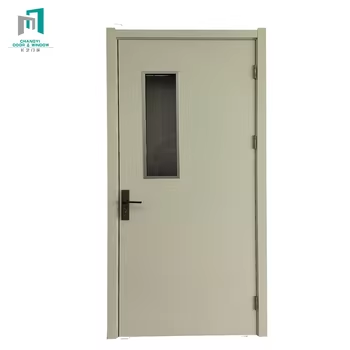
Commercial environments demand durability, security, and aesthetic consistency across multiple entry points. WPC doors designed for commercial applications typically feature reinforced frames, higher impact resistance, and finishes that maintain appearance under constant traffic and exposure. These wpc doors often include integrated locking systems, fire-rated options, and glass panel configurations that support visibility while maintaining security protocols. Hotels, office buildings, retail spaces, and healthcare facilities increasingly specify wpc doors because they withstand daily use cycles that would degrade conventional wood doors within a few years.
Residential-Focused WPC Door Aesthetics
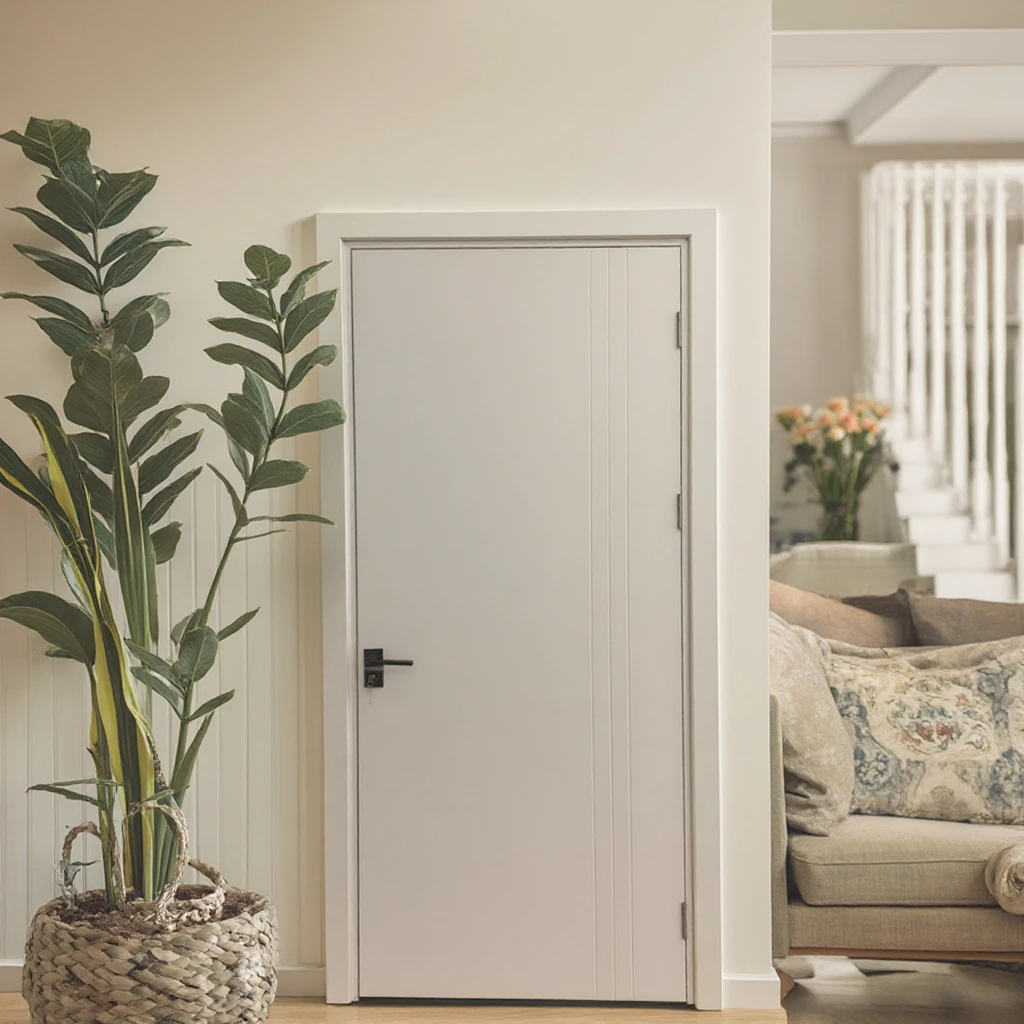
Residential wpc doors prioritize visual warmth, interior design harmony, and customization flexibility. Homeowners expect doors that complement kitchen cabinetry, bedroom aesthetics, and entry foyer design while providing reliable security and weather protection. Modern wpc doors for residential use come in wood-grain finishes, solid color options, and contemporary flat-panel designs that rival solid wood aesthetics without the maintenance burden. The dimensional stability of wpc doors in residential settings eliminates warping, swelling, and seasonal jamming that plague traditional wooden doors in changing climates.
Design Flexibility and Customization Options
Surface Finish Variations for WPC Doors
The material composition of wpc doors enables manufacturers to produce authentic-looking surface textures that deceive even close inspection. Whether your project requires oak-grain detailing, walnut undertones, or modern matte finishes, wpc doors deliver consistent visual appeal across multiple units. Commercial projects benefit from uniform finishes that create professional appearances throughout corridors, while residential wpc doors can feature accent colors or specialty textures that express individual design preferences. The stability of wpc doors ensures these finishes resist fading, scratching, and discoloration from cleaning products, sunlight exposure, or accidental impact during installation and use.
Panel Configuration and Hardware Integration
Panel configurations transform wpc doors from simple functional barriers into design focal points. Recessed panels, raised profiles, and glass-insert combinations allow architects and interior designers to integrate wpc doors with broader design narratives. Commercial applications frequently employ solid wpc doors with glazed upper panels for visual transparency and security monitoring, while residential wpc doors might feature decorative glass patterns or stained glass accents. Hardware mounting compatibility ensures that wpc doors accept standard hinges, locks, and handle styles without requiring specialized installation methods or additional engineering.
Performance Characteristics Across Project Types
Moisture Resistance and Environmental Durability
Environmental factors distinguish successful door specifications from disappointing selections. WPC doors resist water absorption, preventing the swelling and decay that compromises wooden door performance in bathrooms, kitchens, and exterior applications. Commercial facilities in humid regions, food service establishments, and moisture-intensive industrial environments consistently report that wpc doors outperform traditional materials by 5-10 years. Residential properties in coastal areas, high-humidity climates, or homes with active families benefit from wpc doors that maintain structural integrity despite exposure to steam, cleaning water spray, and temperature fluctuations. The composite structure of wpc doors ensures that dimensional changes remain minimal even when moisture levels fluctuate seasonally or daily.
Maintenance Requirements and Lifecycle Costs
Calculating true cost of ownership requires consideration of maintenance burden, not just initial purchase price. Traditional wooden doors demand periodic refinishing, weather-sealing reapplication, and hinge adjustments as the material swells and contracts. WPC doors eliminate these recurring expenses by providing surfaces that clean easily with soap and water, requiring no sanding, staining, or protective coating reapplication. Commercial property managers report annual savings of 40-60% on door maintenance costs when standardizing on wpc doors instead of traditional materials. Residential property owners similarly appreciate that wpc doors never require the annual maintenance rituals associated with wooden entries, interior doors, and closet doors throughout the home.
Application Scenarios and Selection Guidance
Commercial Project Fit Analysis
Office towers, shopping centers, hotels, and apartment complexes benefit from standardized wpc doors specifications that streamline procurement, installation, and maintenance. These commercial environments experience high-traffic stress, frequent cleaning cycles, and aesthetic uniformity demands that wpc doors address efficiently. Security doors, internal office partitions, storage room entries, and emergency exit doors all perform reliably when manufactured from wpc doors material. The fire-rated versions available in premium wpc doors product lines meet building code compliance requirements while maintaining cost-effectiveness. Project budgets benefit from volume pricing on wpc doors when developers specify them across 100+ unit installations, creating procurement advantages that favor this material selection.
Residential Application Scenarios
Single-family homes, townhouses, condominium units, and rental properties discover that wpc doors adapt seamlessly to diverse interior design styles and environmental conditions. Kitchen pantries, bedroom entries, bathroom doors, and front entry installations all perform exceptionally well using wpc doors materials. Homeowners renovating historic properties appreciate that wpc doors can replicate traditional wood aesthetics while providing modern performance standards and low maintenance. Multi-unit residential buildings benefit from standardized wpc doors selections that simplify management, reduce replacement cycles, and lower operating costs. The durability of wpc doors particularly suits properties with children, pets, or active lifestyles where impact resistance and scratch resistance matter significantly.
FAQ
Are WPC doors suitable for exterior applications?
WPC doors perform well in exterior applications due to their moisture-resistant properties and UV-stabilized finishes. However, exterior wpc doors require proper weather-stripping, protective overhangs, and installation practices that shield them from continuous direct rainfall and extreme temperature cycling. Many commercial properties and residential homes successfully use wpc doors for patio entries, screened porches, and covered entryways where weather exposure is partially controlled.
How do WPC doors compare to PVC and traditional wooden doors?
WPC doors combine the aesthetic warmth of wood with the durability of plastic composites, offering advantages over pure PVC doors that can appear overly industrial. Unlike traditional wooden doors requiring refinishing and weather-sealing maintenance, wpc doors provide long-term stability and appearance consistency. PVC alternatives often lack the wood-grain authenticity that architects and homeowners prefer, making wpc doors a superior middle-ground solution for projects demanding both beauty and low maintenance.
What customization options are available for WPC doors?
Manufacturers offer extensive customization for wpc doors, including panel configurations, surface finishes, glass inserts, and hardware options. wpc doors can be specified with recessed or raised panels, decorative glazing patterns, solid or translucent designs, and color selections matching interior design palettes. Commercial projects may require specialized configurations like fire-rated cores or reinforced security features, which premium wpc doors manufacturers readily provide through semi-custom production processes.