 EN

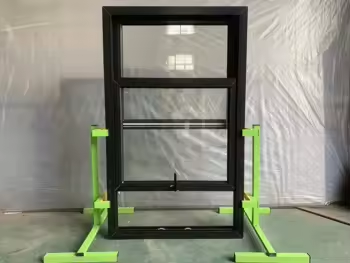
Classic building projects demand architectural integrity, and few window styles deliver authentic character quite like the hung window. Whether restoring a heritage property or constructing new buildings inspired by traditional design, the hung window remains a cornerstone of architectural authenticity. This timeless window design combines historical accuracy with practical performance, making it the natural choice for builders and architects committed to preserving or honoring classic aesthetics.
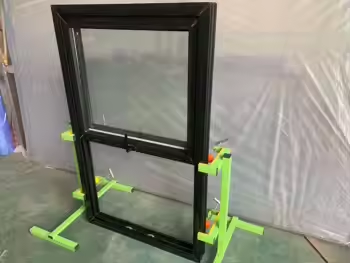
The appeal of the hung window extends beyond visual beauty. Classic buildings constructed with hung windows establish a strong visual connection between interior and exterior spaces while maintaining the proportions and visual balance that define traditional architecture. A hung window operates with vertical sash movement, a mechanism that has proven reliable for centuries. This classic operation, combined with modern manufacturing techniques, allows contemporary hung window installations to honor traditional design while meeting current building codes and energy standards.
Understanding the Hung Window Design Philosophy
Historical Significance and Aesthetic Value
The hung window emerged as a dominant architectural feature during the Georgian and Victorian eras, when symmetrical facades and proportionate fenestration defined quality construction. A hung window's vertical orientation and gridded muntins create visual rhythm that complements classical moldings, cornices, and facade proportions. In classic building projects, selecting a hung window means respecting the original architectural vocabulary that shaped these structures. The muntins—the vertical and horizontal divisions within each sash—allow craftspeople to replicate historical glazing patterns with precision, ensuring that restoration work or new classical construction maintains authentic visual character.
Proportional Integration in Classic Architecture
Classic buildings rely on carefully calculated proportions to achieve visual harmony. A hung window, when selected with attention to scale and detail, contributes directly to this proportional integrity. The ratio of glazing to frame, the depth of the window recess, and the alignment with exterior ornamentation all depend on choosing the correct hung window style. Classic architecture demands that each architectural element, including the hung window, work in concert with surrounding features. This coordination ensures that fenestration appears intentional rather than retrofitted or mismatched, a critical distinction in buildings designed according to classical principles.
Performance and Practical Benefits for Classic Projects
Operational Simplicity and Durability
A hung window operates on a straightforward mechanical principle: counterweighted sashes slide vertically within the frame. This simplicity has made the hung window design durable across centuries, and it continues to serve as an advantage in modern installations. Unlike complex window mechanisms requiring frequent adjustment, a hung window demands minimal maintenance when properly installed. For classic building projects where long-term durability matters, the hung window's proven operational longevity represents genuine value. Restoration specialists and conservation architects consistently recommend the hung window because its mechanics remain unchanged and repairable using readily available components and traditional restoration techniques.
Energy Efficiency and Modern Upgrades
Contemporary hung window manufacturers have integrated modern thermal performance into traditional designs without compromising aesthetic authenticity. Double-glazing, low-emissivity coatings, and insulated frames now come standard in quality hung window products, allowing classic buildings to achieve improved energy efficiency while retaining their original visual character. A hung window updated with modern glass technology provides thermal benefits comparable to contemporary window styles, yet maintains the visual accuracy required by heritage conservation standards. This combination of traditional aesthetics with modern performance makes the hung window an intelligent choice for classic projects facing pressure to improve energy efficiency without altering architectural integrity.
Selection Criteria for Hung Windows in Classic Construction
Material and Finish Authenticity
The material composition of a hung window significantly impacts its suitability for classic projects. Timber remains the traditional material for hung window construction, offering authenticity and visual warmth that complement period architecture. However, modern alternatives including composite materials and vinyl now replicate the appearance of traditional timber while offering improved durability and reduced maintenance requirements. When selecting a hung window for a classic building project, verify that the material choice aligns with the building's original construction and local heritage conservation guidelines. The finish—paint color, hardware style, and protective coatings—equally determines whether a hung window appears as a seamless continuation of the original architecture or as an obvious contemporary addition.
Customization and Detail Attention
No two classic buildings present identical requirements for hung window specifications. Successful installations depend on detailed customization addressing muntin configurations, sash proportions, reveal depths, and hardware selections that match the building's specific architectural language. A hung window ordered for a specific classic project should reflect careful measurement, research into original window designs, and consultation with conservation specialists if the building holds heritage significance. The hardware—including sash locks, pulleys, and exterior hardware—must harmonize with the building's period details. This level of specification ensures that the hung window installation appears as an integral part of the building's architecture rather than a generic retrofit.
FAQ
Can a hung window be installed in a modern classic-inspired building?
Absolutely. A hung window works equally well in historically accurate restorations and in new construction designed in classical style. The hung window's aesthetic principles and operational characteristics remain relevant regardless of the building's actual age. Architects and builders designing new classical buildings frequently specify hung windows because they establish visual authenticity and respect traditional proportional systems. The key consideration involves ensuring that the hung window's scale, material, and finish coordinate with the overall classical design vocabulary of the building.
What maintenance requirements apply to a hung window installation?
A hung window requires minimal maintenance compared to many contemporary window styles. Regular cleaning of glass and frames, annual inspection of weatherstripping, and periodic lubrication of sash tracks keep a hung window functioning smoothly. If the hung window uses timber frames, inspection for paint condition and wood integrity becomes important, though this maintenance demand remains manageable compared to complex mechanical window systems. Modern hung window installations with composite or vinyl frames reduce maintenance requirements further, needing only regular cleaning and hardware checks.
How does a hung window compare to casement windows for classic projects?
Both the hung window and casement window serve classic architecture, but they suit different historical periods and regional traditions. The hung window dominates American and British Georgian, Victorian, and early twentieth-century architecture, while casement windows appear more frequently in European classical traditions. For projects seeking to authentically represent American classical architecture, the hung window remains the most historically appropriate choice. Casement windows excel in Mediterranean or Northern European classical contexts. The selection between a hung window and casement window should align with the building's specific architectural heritage and geographical tradition.