 EN
EN

Installing new UPVC windows represents a significant home improvement investment that can transform your property's appearance, energy efficiency, and overall comfort. Understanding what to expect during the installation process helps homeowners prepare adequately and ensures a smooth transition from old windows to modern, energy-efficient alternatives. The installation journey involves careful planning, professional expertise, and attention to detail that ultimately delivers long-lasting benefits for your home.
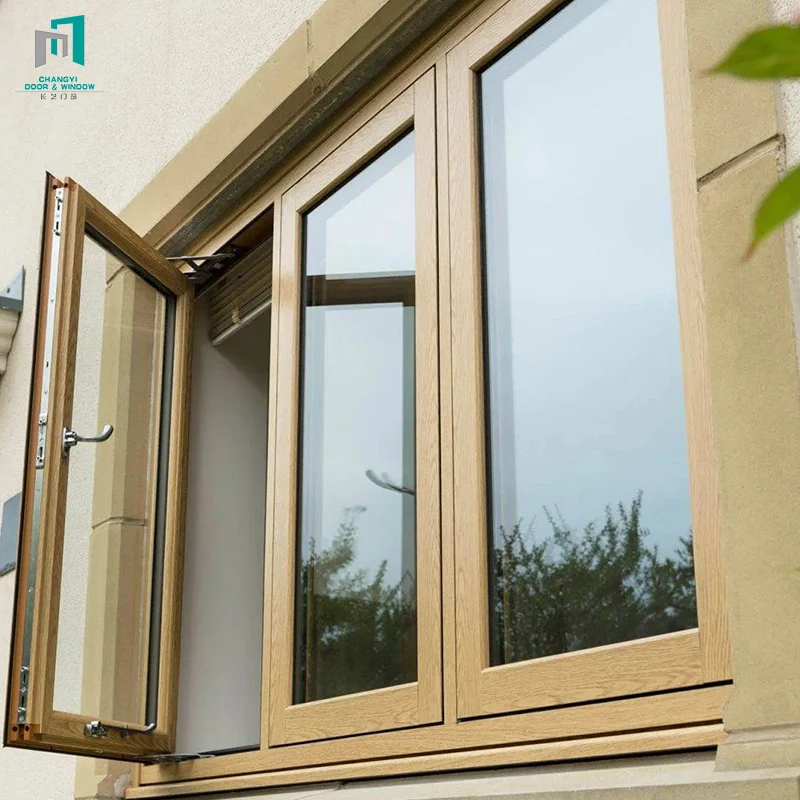
Modern homeowners increasingly choose UPVC windows for their superior insulation properties, low maintenance requirements, and exceptional durability. These windows offer excellent thermal performance while maintaining aesthetic appeal across various architectural styles. The installation process requires skilled professionals who understand the specific requirements of UPVC window systems and can ensure proper fitting, sealing, and finishing for optimal performance.
Pre-Installation Planning and Preparation
Initial Assessment and Measurements
Professional installation begins with comprehensive site assessment and precise measurements of existing window openings. Experienced installers examine the structural condition of window frames, surrounding walls, and potential obstacles that might affect the installation process. Accurate measurements ensure that new UPVC windows fit perfectly within existing openings while maintaining proper alignment and functionality.
The assessment phase also involves evaluating the building's architectural features, existing drainage systems, and ventilation requirements. This thorough evaluation helps installers identify potential challenges and develop appropriate solutions before commencing the actual installation work. Property owners should expect detailed discussions about window specifications, performance requirements, and aesthetic preferences during this phase.
Scheduling and Timeline Considerations
Installation scheduling depends on various factors including window quantity, complexity of the project, and weather conditions. Most residential UPVC windows installations can be completed within one to three days, depending on the scope of work involved. Professional installers typically provide realistic timelines and communicate any potential delays that might arise during the installation process.
Homeowners should prepare for temporary disruption to daily routines, particularly in rooms where windows are being replaced. Planning alternative arrangements for privacy, security, and climate control during installation helps minimize inconvenience while ensuring the project proceeds smoothly.
Installation Day Procedures and Expectations
Site Preparation and Protection
Professional installers begin by protecting surrounding areas with appropriate covering materials to prevent damage to furniture, flooring, and decorative elements. This preparation includes removing existing windows carefully while preserving the integrity of surrounding structures. Proper site preparation demonstrates professional standards and helps maintain cleanliness throughout the installation process.
The removal of old windows requires careful attention to avoid damaging wall structures, electrical systems, or plumbing that might be located near window openings. Experienced installers use specialized tools and techniques to minimize disruption while ensuring safe and efficient removal of existing window systems.
Fitting and Sealing Procedures
Installing new UPVC windows involves precise positioning, leveling, and securing within prepared openings. Professional installers use appropriate fixing methods and materials to ensure structural stability and long-term performance. The fitting process requires attention to expansion gaps, thermal movement allowances, and proper drainage arrangements.
Sealing procedures are crucial for achieving optimal thermal and weather performance from UPVC windows. High-quality sealants and weatherstripping materials create effective barriers against air infiltration, water penetration, and heat loss. Proper sealing techniques ensure that windows perform according to their specified energy efficiency ratings.
Quality Control and Performance Testing
Functional Testing Procedures
After installation, professional installers conduct comprehensive testing to verify that UPVC windows operate correctly and meet performance specifications. This testing includes checking opening and closing mechanisms, lock functionality, weather sealing effectiveness, and overall structural integrity. Proper testing ensures that windows will provide reliable performance throughout their service life.
Performance testing also involves verifying that drainage systems function correctly and that thermal performance meets expected standards. Professional installers use specialized equipment to test air leakage rates, thermal conductivity, and structural stability under various operating conditions.
Finishing and Aesthetic Details
The final installation phase focuses on completing aesthetic details and ensuring seamless integration with existing architectural elements. This work includes installing trim pieces, adjusting hardware components, and addressing any cosmetic issues that might affect the overall appearance of newly installed UPVC windows.
Professional installers pay attention to details such as color matching, hardware alignment, and surface finishing to ensure that new windows complement the property's existing design elements. Quality finishing work reflects professional standards and contributes to long-term satisfaction with the installation results.
Post-Installation Care and Maintenance
Initial Operation and Adjustment
New UPVC windows may require minor adjustments during the first few weeks following installation as materials settle and components adapt to operating conditions. Professional installers typically provide guidance on proper operation techniques and maintenance procedures to ensure optimal performance and longevity.
Understanding proper operating procedures helps homeowners avoid potential issues and ensures that UPVC windows continue to function smoothly throughout their service life. This includes learning about lock mechanisms, ventilation options, and cleaning procedures that maintain both function and appearance.
Long-term Performance Expectations
Well-installed UPVC windows typically provide decades of reliable service with minimal maintenance requirements. These windows offer excellent resistance to weathering, corrosion, and structural deterioration while maintaining their thermal and aesthetic properties over time. Regular cleaning and occasional lubrication of moving parts ensure continued optimal performance.
Professional installation includes warranty coverage that protects homeowners against manufacturing defects and installation-related issues. Understanding warranty terms and maintenance requirements helps maximize the value and performance of new UPVC windows while ensuring long-term satisfaction with the investment.
Cost Considerations and Value Benefits
Investment Analysis and Returns
Installing new UPVC windows represents a significant investment that delivers multiple benefits including improved energy efficiency, enhanced comfort, and increased property value. These windows typically provide excellent return on investment through reduced heating and cooling costs, lower maintenance expenses, and improved indoor comfort levels.
Energy-efficient UPVC windows can significantly reduce utility bills while improving indoor temperature control and reducing drafts. The thermal performance benefits become particularly noticeable during extreme weather conditions when properly installed windows maintain comfortable indoor environments with reduced HVAC system workload.
Financing and Budget Planning
Many homeowners choose to finance UPVC windows installation projects through various financing options including home improvement loans, manufacturer financing programs, or energy efficiency rebates. Understanding available financing options helps make quality window replacement more accessible while spreading costs over manageable payment periods.
Budget planning should consider not only the initial installation costs but also long-term benefits including energy savings, reduced maintenance expenses, and potential increases in property value. Professional installers can provide detailed cost estimates that help homeowners make informed decisions about their window replacement projects.
Troubleshooting and Support Services
Common Installation Challenges
While professional installation minimizes potential issues, some challenges may arise during UPVC windows installation including structural complications, weather delays, or compatibility issues with existing building systems. Experienced installers have the expertise and resources to address these challenges effectively while maintaining installation quality and timelines.
Understanding potential challenges helps homeowners prepare for installation projects and maintain realistic expectations about the process. Professional installers communicate proactively about any issues that arise and work to resolve them quickly while maintaining quality standards.
Ongoing Support and Service
Reputable UPVC windows installers provide ongoing support services including warranty coverage, maintenance guidance, and repair services when needed. This ongoing relationship ensures that homeowners can maximize the performance and longevity of their window investment while addressing any issues that might arise over time.
Professional support services include periodic maintenance checks, hardware adjustments, and replacement of wear items as needed. These services help ensure that UPVC windows continue to perform optimally throughout their expected service life while maintaining warranty coverage and manufacturer support.
FAQ
How long does UPVC windows installation typically take
Most residential UPVC windows installations are completed within one to three days, depending on the number of windows and project complexity. Single window replacements often take just a few hours, while whole-house projects may require several days. Weather conditions and structural complications can affect timing, but professional installers provide realistic schedules and communicate any delays promptly.
What preparation is needed before UPVC windows installation
Homeowners should clear areas around windows, remove window treatments, and protect furniture and belongings near installation zones. Professional installers handle most preparation work including protecting floors and surfaces, but homeowners can help by ensuring clear access to all window areas and making arrangements for temporary privacy and security during installation.
Do UPVC windows require special maintenance after installation
UPVC windows require minimal maintenance compared to traditional window materials. Regular cleaning with mild soap and water, occasional lubrication of moving parts, and periodic inspection of seals and hardware are typically sufficient. Professional installers provide specific maintenance guidance and most manufacturers offer detailed care instructions to ensure optimal performance and longevity.
What warranty coverage comes with professionally installed UPVC windows
Quality UPVC windows typically include manufacturer warranties covering materials and components for periods ranging from 10 to 25 years or more. Professional installation often includes separate workmanship warranties covering installation-related issues. Understanding warranty terms, maintenance requirements, and claim procedures helps homeowners protect their investment and ensure continued support throughout the window's service life.