 EN
EN

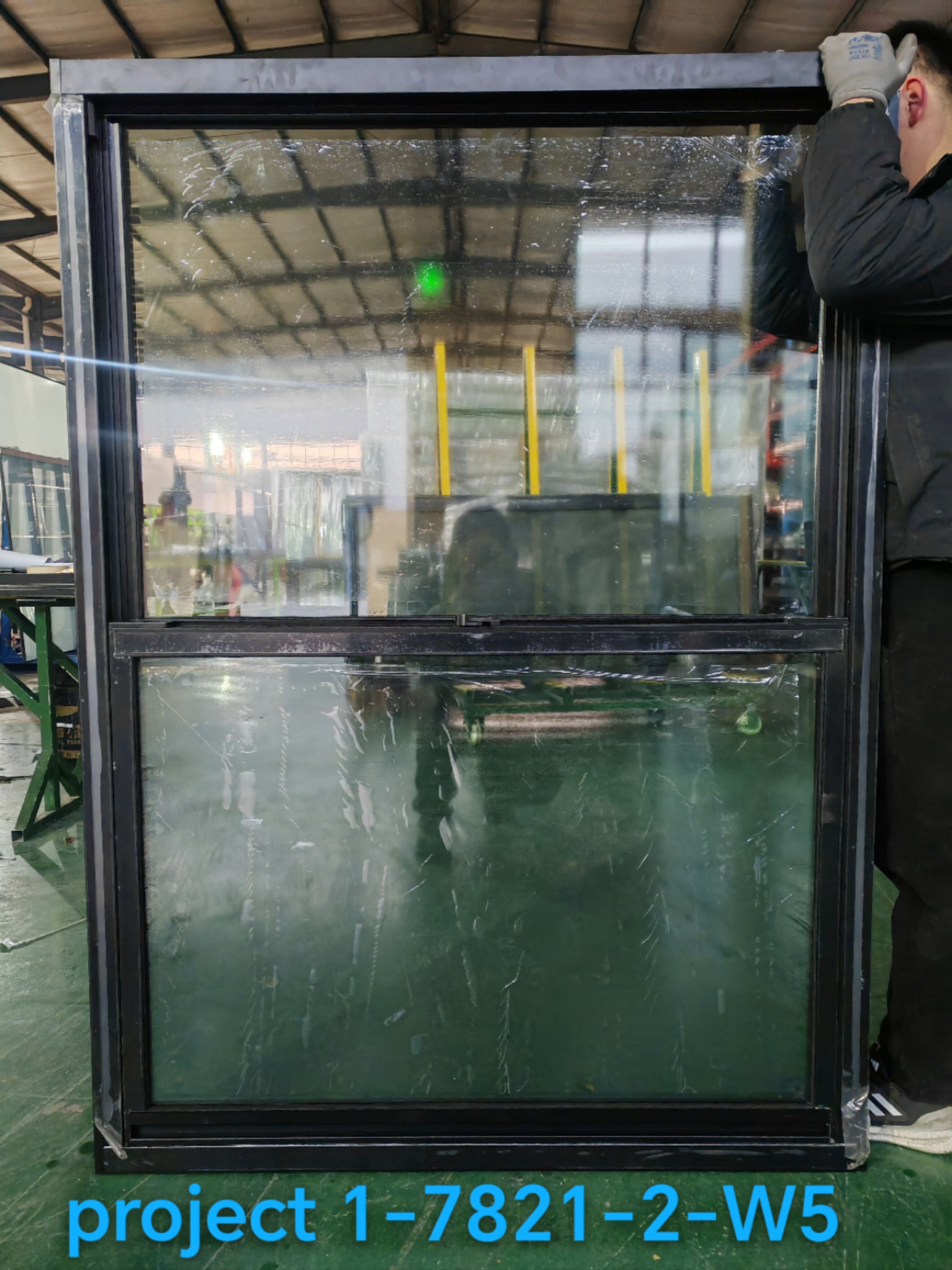
When homeowners seek to enhance their property's aesthetic appeal and create distinctive architectural features, the round UPVC window emerges as an exceptional choice that combines traditional charm with modern functionality. These circular windows offer a unique departure from conventional rectangular designs, introducing visual interest while maintaining the superior performance characteristics that UPVC materials provide. The distinctive shape of a round UPVC window creates focal points that transform ordinary walls into captivating design elements, making them increasingly popular among architects and homeowners who value both form and function.
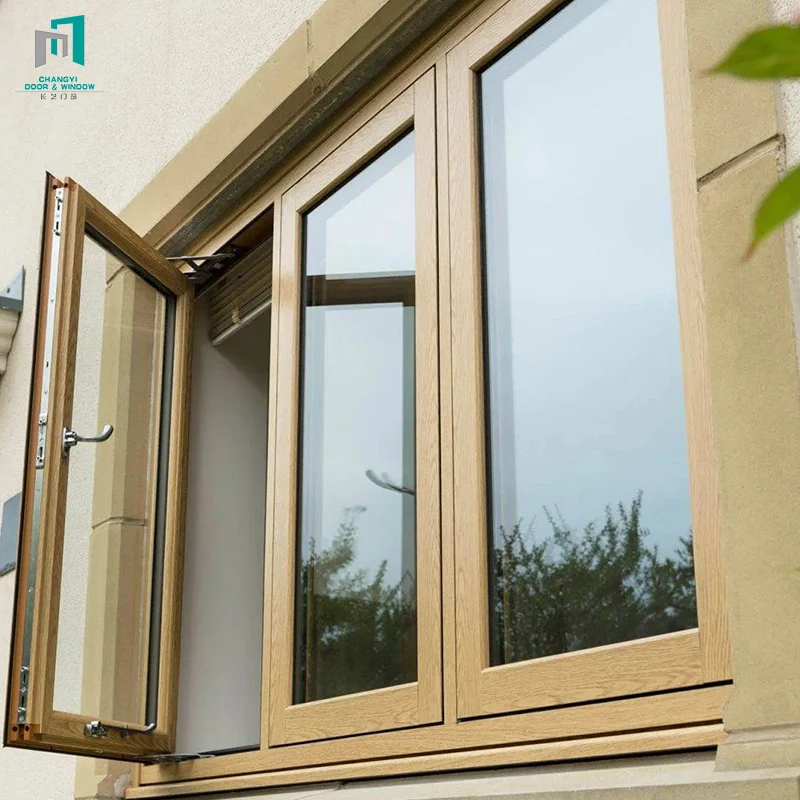
Architectural Benefits of Round UPVC Windows
Creating Visual Focal Points
The circular geometry of a round UPVC window naturally draws attention and creates compelling visual anchors in residential facades. Unlike standard rectangular windows that blend into conventional patterns, these distinctive openings command attention through their geometric contrast. The curved lines soften harsh architectural angles while adding sophisticated elegance to both contemporary and traditional building styles. This unique shape allows homeowners to establish memorable exterior features that distinguish their properties from neighboring structures.
Interior spaces also benefit dramatically from the installation of round UPVC windows, as the circular openings frame outdoor views in unexpected ways. The curved perimeter creates natural vignettes of landscape elements, transforming ordinary garden views into artistic compositions. Sunlight filtering through these circular apertures produces dynamic shadow patterns throughout the day, adding movement and visual interest to interior walls and furnishings.
Enhancing Period Property Aesthetics
Historic homes and period properties gain authentic character restoration through carefully positioned round UPVC windows that echo traditional architectural elements. Victorian and Edwardian properties originally featured circular windows in gables, stair landings, and decorative locations where these shapes complemented ornate design schemes. Modern UPVC materials allow homeowners to recreate these historical features while enjoying contemporary performance benefits including improved insulation and weather resistance.
The versatility of round window installations extends to various architectural periods, from Georgian townhouses requiring elegant circular features to Arts and Crafts homes benefiting from organic curved elements. Each style period embraces the round UPVC window differently, allowing property owners to maintain historical authenticity while upgrading to modern energy-efficient fenestration systems.
Technical Performance and Installation Considerations
Structural Engineering Requirements
Installing round UPVC windows requires specialized attention to structural considerations that differ significantly from rectangular window installations. The circular opening demands precise measurement and cutting techniques to ensure proper fit and weatherproofing. Professional installers must account for load distribution around curved openings, often requiring additional structural support elements to maintain wall integrity. The unique geometry also necessitates custom flashing and sealing solutions to prevent water infiltration.
Modern manufacturing techniques enable the production of round UPVC windows with excellent structural performance, utilizing advanced welding methods to create seamless circular frames. These windows maintain the same energy efficiency ratings as their rectangular counterparts while meeting stringent building codes for thermal performance and weather resistance. The UPVC material provides excellent dimensional stability, preventing warping or distortion that could compromise the circular seal integrity over time.
Glazing Options and Performance
Contemporary round UPVC windows accommodate various glazing configurations including double and triple glazing systems that maximize energy efficiency. The circular geometry requires specialized glass cutting and installation techniques, but modern fabrication methods ensure perfect fit and optimal thermal performance. Low-emissivity coatings and inert gas fills function effectively within circular glazing units, providing the same energy-saving benefits found in conventional window shapes.
Safety considerations for round UPVC windows include tempered or laminated glass options that meet building safety requirements while maintaining the aesthetic integrity of the circular design. The curved glazing surface can be treated with various coatings for solar control, privacy, or decorative effects, allowing customization to match specific architectural requirements and homeowner preferences.
Design Applications and Placement Strategies
Optimal Location Selection
Strategic placement of round UPVC windows maximizes their architectural impact while serving practical lighting and ventilation needs. Stairwell locations provide ideal opportunities for circular window installation, creating dramatic natural lighting effects while occupying wall spaces that cannot accommodate furniture or artwork. The round UPVC window transforms these transitional spaces into memorable architectural features that enhance the overall home experience.
Gable end walls offer another excellent location for round window installation, where the circular shape complements triangular roof lines and creates balanced geometric compositions. These elevated positions provide privacy while allowing abundant natural light to enter upper floor spaces. Bathrooms and powder rooms benefit particularly from round UPVC windows that offer privacy through frosted glazing while maintaining the distinctive circular aesthetic.
Size Variations and Proportional Considerations
Round UPVC windows are available in multiple diameter options, allowing architects and homeowners to select proportions that complement existing architectural elements. Smaller circular windows work effectively as accent features alongside larger rectangular openings, while substantial diameter windows can serve as primary light sources for specific rooms. The key lies in maintaining proportional harmony between the round windows and other architectural features including doors, rectangular windows, and building scale.
Multiple round UPVC windows can be grouped to create compelling compositions, such as three circles arranged in triangular patterns or linear sequences that establish rhythm across building facades. These groupings require careful spacing and alignment to achieve professional results that enhance rather than overwhelm the architectural design. Professional design consultation ensures optimal sizing and placement for maximum visual impact.
Maintenance and Longevity Benefits
UPVC Material Advantages
The UPVC material composition provides exceptional durability and low maintenance requirements that make round windows practical long-term investments. Unlike timber circular windows that require regular painting and weather protection, UPVC versions maintain their appearance and performance for decades with minimal intervention. The material resists moisture absorption, preventing rot, warping, or dimensional changes that could compromise the precision-fitted circular seals.
Color retention represents another significant advantage of UPVC round windows, as the material incorporates pigments throughout its structure rather than relying on surface coatings. This ensures that the window frames maintain their original appearance without fading, chalking, or requiring repainting. The smooth UPVC surface also resists dirt accumulation and cleans easily with standard household cleaning products.
Operational Mechanisms and Hardware
Modern round UPVC windows incorporate sophisticated operating mechanisms designed specifically for circular geometry. Fixed installations provide the simplest option for decorative applications, while opening versions utilize specialized hinges and locks engineered to function smoothly within the curved frame structure. Top-hung and side-hung operating styles accommodate different ventilation requirements while maintaining the integrity of the circular design.
Hardware selection for round UPVC windows includes corrosion-resistant materials and finishes that complement the window aesthetic while providing reliable long-term operation. Multi-point locking systems ensure security without compromising the circular visual appeal, utilizing strategically positioned lock points around the frame perimeter. Professional installation ensures proper hardware alignment and smooth operation throughout the window's service life.
FAQ
What sizes are available for round UPVC windows
Round UPVC windows are typically available in diameters ranging from 18 inches to 60 inches, with some manufacturers offering custom sizes up to 72 inches for special applications. Standard sizes include 24-inch, 30-inch, 36-inch, and 48-inch diameters, which accommodate most residential installation requirements. Custom sizing is possible for unique architectural applications, though it may require longer lead times and higher costs compared to standard dimensions.
Can round UPVC windows be opened for ventilation
Yes, round UPVC windows can be manufactured with various opening configurations including top-hung, side-hung, and pivot mechanisms. The choice of operating style depends on the installation location, ventilation requirements, and accessibility needs. Fixed versions are also available for purely decorative applications or locations where ventilation is not required, such as interior partition walls or accent installations.
How do round UPVC windows compare in energy efficiency to rectangular windows
Round UPVC windows offer comparable energy efficiency to rectangular windows when manufactured with similar glazing specifications and frame construction. The circular geometry actually reduces the frame perimeter relative to the glazed area compared to rectangular windows of equivalent size, potentially improving the overall thermal performance. Modern round UPVC windows achieve excellent U-values and air tightness ratings that meet or exceed building energy codes.
What installation challenges are unique to round UPVC windows
Installing round UPVC windows requires specialized cutting techniques to create precise circular openings in walls, which demands professional expertise and appropriate tools. Flashing and weatherproofing around curved openings require custom solutions to ensure water-tight installation. Structural considerations may necessitate additional support around the circular opening, particularly in load-bearing walls. Professional installation is strongly recommended to ensure proper fit, performance, and warranty compliance.