 EN
EN


Modern factory operations depend on infrastructure that supports productivity, safety, and operational efficiency. One critical component often overlooked in facility planning is the industrial door system. An industrial door serves as far more than a simple barrier; it functions as a vital operational element that directly impacts workflow, energy management, and workplace safety across manufacturing environments. Understanding the tangible benefits of industrial doors helps factory managers make informed decisions about facility upgrades and long-term operational strategy.
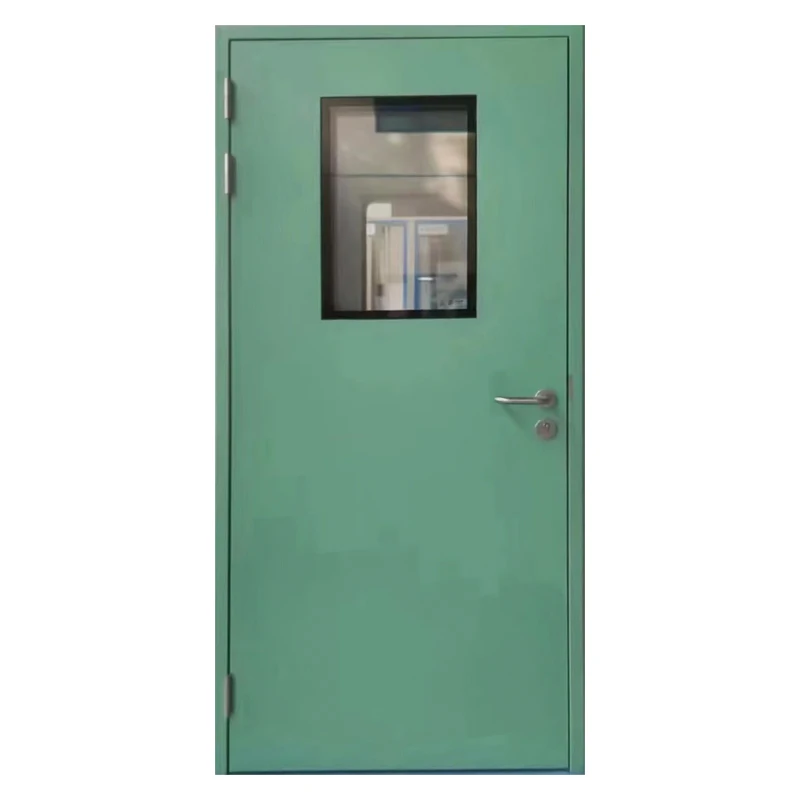
The choice of an industrial door system influences daily operations in measurable ways. A properly selected industrial door enhances throughput, reduces energy costs, and strengthens security protocols. Factory leaders recognize that investing in quality industrial doors translates into long-term cost savings, improved workforce conditions, and competitive manufacturing advantage. This article explores the core benefits that make industrial doors essential infrastructure for contemporary factory operations.
Enhanced Operational Efficiency and Throughput
Streamlined Material Flow and Access Control
An industrial door optimized for high-traffic environments enables faster material movement between production zones, storage areas, and shipping facilities. When an industrial door operates with quick-response mechanisms, operators spend less time waiting for access points to open and close, directly reducing production bottlenecks. Heavy-duty industrial door systems designed for rapid cycling support larger equipment passage, fork-lift traffic, and automated material handling systems without operational delays. The speed and reliability of an industrial door directly correlate with manufacturing throughput and cycle time reduction.
Seamless Integration with Production Workflows
Factory layouts often feature multiple production zones requiring controlled access points. An industrial door system with predictable performance ensures that workflow transitions remain smooth and uninterrupted. When an industrial door malfunctions or operates slowly, production teams experience cascading delays across dependent operations. Facilities with properly maintained industrial door systems report measurably shorter lead times and higher equipment utilization rates. The industrial door becomes an enabler of lean manufacturing principles by eliminating avoidable wait times and supporting just-in-time material delivery.
Superior Safety and Environmental Protection
Occupational Safety and Risk Mitigation
Worker safety represents a fundamental operational priority in factory environments. An industrial door equipped with modern safety features protects personnel from crush points, unexpected door movement, and unauthorized area access. Heavy-duty industrial door systems include pressure sensors, emergency stop functionality, and fail-safe mechanisms that prevent accidents during normal operation and emergency scenarios. Facilities using certified industrial doors demonstrate improved safety records and reduced workers' compensation claims. The industrial door functions as a safety barrier that segregates hazardous zones from public traffic areas, protecting both employees and assets.
Environmental Control and Contamination Prevention
Controlled environment facilities including cleanrooms, pharmaceutical production areas, and food processing zones depend on sealed industrial door systems to maintain environmental integrity. An industrial door designed with proper gasket technology and frame construction minimizes air infiltration and prevents cross-contamination between zones. Specialized industrial door configurations support temperature and humidity requirements in climate-sensitive manufacturing processes. The industrial door becomes a critical control point in environmental management systems, ensuring that facility conditions meet regulatory standards and product quality specifications.
Cost Efficiency and Long-Term Economic Benefits
Energy Conservation and Thermal Performance
Factory buildings generate substantial heating and cooling costs, particularly in climates with extreme temperature variations. An industrial door with proper insulation properties significantly reduces air exchange when closed, lowering the energy burden on HVAC systems. High-performance industrial door systems with weather sealing prevent thermal loss through access points, reducing monthly utility expenditures by measurable percentages. Over a facility's operational lifetime, energy savings from efficient industrial door installation justify initial capital investment. The industrial door contributes directly to sustainability objectives while delivering tangible cost reduction for operations budgets.
Durability and Reduced Maintenance Expense
Industrial door solutions engineered for demanding manufacturing environments withstand repeated cycling, mechanical stress, and exposure to harsh substances. Quality industrial door materials including reinforced steel frames and weather-resistant components extend service life compared to standard commercial doors. Facilities investing in premium industrial door systems experience fewer emergency repairs, reduced downtime associated with door failure, and lower replacement frequency. Predictable industrial door performance enables facilities to schedule maintenance during planned shutdowns rather than responding to unexpected failures. The industrial door represents a long-term asset that accumulates value through reliability and decreased lifecycle costs.
Regulatory Compliance and Industry Standards
Meeting Safety and Building Code Requirements
Manufacturing facilities operate within regulatory frameworks requiring specific safety infrastructure and building compliance. An industrial door meeting current building codes, fire ratings, and safety certifications protects facilities from compliance violations and potential penalties. Regulatory agencies require documented industrial door systems in hazardous manufacturing zones, cleanroom facilities, and areas with restricted access protocols. Selecting an industrial door that exceeds minimum code requirements provides safety margins and future-proofs operations against evolving regulatory standards. Facilities maintaining compliant industrial door systems avoid operational shutdowns resulting from inspection failures and maintain insurance coverage without exclusions related to facility safety.
Supporting Industry-Specific Operational Requirements
Different manufacturing sectors maintain specialized requirements for access points and environmental control. Pharmaceutical facilities, automotive plants, and food processing centers each require industrial door specifications tailored to their unique operational challenges. An industrial door selected for specific industry applications incorporates features addressing sector-specific contamination risks, regulatory frameworks, and operational intensity. Industry-appropriate industrial door systems ensure that facilities maintain competitive positioning within specialized manufacturing sectors. The industrial door becomes a sector-aligned solution rather than a generic building component.
FAQ
How does an industrial door improve factory safety compared to standard commercial doors?
An industrial door incorporates specialized safety features including redundant closure mechanisms, emergency stop functionality, pressure sensors, and fail-safe systems designed for high-traffic manufacturing environments. Standard commercial doors lack these safety components and are not engineered to withstand the mechanical stress and repeated cycling demands of factory operations. An industrial door also enables zoned access control, preventing unauthorized personnel from entering hazardous areas. The industrial door actively protects workers by eliminating crush points and providing predictable emergency operation.
What energy savings can factories expect from upgrading to high-performance industrial doors?
Energy savings from industrial door upgrades vary based on facility size, climate conditions, and existing HVAC systems, typically ranging from eight to fifteen percent of annual heating and cooling costs. An industrial door with superior insulation properties and tight gasket sealing significantly reduces air infiltration during closed periods. High-traffic facilities benefit most from industrial door upgrades because frequent door cycling in uninsulated systems represents substantial cumulative energy loss. Calculating return on investment for an industrial door upgrade typically demonstrates payback periods between three and seven years, after which energy savings accumulate as pure operational benefit.
Which manufacturing sectors benefit most from investing in specialized industrial door systems?
Pharmaceutical, biotechnology, food processing, automotive, and electronics manufacturing sectors derive substantial operational benefits from specialized industrial door investment. These sectors operate under strict environmental control requirements and regulatory compliance frameworks where an industrial door functions as critical infrastructure. Cleanroom manufacturing, sterile processing, and temperature-sensitive production environments depend on high-performance industrial door systems to maintain facility conditions. General manufacturing facilities with high-volume material movement, significant thermal loads, or hazardous zone separation also benefit substantially from dedicated industrial door solutions.