 EN
EN


Modern home construction increasingly favors smaller window installations to maximize energy efficiency and reduce heating costs. However, this trend creates unique challenges when it comes to maintaining adequate airflow and indoor air quality. Understanding ventilation options for small UPVC windows becomes crucial for homeowners seeking to balance energy conservation with healthy living environments. UPVC windows offer excellent insulation properties, but their airtight seals can restrict natural air circulation, making proper ventilation planning essential for optimal comfort and health.
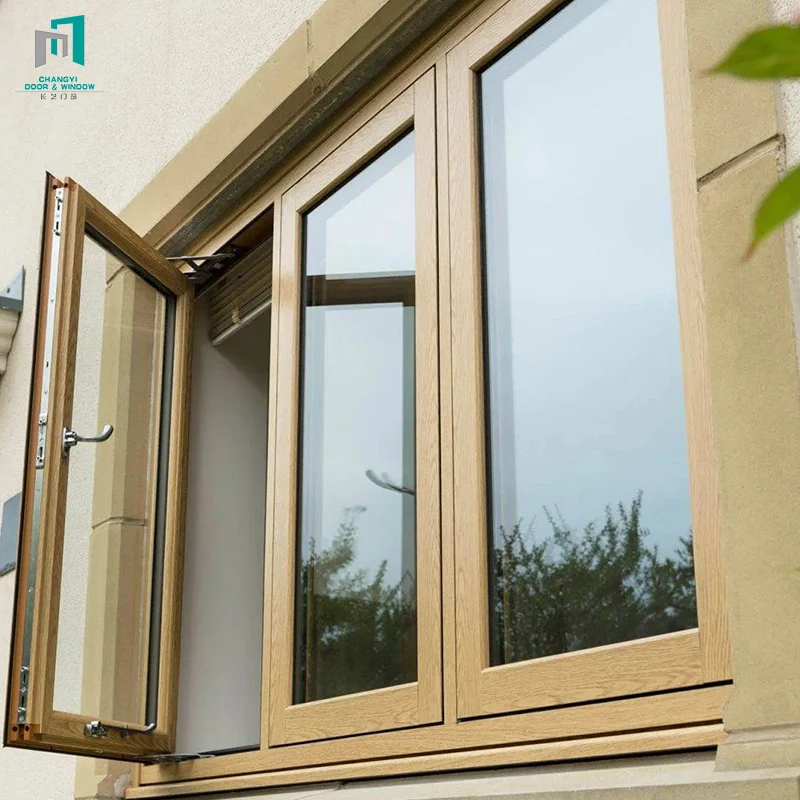
The selection of appropriate ventilation solutions depends on multiple factors including room size, occupancy levels, local climate conditions, and specific air quality requirements. Small UPVC windows present unique opportunities for innovative ventilation approaches that can maintain the thermal performance benefits while ensuring adequate fresh air exchange. Professional architects and building contractors increasingly recommend integrated ventilation strategies that work harmoniously with compact window designs to achieve optimal indoor environmental conditions.
Built-in Ventilation Systems for Compact Window Designs
Trickle Vent Integration
Trickle vents represent one of the most popular ventilation options for small UPVC windows, offering continuous background ventilation without compromising security or thermal efficiency. These slim ventilation units integrate directly into the window frame, typically positioned at the top of the sash or within the frame itself. The design allows for controlled airflow while maintaining the window's closed and locked position, providing peace of mind for homeowners concerned about security.
Installation of trickle vents during the manufacturing process ensures seamless integration with the window's overall aesthetic and structural integrity. Modern trickle vent designs feature adjustable airflow controls, allowing occupants to regulate ventilation levels based on seasonal requirements and personal preferences. The ventilation capacity can be fine-tuned to match specific room requirements while maintaining optimal energy efficiency throughout the year.
Advanced trickle vent systems incorporate acoustic dampening features to minimize external noise intrusion while maintaining effective air circulation. This dual functionality proves particularly valuable in urban environments where traffic noise and air quality concerns require balanced solutions. The combination of sound reduction and controlled ventilation makes these systems ideal for bedroom applications and noise-sensitive living spaces.
Integrated Ventilation Panels
Specialized ventilation panels designed specifically for small UPVC windows offer enhanced airflow capacity compared to standard trickle vents. These panels can be integrated into the window frame design or positioned as separate units within the overall window assembly. The larger ventilation area provides improved air exchange rates while maintaining the compact footprint required for smaller window installations.
Contemporary ventilation panel designs incorporate advanced filtration systems to improve incoming air quality while maintaining efficient airflow patterns. These filters can capture dust, pollen, and other airborne particles, making the ventilation options for small UPVC windows particularly beneficial for individuals with allergies or respiratory sensitivities. Regular filter maintenance ensures continued performance and optimal indoor air quality throughout the system's operational life.
Smart control systems can be integrated with ventilation panels to provide automated airflow management based on indoor air quality measurements, humidity levels, and occupancy patterns. These intelligent systems optimize ventilation timing and intensity to maintain comfortable indoor conditions while minimizing energy consumption. Remote control capabilities allow for convenient adjustment of ventilation settings without requiring physical access to the window hardware.
Mechanical Ventilation Solutions for Enhanced Airflow
Extract Fan Integration
Mechanical extract fans specifically designed for small window installations provide powerful ventilation capabilities while maintaining the compact profile required for smaller UPVC windows. These units can be integrated into the window frame or positioned as complementary ventilation systems that work alongside the primary window assembly. The mechanical operation ensures consistent airflow regardless of external weather conditions or natural pressure differentials.
Variable speed extract fans offer precise control over ventilation rates, allowing users to adjust airflow intensity based on current requirements and environmental conditions. Energy-efficient motor designs minimize electrical consumption while delivering reliable performance throughout extended operational periods. Timer controls and humidity sensors can automate fan operation to optimize ventilation timing and reduce unnecessary energy usage.
Sound-dampened extract fan designs address noise concerns associated with mechanical ventilation systems, ensuring comfortable operation during nighttime hours and quiet periods. Advanced blade designs and motor mounting systems minimize vibration transmission to the building structure while maintaining effective air movement. These quiet operation features make mechanical ventilation practical for bedroom and study applications where noise levels must be carefully controlled.
Heat Recovery Ventilation Units
Compact heat recovery ventilation units designed for small window installations capture thermal energy from exhaust air to pre-warm incoming fresh air. This technology significantly reduces the energy penalty associated with mechanical ventilation while maintaining excellent indoor air quality. The heat exchange process can recover up to 90% of the thermal energy that would otherwise be lost through conventional ventilation systems.
Modern heat recovery units feature compact designs that integrate seamlessly with small UPVC window installations without compromising the window's primary functions or aesthetic appeal. Dual airflow channels within the unit ensure complete separation between incoming and outgoing airstreams while maximizing heat transfer efficiency. Regular maintenance requirements are minimal, typically involving periodic filter changes and annual system inspections.
Advanced heat recovery systems incorporate bypass modes for summer operation, allowing direct ventilation when outdoor temperatures make heat recovery unnecessary or counterproductive. This seasonal flexibility ensures optimal performance throughout the year while adapting to changing climate conditions and comfort requirements. Automatic controls can manage bypass operation based on temperature differentials and programmed comfort settings.
Natural Ventilation Strategies for Small Window Applications
Opening Light Configuration
Strategic configuration of opening lights within small UPVC window designs can significantly enhance natural ventilation effectiveness while maintaining security and weather protection. Top-hung opening lights create effective stack ventilation by allowing warm air to escape at the upper portion of the window while drawing cooler air through lower openings or complementary ventilation features. This natural circulation pattern helps maintain comfortable indoor temperatures without requiring mechanical assistance.
Side-hung opening configurations offer alternative ventilation patterns that can be optimized based on prevailing wind directions and local climate conditions. The opening angle can be carefully controlled to maximize airflow while preventing rain ingress and maintaining acceptable security levels. Restricted opening hardware ensures child safety while allowing sufficient ventilation for indoor air quality management.
Combined opening light configurations utilize multiple opening directions within a single window assembly to create flexible ventilation options suitable for varying weather conditions and user preferences. These versatile systems allow occupants to select optimal ventilation modes based on immediate requirements while maintaining the compact footprint essential for small window applications. Weather-responsive opening controls can automate ventilation adjustments based on external conditions.
Cross-Ventilation Planning
Effective cross-ventilation design requires careful coordination between multiple small UPVC windows to create beneficial airflow patterns throughout interior spaces. Strategic placement of inlet and outlet windows can establish natural air circulation that maintains comfortable conditions while minimizing energy consumption for mechanical cooling or heating systems. Understanding local wind patterns and seasonal variations helps optimize window positioning for maximum ventilation effectiveness.
Interior layout considerations play crucial roles in maximizing cross-ventilation effectiveness when working with limited window opening areas. Door positioning, partition walls, and furniture arrangements can either enhance or impede natural airflow patterns created by small window ventilation systems. Careful space planning ensures that ventilation options for small UPVC windows can achieve their full potential for indoor air quality improvement.
Seasonal ventilation strategies adapt cross-ventilation approaches to changing weather patterns and comfort requirements throughout the year. Winter ventilation focuses on controlled air exchange to maintain air quality while minimizing heat loss, while summer strategies emphasize cooling airflow and temperature reduction. Flexible window hardware and control systems enable easy transition between seasonal ventilation modes without requiring permanent modifications to the window installation.
Advanced Ventilation Technologies and Smart Controls
Sensor-Based Ventilation Management
Advanced sensor technologies enable automatic management of ventilation options for small UPVC windows based on real-time indoor air quality measurements and environmental conditions. Carbon dioxide sensors monitor occupancy levels and metabolic air quality impacts, automatically adjusting ventilation rates to maintain optimal breathing environments. Humidity sensors detect moisture levels that could lead to condensation or mold growth, triggering appropriate ventilation responses to maintain healthy indoor conditions.
Temperature differential sensors optimize ventilation timing to maximize natural cooling benefits while minimizing heat loss during colder periods. These intelligent systems can predict optimal ventilation windows based on weather forecasts and learned occupancy patterns, pre-conditioning indoor environments for maximum comfort and efficiency. Integration with building management systems allows centralized control and monitoring of multiple window ventilation systems throughout larger residential or commercial installations.
Air quality sensors capable of detecting volatile organic compounds, allergens, and other airborne contaminants provide sophisticated indoor environment management that goes beyond basic ventilation control. These systems can identify specific air quality issues and adjust ventilation strategies accordingly, ensuring that small window ventilation systems deliver optimal health benefits. Data logging capabilities allow long-term analysis of indoor air quality trends and ventilation system performance.
Smart Home Integration
Modern smart home platforms enable seamless integration of advanced ventilation options for small UPVC windows with comprehensive home automation systems. Voice control interfaces allow convenient adjustment of ventilation settings without requiring physical interaction with window hardware or control panels. Smartphone applications provide remote monitoring and control capabilities, enabling users to manage indoor air quality from anywhere while ensuring optimal comfort upon arrival.
Artificial intelligence algorithms learn occupancy patterns, weather correlations, and user preferences to optimize ventilation scheduling and intensity automatically. These systems continuously refine their performance based on feedback and changing conditions, ensuring that ventilation strategies remain effective and energy-efficient over time. Machine learning capabilities enable predictive ventilation management that anticipates requirements before air quality issues develop.
Integration with renewable energy systems allows smart ventilation controls to prioritize mechanical ventilation operation during periods of excess solar or wind power generation. This coordination maximizes the environmental benefits of both renewable energy and efficient ventilation while minimizing operational costs. Battery backup systems ensure continued ventilation control during power outages, maintaining indoor air quality and comfort during emergency situations.
Installation and Maintenance Considerations
Professional Installation Requirements
Proper installation of advanced ventilation options for small UPVC windows requires specialized knowledge of both ventilation principles and window construction techniques. Professional installers must ensure that ventilation components integrate seamlessly with existing window hardware while maintaining structural integrity and weather sealing performance. Incorrect installation can compromise both ventilation effectiveness and window durability, making professional expertise essential for optimal results.
Building code compliance requires careful attention to ventilation capacity requirements, emergency egress provisions, and energy efficiency standards when selecting and installing small window ventilation systems. Professional installers understand local regulations and can ensure that ventilation solutions meet all applicable requirements while optimizing performance for specific applications. Proper documentation and certification of ventilation system installations may be required for building permits and insurance purposes.
Quality assurance testing following installation verifies that ventilation systems achieve design airflow rates and operate correctly under various conditions. Professional installers conduct commissioning procedures to optimize system performance and provide user training for ongoing operation and maintenance. Warranty coverage typically requires professional installation to ensure protection against defects and performance issues.
Ongoing Maintenance Protocols
Regular maintenance schedules ensure continued effectiveness and longevity of ventilation options for small UPVC windows while preventing performance degradation and potential health hazards. Filter replacement intervals vary based on local air quality conditions and system usage patterns, but typically require attention every three to six months for optimal performance. Proper filter selection and installation techniques maintain system efficiency while ensuring adequate protection against airborne contaminants.
Mechanical component lubrication and adjustment maintain smooth operation of motorized ventilation systems while preventing premature wear and noise development. Annual professional inspections can identify potential issues before they affect system performance or require expensive repairs. Documentation of maintenance activities helps track system performance trends and optimize maintenance scheduling for maximum cost-effectiveness.
Seasonal maintenance activities adapt ventilation systems for changing weather conditions and comfort requirements throughout the year. Spring preparation involves thorough cleaning and inspection after winter operation, while autumn maintenance focuses on preparing systems for increased heating season demands. Proper seasonal maintenance ensures that ventilation systems continue delivering optimal performance regardless of external conditions or operational requirements.
FAQ
What are the most effective ventilation options for small UPVC windows in residential applications?
The most effective ventilation options for small UPVC windows in residential settings typically include trickle vents integrated into the window frame, compact heat recovery ventilation units, and strategically configured opening lights. Trickle vents provide continuous background ventilation while maintaining security and thermal efficiency. Heat recovery units maximize energy efficiency by capturing thermal energy from exhaust air to pre-warm incoming fresh air. Opening light configurations create natural stack ventilation that helps maintain comfortable indoor temperatures without mechanical assistance. The optimal solution depends on specific room requirements, occupancy levels, and local climate conditions.
How do smart controls enhance the performance of small window ventilation systems?
Smart controls significantly enhance ventilation performance by automatically adjusting airflow based on real-time indoor air quality measurements, occupancy patterns, and weather conditions. Advanced sensor technologies monitor carbon dioxide levels, humidity, temperature differentials, and air contaminants to optimize ventilation timing and intensity. Artificial intelligence algorithms learn user preferences and environmental patterns to provide predictive ventilation management that maintains optimal comfort while minimizing energy consumption. Integration with smart home platforms enables remote monitoring and control, while machine learning capabilities continuously refine system performance based on changing conditions and feedback.
What maintenance requirements should be expected for advanced small window ventilation systems?
Advanced small window ventilation systems require regular filter replacement every three to six months depending on local air quality conditions and usage patterns. Mechanical components need periodic lubrication and adjustment to maintain smooth operation and prevent premature wear. Annual professional inspections help identify potential issues before they affect performance or require expensive repairs. Seasonal maintenance activities include thorough cleaning and system optimization for changing weather conditions. Proper documentation of maintenance activities helps track performance trends and optimize scheduling for maximum cost-effectiveness while ensuring continued warranty coverage.
How do building codes affect the selection of ventilation options for small UPVC windows?
Building codes establish minimum ventilation capacity requirements, emergency egress provisions, and energy efficiency standards that directly impact the selection and installation of small window ventilation systems. Local regulations may specify required airflow rates based on room size and occupancy levels, while safety codes ensure adequate emergency exit access through operable windows. Energy codes often mandate minimum thermal performance standards that must be maintained when incorporating ventilation features. Professional installation ensures compliance with all applicable regulations while optimizing performance for specific applications. Proper documentation and certification may be required for building permits and insurance coverage.
Table of Contents
- Built-in Ventilation Systems for Compact Window Designs
- Mechanical Ventilation Solutions for Enhanced Airflow
- Natural Ventilation Strategies for Small Window Applications
- Advanced Ventilation Technologies and Smart Controls
- Installation and Maintenance Considerations
-
FAQ
- What are the most effective ventilation options for small UPVC windows in residential applications?
- How do smart controls enhance the performance of small window ventilation systems?
- What maintenance requirements should be expected for advanced small window ventilation systems?
- How do building codes affect the selection of ventilation options for small UPVC windows?