 EN
EN

Small UPVC windows have emerged as the preferred choice for homeowners seeking efficient, durable, and cost-effective solutions for compact spaces. These versatile window units combine the inherent benefits of UPVC materials with specialized sizing that makes them perfect for bathrooms, utility rooms, and other confined areas where traditional large windows would be impractical. The growing popularity of small UPVC windows stems from their exceptional performance characteristics, including superior moisture resistance, energy efficiency, and minimal maintenance requirements.
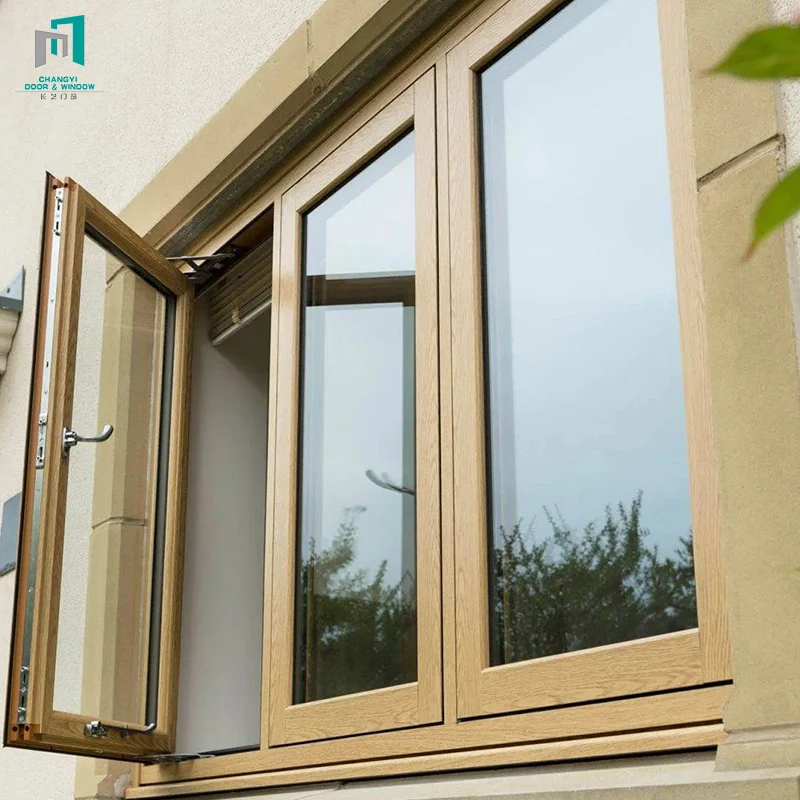
Modern construction and renovation projects increasingly favor small UPVC windows due to their ability to provide adequate natural light and ventilation without compromising structural integrity or aesthetic appeal. Unlike their wooden or aluminum counterparts, these windows resist warping, rotting, and corrosion, making them particularly suitable for high-humidity environments such as bathrooms and kitchens. The compact design of small UPVC windows also allows for flexible installation options, accommodating various architectural styles and space constraints that characterize contemporary living spaces.
Advantages of Small UPVC Windows in Residential Applications
Moisture Resistance and Durability Benefits
The inherent moisture resistance of small UPVC windows makes them exceptionally well-suited for bathroom installations where constant exposure to steam and humidity would quickly deteriorate other window materials. UPVC profiles maintain their structural integrity and appearance even under prolonged exposure to moisture, preventing the warping, swelling, and decay commonly associated with wooden frames. This durability extends the lifespan of small UPVC windows significantly beyond traditional alternatives, often lasting 20-30 years with minimal maintenance.
The non-porous surface of UPVC prevents moisture infiltration that could lead to frame deterioration or mold growth, creating a healthier indoor environment. Small UPVC windows maintain consistent performance throughout their service life, with seals and gaskets designed to withstand thermal expansion and contraction without compromising weather resistance. This reliability makes them an ideal long-term investment for utility rooms, laundry areas, and other spaces where moisture control is paramount.
Energy Efficiency and Thermal Performance
Small UPVC windows excel in thermal performance due to their multi-chamber profile design and advanced glazing options. The UPVC material itself provides excellent insulation properties, while the compact size of these windows reduces potential thermal bridging and heat loss compared to larger window installations. Double or triple glazing options further enhance the energy efficiency of small UPVC windows, helping maintain comfortable indoor temperatures while reducing heating and cooling costs.
The thermal break technology incorporated in quality small UPVC windows creates an effective barrier against heat transfer, contributing to overall building energy performance. This efficiency becomes particularly important in small spaces where every element must contribute to environmental control. Proper installation of small UPVC windows can result in measurable improvements in energy consumption, making them an environmentally responsible choice for modern construction projects.
Design Versatility and Installation Considerations
Space Optimization Strategies
The compact nature of small UPVC windows allows for creative space utilization in areas where traditional window sizes would be impractical or impossible to install. These windows can be positioned strategically to maximize natural light penetration while maintaining privacy and security. The variety of opening mechanisms available for small UPVC windows, including top-hung, side-hung, and tilt-and-turn options, provides flexibility in addressing specific spatial constraints and ventilation requirements.
Interior designers and architects appreciate the clean lines and neutral appearance of small UPVC windows, which complement various decorative styles without overwhelming limited space. The ability to customize frame colors and finishes ensures that these windows integrate seamlessly with existing design schemes. Small UPVC windows can be grouped or arranged in patterns to create interesting visual effects while serving practical lighting and ventilation functions.
Ventilation and Light Management
Effective ventilation becomes crucial in small spaces where air circulation might be limited, and small UPVC windows provide controlled airflow options that prevent stuffiness and moisture buildup. The precision engineering of UPVC window mechanisms ensures smooth operation even in confined installations where access might be restricted. Trickle vents integrated into small UPVC windows provide continuous background ventilation without compromising security or weather resistance.
Light management becomes particularly important in utility areas and bathrooms where natural illumination must be balanced with privacy requirements. Small UPVC windows can accommodate various glazing options, including obscured glass, that maintain light transmission while protecting privacy. The ability to control both light and airflow makes these windows essential components in creating comfortable, functional small spaces.
Maintenance Requirements and Long-term Performance
Cleaning and Upkeep Protocols
One of the most significant advantages of small UPVC windows lies in their minimal maintenance requirements, particularly important in hard-to-reach installations common in bathrooms and utility rooms. The smooth, non-porous surface of UPVC resists dirt accumulation and can be effectively cleaned with simple soap and water solutions. Unlike wooden windows that require regular painting or staining, small UPVC windows maintain their appearance and functionality with only periodic cleaning and basic hardware lubrication.
The drainage systems built into quality small UPVC windows prevent water accumulation that could lead to performance issues or damage. Regular inspection of seals and weatherstripping ensures continued weather resistance, though these components typically maintain their effectiveness for many years. The accessibility features designed into modern small UPVC windows facilitate easy cleaning and maintenance, even in constrained spaces where maneuvering room is limited.
Performance Longevity and Warranty Considerations
Manufacturers of quality small UPVC windows typically offer substantial warranties reflecting confidence in their product longevity and performance consistency. The stable molecular structure of UPVC resists degradation from UV exposure, temperature fluctuations, and chemical exposure common in bathroom and utility environments. This stability ensures that small UPVC windows maintain their operational characteristics and appearance throughout their service life without the gradual deterioration experienced with other materials.
The hardware components used in small UPVC windows are engineered for extended operation cycles, accommodating the frequent opening and closing typical in utility applications. Quality control measures in UPVC window manufacturing ensure consistent performance across production batches, providing reliability for both individual installations and large-scale projects. The proven track record of UPVC as a window material, combined with advancing manufacturing techniques, continues to extend the expected lifespan and performance of small UPVC windows.
Installation Best Practices and Technical Specifications
Structural Integration Methods
Proper installation of small UPVC windows requires careful attention to structural integration, particularly in retrofit applications where existing openings must be modified to accommodate new units. The lightweight nature of UPVC compared to traditional materials often allows for installation without additional structural support, simplifying the process and reducing costs. Professional installers must ensure proper alignment and weather sealing to maintain the performance advantages that make small UPVC windows attractive for utility applications.
The thermal expansion characteristics of UPVC must be accommodated during installation to prevent stress-related failures or performance degradation over time. Proper shimming and adjustment techniques ensure that small UPVC windows operate smoothly throughout their service life while maintaining weather resistance. Installation in high-moisture environments requires additional attention to vapor barriers and drainage systems to prevent condensation issues that could affect both window performance and surrounding building materials.
Code Compliance and Safety Standards
Building codes increasingly recognize the benefits of small UPVC windows in specific applications, with many jurisdictions updating regulations to accommodate their use in bathrooms and utility rooms where traditional materials might be problematic. Safety glazing requirements for bathroom installations are easily met with modern laminated or tempered glass options available for small UPVC windows. The inherent fire resistance properties of UPVC contribute to overall building safety, though specific applications may require additional fire-rated glazing or frame treatments.
Accessibility standards can be effectively addressed through proper hardware selection and installation height considerations for small UPVC windows. The smooth operation characteristics of quality UPVC windows make them suitable for installations where ease of use is important. Compliance with energy codes is typically straightforward given the excellent thermal performance characteristics of small UPVC windows, often exceeding minimum requirements and contributing to overall building efficiency ratings.
Cost-Effectiveness and Return on Investment
Initial Investment Considerations
The initial cost of small UPVC windows compares favorably to other high-performance window materials while offering superior longevity and lower maintenance expenses over their service life. The manufacturing efficiency achieved in UPVC window production has made small UPVC windows increasingly affordable without compromising quality or performance. Bulk purchasing opportunities for contractors and developers further enhance the cost-effectiveness of choosing small UPVC windows for multiple-unit installations.
Installation costs for small UPVC windows are typically lower than alternatives due to their lighter weight and standardized sizing options. The availability of various frame configurations and hardware options allows for cost optimization based on specific performance requirements and budget constraints. Energy rebate programs and efficiency incentives available in many regions can offset initial costs, making small UPVC windows an even more attractive investment for environmentally conscious property owners.
Long-term Value Proposition
The extended lifespan and minimal maintenance requirements of small UPVC windows create compelling long-term value propositions for both residential and commercial applications. Property values benefit from the modern appearance and proven performance of UPVC windows, particularly in utility areas where functionality and durability are paramount. The energy savings achieved through efficient small UPVC windows accumulate over time, often offsetting initial costs within several years of installation.
Replacement cycles for small UPVC windows extend well beyond those of traditional materials, reducing lifecycle costs and minimizing disruption to building occupants. The consistent performance characteristics of UPVC ensure that small UPVC windows continue meeting building requirements throughout their service life without expensive upgrades or modifications. This reliability makes small UPVC windows particularly attractive for investment properties where maintenance costs directly impact profitability.
FAQ
What sizes are available for small UPVC windows
Small UPVC windows are available in numerous standard sizes ranging from compact bathroom windows as small as 400mm x 600mm up to utility room installations measuring 800mm x 1200mm. Custom sizing is also available from most manufacturers to accommodate specific architectural requirements or retrofit applications. The modular design of UPVC profiles allows for precise dimension control while maintaining structural integrity and performance characteristics across the size range.
How do small UPVC windows perform in high humidity environments
Small UPVC windows excel in high humidity environments due to the inherent moisture resistance of UPVC materials and advanced seal technology. The non-porous surface prevents moisture absorption that could lead to warping or deterioration, while integrated drainage systems manage condensation effectively. These windows maintain their operational characteristics and appearance even under constant exposure to steam and humidity typical in bathroom applications.
Can small UPVC windows be repaired if damaged
Most damage to small UPVC windows can be repaired through replacement of specific components such as hardware, seals, or glazing units without replacing the entire window frame. The modular construction of UPVC windows facilitates component replacement, often restoring full functionality at a fraction of the cost of complete window replacement. Professional repair services can address issues ranging from hardware adjustment to seal replacement, extending the service life of small UPVC windows.
What security features are available for small UPVC windows
Small UPVC windows can incorporate various security features including multi-point locking systems, reinforced frames, and security glazing options. Restrictor hinges limit opening angles for child safety while maintaining ventilation capabilities. Advanced locking mechanisms and tamper-resistant hardware provide security appropriate for bathroom and utility installations while maintaining the convenience and functionality that make small UPVC windows practical for daily use.