 EN
EN

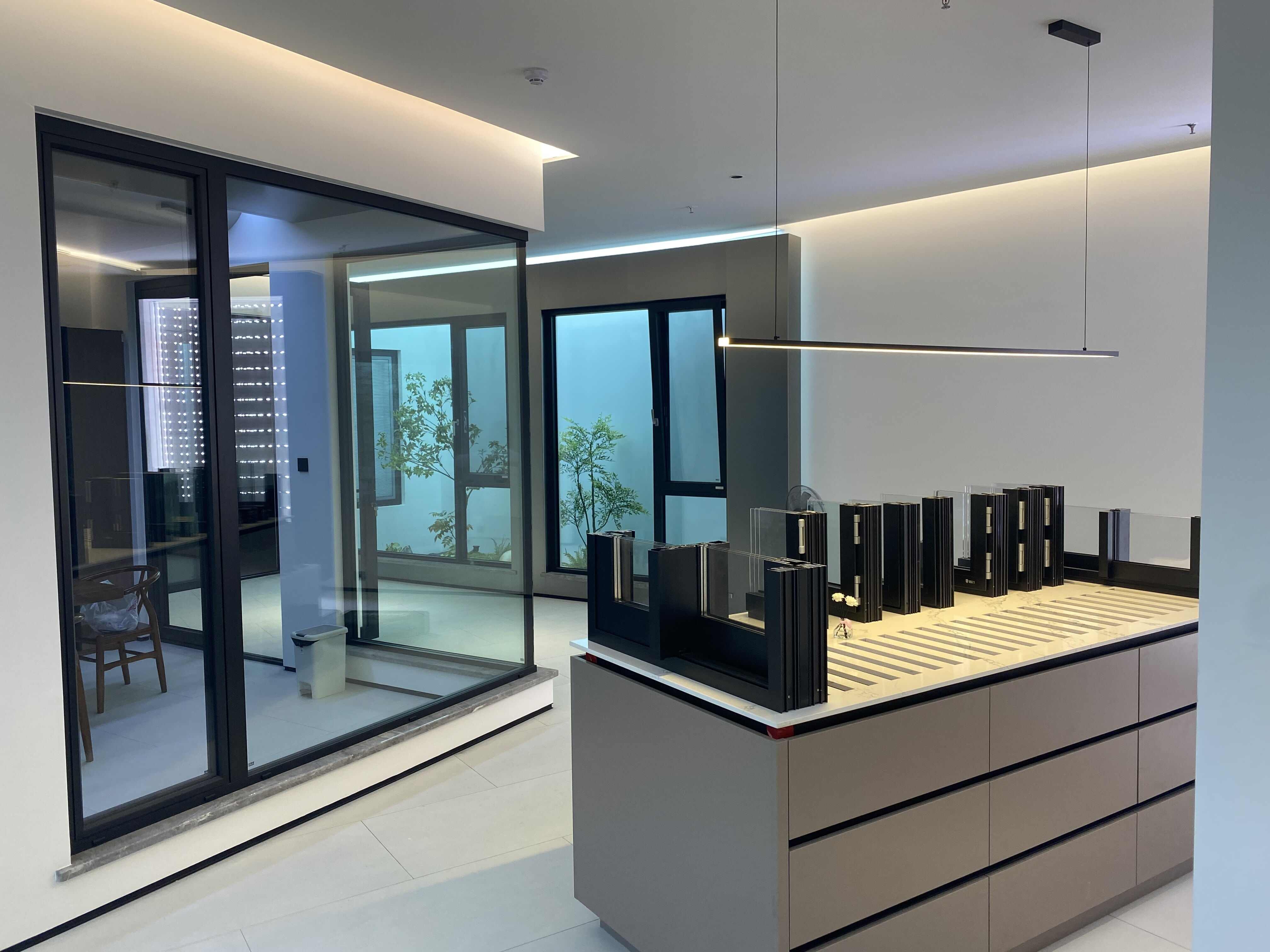
Interior design trends come and go, but some elements remain timelessly elegant and versatile. A plain wood door represents one such enduring feature that continues to captivate homeowners and designers alike. Unlike ornate alternatives with complex detailing, the plain wood door offers a clean, minimalist aesthetic that complements virtually any design scheme. This fundamental building component serves as both a functional necessity and a design statement, providing the perfect balance between simplicity and sophistication. The natural beauty of wood grain, combined with the understated elegance of a plain design, creates an atmosphere of warmth and authenticity that synthetic materials simply cannot replicate.
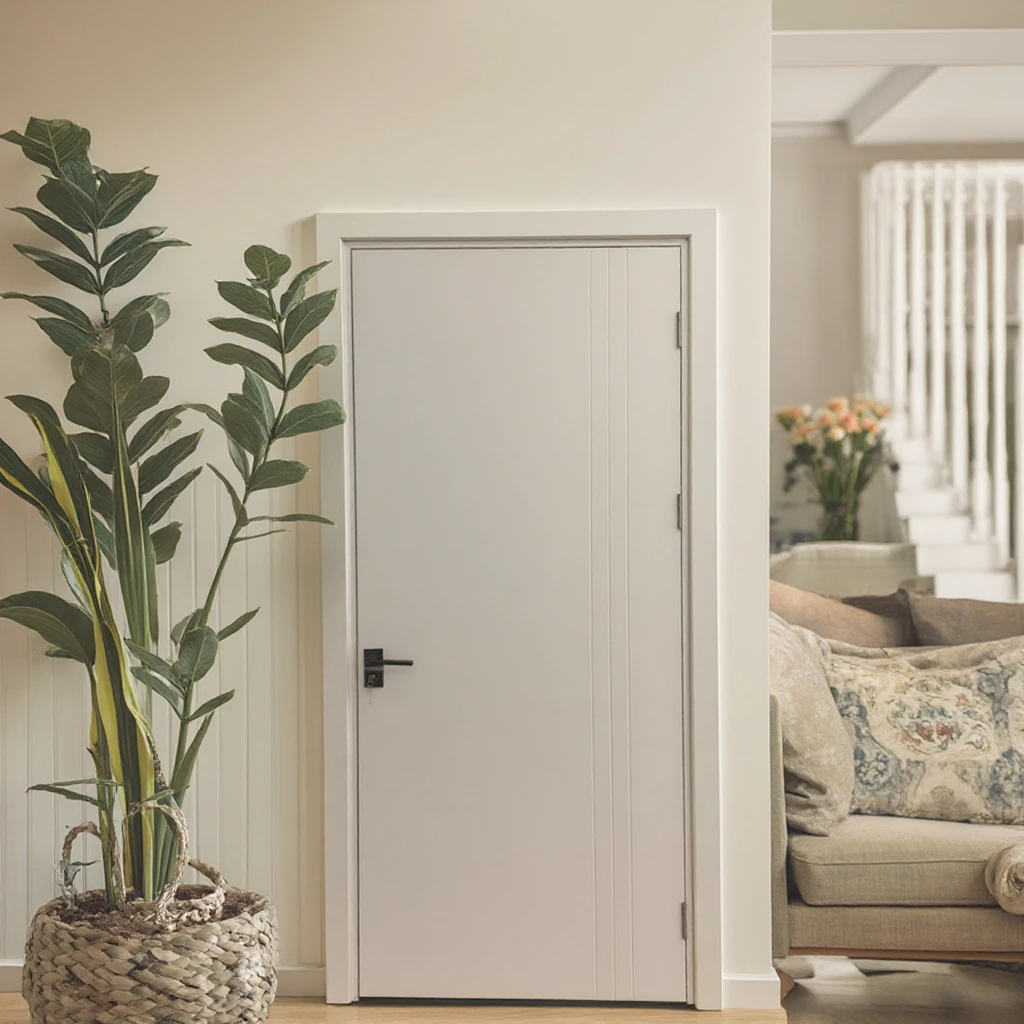
The Timeless Versatility of Natural Wood Materials
Understanding Wood Species Selection
The choice of wood species significantly impacts both the aesthetic appeal and durability of a plain wood door. Popular hardwood options include oak, maple, cherry, and walnut, each offering distinct grain patterns and color variations. Oak provides exceptional strength and distinctive grain lines that enhance the visual appeal of any plain wood door installation. Maple delivers a lighter tone with subtle grain patterns, making it ideal for contemporary and transitional design schemes. Cherry wood develops a rich patina over time, adding character and depth to the plain wood door surface.
Softwood alternatives like pine and fir offer cost-effective solutions while maintaining the natural beauty expected from a quality plain wood door. These species accept stains and finishes exceptionally well, allowing homeowners to customize the appearance according to their specific design preferences. The cellular structure of softwoods also provides excellent insulation properties, contributing to energy efficiency when incorporated into exterior plain wood door applications. Professional installers often recommend these materials for budget-conscious projects that still require authentic wood aesthetics.
Grain Pattern Considerations
The grain pattern visible on a plain wood door surface plays a crucial role in determining its overall visual impact within an interior space. Straight grain patterns create a clean, orderly appearance that aligns perfectly with modern minimalist design principles. Cathedral grain patterns, featuring dramatic curved lines, add visual interest without overwhelming the simplicity that defines a quality plain wood door. The interplay between light and shadow across these natural patterns creates depth and movement that cannot be replicated in manufactured materials.
Quarter-sawn lumber produces distinctive ray patterns that add subtle texture to the plain wood door surface while maintaining structural stability. This cutting method minimizes warping and splitting, ensuring long-term performance in various environmental conditions. The resulting grain pattern appears more uniform and refined, making quarter-sawn doors particularly suitable for formal interior applications where consistency is paramount.
Design Integration Across Architectural Styles
Contemporary Minimalist Applications
Modern interior design embraces the clean lines and understated elegance that a plain wood door naturally provides. In contemporary settings, these doors function as neutral elements that allow other design features to take center stage. The absence of decorative molding or raised panels creates a seamless integration with flat-panel cabinetry and minimalist architectural details. A well-selected plain wood door can serve as a subtle accent that adds warmth to otherwise sterile modern environments.
The horizontal grain orientation commonly featured in contemporary plain wood door designs emphasizes width and creates a sense of spaciousness in smaller rooms. Natural wood tones complement the neutral color palettes typical of modern interiors, including whites, grays, and earth tones. This compatibility allows designers to incorporate organic elements without disrupting the clean aesthetic that defines contemporary style.
Traditional and Transitional Settings
Traditional interior design schemes benefit from the authentic character that only a genuine plain wood door can provide. In colonial, craftsman, and farmhouse-style homes, these doors maintain period authenticity while offering practical advantages over more ornate alternatives. The simplicity of design allows the natural beauty of the wood to complement existing architectural elements like exposed beams, hardwood flooring, and built-in cabinetry. Traditional spaces often feature multiple plain wood door installations throughout the home, creating visual continuity between rooms.
Transitional design approaches leverage the versatility of plain wood door installations to bridge the gap between traditional and contemporary elements. This design philosophy appreciates the timeless appeal of natural materials while embracing cleaner lines and reduced ornamentation. The result is an interior environment that feels both comfortable and sophisticated, with the plain wood door serving as a unifying element that connects different design periods.
Finishing Techniques and Surface Treatments
Staining and Natural Enhancement
Proper finishing techniques can dramatically enhance the appearance and longevity of any plain wood door installation. Penetrating stains allow the natural grain pattern to remain visible while adding color depth and richness to the wood surface. Light stains preserve the original wood tone while providing protection against moisture and UV damage. Medium and dark stains create more dramatic effects, transforming the appearance of lighter wood species to match existing interior elements.
Pre-stain conditioners ensure even color absorption across the entire plain wood door surface, preventing blotchy or uneven results that can detract from the overall appearance. Multiple thin coats produce superior results compared to single heavy applications, allowing for better penetration and more consistent coverage. The selection of stain color should complement existing wood elements throughout the interior space, creating a cohesive design scheme that enhances overall aesthetic appeal.
Clear Finish Applications
Clear protective finishes preserve the natural color and grain pattern of a plain wood door while providing essential protection against daily wear and environmental factors. Polyurethane finishes offer excellent durability and moisture resistance, making them ideal for high-traffic areas and exterior applications. Water-based polyurethane maintains the original wood color better than oil-based alternatives, though oil-based products provide slightly better durability and depth.
Lacquer finishes create an exceptionally smooth surface with excellent clarity, showcasing the natural beauty of the plain wood door material. However, lacquer requires more careful application and may not be suitable for all environmental conditions. The choice between satin, semi-gloss, and gloss sheens depends on the desired appearance and the amount of reflected light appropriate for the specific installation location.
Installation Considerations and Hardware Selection
Proper Measurement and Fitting
Accurate measurement is critical for successful plain wood door installation, as natural wood materials cannot be easily modified once cut to size. Door openings must be perfectly square and plumb to ensure proper operation and seal integrity. Professional installers typically allow for seasonal wood movement when fitting a plain wood door, leaving appropriate clearances that accommodate expansion and contraction cycles. This attention to detail prevents binding issues and premature wear that can occur with improperly fitted installations.
The door frame must provide adequate support for the weight of a solid plain wood door, particularly for larger installations or exterior applications. Reinforcement may be necessary in some cases, especially when replacing lighter hollow-core doors with solid wood alternatives. Proper shimming and adjustment during installation ensure smooth operation and long-term performance of the plain wood door assembly.
Hardware Compatibility and Aesthetic Coordination
Hardware selection significantly impacts both the functionality and appearance of a plain wood door installation. Traditional hardware finishes like oil-rubbed bronze, antique brass, and wrought iron complement the natural character of wood materials. Contemporary installations often feature brushed nickel, stainless steel, or matte black hardware that provides clean contrast against natural wood tones. The size and style of hardware should be proportional to the door dimensions and appropriate for the intended use.
Hinge selection requires consideration of both the door weight and the expected usage frequency. Heavy-duty hinges with ball bearings provide smooth operation and extended service life for frequently used plain wood door installations. The number of hinges required depends on door height and weight, with taller or heavier doors requiring additional support to prevent sagging over time.
Maintenance and Long-term Care
Routine Cleaning and Inspection
Regular maintenance preserves the beauty and functionality of any plain wood door installation throughout its service life. Gentle cleaning with appropriate wood-safe products removes accumulated dirt and grime without damaging the finish. Harsh chemicals and abrasive cleaners should be avoided, as these can strip protective finishes and damage the wood surface. Periodic inspection for signs of wear, damage, or hardware loosening allows for timely repairs that prevent more extensive problems.
Seasonal maintenance schedules should include checking for proper door alignment and smooth operation. Changes in humidity and temperature can cause wood movement that affects door fit and function. Minor adjustments to hinges or strike plates can often resolve operational issues before they become significant problems. The plain wood door surface should be inspected for any signs of finish deterioration that might require touch-up or refinishing.
Refinishing and Restoration
Over time, even the best-maintained plain wood door may require refinishing to restore its original beauty. Light sanding removes surface imperfections and prepares the wood for new finish application. The existing finish must be completely removed or properly prepared to ensure good adhesion of new coatings. This process allows homeowners to update the color or finish type to match evolving interior design preferences while preserving the underlying plain wood door structure.
Professional refinishing services can restore severely damaged or weathered plain wood door installations to like-new condition. Advanced techniques like steam treatment can remove dents and surface imperfections without compromising the wood integrity. Color matching services ensure that refinished doors blend seamlessly with existing interior elements, maintaining the cohesive appearance that makes plain wood door installations so appealing.
FAQ
What makes a plain wood door more desirable than other door types
A plain wood door offers unmatched versatility and timeless appeal that works with virtually any interior design style. The natural grain patterns and warm tones create an inviting atmosphere while the simple design prevents the door from overwhelming other decorative elements. Additionally, solid wood construction provides superior durability, sound dampening, and insulation compared to hollow-core alternatives, making it both a practical and aesthetic choice for discerning homeowners.
How do I choose the right wood species for my plain wood door
The choice depends on your budget, desired appearance, and intended use. Hardwoods like oak and maple offer superior durability and distinctive grain patterns but cost more than softwood options. Consider the existing wood elements in your home and select a species that complements your current materials. For high-traffic areas or exterior applications, choose harder species that resist wear and weather damage. Consult with a professional to ensure your selection meets both aesthetic and performance requirements.
Can a plain wood door be painted instead of stained
Yes, a plain wood door can be painted, though this covers the natural grain pattern that many homeowners find appealing. Paint provides unlimited color options and can help coordinate the door with existing trim and wall colors. However, painted surfaces require more maintenance than stained finishes and may show wear more readily in high-use areas. If you choose to paint, proper surface preparation is essential for achieving a smooth, durable finish that will last for years.
What maintenance does a plain wood door require
Regular maintenance includes gentle cleaning with wood-appropriate products and periodic inspection for signs of wear or damage. The finish may need touch-ups or complete refinishing every five to ten years, depending on use and environmental conditions. Check hardware annually for proper operation and tightness. Seasonal adjustments may be necessary as the wood expands and contracts with humidity changes. With proper care, a quality plain wood door can provide decades of reliable service while maintaining its attractive appearance.