 EN
EN

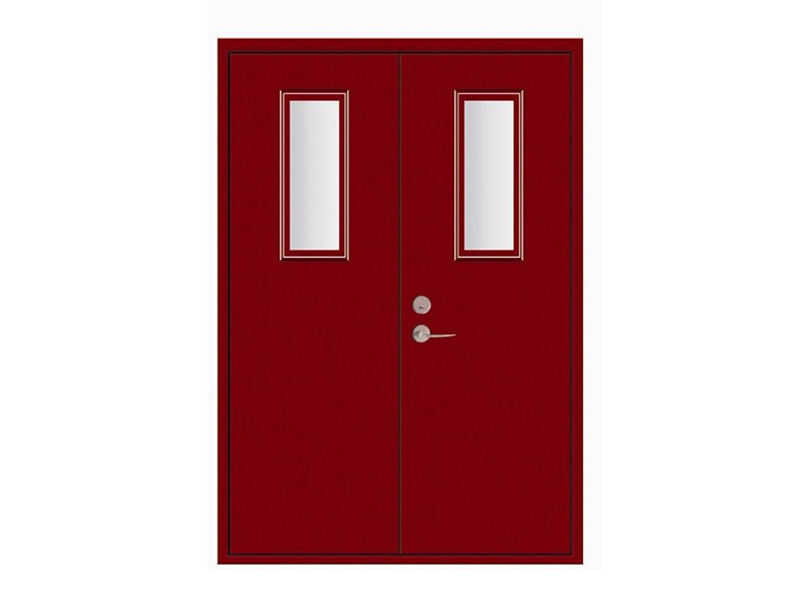
A plain wood door represents the perfect foundation for countless design possibilities in residential and commercial applications. Unlike pre-finished alternatives, these unadorned surfaces offer complete creative freedom for customization through paint, stain, or other finishing techniques. The natural characteristics of wood provide excellent adhesion properties for various coating systems, making plain wood doors an ideal choice for architects, contractors, and homeowners seeking personalized aesthetic solutions.
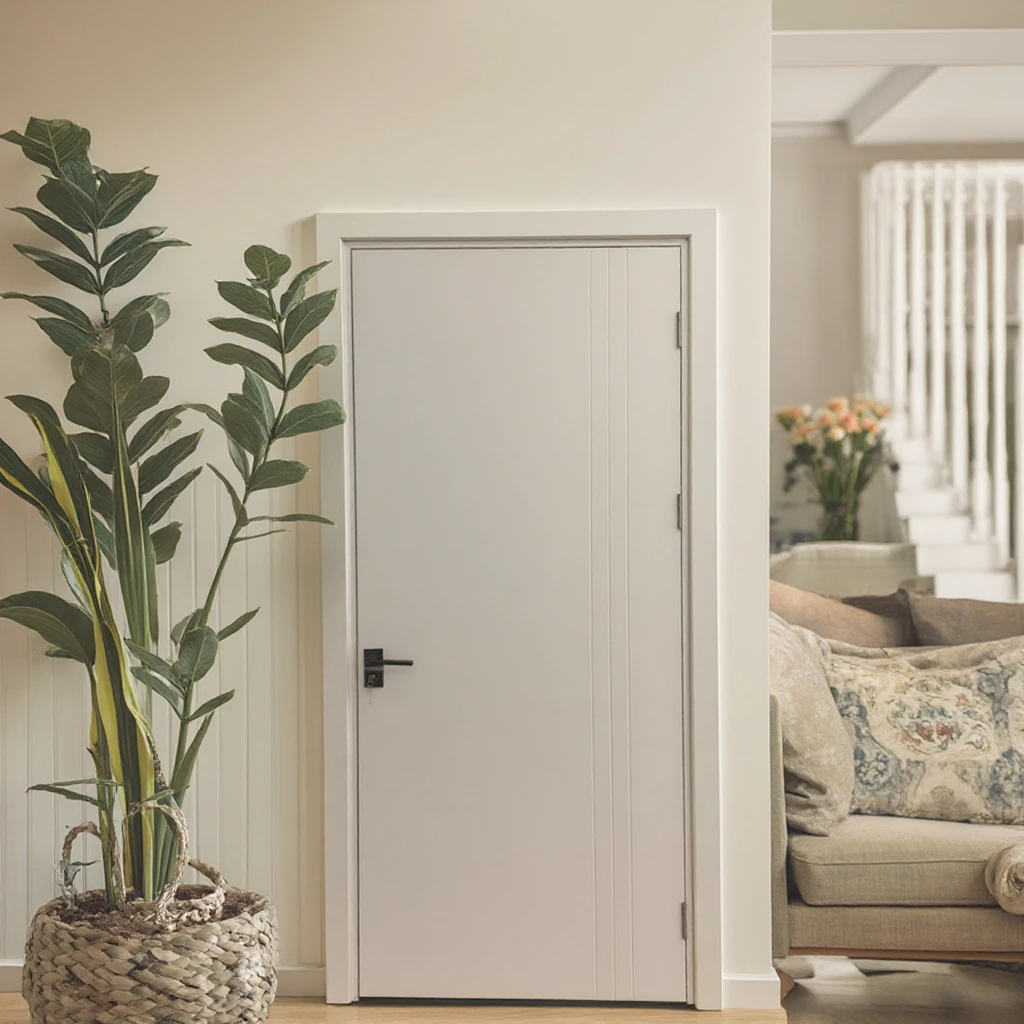
The versatility of plain wood door construction extends beyond surface treatments to encompass structural integrity and longevity. These doors typically feature solid wood cores or engineered wood compositions that provide superior dimensional stability compared to hollow-core alternatives. The absence of factory-applied finishes means that property owners can select coatings specifically suited to their environmental conditions and maintenance preferences, ensuring optimal performance throughout the door's service life.
Material Composition and Construction Benefits
Solid Wood Core Advantages
The solid wood core construction of a quality plain wood door delivers exceptional durability and insulation properties. These cores resist warping and splitting better than composite alternatives, particularly in environments with fluctuating humidity levels. The natural cellular structure of wood provides inherent thermal insulation, contributing to energy efficiency in both residential and commercial buildings. Additionally, solid wood cores offer superior sound dampening characteristics, making them ideal for applications where acoustic control is important.
Manufacturing processes for solid wood cores typically involve laminated construction techniques that minimize the risk of checking and splitting. These methods create stable panels that maintain their dimensional integrity over extended periods, even when exposed to temperature variations. The resulting plain wood door exhibits consistent performance characteristics that make it suitable for high-traffic applications where reliability is paramount.
Engineered Wood Options
Engineered wood alternatives provide cost-effective solutions while maintaining many benefits of solid wood construction. These materials often incorporate moisture-resistant adhesives and treatments that enhance the plain wood door's resistance to environmental factors. Engineered cores frequently demonstrate superior dimensional stability compared to solid wood, particularly in applications where extreme humidity fluctuations occur regularly.
The manufacturing precision achievable with engineered materials ensures consistent thickness and surface preparation across the entire door panel. This uniformity simplifies finishing processes and helps achieve professional-quality results with both paint and stain applications. Many engineered plain wood door products feature specialized surface preparations that optimize coating adhesion and appearance.
Surface Preparation Techniques for Optimal Results
Sanding and Smoothing Procedures
Proper surface preparation forms the foundation of successful finishing for any plain wood door project. Initial sanding should begin with medium-grit abrasives to remove any mill marks or surface imperfections, followed by progressively finer grits to achieve the desired smoothness. The sanding process must follow the wood grain direction to avoid creating cross-grain scratches that become visible under certain lighting conditions.
Professional-grade results require attention to detail during the sanding phase, including careful attention to panel edges and any raised or recessed areas. A plain wood door typically benefits from final sanding with 220-grit paper to create an optimal surface for both paint and stain adhesion. Dust removal between sanding stages prevents contamination that could compromise the final finish quality.
Cleaning and Priming Considerations
Thorough cleaning removes sanding dust and any residual manufacturing residues that could interfere with coating adhesion. Tack cloth application provides effective dust removal without introducing lint or other contaminants to the surface. For paint applications, high-quality primer selection ensures proper adhesion and helps achieve uniform color coverage, particularly when transitioning from natural wood tones to lighter paint colors.
Stain applications require different preparation approaches, often involving wood conditioners or sealers that help achieve even penetration and color distribution. These preparatory products are particularly important when working with woods that exhibit varying porosity or grain patterns. Proper preparation ensures that the finished plain wood door displays consistent appearance characteristics across its entire surface.
Paint Application Methods and Color Selection
Brush and Roller Techniques
Traditional brush application methods provide excellent control and coverage for plain wood door painting projects. High-quality natural or synthetic bristle brushes create smooth finishes while allowing precise control around panel details and edge treatments. The brush selection should match the paint type and desired finish characteristics, with natural bristles typically preferred for oil-based products and synthetic alternatives for water-based coatings.
Roller applications can accelerate coverage of large flat areas while maintaining professional appearance standards. Foam rollers work particularly well for achieving smooth finishes on plain wood door surfaces, though they require careful technique to avoid creating texture patterns. Multiple thin coats generally produce superior results compared to single heavy applications, allowing better flow and leveling while minimizing brush marks or roller stipple.
Color Coordination and Design Impact
Color selection for a plain wood door significantly influences the overall architectural impact and design cohesion of any space. Bold colors can create striking focal points, while neutral tones provide versatile backgrounds that complement various design schemes. The color choice should consider factors such as lighting conditions, surrounding materials, and the intended aesthetic mood of the environment.
Contemporary design trends often favor sophisticated color palettes that balance visual interest with timeless appeal. Dark colors can add dramatic impact and hide minor imperfections, while lighter shades create an impression of spaciousness and cleanliness. The plain wood door's natural texture adds depth and character that enhances any color selection when properly applied and maintained.
Stain Applications and Wood Grain Enhancement
Penetrating Stain Systems
Penetrating stains offer the advantage of enhancing natural wood characteristics while providing color modification and protection. These products soak into the wood fibers rather than forming a surface film, creating a more natural appearance that highlights the grain pattern and texture of the plain wood door. Oil-based penetrating stains typically provide deeper color saturation and longer-lasting protection compared to water-based alternatives.
Application techniques for penetrating stains require careful attention to working time and absorption characteristics. The stain should be applied evenly and excess material removed before it begins to set, ensuring uniform color distribution across the entire surface. Multiple coats may be necessary to achieve the desired color depth, with adequate drying time between applications to prevent blotching or uneven appearance.
Gel Stain Benefits and Applications
Gel stains provide excellent control and consistency for plain wood door finishing projects, particularly when working with woods that exhibit varying porosity or grain patterns. The thicker consistency of gel products allows more working time and reduces the likelihood of lap marks or color variations. These stains work particularly well on vertical surfaces where running and dripping can be problematic with liquid products.
The application process for gel stains involves working the product into the wood surface with cloth or brush, allowing penetration while controlling the final appearance. This method enables greater color uniformity across different wood species or grain orientations within a single plain wood door. The result is a professional-quality finish that enhances the natural beauty of the wood while providing the desired color characteristics.
Protective Coating Systems and Maintenance
Clear Coat Applications
Protective clear coatings extend the service life of both painted and stained plain wood door surfaces while maintaining their aesthetic appeal. Polyurethane systems offer excellent durability and resistance to scratching, moisture, and UV degradation. These coatings are available in various sheen levels, from high-gloss finishes that provide maximum protection to satin alternatives that offer durability with reduced reflectivity.
Water-based clear coatings provide environmental advantages and faster curing times while delivering comparable protection to solvent-based alternatives. These products typically exhibit lower odor levels and easier cleanup characteristics, making them suitable for occupied spaces where ventilation may be limited. The clear coating selection should complement the underlying finish system and intended use conditions of the plain wood door.
Long-term Maintenance Strategies
Proper maintenance ensures that a finished plain wood door retains its appearance and protective properties throughout its service life. Regular cleaning with appropriate products removes accumulated dirt and grime without damaging the finish system. Inspection schedules should identify early signs of wear or damage that could compromise the protective barrier and lead to more extensive restoration requirements.
Refinishing schedules depend on environmental conditions, traffic levels, and the specific coating system used on the plain wood door. High-traffic applications may require touch-up work or complete refinishing every few years, while protected interior installations can maintain their appearance for much longer periods. Planning maintenance activities during favorable weather conditions ensures optimal application conditions and curing performance.
Installation Considerations and Hardware Compatibility
Hanging and Alignment Requirements
Proper installation ensures that a plain wood door operates smoothly and maintains its finished appearance over time. Frame preparation must account for door thickness, swing clearances, and hardware mounting requirements. The installation process should include provisions for seasonal movement that occurs naturally with wood products, preventing binding or gap issues that could compromise both function and appearance.
Hinge selection and placement significantly affect door operation and longevity. Heavy-duty hinges provide better support and smoother operation, particularly important for solid wood plain wood door installations. Proper hinge mortising ensures flush mounting and prevents stress concentrations that could lead to splitting or other structural issues over time.
Hardware Selection and Mounting
Hardware selection should complement both the functional requirements and aesthetic characteristics of the finished plain wood door. Lock sets, handles, and other hardware components must be compatible with the door thickness and construction details. Professional installation ensures proper alignment and operation while preventing damage to the finished surface during mounting procedures.
Security hardware requirements vary based on the application and local code requirements. Commercial installations may require specific lock grades and fire-rating considerations that affect both hardware selection and installation procedures. The plain wood door's construction must accommodate these requirements while maintaining its aesthetic and functional characteristics.
FAQ
What type of wood is best for a plain wood door intended for painting
Pine, poplar, and other softwood species work excellently for paint applications because they provide smooth surfaces and accept primer and paint systems well. These woods typically cost less than hardwood alternatives while delivering comparable performance for painted applications. The key is selecting properly kiln-dried lumber with minimal knots or defects that could show through the paint film.
How long should I wait between coats when finishing a plain wood door
Drying times vary significantly based on temperature, humidity, and the specific product used. Most water-based products allow recoating within 2-4 hours under normal conditions, while oil-based systems typically require 8-24 hours between coats. Always follow manufacturer recommendations and test a small area to ensure proper adhesion between coats.
Can I stain a plain wood door that has been previously painted
Staining over painted surfaces requires complete paint removal first, as stain cannot penetrate through existing paint films. This process involves careful sanding or chemical stripping to return the surface to bare wood. After complete paint removal and proper surface preparation, the plain wood door can be stained using standard techniques and products.
What maintenance schedule should I follow for a finished plain wood door
Interior applications typically require cleaning every few months and inspection for wear annually. Exterior installations need more frequent attention, with cleaning every 1-2 months and potential refinishing every 3-5 years depending on exposure conditions. High-traffic areas may require touch-up work or complete refinishing more frequently to maintain appearance and protection.