 EN
EN

Minimalist interior design has captured the hearts of homeowners worldwide, emphasizing clean lines, functional spaces, and natural materials that create serene living environments. At the center of this design philosophy lies the simple wood door, an element that seamlessly bridges different rooms while maintaining the aesthetic integrity that minimalism demands. A simple wood door serves as more than just a functional barrier; it becomes a design statement that reflects the homeowner's commitment to understated elegance and timeless appeal. The natural grain patterns and warm tones of wood create visual interest without overwhelming the space, making it an ideal choice for those seeking to achieve the perfect minimalist balance.
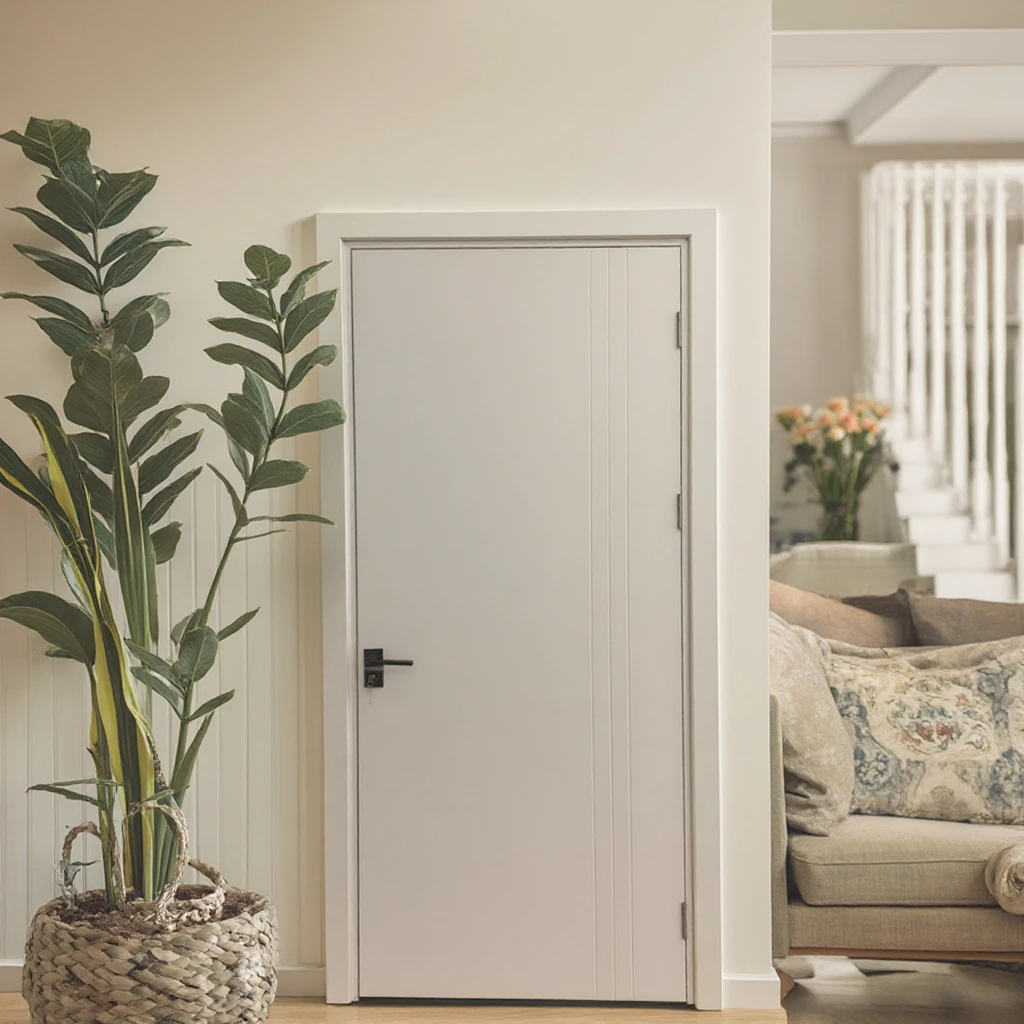
The minimalist movement originated from Japanese design principles and Scandinavian aesthetics, both of which celebrate the beauty found in simplicity and natural materials. When incorporating a simple wood door into minimalist spaces, designers focus on clean geometries and unadorned surfaces that allow the wood's natural characteristics to shine. This approach creates spaces that feel both modern and timeless, where every element serves a purpose while contributing to the overall sense of calm and order. The texture and warmth of wood provide a necessary counterbalance to the potentially stark nature of minimalist design, ensuring that spaces remain inviting and human-centered rather than cold or sterile.
Material Selection and Wood Species
Choosing the Right Wood Type
Selecting the appropriate wood species for a simple wood door requires careful consideration of both aesthetic and practical factors. Oak remains a popular choice due to its durability and distinctive grain patterns that add visual texture without being overly busy. The natural variations in oak grain create subtle movement that catches light beautifully throughout the day, making it an excellent choice for minimalist interiors where every detail matters. Maple offers a lighter alternative with a more uniform grain pattern, perfect for spaces where a clean, consistent appearance is desired.
Pine and other softwoods provide cost-effective options for those seeking the warmth of wood without the premium price point of hardwoods. These species can be treated and finished to achieve various aesthetic goals while maintaining the simple wood door concept. Cherry wood brings rich, reddish-brown tones that deepen over time, creating doors that become more beautiful with age. The key is selecting a species that complements the existing design elements while providing the longevity and performance expected in high-use applications.
Sustainable Sourcing Considerations
Modern minimalist design often emphasizes environmental responsibility, making sustainable wood sourcing an important consideration when selecting materials for a simple wood door. Forest Stewardship Council (FSC) certified lumber ensures that the wood comes from responsibly managed forests that maintain biodiversity and support local communities. Reclaimed wood offers another sustainable option, bringing unique character and history to minimalist spaces while reducing environmental impact.
Local wood species should be prioritized whenever possible, as they reduce transportation impacts and often perform better in regional climate conditions. Understanding the environmental story behind your simple wood door adds depth to the minimalist philosophy, which values quality over quantity and thoughtful consumption over excess. Many manufacturers now provide detailed information about their sourcing practices, allowing homeowners to make informed decisions that align with their values.
Design Principles and Aesthetic Integration
Proportional Harmony
The success of a simple wood door in minimalist interiors depends heavily on achieving proper proportional relationships with surrounding elements. Door height, width, and thickness must be carefully considered to ensure visual balance within the space. Standard door proportions work well in most applications, but custom sizing may be necessary to achieve the perfect fit in architecturally unique spaces. The relationship between the door and its frame, surrounding walls, and nearby furniture creates a visual rhythm that supports the minimalist aesthetic.
Scale considerations extend beyond the door itself to include hardware selection, finish choices, and installation details. A simple wood door should appear purposeful and well-integrated rather than like an afterthought or purely functional element. The goal is creating seamless transitions between spaces while maintaining the clean, uncluttered appearance that defines minimalist design. Proper proportions ensure that the door enhances rather than dominates the space, contributing to the sense of calm and order that minimalism seeks to achieve.
Color Coordination and Finish Selection
Color coordination plays a crucial role in successfully integrating a simple wood door into minimalist interiors. Natural wood tones should complement rather than compete with existing color palettes, which typically feature neutral bases with carefully selected accent colors. Light wood finishes work exceptionally well in spaces dominated by whites, grays, and other cool tones, while darker woods can provide grounding elements in predominantly light-colored rooms.
Finish selection affects both appearance and maintenance requirements, with options ranging from natural oils that preserve the wood's original character to painted finishes that create completely uniform appearances. Clear protective coatings enhance the natural grain while providing necessary protection against wear and moisture. Matte finishes typically work better than glossy options in minimalist spaces, as they reduce visual distractions and maintain focus on form and proportion rather than surface reflections.
Installation and Hardware Considerations
Concealed Hardware Solutions
Minimalist design principles favor concealed or minimally visible hardware that doesn't interrupt clean lines or distract from the simple wood door's natural beauty. European-style concealed hinges provide smooth operation while remaining completely invisible when the door is closed. These systems require precise installation but deliver the clean appearance that minimalist aesthetics demand. Handle selection should prioritize simple geometric forms in brushed or matte finishes that complement the wood's natural tones.
Magnetic catches and soft-close mechanisms enhance functionality while maintaining the quiet, serene atmosphere that characterizes well-designed minimalist spaces. These technologies allow doors to close smoothly and silently, eliminating jarring sounds that can disrupt the peaceful environment. Quality hardware represents an investment in long-term performance and user experience, ensuring that the simple wood door continues to function flawlessly while maintaining its aesthetic appeal over time.
Precision Installation Techniques
Proper installation is critical for achieving the refined appearance that makes a simple wood door successful in minimalist interiors. Precise measurements, level installation, and proper clearances ensure smooth operation and prevent common problems like binding or uneven gaps. Professional installation typically yields better results than DIY approaches, particularly when dealing with custom sizing or challenging architectural conditions.
Frame preparation and finishing details significantly impact the final appearance and performance of the installation. Gaps should be consistent and minimal, with any necessary adjustments made before final finishing work begins. Weather stripping and sealing materials should be selected for both performance and appearance, ensuring that functional requirements don't compromise aesthetic goals. Attention to these details separates professional-quality installations from amateur attempts.
Maintenance and Longevity
Routine Care Procedures
Maintaining a simple wood door in optimal condition requires understanding both the wood species characteristics and the specific finish applied during manufacturing or installation. Regular dusting with microfiber cloths prevents dirt accumulation that can dull finishes over time. Seasonal inspection of hardware, seals, and finish condition allows for proactive maintenance that prevents minor issues from becoming major problems.
Climate control within the home affects wood stability and appearance, making consistent temperature and humidity levels important for long-term performance. Excessive moisture can cause swelling and finish problems, while overly dry conditions may lead to cracking or splitting. Understanding these relationships helps homeowners create environments where their simple wood door will perform optimally for decades.
Refinishing and Restoration
Even the highest quality simple wood door may eventually require refinishing to restore its original beauty and protect the underlying wood. Recognizing when refinishing is needed and understanding the process involved helps homeowners maintain their investment properly. Surface preparation, finish removal, and reapplication require specific techniques and materials for optimal results.
Professional refinishing services offer expertise and equipment that typically produce superior results compared to DIY approaches. However, minor touch-ups and routine maintenance can often be handled by homeowners with basic tools and materials. The key is understanding which tasks are appropriate for self-completion and which require professional expertise to avoid damaging the door or compromising its appearance.
Cost Considerations and Value
Initial Investment Analysis
The cost of a simple wood door varies significantly based on wood species, construction quality, hardware selection, and installation requirements. Solid wood doors typically command premium prices but offer superior durability and aesthetic appeal compared to hollow-core or composite alternatives. Understanding the relationship between initial cost and long-term value helps homeowners make informed decisions that align with their budgets and expectations.
Custom sizing, special finishes, and high-end hardware increase costs but may be necessary to achieve the desired aesthetic results in minimalist applications. Comparing quotes from multiple suppliers and installers ensures competitive pricing while maintaining quality standards. The simple wood door represents a long-term investment that can enhance property value while providing daily satisfaction through superior appearance and performance.
Long-term Value Proposition
Quality simple wood door installations provide value that extends far beyond their initial cost through enhanced property appeal, energy efficiency improvements, and decades of reliable service. Well-maintained wood doors often last significantly longer than alternative materials while maintaining their aesthetic appeal through proper care and occasional refinishing. This longevity makes them cost-effective choices when evaluated over their entire service life.
The timeless appeal of wood ensures that simple wood door installations remain stylistically relevant even as design trends evolve, protecting the homeowner's investment while maintaining property value. Energy efficiency benefits, noise reduction capabilities, and security enhancements provide additional value that may not be immediately apparent but contributes to overall home performance and comfort.
FAQ
What makes a simple wood door ideal for minimalist interiors
A simple wood door perfectly complements minimalist interiors because it embodies the core principles of minimalist design: natural materials, clean lines, and functional beauty. The natural grain patterns and warm tones of wood provide visual interest and texture without overwhelming the space or competing with other design elements. Unlike ornate or heavily detailed doors, a simple wood door maintains the clean, uncluttered aesthetic that minimalism requires while adding warmth and natural character that prevents spaces from feeling cold or sterile. The versatility of wood allows it to work with various color palettes and design approaches within the minimalist framework.
How do I choose the right wood species for my minimalist space
Selecting the appropriate wood species for a simple wood door depends on your specific aesthetic goals, budget, and practical requirements. Lighter woods like maple or ash work well in predominantly white or light-colored minimalist spaces, while darker species like walnut or cherry provide grounding elements in rooms with mixed neutral tones. Consider the grain pattern intensity as well – some minimalist applications benefit from subtle, uniform grains, while others can accommodate more pronounced wood characteristics. Durability requirements, local climate conditions, and maintenance preferences should also influence your decision, as different species have varying performance characteristics and care requirements.
What hardware works best with simple wood doors in minimalist settings
The best hardware for simple wood doors in minimalist settings prioritizes clean lines, concealed installation, and minimal visual impact. European-style concealed hinges completely disappear when the door is closed, maintaining uninterrupted sight lines that minimalist design requires. Handle selection should focus on simple geometric forms in brushed stainless steel, matte black, or other understated finishes that complement rather than compete with the wood's natural beauty. Avoid ornate, decorative, or overly prominent hardware that draws attention away from the door's natural characteristics and disrupts the clean aesthetic that defines minimalist interiors.
How much maintenance does a simple wood door require
A simple wood door requires relatively minimal maintenance when properly installed and finished, making it suitable for busy homeowners who value both beauty and practicality. Regular dusting and occasional cleaning with appropriate wood-safe products maintains appearance and prevents dirt accumulation. Annual inspection of hardware, seals, and finish condition allows for proactive maintenance that prevents minor issues from becoming costly problems. Depending on the finish type and environmental conditions, refinishing may be needed every 5-10 years to restore original beauty and protect the underlying wood. The specific maintenance requirements vary based on wood species, finish selection, and exposure conditions, but overall maintenance demands are reasonable for the aesthetic and functional benefits provided.