 EN
EN

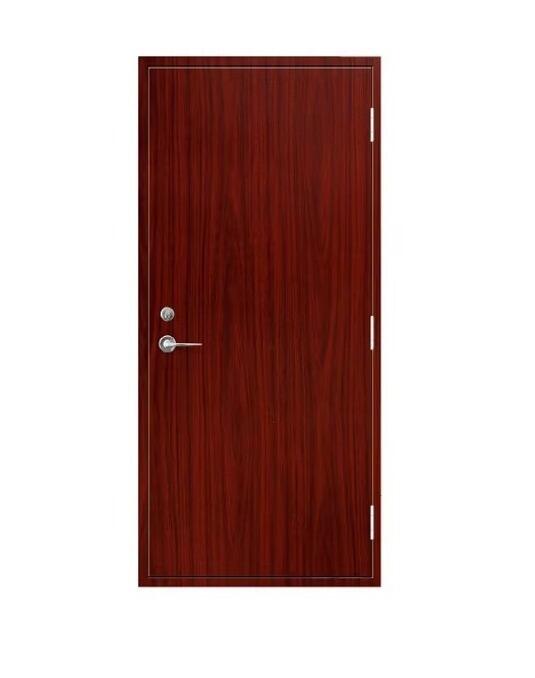
Modern homeowners increasingly seek simple wood door designs that combine functionality with timeless aesthetic appeal. These entryway solutions offer a perfect balance between natural warmth and contemporary sophistication, making them ideal for both traditional and modern architectural styles. The growing popularity of minimalist design principles has elevated simple wood door designs to the forefront of residential and commercial applications.
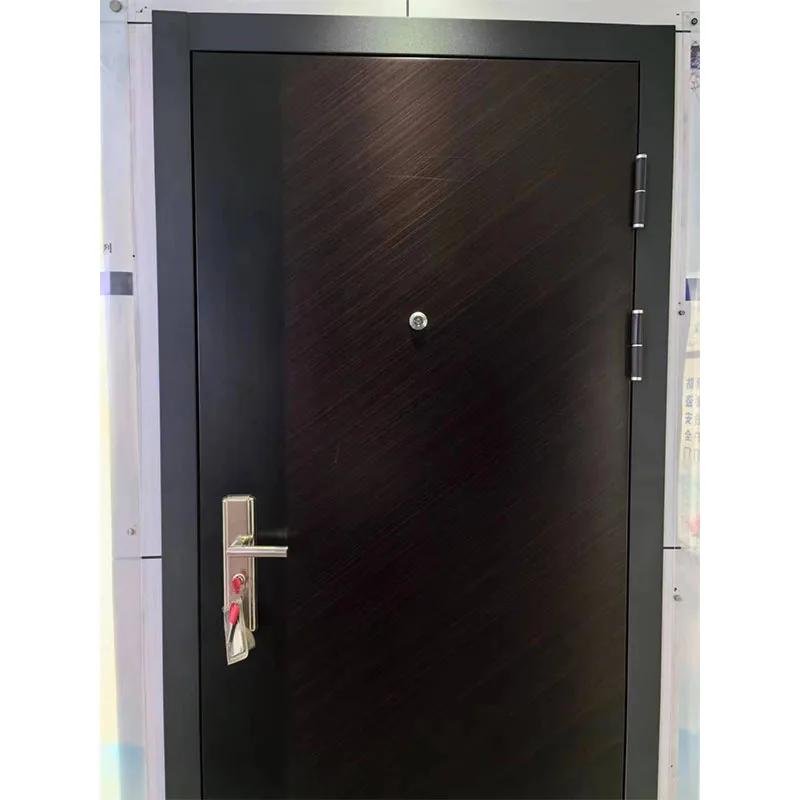
The versatility of wood as a material allows designers to create doors that seamlessly integrate with various architectural themes while maintaining their distinctive character. Simple wood door designs emphasize clean lines, natural grain patterns, and understated hardware that complement rather than compete with surrounding elements. This approach results in entryways that feel both welcoming and sophisticated, creating lasting impressions on visitors and residents alike.
Essential Elements of Modern Wood Door Design
Material Selection and Quality Standards
The foundation of exceptional simple wood door designs lies in careful material selection and adherence to quality standards. Premium hardwoods such as oak, mahogany, and walnut provide the durability and visual appeal necessary for long-lasting installations. These materials offer natural resistance to weathering and maintain their structural integrity under various environmental conditions.
Wood species selection significantly impacts both the appearance and performance of simple wood door designs. Dense hardwoods provide superior security and insulation properties, while lighter woods may offer better workability for intricate design features. The grain pattern and color variations within each species contribute to the unique character that makes wooden doors so appealing to discerning homeowners.
Quality manufacturing processes ensure that simple wood door designs maintain their intended specifications throughout their service life. Proper kiln drying, precision machining, and professional finishing techniques prevent common issues such as warping, cracking, or premature deterioration. These manufacturing standards are essential for creating doors that perform reliably while maintaining their visual appeal.
Hardware Integration and Functionality
Successful simple wood door designs require thoughtful integration of hardware components that enhance both functionality and aesthetic appeal. Modern hinges, locks, and handles are designed to complement the clean lines and natural beauty of wooden doors without overwhelming their visual impact. The selection and placement of hardware elements can significantly influence the overall success of the design.
Contemporary hardware options for simple wood door designs include sleek handle sets, minimalist lock systems, and concealed hinges that maintain clean sightlines. These components are engineered to provide reliable operation while contributing to the door's overall design coherence. The finish and material of hardware elements should complement the wood tone and grain pattern for optimal visual harmony.
Security considerations play a crucial role in hardware selection for simple wood door designs. Modern locking mechanisms can be seamlessly integrated into wooden doors without compromising their clean aesthetic. Multi-point locking systems, reinforced strike plates, and security hinges provide enhanced protection while maintaining the door's visual simplicity.
Design Variations and Architectural Applications
Contemporary Minimalist Approaches
Contemporary interpretations of simple wood door designs emphasize geometric purity and material honesty. These approaches typically feature flat panels, straight edges, and minimal decorative elements that allow the natural beauty of the wood to serve as the primary design feature. The result is doors that feel modern and sophisticated while retaining the warmth and character inherent in wooden construction.
Minimalist simple wood door designs often incorporate subtle details that enhance their visual interest without compromising their clean aesthetic. Recessed panels, beveled edges, and carefully proportioned sections create depth and shadow lines that add sophistication to otherwise straightforward designs. These details require precision manufacturing to achieve the desired effect.
The integration of glass elements into simple wood door designs can create striking visual contrasts while maintaining overall design coherence. Clear or frosted glass panels allow natural light to enter while preserving privacy and security. The proportions and placement of glass elements must be carefully considered to maintain the door's balanced appearance.
Traditional Elements in Modern Context
Many simple wood door designs successfully incorporate traditional craftsmanship elements within contemporary design frameworks. Raised panels, mortise and tenon joinery, and classical proportions can be adapted to create doors that feel both timeless and current. This approach appeals to homeowners who appreciate traditional quality while preferring cleaner, more streamlined aesthetics.
The adaptation of traditional techniques in simple wood door designs requires skilled craftsmanship and attention to detail. Hand-selected joints, carefully matched grain patterns, and time-tested finishing methods contribute to doors that will age gracefully while maintaining their structural integrity. These techniques often justify higher initial costs through superior longevity and performance.
Regional architectural traditions can inform simple wood door designs while adapting to contemporary requirements. Shaker-style simplicity, Craftsman proportions, and European joinery methods can be modified to create doors that honor historical precedents while meeting modern performance standards. This approach creates connections between past and present that many homeowners find appealing.
Installation and Performance Considerations
Proper Installation Techniques
The installation of simple wood door designs requires specialized knowledge and attention to detail to ensure optimal performance and longevity. Proper frame preparation, precise measurements, and appropriate weatherproofing are essential for successful installations. Professional installation techniques help prevent common problems such as binding, gaps, or premature wear.
Frame compatibility is crucial when installing simple wood door designs in existing openings. Structural modifications may be necessary to accommodate new door specifications or to upgrade security features. The installation process should address thermal bridging, air infiltration, and water resistance to meet current building performance standards.
Weather stripping and threshold systems play important roles in the performance of simple wood door designs. These components must be properly selected and installed to prevent air and water infiltration while maintaining smooth operation. High-quality sealing systems contribute significantly to energy efficiency and interior comfort levels.
Maintenance and Longevity Factors
Long-term performance of simple wood door designs depends on appropriate maintenance practices and environmental protection measures. Regular inspection and maintenance of finish coatings, hardware adjustments, and weather sealing help preserve both appearance and functionality. Preventive maintenance is more cost-effective than reactive repairs or premature replacement.
Finishing systems for simple wood door designs must balance protection with aesthetic considerations. Modern coating technologies offer excellent durability while allowing the natural wood grain to remain visible. UV protection, moisture resistance, and ease of renewal are important factors in finish selection for exterior applications.
Environmental factors such as sun exposure, moisture levels, and temperature variations affect the aging characteristics of simple wood door designs. Proper site selection and protective measures can minimize these impacts and extend door service life. Understanding local climate conditions helps inform appropriate design and material choices.
Cost Considerations and Value Analysis
Investment Factors and Budget Planning
The investment in quality simple wood door designs represents a significant enhancement to property value and daily living experience. Initial costs vary depending on material selection, design complexity, and hardware specifications. Understanding the relationship between cost and quality helps homeowners make informed decisions that align with their priorities and budget constraints.
Premium simple wood door designs command higher prices due to superior materials, advanced manufacturing processes, and enhanced performance characteristics. These investments often prove cost-effective over time through reduced maintenance requirements, improved energy efficiency, and extended service life. The total cost of ownership should be considered when evaluating different options.
Installation costs for simple wood door designs vary based on site conditions, required modifications, and local labor rates. Complex installations may require additional structural work or specialized techniques that increase overall project costs. Professional installation helps ensure warranty compliance and optimal performance outcomes.
Return on Investment Considerations
Quality simple wood door designs typically provide excellent returns on investment through enhanced curb appeal, improved security, and energy efficiency benefits. Real estate professionals consistently identify attractive entryways as important factors in property valuation and marketability. The visual impact of well-designed doors creates positive first impressions that benefit both residents and potential buyers.
Energy efficiency improvements from modern simple wood door designs can result in measurable utility cost savings over time. Advanced weatherproofing, thermal breaks, and high-performance glazing contribute to reduced heating and cooling expenses. These operational savings help offset initial investment costs while improving indoor comfort levels.
The durability and timeless appeal of simple wood door designs help maintain their value over extended periods. Unlike trendy alternatives that may become dated quickly, well-designed wooden doors retain their attractiveness and functionality for decades when properly maintained. This longevity makes them sound investments for long-term property ownership.
Selection Criteria and Decision Making
Matching Design to Architecture
Successful selection of simple wood door designs requires careful consideration of existing architectural elements and overall design themes. The door should complement rather than compete with other design features while maintaining its own distinctive character. Scale, proportion, and material compatibility are key factors in achieving harmonious integration.
Color coordination between simple wood door designs and surrounding materials helps create cohesive exterior appearances. Natural wood tones can complement stone, brick, stucco, and other common building materials when properly selected and finished. The interplay between different materials and textures contributes to the overall visual success of the installation.
Regional architectural styles provide guidance for appropriate simple wood door designs that feel authentic to their locations. Contemporary interpretations of traditional styles can honor local building customs while meeting modern performance requirements. This approach helps new installations blend seamlessly with established neighborhood character.
Performance Requirements Assessment
Climate conditions significantly influence the selection criteria for simple wood door designs. Extreme temperatures, high humidity, intense sun exposure, and severe weather events all affect door performance and longevity. Understanding local environmental challenges helps identify appropriate materials and construction methods for specific applications.
Security requirements vary depending on location, building type, and owner preferences. Simple wood door designs can incorporate various security features without compromising their clean aesthetic appeal. Advanced locking systems, reinforced construction, and impact-resistant glazing options provide enhanced protection when required.
Traffic patterns and usage frequency affect the durability requirements for simple wood door designs. High-traffic commercial applications may require more robust construction and hardware than residential installations. Understanding intended use patterns helps ensure that selected doors will perform reliably under expected conditions.
FAQ
What makes simple wood door designs suitable for modern homes
Simple wood door designs work exceptionally well in modern homes because they offer a perfect balance of natural warmth and contemporary aesthetics. Their clean lines and minimal ornamentation complement modern architectural principles while providing the organic texture and visual interest that synthetic materials cannot match. The versatility of wood allows these doors to bridge traditional and contemporary design elements seamlessly.
How do simple wood door designs compare to other materials in terms of durability
High-quality simple wood door designs offer excellent durability when properly constructed and maintained. Premium hardwoods can last several decades with appropriate care, often outlasting synthetic alternatives. Wood's natural ability to expand and contract with environmental changes, combined with modern finishing technologies, provides long-term stability and performance that makes it a reliable choice for demanding applications.
What maintenance is required for simple wood door designs
Simple wood door designs require periodic maintenance to preserve their appearance and performance characteristics. This typically includes annual inspection of finish coatings, hardware adjustment as needed, and weather stripping replacement every few years. Refinishing may be required every five to ten years depending on exposure conditions, but this process can restore the door to like-new condition while extending its service life significantly.
Can simple wood door designs provide adequate security for modern homes
Modern simple wood door designs can incorporate advanced security features while maintaining their clean aesthetic appeal. Multi-point locking systems, reinforced cores, security hinges, and impact-resistant glazing options provide excellent protection against forced entry. The key is selecting doors from manufacturers who specialize in combining security technology with traditional wood construction methods to achieve both safety and beauty.