 EN
EN

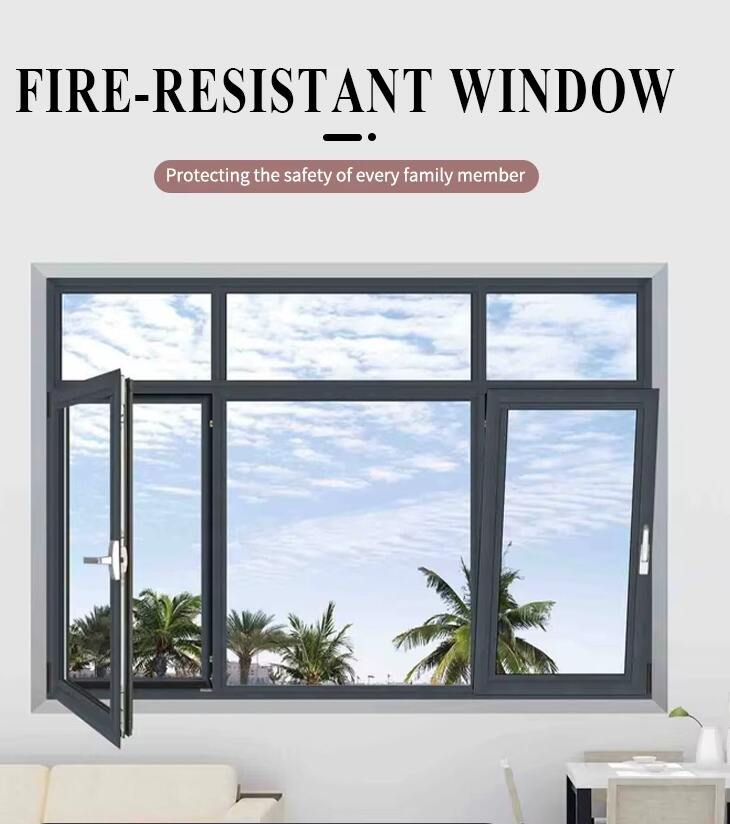
Modern homeowners seeking to enhance their property's functionality and aesthetic appeal increasingly turn to sliding windows as an optimal solution. These versatile window systems offer exceptional space-saving benefits while providing unobstructed views and effortless operation. When considering sliding windows for your home or commercial property, understanding the various options, materials, and installation requirements becomes essential for making an informed purchasing decision that delivers long-term value and performance.
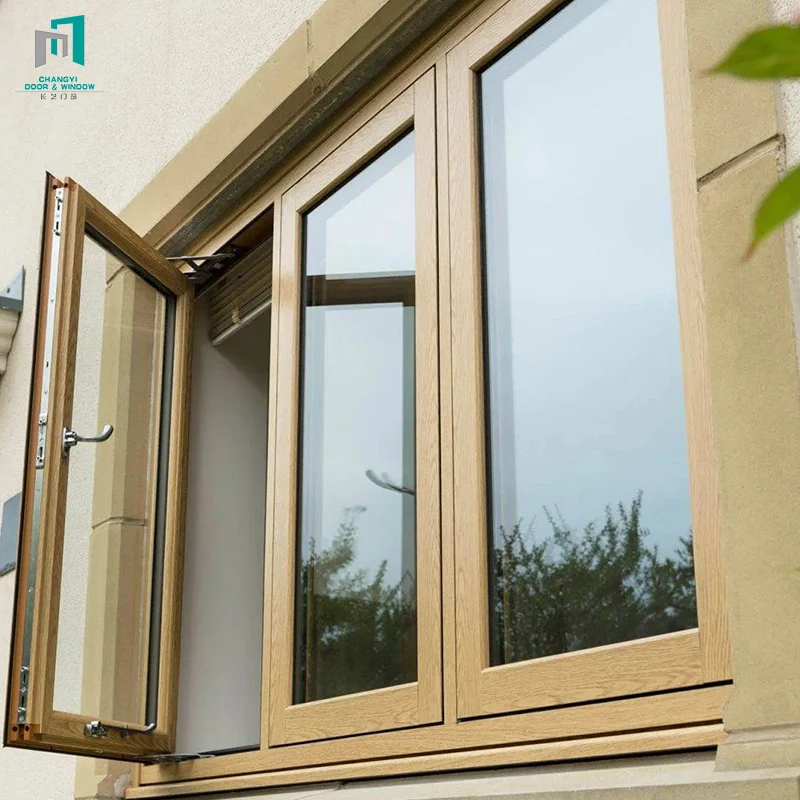
Understanding Sliding Window Systems and Their Benefits
Core Design Principles and Functionality
Sliding windows operate on a horizontal track system that allows one or more sashes to glide smoothly past stationary panels. This fundamental design eliminates the need for exterior clearance space, making sliding windows particularly advantageous for locations where traditional casement or awning windows would obstruct walkways, patios, or landscaping features. The horizontal movement mechanism relies on precision-engineered rollers or ball bearings that ensure smooth operation even with larger glass panels.
The structural integrity of quality sliding windows depends on robust frame construction and weatherproof sealing systems. Advanced manufacturing techniques incorporate thermal breaks within aluminum frames or multi-chambered profiles in UPVC systems to minimize heat transfer and enhance energy efficiency. These design elements work together to create window systems that provide superior insulation while maintaining the sleek, contemporary appearance that makes sliding windows increasingly popular in modern architecture.
Space Optimization and Architectural Integration
One of the primary advantages of sliding windows lies in their ability to maximize usable space both inside and outside the home. Unlike hinged windows that require swing clearance, sliding windows operate within their own frame boundaries, allowing furniture placement directly beneath window openings and enabling landscaping or outdoor features to be positioned close to exterior walls without interference concerns.
The linear profile of sliding windows complements contemporary architectural styles while providing flexibility for both residential and commercial applications. Large glass areas possible with sliding windows create seamless connections between interior and exterior spaces, enhancing natural light penetration and visual continuity that modern design principles emphasize.
Material Options and Performance Characteristics
UPVC Sliding Window Systems
UPVC sliding windows represent an excellent balance of affordability, durability, and thermal performance for most residential applications. The multi-chambered profile construction inherent in quality UPVC systems provides superior insulation properties compared to traditional materials while requiring minimal maintenance throughout their service life. Modern UPVC formulations incorporate UV stabilizers and impact modifiers that ensure color stability and structural integrity even under extreme weather conditions.
The manufacturing process for UPVC sliding windows allows for precise tolerances and consistent quality control, resulting in smooth operation and reliable weathersealing. Advanced welding techniques create seamless corner joints that eliminate potential weak points while reinforcement inserts provide structural strength necessary for larger window configurations. These technical advantages make UPVC sliding windows particularly suitable for energy-efficient construction projects and retrofit applications where improved thermal performance is desired.
Aluminum and Composite Frame Solutions
Aluminum sliding windows offer exceptional strength-to-weight ratios that enable larger glass areas and slimmer frame profiles compared to other materials. Modern aluminum window systems incorporate thermal break technology that interrupts heat conduction through the frame while maintaining the structural advantages of metal construction. Powder coating and anodizing finish options provide virtually unlimited color choices and superior corrosion resistance for long-term aesthetic preservation.
Composite frame materials combine the benefits of different substrates to achieve optimal performance characteristics for specific applications. Wood-clad aluminum systems provide the warmth and natural beauty of timber interiors with the weather resistance and low maintenance requirements of metal exteriors. Fiberglass composite frames offer dimensional stability and thermal performance similar to wood while eliminating concerns about moisture damage, warping, or insect infestation that can affect natural materials.
Energy Efficiency and Glass Technology
Insulated Glazing Systems
Contemporary sliding windows typically feature double or triple-glazed insulated glass units that significantly enhance thermal performance compared to single-pane alternatives. The sealed air or gas-filled spaces between glass panes create effective thermal barriers that reduce heat transfer while minimizing condensation potential on interior surfaces. Low-emissivity coatings applied to glass surfaces further improve energy efficiency by reflecting infrared radiation while allowing visible light transmission.
Advanced glazing options for sliding windows include laminated safety glass for enhanced security and sound reduction, tempered glass for areas requiring safety glazing compliance, and specialized coatings for solar heat gain control in cooling-dominated climates. The selection of appropriate glazing systems should consider local climate conditions, building orientation, and specific performance requirements to optimize comfort and energy costs throughout the window's service life.
Weathersealing and Thermal Bridging Control
Effective weathersealing in sliding windows requires sophisticated sealing systems that accommodate the inherent movement of operable sashes while maintaining airtight and watertight integrity. Quality sliding windows incorporate multiple seal barriers including compression seals at fixed interfaces and wiper seals at sliding contacts to prevent air and water infiltration under varying weather conditions.
Thermal bridging control becomes particularly important in sliding windows due to the continuous track systems required for operation. Advanced designs incorporate thermal breaks within tracks and frame components to minimize heat conduction while maintaining smooth sliding operation. These thermal performance improvements contribute significantly to overall building energy efficiency and occupant comfort, particularly in climates with extreme temperature variations.
Installation Considerations and Structural Requirements
Rough Opening Preparation and Sizing
Proper installation of sliding windows begins with accurate rough opening preparation that accommodates the specific requirements of the chosen window system. Standard industry practices recommend openings that provide adequate clearance for shimming and adjustment while ensuring square and plumb conditions necessary for proper operation. The structural integrity of the rough opening must support the distributed weight of large sliding windows, particularly those featuring extensive glass areas.
Dimensional accuracy becomes critical for sliding windows since operational tolerances are typically tighter than for other window types. Professional measurement and verification of rough opening dimensions should account for settling, thermal expansion, and construction tolerances that might affect long-term performance. Proper flashing and moisture management details integrated during rough opening preparation prevent water infiltration and ensure long-term durability of both the window system and surrounding structure.
Professional Installation and Quality Control
The installation process for sliding windows requires specialized knowledge of track alignment, operational adjustment, and weathersealing techniques that ensure optimal performance. Professional installers understand the importance of maintaining manufacturer-specified clearances and adjustment procedures that enable smooth operation while preserving warranty coverage. Quality installation practices include verification of square and level conditions, proper fastener selection and spacing, and comprehensive testing of operational and weathersealing performance.
Post-installation quality control should include operational testing throughout the full range of motion, verification of locking mechanisms and hardware function, and assessment of weathersealing integrity. Professional installation teams typically provide adjustment services during initial settling periods and can identify potential issues before they affect long-term performance or occupant satisfaction.
Maintenance and Long-Term Performance
Routine Care and Operational Maintenance
Maintaining optimal performance of sliding windows requires regular attention to track cleanliness, lubrication of moving components, and inspection of weathersealing elements. Simple maintenance procedures include removing debris from tracks, cleaning glass surfaces with appropriate products, and periodic lubrication of rollers or sliding mechanisms according to manufacturer recommendations. These routine maintenance activities prevent operational problems and extend the service life of sliding windows significantly.
Seasonal maintenance routines should include inspection and cleaning of drainage systems that prevent water accumulation in tracks and frames. Quality sliding windows incorporate weep holes and drainage channels that require periodic clearing to maintain proper function. Hardware adjustments may be necessary over time to compensate for settling or thermal movement, and professional service can restore optimal operation when self-adjustment capabilities are exceeded.
Replacement and Upgrade Considerations
When existing sliding windows reach the end of their effective service life, replacement options should consider improvements in energy efficiency, security, and operational convenience available in contemporary products. Modern sliding windows offer significant advances in thermal performance, weathersealing technology, and hardware durability compared to systems installed even a decade ago.
Upgrade opportunities during sliding windows replacement may include enhanced security features, improved accessibility hardware, and smart home integration capabilities that add convenience and value. Proper evaluation of existing rough openings and structural conditions ensures that replacement sliding windows can be installed effectively while taking advantage of available performance improvements and aesthetic options.
FAQ
What are the main advantages of sliding windows over other window types
Sliding windows offer several distinct advantages including space-saving operation that doesn't require exterior or interior clearance, ease of operation that makes them accessible for users with limited mobility, and the ability to provide large unobstructed glass areas for maximum views and natural light. Their horizontal operation also makes them ideal for locations where vertical opening windows would be impractical, such as above countertops or in areas with low roof overhangs.
How do I determine the right size and configuration for my sliding windows
Selecting appropriate size and configuration for sliding windows depends on several factors including structural opening dimensions, desired ventilation area, operational preferences, and architectural design requirements. Professional measurement and consultation help ensure proper sizing that accommodates building movement, provides adequate structural support, and meets local building code requirements while achieving optimal performance and aesthetic integration with your home's design.
What maintenance is required to keep sliding windows operating smoothly
Regular maintenance for sliding windows includes cleaning tracks and removing debris that can interfere with operation, lubricating rollers and moving parts according to manufacturer specifications, and inspecting weathersealing for wear or damage. Seasonal cleaning of drainage systems and periodic adjustment of hardware ensures long-term operational reliability while preventing more serious problems that could require professional repair or component replacement.
Can sliding windows provide adequate security for residential applications
Modern sliding windows incorporate multiple security features including multi-point locking systems, reinforced frames and sashes, and optional security glazing that provide excellent protection against forced entry attempts. Additional security enhancements such as auxiliary locks, security bars, or alarm integration can further improve protection levels to meet specific security requirements while maintaining the operational convenience and aesthetic appeal of sliding windows.