 EN
EN
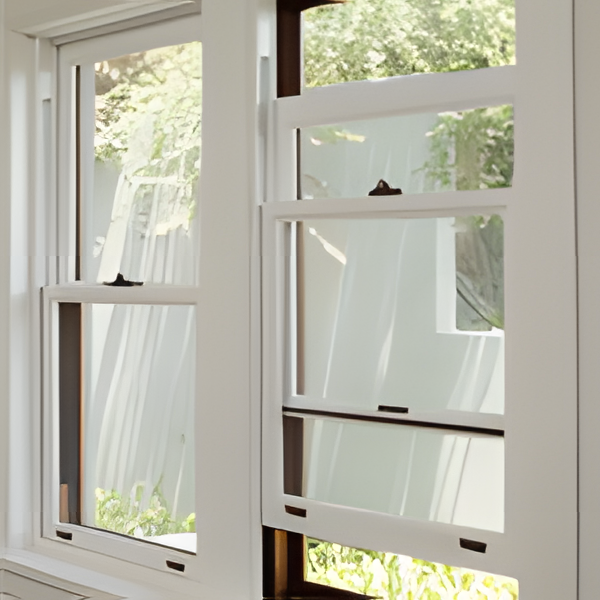
When homeowners and contractors encounter sliding windows for sale, making the right choice requires careful consideration of multiple factors. These versatile window systems have become increasingly popular due to their space-saving design and modern aesthetic appeal. Understanding what questions to ask before purchasing can mean the difference between a successful installation and costly mistakes down the line.
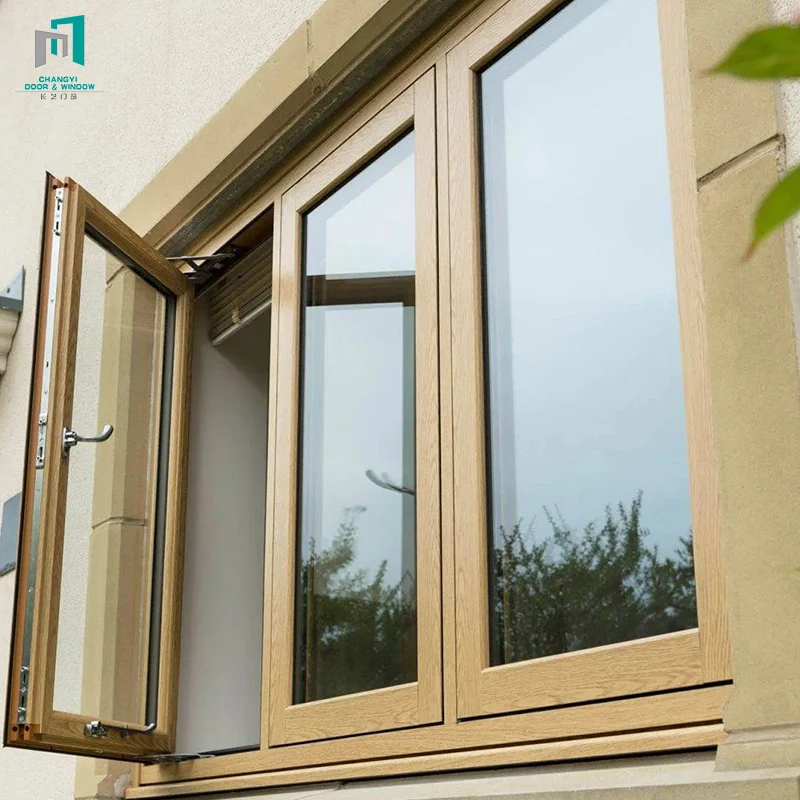
The sliding window market offers numerous options, from basic aluminum frames to high-performance UPVC systems with advanced weatherproofing. Each type of sliding windows for sale comes with distinct advantages and limitations that directly impact performance, energy efficiency, and long-term durability. Professional buyers know that asking the right questions upfront prevents future headaches and ensures optimal value for their investment.
Understanding Frame Materials and Construction Quality
UPVC versus Aluminum Frame Options
The frame material represents one of the most critical decisions when evaluating sliding windows for sale. UPVC frames offer superior thermal insulation properties compared to traditional aluminum, making them ideal for energy-conscious applications. These frames resist corrosion, require minimal maintenance, and provide excellent weatherproofing capabilities that extend the window's operational lifespan significantly.
Aluminum frames, while offering structural strength and sleek profiles, conduct heat more readily than UPVC alternatives. However, modern aluminum sliding windows for sale often incorporate thermal breaks and advanced coatings to improve energy performance. The choice between materials depends on specific climate conditions, architectural requirements, and budget considerations that vary by project.
Multi-Chamber Profile Design Benefits
Advanced sliding windows for sale feature multi-chamber profile designs that enhance both thermal performance and structural integrity. These chambers create multiple air pockets within the frame, reducing heat transfer and improving overall energy efficiency. Professional-grade systems typically incorporate three to five chambers, with each additional chamber contributing to better insulation values.
The internal reinforcement system within these chambers also affects the window's ability to withstand wind loads and operational stresses. High-quality sliding windows for sale include steel or aluminum reinforcement strategically placed within the chambers to maintain structural stability while preserving thermal performance characteristics.
Glass Specifications and Energy Performance
Double versus Triple Glazing Options
Glass selection significantly impacts the performance characteristics of sliding windows for sale, with double and triple glazing options offering different advantages. Double-glazed units provide excellent thermal insulation for most climatic conditions while maintaining reasonable weight and cost parameters. The air or gas-filled space between panes creates an effective thermal barrier that reduces energy transfer.
Triple-glazed sliding windows for sale deliver superior energy performance but require stronger frame systems to support the additional weight. These systems excel in extreme climate conditions where maximum thermal protection justifies the increased investment. The middle pane in triple-glazed units often features special coatings that further enhance thermal and acoustic performance.
Low-E Coatings and Gas Fills
Modern sliding windows for sale frequently incorporate low-emissivity coatings that reflect infrared radiation while allowing visible light transmission. These microscopic metallic coatings can be applied to different glass surfaces depending on the desired performance characteristics. Hard coat low-E provides durability and cost-effectiveness, while soft coat options deliver superior thermal performance.
Argon and krypton gas fills between glass panes further enhance the thermal performance of sliding windows for sale. These inert gases are denser than air, reducing convective heat transfer within the sealed unit. Krypton gas provides better insulation properties than argon but increases manufacturing costs, making it more common in premium window systems.
Hardware Systems and Operational Mechanisms
Track Design and Load Capacity
The track system represents the foundation of reliable operation in sliding windows for sale, requiring robust design to handle repeated use over decades. High-quality tracks incorporate precision-engineered channels with smooth surfaces that minimize friction and wear. Stainless steel or aluminum track materials resist corrosion while providing the strength necessary for large glass panels.
Load capacity specifications determine the maximum glass size and weight that sliding windows for sale can accommodate safely. Commercial-grade systems often support panels weighing several hundred pounds, while residential applications typically require lower capacity ratings. Understanding these limitations prevents structural problems and ensures smooth long-term operation.
Roller and Bearing Quality
The roller and bearing system directly affects the ease of operation and longevity of sliding windows for sale. Premium systems utilize sealed ball bearings or roller bearings designed for thousands of operating cycles without significant wear. These components must resist moisture infiltration and temperature variations while maintaining smooth operation characteristics.
Adjustment mechanisms allow for fine-tuning of roller positions to compensate for building settlement or thermal expansion. Quality sliding windows for sale include accessible adjustment points that enable professional servicing without complete disassembly. This feature proves particularly valuable in commercial applications where maintenance accessibility affects long-term operating costs.
Weatherproofing and Seal Systems
Multi-Point Weatherstrip Configuration
Effective weatherproofing distinguishes professional-grade sliding windows for sale from basic residential models. Multi-point weatherstrip systems create overlapping seal zones that prevent air and water infiltration even under severe weather conditions. EPDM rubber weatherstripping provides excellent durability and maintains flexibility across wide temperature ranges.
The weatherstrip configuration must accommodate the sliding motion while maintaining continuous contact between moving and fixed components. Premium sliding windows for sale incorporate compression seals and brush seals strategically positioned to eliminate potential leakage paths. These systems often include drainage channels to redirect any moisture that penetrates the outer seal barrier.
Water Management and Drainage
Proper water management prevents moisture-related problems that can compromise the performance of sliding windows for sale. Integrated drainage systems include weep holes, drainage channels, and slope configurations that direct water away from critical components. These features must function effectively regardless of wind direction or installation orientation.
Sill design plays a crucial role in water management, with proper slopes and barriers preventing moisture accumulation. Quality sliding windows for sale incorporate stepped sill profiles that create multiple drainage zones while maintaining structural integrity. The sill must also accommodate thermal expansion without creating gaps that compromise weatherproofing effectiveness.
Installation Requirements and Compatibility
Rough Opening Specifications
Accurate rough opening dimensions ensure proper fit and performance of sliding windows for sale during installation. Manufacturers provide specific tolerance requirements that account for shimming, insulation, and weatherproofing materials. Deviation from these specifications can create alignment problems that affect both operation and weatherproofing performance.
Structural requirements vary depending on the size and weight of sliding windows for sale being installed. Large units may require additional structural support or reinforcement of existing framing members. Understanding these requirements during the planning phase prevents costly modifications during installation and ensures compliance with building codes.
Flashing and Integration Details
Proper flashing integration protects the building envelope when installing sliding windows for sale in various wall systems. Different wall constructions require specific flashing approaches, from traditional building paper systems to modern rainscreen assemblies. The window manufacturer should provide detailed integration guidelines for common wall types.
Integration with air barrier and vapor barrier systems requires careful attention to continuity and compatibility. Premium sliding windows for sale include flanges or attachment points designed to integrate with specific barrier systems without creating thermal bridges or air leakage paths.
Performance Ratings and Certifications
Energy Star and NFRC Ratings
Energy performance ratings provide objective comparisons between different sliding windows for sale options. NFRC ratings include U-factor, Solar Heat Gain Coefficient, Visible Transmittance, and Air Leakage measurements that directly impact energy costs and comfort. Energy Star certification indicates compliance with regional energy efficiency requirements.
Understanding these ratings helps buyers select sliding windows for sale that meet specific performance goals and building code requirements. Climate zone considerations affect the importance of different rating categories, with heating-dominated regions prioritizing low U-factors while cooling-dominated areas focus on solar heat gain control.
Structural and Wind Load Ratings
Structural performance ratings ensure that sliding windows for sale can withstand local wind and weather conditions safely. Design Pressure ratings indicate the maximum wind loads the window can resist without failure or excessive deflection. These ratings must exceed local building code requirements for the specific installation location.
Water penetration resistance ratings demonstrate the window's ability to prevent water infiltration under combined wind and rain conditions. Quality sliding windows for sale achieve high water penetration resistance through proper design and manufacturing precision rather than relying solely on sealant applications.
Warranty Coverage and Support
Component-Specific Warranty Terms
Comprehensive warranty coverage protects the investment in sliding windows for sale while indicating manufacturer confidence in product quality. Different components typically carry different warranty periods, with glass units, hardware, and weatherstripping having distinct coverage terms. Understanding these distinctions helps assess long-term value and maintenance requirements.
Labor warranty coverage varies significantly between manufacturers and affects total cost of ownership for sliding windows for sale. Some manufacturers include installation labor coverage, while others limit warranty protection to material replacement only. Professional installation by certified contractors often extends or enhances warranty protection.
Technical Support and Service Network
Access to technical support and service networks affects the long-term viability of sliding windows for sale, particularly in commercial applications. Manufacturers with established service networks can provide faster response times for warranty claims and maintenance requirements. This support becomes critical for large projects or specialized applications.
Replacement parts availability ensures that sliding windows for sale can be maintained throughout their expected lifespan. Manufacturers should maintain parts inventory for discontinued models and provide clear identification systems for ordering specific components. This support infrastructure significantly affects total cost of ownership over the window's operational life.
FAQ
What is the typical lifespan of sliding windows for sale?
High-quality sliding windows for sale typically last 20 to 30 years with proper maintenance, though premium UPVC systems can exceed this timeframe. The actual lifespan depends on material quality, installation precision, local climate conditions, and maintenance frequency. Regular cleaning of tracks and lubrication of hardware components extends operational life significantly.
How do I determine the correct size for sliding windows for sale?
Proper sizing requires accurate measurement of rough opening dimensions and consideration of structural requirements for larger units. Professional measurement ensures compliance with manufacturer specifications and building codes. Sliding windows for sale are available in standard sizes, but custom sizing options accommodate specific architectural requirements and existing opening dimensions.
What maintenance is required for sliding windows for sale after installation?
Regular maintenance includes cleaning tracks of debris, lubricating rollers and hardware, and inspecting weatherstripping for wear or damage. Most sliding windows for sale require minimal maintenance beyond routine cleaning, but periodic adjustment of hardware may be necessary to maintain smooth operation. Professional service every few years ensures optimal performance and identifies potential issues early.
Can sliding windows for sale be used in high-rise applications?
Commercial-grade sliding windows for sale are engineered for high-rise applications with enhanced wind load ratings and structural performance capabilities. These systems incorporate reinforced frames, specialized hardware, and enhanced weatherproofing to withstand extreme conditions. Building codes often require specific performance certifications for high-rise installations that exceed residential requirements.