 EN
EN

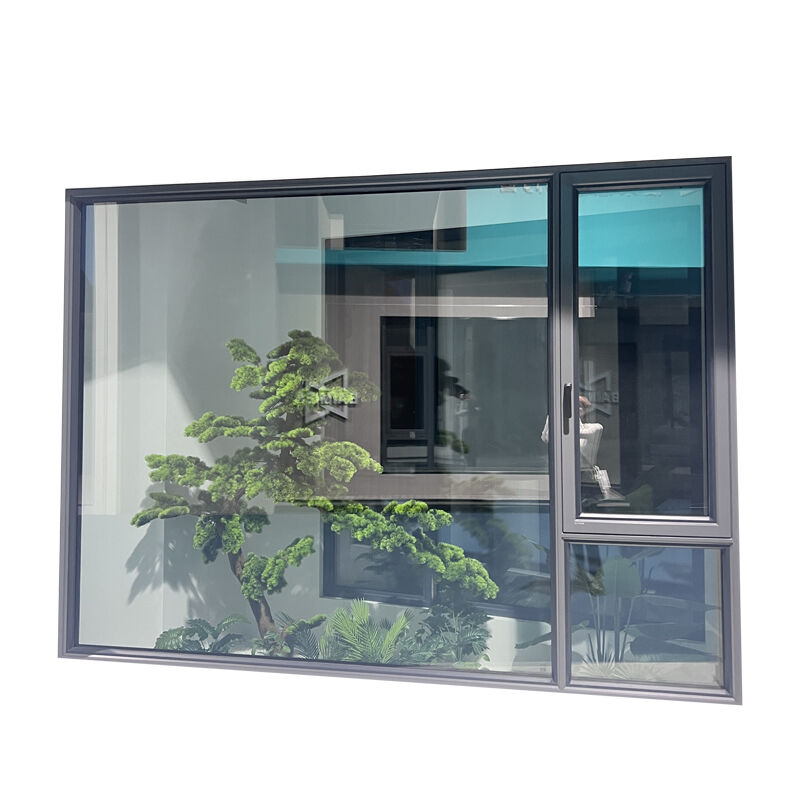
Modern architectural design increasingly demands versatile fenestration solutions that combine functionality with aesthetic appeal. A sliding openable window represents the perfect fusion of traditional sliding mechanisms with contemporary ventilation requirements. These innovative window systems offer homeowners and commercial property developers an efficient way to maximize natural light while maintaining superior air circulation control. The versatility of sliding openable window designs makes them suitable for various building types, from residential apartments to large commercial complexes.
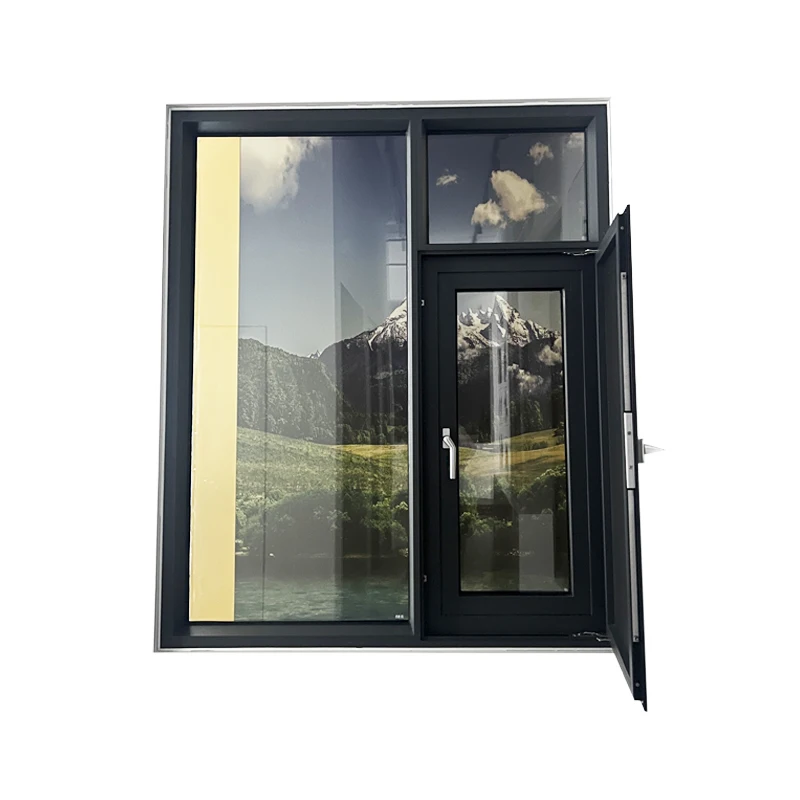
The engineering behind sliding openable window systems incorporates advanced materials and precision manufacturing techniques to deliver exceptional performance. Unlike traditional fixed windows or basic sliding panels, these hybrid systems feature multiple operating modes that adapt to different weather conditions and ventilation needs. Property owners appreciate the flexibility of adjusting opening angles and ventilation patterns without compromising security or energy efficiency. The sliding openable window technology represents a significant advancement in fenestration engineering.
Design Principles and Structural Components
Frame Construction and Material Selection
The foundation of any high-quality sliding openable window lies in its frame construction methodology. Premium aluminum alloy frames provide exceptional structural integrity while maintaining lightweight characteristics essential for smooth operation. The thermal break technology integrated into modern sliding openable window frames significantly reduces heat transfer, contributing to improved energy performance. Advanced powder coating processes ensure long-lasting finish protection against environmental elements.
Material selection plays a crucial role in determining the overall performance and longevity of sliding openable window systems. High-grade aluminum profiles undergo rigorous testing to meet international standards for strength, durability, and weather resistance. The precision engineering of frame components ensures perfect alignment and smooth sliding operation throughout the window's operational lifetime. Quality control measures during manufacturing guarantee consistent performance across all sliding openable window installations.
Hardware Integration and Operating Mechanisms
Sophisticated hardware systems form the backbone of reliable sliding openable window operation. Premium roller assemblies utilize sealed ball bearings to ensure smooth gliding motion even under heavy usage conditions. The locking mechanisms incorporate multi-point security features that provide enhanced protection while maintaining easy operation. Weatherstripping integration creates effective seals that prevent air and water infiltration around the sliding openable window perimeter.
Advanced operating mechanisms allow users to control ventilation precisely through various opening configurations. The sliding openable window design accommodates partial opening positions that provide controlled airflow while maintaining security and weather protection. Spring-loaded balancing systems ensure effortless operation regardless of the window size or glass weight. Regular maintenance of these hardware components extends the operational life of the entire sliding openable window system.
Ventilation Performance and Air Quality Benefits
Natural Airflow Optimization
The primary advantage of sliding openable window systems lies in their superior ventilation capabilities compared to fixed glazing solutions. The horizontal sliding motion creates variable opening widths that allow precise control over airflow volume and direction. Cross-ventilation becomes highly effective when sliding openable window units are strategically positioned on opposite building faces. The ability to create controlled air currents helps maintain comfortable indoor environments while reducing reliance on mechanical ventilation systems.
Aerodynamic considerations in sliding openable window design maximize natural ventilation efficiency through optimized opening geometries. The smooth transitions between fixed and operable sections minimize air turbulence that can reduce ventilation effectiveness. Strategic placement of multiple sliding openable window units creates stack effect ventilation that naturally draws stale air upward and outward. This natural ventilation approach significantly reduces energy consumption associated with mechanical HVAC systems.
Indoor Air Quality Enhancement
Effective ventilation through sliding openable window systems directly impacts indoor air quality by facilitating the removal of pollutants, odors, and excess humidity. The controlled opening capabilities allow users to maintain continuous air exchange while preventing excessive heat loss during cooler periods. Fresh air intake through properly designed sliding openable window installations helps dilute indoor contaminants and maintain healthy oxygen levels. The flexibility of partial opening positions enables year-round ventilation management.
Health benefits associated with improved air circulation through sliding openable window systems include reduced allergen concentrations and better humidity control. The ability to quickly increase ventilation rates during cooking or other activities that generate indoor pollutants helps maintain a healthier living environment. Natural ventilation through sliding openable window openings provides psychological benefits by creating connections to outdoor environments. Regular air exchange prevents the buildup of volatile organic compounds commonly found in indoor spaces.
Energy Efficiency and Thermal Performance
Insulation Properties and Heat Transfer Control
Modern sliding openable window systems incorporate advanced thermal management technologies that significantly improve building energy efficiency. Double or triple glazing configurations provide excellent insulation properties while maintaining the functionality of operable sections. Low-emissivity coatings on glass surfaces reflect infrared radiation, reducing heat transfer through the sliding openable window assembly. Thermal break technology in frame construction minimizes conductive heat loss through metal components.
The thermal performance of sliding openable window installations directly impacts heating and cooling costs throughout the building's operational life. Proper weathersealing around operable sections prevents air leakage that can compromise thermal efficiency. Advanced gasket systems maintain consistent sealing pressure across the entire sliding openable window perimeter. The combination of high-performance glazing and precision frame construction delivers thermal performance comparable to fixed window installations.
Solar Heat Gain Management
Strategic use of sliding openable window systems enables effective management of solar heat gain throughout different seasons. The ability to control opening positions allows occupants to maximize beneficial solar heating during winter months while minimizing unwanted heat gain during summer periods. Selective glazing options provide additional control over solar energy transmission without compromising natural light availability. The flexibility of sliding openable window operation supports passive solar design strategies.
Advanced glazing technologies available for sliding openable window applications include spectrally selective coatings that transmit visible light while blocking infrared radiation. The thermal mass effect of properly positioned windows can store and release solar energy to moderate indoor temperature fluctuations. Integration with external shading devices enhances the thermal management capabilities of sliding openable window installations. These combined strategies significantly reduce mechanical heating and cooling requirements.
Installation Considerations and Best Practices
Structural Requirements and Load Distribution
Proper installation of sliding openable window systems requires careful consideration of structural loads and building integration requirements. The weight distribution of large sliding panels must be adequately supported by appropriate structural framing. Foundation preparations include ensuring level sills and proper drainage to prevent water accumulation around the sliding openable window installation. Structural engineers should verify load paths and connection details for large or complex window configurations.
Building envelope integration of sliding openable window systems requires coordination with insulation, air barriers, and moisture management systems. Proper flashing installation prevents water infiltration that can damage surrounding building materials. The structural opening must accommodate thermal expansion and contraction of the sliding openable window frame materials. Continuous air and vapor barrier details around the window perimeter maintain building envelope performance.
Weatherproofing and Moisture Management
Effective weatherproofing of sliding openable window installations requires attention to multiple sealing interfaces and drainage pathways. Primary sealing systems prevent direct water penetration while secondary drainage systems manage any moisture that bypasses primary seals. The sliding track design must incorporate drainage channels that direct water away from interior spaces. Proper slope and drainage details prevent standing water that can lead to seal deterioration.
Long-term moisture management around sliding openable window installations involves regular inspection and maintenance of sealing systems. Expansion joint sealants require periodic replacement to maintain their effectiveness against water infiltration. Drainage weep holes must remain clear of debris to function properly during heavy rainfall events. The integration of moisture barriers with adjacent wall systems prevents water migration that can cause hidden damage to building structures.
Maintenance Requirements and Operational Longevity
Routine Cleaning and Hardware Maintenance
Maintaining optimal performance of sliding openable window systems requires regular cleaning and lubrication of moving components. The sliding tracks accumulate dirt and debris that can impair smooth operation if not regularly removed. Hardware components benefit from periodic lubrication with appropriate marine-grade lubricants that resist moisture and temperature extremes. Glass cleaning should use non-abrasive materials to preserve low-emissivity coatings and other specialized glass treatments.
Professional maintenance services can extend the operational life of sliding openable window installations through systematic inspection and adjustment procedures. Roller assemblies may require periodic replacement depending on usage frequency and environmental conditions. Lock mechanisms should be tested regularly to ensure continued security and proper engagement. Weather stripping replacement becomes necessary as materials age and lose their sealing effectiveness over time.
Performance Monitoring and Troubleshooting
Regular performance monitoring of sliding openable window systems helps identify potential issues before they become major problems. Operational difficulties such as increased effort required for opening or closing may indicate hardware wear or track alignment problems. Air leakage detection around closed sliding openable window units can reveal deteriorating seals that require attention. Temperature variations near window installations may signal thermal bridge issues or insulation gaps.
Common troubleshooting procedures for sliding openable window systems include track cleaning, hardware adjustment, and seal inspection. Alignment issues may require professional adjustment to restore proper operation and sealing performance. Water infiltration problems typically involve multiple potential causes that require systematic investigation and repair. Documentation of maintenance activities helps establish patterns that can guide preventive maintenance scheduling for sliding openable window installations.
FAQ
What are the main advantages of sliding openable windows compared to traditional window types
Sliding openable windows offer superior ventilation control compared to fixed windows while requiring less operating space than casement windows. The horizontal sliding operation makes them ideal for locations where exterior clearance is limited, such as near walkways or landscaping. These windows provide excellent security when closed while offering precise ventilation control through variable opening positions. The smooth operation and minimal maintenance requirements make sliding openable windows particularly suitable for high-rise applications where exterior access is challenging.
How do sliding openable windows perform in terms of energy efficiency
Modern sliding openable window systems achieve excellent energy efficiency through advanced glazing technologies and thermal break frame construction. The multiple sealing interfaces when closed provide effective air and water barriers that prevent energy loss. Double or triple glazing options with low-emissivity coatings significantly reduce heat transfer while maintaining natural light transmission. Proper installation and maintenance ensure that sliding openable windows can meet or exceed energy code requirements in most climate zones.
What maintenance is required to keep sliding openable windows functioning properly
Regular maintenance of sliding openable windows includes cleaning the tracks to remove debris that can impair smooth operation. Hardware components should be lubricated annually with marine-grade lubricants to prevent corrosion and ensure smooth movement. Weather stripping should be inspected regularly and replaced when signs of wear or damage become apparent. Professional inspection every few years can identify potential issues before they compromise window performance or security.
Are sliding openable windows suitable for all climate conditions
Sliding openable windows can be designed to perform effectively in various climate conditions through appropriate material selection and construction methods. Cold climate installations benefit from thermal break technology and high-performance glazing to prevent condensation and heat loss. Hot climate applications may incorporate solar control glazing and enhanced ventilation capabilities to manage heat gain. Coastal environments require corrosion-resistant materials and enhanced sealing systems to withstand salt air exposure and severe weather conditions.
Table of Contents
- Design Principles and Structural Components
- Ventilation Performance and Air Quality Benefits
- Energy Efficiency and Thermal Performance
- Installation Considerations and Best Practices
- Maintenance Requirements and Operational Longevity
-
FAQ
- What are the main advantages of sliding openable windows compared to traditional window types
- How do sliding openable windows perform in terms of energy efficiency
- What maintenance is required to keep sliding openable windows functioning properly
- Are sliding openable windows suitable for all climate conditions