 EN
EN

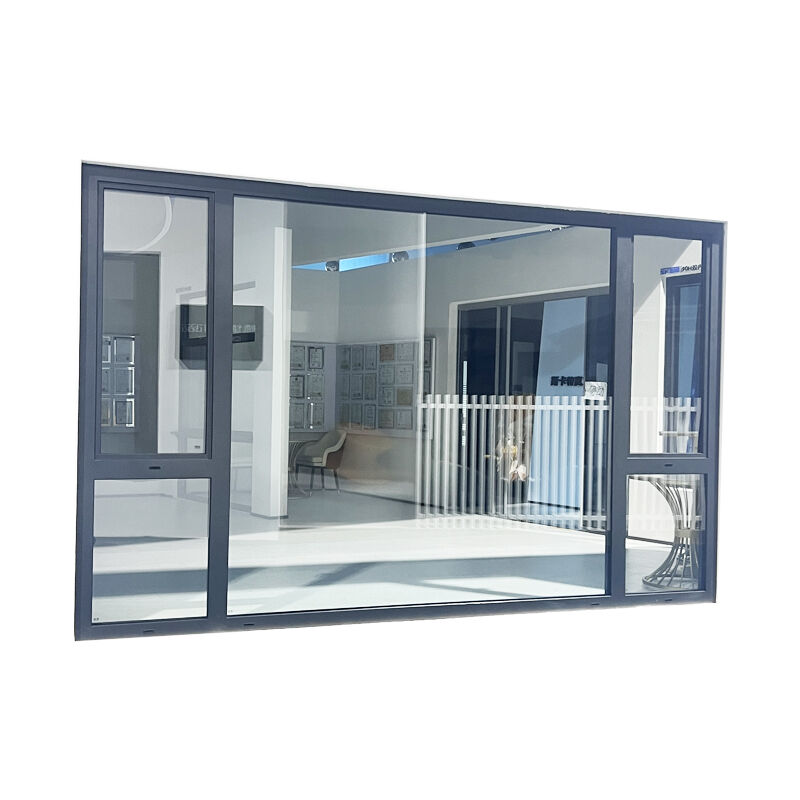
The architectural landscape has witnessed a remarkable transformation with the introduction of contemporary aluminum sliding windows that combine aesthetic appeal with superior functionality. These innovative fenestration solutions have redefined how we perceive window systems in both residential and commercial applications. Modern aluminum sliding windows offer an unprecedented blend of sleek design profiles and enhanced performance characteristics that address the evolving needs of today's construction industry. The lightweight yet durable nature of aluminum makes these windows particularly attractive for projects requiring both structural integrity and visual sophistication. As building codes become increasingly stringent and energy efficiency standards continue to rise, aluminum sliding windows have emerged as a preferred choice for architects and builders seeking reliable, high-performance solutions.
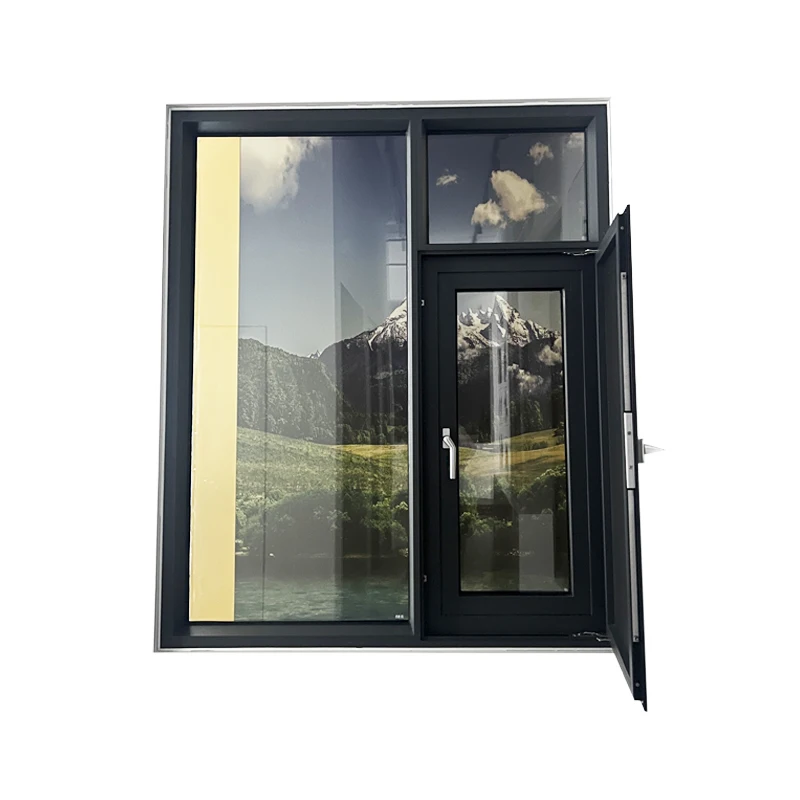
Design Innovation and Profile Engineering
Advanced Frame Construction Technologies
Contemporary aluminum sliding windows showcase remarkable engineering advancements through their sophisticated frame construction methodologies. The precision-engineered profiles incorporate multi-chamber designs that enhance thermal performance while maintaining the characteristic slim sightlines that define modern architecture. These advanced frame systems utilize extruded aluminum alloys specifically formulated for optimal strength-to-weight ratios, ensuring long-term structural stability without compromising on aesthetic appeal. The innovative profile designs feature integrated drainage systems and weatherstripping channels that provide superior protection against water infiltration and air leakage.
Manufacturing processes for aluminum sliding windows have evolved to incorporate computer-controlled precision cutting and automated assembly techniques. These technological improvements result in consistently tight tolerances and superior fit-and-finish quality across entire product lines. The frame profiles are engineered with thermal breaks and insulation chambers that significantly improve energy performance compared to traditional aluminum window systems. Advanced surface treatments and powder coating technologies ensure exceptional durability and color retention, making these windows suitable for diverse architectural applications and challenging environmental conditions.
Aesthetic Versatility and Customization Options
Modern aluminum sliding windows offer extensive customization possibilities that allow architects and designers to achieve specific aesthetic visions while maintaining functional excellence. The inherent malleability of aluminum enables the creation of complex profile shapes and configurations that would be difficult or impossible to achieve with other frame materials. Color options range from classic anodized finishes to custom powder-coated surfaces that can match virtually any architectural color palette. These finishing options maintain their appearance integrity over extended periods, resisting fading, chalking, and weathering effects.
Design flexibility extends to hardware selection and operational configurations, with aluminum sliding windows accommodating various sliding mechanisms and locking systems. Contemporary hardware finishes complement the frame aesthetics while providing smooth, reliable operation throughout the product lifecycle. The slim profile designs maximize glazed areas while minimizing frame visibility, creating expansive views and enhanced natural light transmission. This design philosophy aligns with current architectural trends emphasizing transparency, connection to outdoor spaces, and minimalist aesthetic approaches.
Performance Characteristics and Technical Specifications
Thermal Efficiency and Energy Performance
The thermal performance of aluminum sliding windows has improved dramatically through the incorporation of advanced thermal break technologies and multi-chamber frame designs. These engineering improvements address the historical thermal conductivity challenges associated with aluminum frames, resulting in systems that meet or exceed current energy code requirements. Thermal break systems create effective barriers between interior and exterior aluminum components, reducing heat transfer and improving overall window thermal resistance values. The integration of high-performance glazing systems further enhances energy efficiency characteristics.
Testing protocols for aluminum sliding windows include comprehensive thermal cycling evaluations that simulate real-world temperature variations and their effects on frame performance. These rigorous testing procedures ensure consistent performance across diverse climate conditions and geographic locations. Advanced computational modeling techniques enable engineers to optimize frame geometry and thermal break placement for maximum energy efficiency without compromising structural integrity or operational functionality.
Structural Integrity and Wind Load Resistance
Aluminum sliding windows demonstrate exceptional structural performance characteristics due to aluminum's inherent strength properties and the engineering sophistication of contemporary frame designs. The material's high strength-to-weight ratio enables the creation of large window openings without requiring excessive frame depth or reinforcement elements. Structural testing protocols evaluate wind load resistance, seismic performance, and long-term deflection characteristics under various loading conditions. These comprehensive evaluations ensure reliable performance in demanding applications and challenging environmental conditions.
Engineering calculations for aluminum sliding windows incorporate safety factors that exceed minimum code requirements, providing additional performance margins for unexpected loading conditions. The corrosion resistance properties of aluminum alloys contribute to long-term structural reliability, particularly in coastal environments or areas with aggressive atmospheric conditions. Quality control procedures throughout the manufacturing process ensure consistent structural performance across production runs, minimizing field performance variations and installation complications.
Installation Methodologies and Best Practices
Preparation and Site Considerations
Successful installation of aluminum sliding windows begins with thorough site preparation and accurate dimensional verification of rough openings. The precision manufacturing tolerances of contemporary aluminum sliding windows require correspondingly accurate rough opening preparation to ensure proper fit and optimal performance. Installation teams must verify structural adequacy of supporting elements and ensure proper flashing and waterproofing details are in place before window installation begins. Site conditions assessment includes evaluation of exposure factors, wind zones, and seismic design requirements that may influence installation methodology.
Pre-installation planning for aluminum sliding windows involves coordination with other building systems including structural framing, insulation, and exterior cladding systems. The lightweight characteristics of aluminum frames facilitate handling and installation processes while reducing structural loading requirements compared to heavier frame materials. Installation scheduling considerations account for weather conditions and cure times for sealants and weatherproofing materials that ensure long-term performance integrity.
Integration with Building Envelope Systems
Proper integration of aluminum sliding windows within building envelope systems requires careful attention to continuity of air barriers, vapor barriers, and thermal insulation layers. The window installation details must maintain envelope performance integrity while accommodating thermal movement and structural deflections. Advanced installation techniques utilize structural glazing methods and pressure-equalized drainage systems that enhance weather resistance and long-term durability. These sophisticated installation approaches require specialized training and certification for installation personnel.
Quality assurance procedures for aluminum sliding windows installation include comprehensive testing of operational functionality, weather seal integrity, and structural attachment adequacy. Post-installation performance verification ensures systems meet specified performance criteria and identifies any deficiencies requiring correction. Documentation of installation procedures and performance testing results provides valuable reference information for maintenance planning and warranty administration. Regular inspection schedules help maintain optimal performance throughout the service life of aluminum sliding windows.
Maintenance Requirements and Longevity
Routine Maintenance Protocols
Aluminum sliding windows require minimal maintenance due to the inherent durability and corrosion resistance of aluminum materials and advanced surface finishing technologies. Routine maintenance protocols focus primarily on cleaning glazing surfaces, lubricating sliding mechanisms, and inspecting weathersealing components for signs of wear or damage. The frequency of maintenance activities depends on environmental exposure conditions, with coastal or industrial environments requiring more frequent attention than typical residential applications.
Cleaning procedures for aluminum sliding windows utilize standard glass cleaning solutions and soft cloths or squeegees to maintain glazing clarity without damaging surface treatments. Frame surfaces require periodic cleaning with mild detergent solutions and soft brushes to remove accumulated dirt and atmospheric deposits. Hardware components benefit from occasional lubrication with appropriate lubricants that maintain smooth operation while resisting dirt and moisture accumulation. These simple maintenance procedures significantly extend the functional life and appearance quality of aluminum sliding windows.
Long-term Performance Considerations
The expected service life of aluminum sliding windows typically exceeds 30 years under normal operating conditions, with many installations continuing to provide satisfactory performance well beyond this timeframe. Long-term performance characteristics include dimensional stability, operational functionality, and appearance retention that contribute to sustained building value and occupant satisfaction. The recyclability of aluminum materials supports sustainable building practices and provides end-of-life value recovery opportunities.
Performance monitoring for aluminum sliding windows involves periodic assessment of operational functionality, weather seal effectiveness, and overall condition evaluation. Early identification of maintenance needs helps prevent minor issues from developing into major problems requiring extensive repairs or premature replacement. Warranty programs for aluminum sliding windows typically provide comprehensive coverage for materials and manufacturing defects while establishing clear guidelines for proper maintenance and operation procedures.
FAQ
What are the main advantages of aluminum sliding windows over other frame materials
Aluminum sliding windows offer several distinct advantages including superior strength-to-weight ratios, exceptional dimensional stability, and outstanding corrosion resistance. The material's inherent properties enable the creation of large window openings with minimal frame depth while maintaining structural integrity. Additionally, aluminum frames require minimal maintenance, provide excellent longevity, and offer extensive customization options for diverse architectural applications. The thermal performance of modern aluminum sliding windows has improved significantly through advanced thermal break technologies.
How do thermal breaks improve the energy efficiency of aluminum sliding windows
Thermal breaks in aluminum sliding windows create effective barriers between interior and exterior aluminum components, significantly reducing heat transfer through the frame assembly. These engineered elements are typically made from low-conductivity materials such as polyurethane or polyamide that interrupt the thermal path while maintaining structural continuity. The result is dramatically improved thermal resistance values that help aluminum sliding windows meet stringent energy code requirements and contribute to overall building energy efficiency.
What maintenance is required to keep aluminum sliding windows operating properly
Aluminum sliding windows require minimal maintenance consisting primarily of regular cleaning of glazing and frame surfaces, periodic lubrication of sliding mechanisms, and inspection of weathersealing components. Cleaning should be performed using mild detergent solutions and soft cloths to avoid damaging surface finishes. Hardware lubrication with appropriate products ensures smooth operation while weatherseal inspection helps identify components requiring replacement to maintain optimal performance.
Can aluminum sliding windows be customized for specific architectural requirements
Modern aluminum sliding windows offer extensive customization possibilities including custom sizes, configurations, colors, and hardware options. The malleability of aluminum enables complex profile shapes and specialized glazing configurations that accommodate unique architectural visions. Surface finishing options range from anodized treatments to powder-coated surfaces in virtually unlimited color selections. These customization capabilities make aluminum sliding windows suitable for diverse applications from residential homes to commercial and institutional buildings.
Table of Contents
- Design Innovation and Profile Engineering
- Performance Characteristics and Technical Specifications
- Installation Methodologies and Best Practices
- Maintenance Requirements and Longevity
-
FAQ
- What are the main advantages of aluminum sliding windows over other frame materials
- How do thermal breaks improve the energy efficiency of aluminum sliding windows
- What maintenance is required to keep aluminum sliding windows operating properly
- Can aluminum sliding windows be customized for specific architectural requirements