 EN
EN

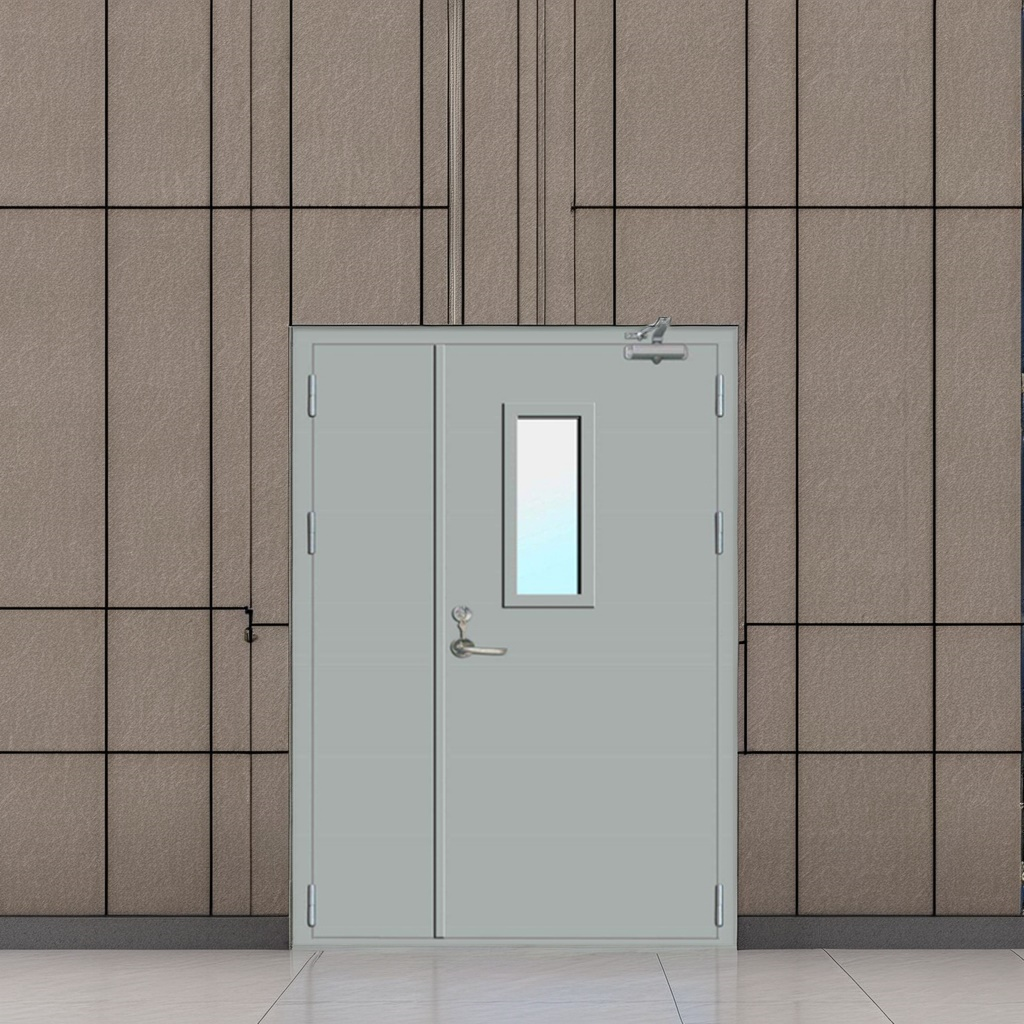
Selecting the right materials and finishes for your entrance wooden door represents one of the most important decisions for both residential and commercial properties. The entrance wooden door serves as the first impression visitors receive while providing essential security, insulation, and durability for decades of reliable service. Modern homeowners and architects increasingly recognize that the entrance wooden door must balance aesthetic appeal with functional performance, considering factors such as climate resistance, maintenance requirements, and architectural compatibility.
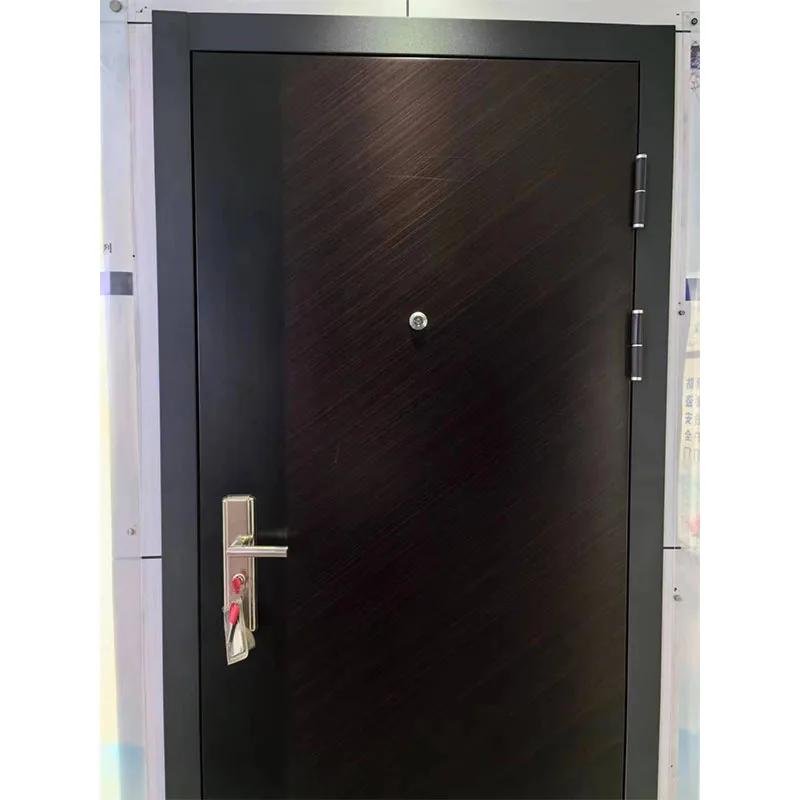
Contemporary entrance wooden door designs incorporate advanced manufacturing techniques and premium materials that enhance both longevity and visual impact. Property owners must evaluate multiple factors when choosing their entrance wooden door, including wood species selection, protective coatings, hardware quality, and integration with existing architectural elements. Understanding these considerations ensures your entrance wooden door investment delivers optimal performance throughout its service life.
Wood Species Selection for Superior Performance
Hardwood Options for Maximum Durability
Premium hardwood species form the foundation of exceptional entrance wooden door construction, offering superior strength and natural resistance to environmental challenges. Oak remains the most popular choice for entrance wooden door applications due to its dense grain structure, excellent dimensional stability, and proven track record in demanding conditions. The natural tannins in oak provide inherent resistance to moisture and insects, making it ideal for entrance wooden door installations in various climates.
Mahogany represents another excellent hardwood option for entrance wooden door construction, prized for its rich color variations and exceptional workability. This species offers outstanding stability and natural oils that resist moisture penetration, crucial characteristics for entrance wooden door longevity. Cherry wood provides a sophisticated appearance for entrance wooden door designs, developing a deeper patina over time while maintaining structural integrity through decades of use.
Walnut serves as a premium choice for luxury entrance wooden door applications, offering distinctive grain patterns and superior hardness ratings. The natural chocolate tones of walnut create striking visual appeal for entrance wooden door installations, particularly when combined with contemporary hardware and glass elements. Each hardwood species brings unique characteristics to entrance wooden door performance, requiring careful consideration of local climate conditions and maintenance preferences.
Engineered Wood Solutions
Modern engineered wood products offer significant advantages for entrance wooden door construction, combining multiple wood layers to minimize warping and dimensional changes. These products utilize advanced adhesives and manufacturing processes to create entrance wooden door components that outperform solid wood in specific applications. Engineered wood entrance wooden door systems resist moisture-related expansion and contraction, maintaining consistent operation throughout seasonal changes.
Laminated veneer lumber provides exceptional strength for entrance wooden door frames and structural components, offering predictable performance characteristics that simplify installation and maintenance. Cross-laminated timber represents an innovative approach to entrance wooden door construction, utilizing perpendicular wood layers for enhanced stability and reduced material waste. These engineered solutions enable manufacturers to create entrance wooden door products with consistent quality and performance standards.
Protective Finishes and Coating Systems
Traditional Stain and Varnish Applications
Traditional finishing systems continue to provide excellent protection for entrance wooden door surfaces, combining time-tested formulations with modern performance enhancements. Oil-based stains penetrate deep into wood fibers, enhancing natural grain patterns while providing foundational protection for entrance wooden door surfaces. These finishes allow the natural beauty of wood to show through while creating a protective barrier against moisture and UV radiation.
Marine-grade varnishes offer superior protection for entrance wooden door applications in challenging environments, utilizing advanced resin technologies for enhanced durability. Multiple coat systems build protective depth gradually, with each layer contributing to overall entrance wooden door performance and longevity. Proper surface preparation and application techniques ensure these traditional finishes provide decades of reliable protection for entrance wooden door installations.
Semi-transparent stains preserve wood texture while adding color and protection to entrance wooden door surfaces, offering an ideal balance between natural appearance and weather resistance. These products allow wood movement without compromising the protective barrier, essential for entrance wooden door performance in variable climates. Regular maintenance of traditional finishes extends entrance wooden door service life significantly while maintaining aesthetic appeal.
Modern Protective Technologies
Contemporary protective technologies revolutionize entrance wooden door performance through advanced polymer formulations and application methods. Polyurethane-based systems provide exceptional durability and UV resistance while maintaining the natural appearance of wood surfaces. These modern coatings form flexible protective films that move with entrance wooden door components, preventing cracking and peeling that compromise traditional finishes.
Water-based acrylic systems offer low-odor application with excellent color retention for entrance wooden door finishes, meeting environmental regulations while delivering superior performance. Catalyzed conversion varnishes provide professional-grade protection for high-traffic entrance wooden door applications, offering exceptional resistance to abrasion and chemical damage. Advanced nano-coatings incorporate microscopic particles that enhance scratch resistance and self-cleaning properties for entrance wooden door surfaces.
Hardware Integration and Material Compatibility
Lock and Security System Selection
Premium hardware selection significantly impacts both security and aesthetic appeal of entrance wooden door installations, requiring careful coordination between mechanical components and wood materials. High-security lock systems must integrate seamlessly with entrance wooden door construction while providing reliable operation throughout the door's service life. Professional-grade deadbolts and multi-point locking mechanisms enhance entrance wooden door security without compromising structural integrity.
Smart lock technologies increasingly integrate with entrance wooden door designs, offering keyless entry options while maintaining traditional aesthetic appeal. These systems require careful consideration of power supply, connectivity, and backup access methods for entrance wooden door applications. Proper installation techniques ensure electronic components function reliably while preserving entrance wooden door weather sealing and security performance.
Hinge selection impacts entrance wooden door operation and longevity, with heavy-duty ball bearing hinges providing smooth operation under frequent use. Stainless steel and brass hardware options resist corrosion while complementing various entrance wooden door finishes and architectural styles. Proper hardware spacing and reinforcement prevent stress concentrations that could compromise entrance wooden door structural performance over time.
Weather Sealing and Threshold Systems
Effective weather sealing protects entrance wooden door performance while maintaining energy efficiency and interior comfort levels. Advanced weatherstrip materials provide flexible sealing that accommodates entrance wooden door movement while blocking air infiltration and moisture penetration. Magnetic weatherstripping offers superior sealing performance for entrance wooden door applications, maintaining contact pressure throughout the door's operating cycle.
Threshold design significantly impacts entrance wooden door performance, with adjustable systems accommodating settling and seasonal movement. Thermal break thresholds prevent heat transfer while maintaining structural support for entrance wooden door installations. Proper threshold installation and adjustment ensure optimal entrance wooden door operation while preventing water infiltration and air leakage.
Maintenance Strategies for Long-Term Performance
Routine Cleaning and Inspection Procedures
Regular maintenance preserves entrance wooden door appearance and functionality while identifying potential issues before they require costly repairs. Monthly cleaning with appropriate wood care products removes surface contamination that could compromise protective finishes. Visual inspection of entrance wooden door components identifies wear patterns, hardware loosening, and finish degradation that require prompt attention.
Seasonal maintenance schedules address specific challenges faced by entrance wooden door installations throughout the year. Winter preparations include checking weatherstripping condition and adjusting hardware for temperature-related dimensional changes. Summer maintenance focuses on UV damage assessment and finish touch-up procedures that preserve entrance wooden door protection against intense sunlight.
Documentation of maintenance activities helps track entrance wooden door performance trends and schedule preventive interventions effectively. Professional inspections every few years identify structural issues and recommend appropriate repairs or upgrades. Proper maintenance record keeping supports warranty claims and helps plan entrance wooden door replacement timing accurately.
Refinishing and Restoration Techniques
Professional refinishing extends entrance wooden door service life significantly while restoring original beauty and protection levels. Surface preparation techniques remove damaged finish layers without compromising wood integrity underneath. Proper sanding sequences and grain direction attention ensure smooth surfaces ready for new protective coatings on entrance wooden door projects.
Color matching and blending techniques maintain consistent appearance across entrance wooden door surfaces during partial refinishing work. Professional refinishing equipment enables even application of protective coatings while minimizing environmental impact through advanced spray systems. Quality control procedures ensure refinished entrance wooden door surfaces meet performance standards for durability and appearance.
Installation Considerations for Optimal Performance
Frame Construction and Mounting Systems
Proper frame construction provides essential support for entrance wooden door operation while ensuring weather sealing and security performance. Engineered lumber frames offer dimensional stability that prevents entrance wooden door binding and operational issues. Proper frame anchoring distributes loads effectively while accommodating building movement and settling over time.
Vapor barrier installation behind entrance wooden door frames prevents moisture infiltration that could compromise wood components and protective finishes. Insulation placement around frames enhances energy efficiency while preventing thermal bridging that reduces entrance wooden door performance. Professional installation techniques ensure proper alignment and operation throughout the entrance wooden door service life.
Climate Adaptation and Regional Considerations
Regional climate conditions significantly impact entrance wooden door material selection and finish requirements for optimal performance. Coastal environments require enhanced corrosion protection for hardware components and specialized finishes resistant to salt air exposure. Desert climates demand UV-resistant coatings and dimensional stability considerations for entrance wooden door installations.
Humid environments require enhanced moisture protection and ventilation considerations for entrance wooden door performance. Cold climate installations benefit from thermal break systems and low-temperature hardware specifications. Understanding local conditions ensures entrance wooden door specifications meet environmental challenges effectively throughout their service life.
FAQ
What wood species provides the best durability for entrance wooden doors
Oak and mahogany represent the most durable wood species for entrance wooden door construction, offering excellent resistance to weather and dimensional stability. These hardwoods contain natural oils and tannins that resist moisture penetration and insect damage, crucial for entrance wooden door longevity. Engineered wood products also provide excellent durability through advanced manufacturing techniques that minimize warping and splitting.
How often should entrance wooden door finishes be maintained
Entrance wooden door finishes typically require inspection every six months and refinishing every 3-5 years depending on exposure conditions and finish type. High-traffic installations or severe weather exposure may require more frequent maintenance to preserve entrance wooden door protection and appearance. Regular cleaning and prompt attention to damaged areas significantly extend the time between major refinishing projects.
Can smart locks be installed on traditional entrance wooden doors
Modern smart lock systems easily integrate with entrance wooden door installations through proper preparation and professional installation techniques. Most entrance wooden door designs accommodate electronic lock mechanisms with minimal modification to existing hardware preparations. Battery-powered systems eliminate wiring requirements while providing reliable entrance wooden door security and convenience features.
What factors affect entrance wooden door energy efficiency
Weather sealing quality, glass specifications, and thermal break systems significantly impact entrance wooden door energy efficiency performance. Proper installation techniques and high-quality weatherstripping prevent air infiltration that reduces heating and cooling efficiency. Multiple glazing options and low-E coatings enhance entrance wooden door thermal performance while maintaining natural light transmission and aesthetic appeal.