 EN
EN

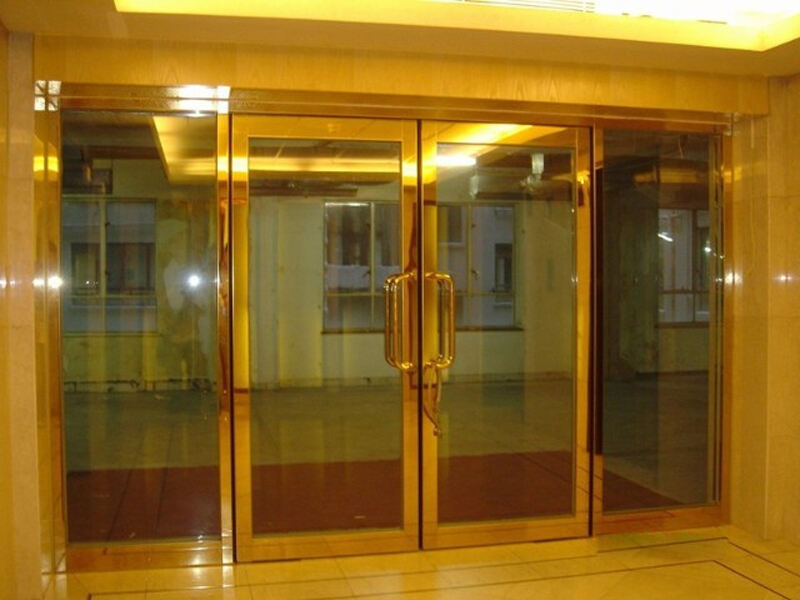
Architectural harmony begins at the entrance, where custom wood exterior doors serve as the defining element that sets the tone for your entire home design. The selection and design of exterior doors represents far more than a functional necessity; it embodies the character, style, and sophistication of your architectural vision. Whether you're building a contemporary masterpiece, restoring a historic colonial, or creating a rustic farmhouse retreat, the strategic integration of custom wood exterior doors can transform an ordinary entrance into an extraordinary architectural statement that perfectly complements your home's unique design language.
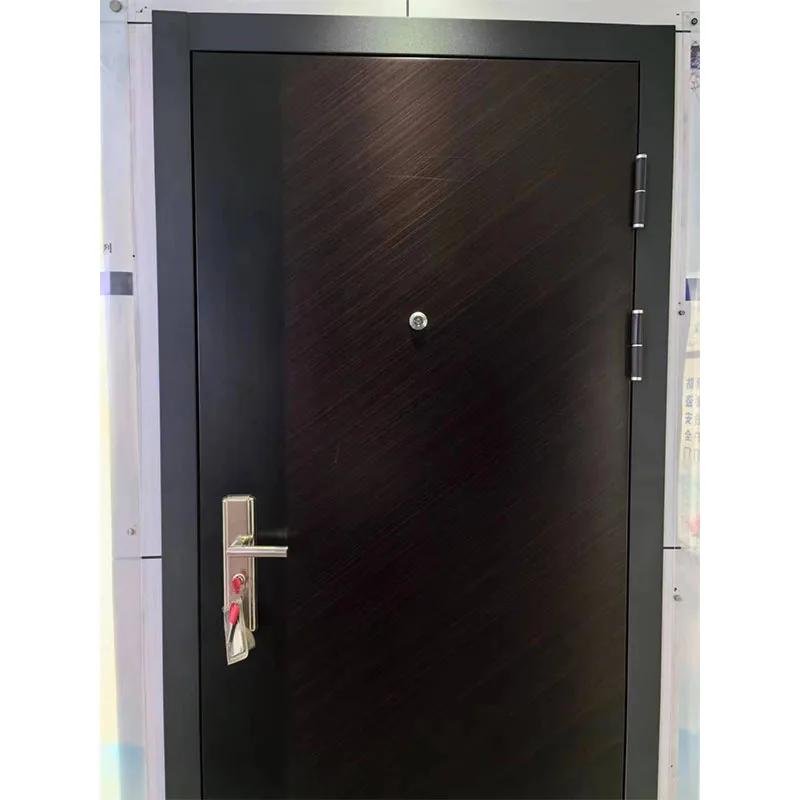
The art of matching custom wood exterior doors to architectural styles requires a deep understanding of design principles, historical context, and material characteristics. Professional architects and designers recognize that the entrance door must harmonize with the overall aesthetic while maintaining its distinctive presence as a focal point. This delicate balance involves considering proportions, materials, hardware selections, and decorative elements that reinforce rather than compete with the existing architectural framework.
Modern homeowners increasingly seek personalized solutions that reflect their individual taste while respecting architectural integrity. Custom wood exterior doors offer unlimited possibilities for achieving this goal, allowing for precise customization of dimensions, wood species, finishes, and design details. The investment in professionally designed and crafted entrance doors pays dividends in curb appeal, property value, and daily satisfaction with your home's appearance.
Understanding Architectural Style Fundamentals
Traditional Colonial Design Elements
Colonial architecture demands custom wood exterior doors that embody classical proportions and time-honored craftsmanship techniques. The traditional colonial entrance typically features solid wood construction with raised panels, often arranged in a six or eight-panel configuration that creates visual rhythm and depth. These doors commonly utilize premium hardwoods such as mahogany, cherry, or oak, finished in rich stains that highlight the natural grain patterns while providing protection against weathering.
Hardware selection for colonial-style custom wood exterior doors should emphasize authenticity and quality, incorporating brass or bronze elements with period-appropriate designs. Traditional thumb latches, strap hinges, and decorative door knockers contribute to the overall colonial aesthetic while maintaining functional reliability. The door frame and surrounding trim work must complement the door design, often featuring classical molding profiles that enhance the architectural significance of the entrance.
Color schemes for colonial custom wood exterior doors traditionally favor deep, sophisticated tones that convey stability and permanence. Classic choices include hunter green, navy blue, burgundy, and natural wood tones enhanced with protective clear coats. These colors not only honor historical precedent but also provide excellent contrast against typical colonial exterior materials such as brick, clapboard siding, or stone veneer.
Contemporary Modern Applications
Modern architectural styles demand custom wood exterior doors that emphasize clean lines, minimal ornamentation, and innovative material combinations. Contemporary design philosophy celebrates the natural beauty of wood while incorporating sleek hardware, geometric patterns, and unexpected proportions that challenge traditional door conventions. These designs often feature horizontal or vertical wood slats, asymmetrical layouts, or integration with glass panels that maximize natural light transmission.
Material selection for modern custom wood exterior doors frequently includes exotic species such as teak, ipe, or sustainable bamboo composites that offer superior durability and distinctive appearance characteristics. The finishing approach typically emphasizes natural wood tones through oil-based treatments that preserve the material's organic texture while providing weather resistance. Alternatively, some modern designs incorporate painted finishes in bold colors that create striking contrast against neutral exterior palettes.
Hardware for contemporary custom wood exterior doors prioritizes functionality and geometric simplicity, often featuring stainless steel, aluminum, or powder-coated metal components with sleek profiles. Long horizontal handles, concealed hinges, and electronic locking systems align with modern lifestyle preferences while maintaining the sophisticated aesthetic that defines contemporary architecture.
Wood Species Selection and Properties
Premium Hardwood Options
The foundation of exceptional custom wood exterior doors lies in the careful selection of appropriate wood species that balance aesthetic appeal, structural integrity, and environmental performance. Premium hardwoods such as mahogany represent the gold standard for luxury door construction, offering exceptional stability, natural weather resistance, and beautiful grain patterns that improve with age. African mahogany and genuine Honduran mahogany provide slightly different characteristics, with African varieties offering more uniform grain patterns while Honduran species display more dramatic color variation.
Cherry wood brings warmth and sophistication to custom wood exterior doors, featuring a distinctive reddish-brown heartwood that deepens over time when exposed to natural light. This species machines beautifully, accepts stains uniformly, and provides excellent dimensional stability when properly seasoned. Cherry's moderate density makes it suitable for intricate carving and detail work while maintaining structural integrity under varying weather conditions.
White oak represents an excellent choice for custom wood exterior doors requiring maximum durability and traditional appeal. This species offers superior weather resistance due to its closed-grain structure, making it naturally resistant to moisture penetration and decay. Oak's distinctive grain pattern provides visual interest while accepting both natural and pigmented finishes effectively, allowing for versatile design applications across various architectural styles.
Sustainable and Alternative Materials
Environmental consciousness increasingly influences material selection for custom wood exterior doors, driving demand for sustainably harvested species and alternative materials that minimize ecological impact. Certified sustainable hardwoods provide the same performance characteristics as traditional species while supporting responsible forest management practices. FSC-certified mahogany, cherry, and oak offer peace of mind for environmentally conscious homeowners without compromising quality or appearance.
Reclaimed wood presents unique opportunities for creating custom wood exterior doors with distinctive character and historical significance. Salvaged materials from old barns, factories, or demolished buildings often feature exceptional grain patterns, natural patina, and dimensional stability that comes from decades of seasoning. These materials require expert evaluation and preparation but can produce extraordinary results for homeowners seeking truly unique entrance solutions.
Engineered wood products and composite materials offer alternatives that combine natural wood aesthetics with enhanced performance characteristics. High-density fiberboard cores with hardwood veneers provide excellent stability and weather resistance while allowing for complex curved profiles and detailed millwork. These hybrid approaches enable the creation of custom wood exterior doors that would be prohibitively expensive or technically challenging using solid wood construction alone.
Design Integration Techniques
Proportional Relationships
Successful integration of custom wood exterior doors requires careful attention to proportional relationships between the door, surrounding architectural elements, and overall building scale. Classical architectural principles provide time-tested guidelines for determining appropriate door dimensions, with height-to-width ratios typically following golden ratio principles that create visually pleasing proportions. Standard residential doors measuring 36 inches wide by 80 inches tall may appear undersized for grand architectural styles, necessitating custom dimensions that better suit the building's scale.
The relationship between door size and surrounding elements such as windows, columns, and roof lines significantly impacts visual harmony. Custom wood exterior doors should complement rather than compete with these features, often requiring careful coordination of heights, alignments, and proportional relationships. Professional architects frequently use modular design principles that establish consistent dimensional relationships throughout the building's facade, ensuring that the entrance door integrates seamlessly with the overall composition.
Transom windows and sidelights offer opportunities to adjust the apparent proportions of custom wood exterior doors while maintaining structural and functional requirements. These elements can visually elongate shorter doors, provide additional natural light, and create more impressive entrances without requiring oversized door panels. The design of these complementary elements should harmonize with the main door through consistent materials, finishes, and detail treatments.
Color and Finish Coordination
Color selection for custom wood exterior doors requires careful consideration of the entire exterior palette, including siding materials, trim colors, roofing, and landscape elements. The door color should provide appropriate contrast while maintaining harmony with the overall design scheme. Traditional approaches often use the door as an accent color that complements the dominant exterior tones, while contemporary designs might employ bold contrasting colors that make the entrance a dramatic focal point.
Natural wood finishes for custom wood exterior doors require regular maintenance but offer unparalleled beauty and authenticity. Clear protective coatings preserve the wood's natural color and grain patterns while providing UV protection and moisture resistance. Oil-based finishes penetrate deeply into the wood fibers, offering superior protection and easier maintenance than surface-applied coatings. Regular reapplication of protective finishes ensures long-term performance and appearance retention.
Painted finishes provide unlimited color options for custom wood exterior doors while offering superior weather protection and lower maintenance requirements. High-quality exterior paints create durable barriers against moisture, UV radiation, and temperature fluctuations. Proper surface preparation and primer application ensure optimal paint adhesion and longevity, while quality topcoats maintain color stability and gloss retention over extended periods.
Hardware and Accessory Selection
Functional Hardware Components
The selection of hardware for custom wood exterior doors significantly impacts both functionality and aesthetic appeal, requiring careful consideration of material compatibility, weather resistance, and design coherence. Premium hinges represent a critical component that must support substantial door weight while operating smoothly over many years of use. Heavy-duty ball bearing hinges in stainless steel, solid brass, or bronze provide superior performance and longevity compared to standard residential hardware.
Lock sets and handles for custom wood exterior doors must balance security requirements with aesthetic considerations and user convenience. High-security deadbolt systems provide essential protection while maintaining the refined appearance appropriate for premium door installations. Handle styles should complement the architectural theme, with traditional designs favoring ornate lever handles or thumb latches, while contemporary applications might specify sleek bar handles or minimalist geometric forms.
Weather sealing components play crucial roles in the long-term performance of custom wood exterior doors, protecting both the door and interior spaces from moisture infiltration and energy loss. Adjustable threshold systems accommodate settling and movement while maintaining effective seals. Magnetic weather stripping provides superior sealing performance compared to compression strips, particularly around the door perimeter where consistent contact pressure is difficult to achieve through mechanical means alone.
Decorative Enhancement Elements
Decorative hardware elements offer opportunities to personalize custom wood exterior doors while reinforcing architectural themes and design intentions. Door knockers, kick plates, mail slots, and address plaques should coordinate with the primary hardware finish and style while providing functional benefits. These accessories require careful sizing and positioning to maintain proper proportional relationships with the door design and surrounding architectural elements.
Glass inserts transform custom wood exterior doors from solid barriers into welcoming portals that invite natural light while maintaining security and privacy. Decorative glass options include beveled panels, stained glass designs, textured surfaces, and clear glazing with decorative lead came patterns. The glass area should be proportioned appropriately to the door size and architectural style, with traditional designs typically featuring smaller glass panels compared to contemporary applications.
Clavos, studs, and strap hinges provide opportunities to enhance the rustic or Mediterranean character of custom wood exterior doors through carefully selected decorative metalwork. These elements should appear functional even when primarily decorative, maintaining authenticity and avoiding the appearance of applied ornamentation. Hand-forged hardware offers superior character and uniqueness compared to mass-produced alternatives, though at significantly higher cost and longer lead times.
Installation and Maintenance Considerations
Professional Installation Requirements
Proper installation of custom wood exterior doors requires specialized knowledge and experience that extends far beyond basic carpentry skills. The door frame must be precisely plumb, level, and square to ensure proper operation and weather sealing performance. Professional installers understand the importance of proper shimming techniques, frame anchoring methods, and adjustment procedures that account for seasonal wood movement and building settling.
Flashing and water management details are critical aspects of custom wood exterior doors installation that significantly impact long-term performance and durability. Properly installed head flashing directs water away from the door frame, while sill pans collect and drain any moisture that penetrates the threshold area. These installation details require coordination with the building's weather barrier system and exterior finishes to create effective moisture management.
Hardware installation and adjustment require precision and attention to detail that directly affects door operation and security performance. Hinge mortising must be accurate to achieve proper door alignment and smooth operation. Lock set boring and strike plate installation require precise measurements and cutting to ensure proper engagement and security. Professional installers possess the specialized tools and experience necessary to achieve optimal results consistently.
Long-term Care and Maintenance
Maintaining the beauty and performance of custom wood exterior doors requires regular attention and appropriate care techniques that preserve the wood and protective finishes. Annual inspection schedules should include evaluation of finish condition, hardware operation, weather sealing effectiveness, and overall structural integrity. Early identification of maintenance needs prevents minor issues from developing into costly repair requirements.
Finish maintenance schedules depend on exposure conditions, climate factors, and the specific coating systems used. Natural wood finishes typically require reapplication every two to three years in harsh climates, while high-quality painted finishes may last five to seven years before requiring renewal. Regular cleaning with appropriate products removes accumulated dirt and contaminants that can degrade protective coatings over time.
Hardware maintenance involves periodic lubrication, adjustment, and replacement of worn components to ensure continued smooth operation and security performance. Quality hardware can provide decades of reliable service when properly maintained, while neglected components may require premature replacement and potentially cause damage to the door itself. Seasonal adjustments accommodate wood movement and maintain proper fit and operation throughout varying weather conditions.
FAQ
How much do custom wood exterior doors typically cost?
Custom wood exterior doors represent a significant investment that varies widely based on size, wood species, design complexity, and hardware specifications. Basic custom doors in standard sizes using domestic hardwoods typically range from $2,500 to $5,000, while elaborate designs featuring premium exotic woods, complex millwork, and high-end hardware can exceed $10,000. Additional costs include professional installation, which typically adds $500 to $1,500 depending on complexity and local labor rates. The investment in quality custom wood exterior doors provides excellent returns through enhanced curb appeal, energy efficiency, and property value.
What wood species work best for different climates?
Climate conditions significantly influence wood species selection for custom wood exterior doors, with different species offering varying levels of natural weather resistance and stability. Tropical hardwoods like teak, mahogany, and ipe excel in humid, coastal environments due to their natural oils and density that resist moisture and decay. Temperate climates with moderate humidity levels accommodate a wider range of species, including cherry, walnut, and oak. Arid climates can stress some wood species through rapid moisture changes, making stable species like quarter-sawn oak or properly engineered composites preferable choices.
How long does the custom door design and manufacturing process take?
The timeline for creating custom wood exterior doors involves several phases that collectively require 8 to 16 weeks from initial design to installation. Design development and approval typically consume 2 to 4 weeks, allowing time for architectural coordination, material selection, and detail refinement. Manufacturing time varies from 6 to 12 weeks depending on design complexity, wood species availability, and shop scheduling. Rush orders may be possible for additional fees, while complex designs or exotic materials may extend timelines significantly. Planning ahead and early coordination with manufacturers ensures timely completion for new construction or renovation project schedules.
Can existing door openings be modified to accommodate custom designs?
Most existing door openings can be successfully modified to accommodate custom wood exterior doors, though the extent of modification depends on current opening size, structural considerations, and desired final dimensions. Enlarging openings requires structural evaluation to ensure proper load support and may involve additional costs for framing modifications. Reducing opening sizes is generally simpler and less expensive, often requiring only new jamb installation and trim work. Professional assessment of existing conditions helps determine feasibility and costs for opening modifications before proceeding with custom door design and ordering.