 EN
EN

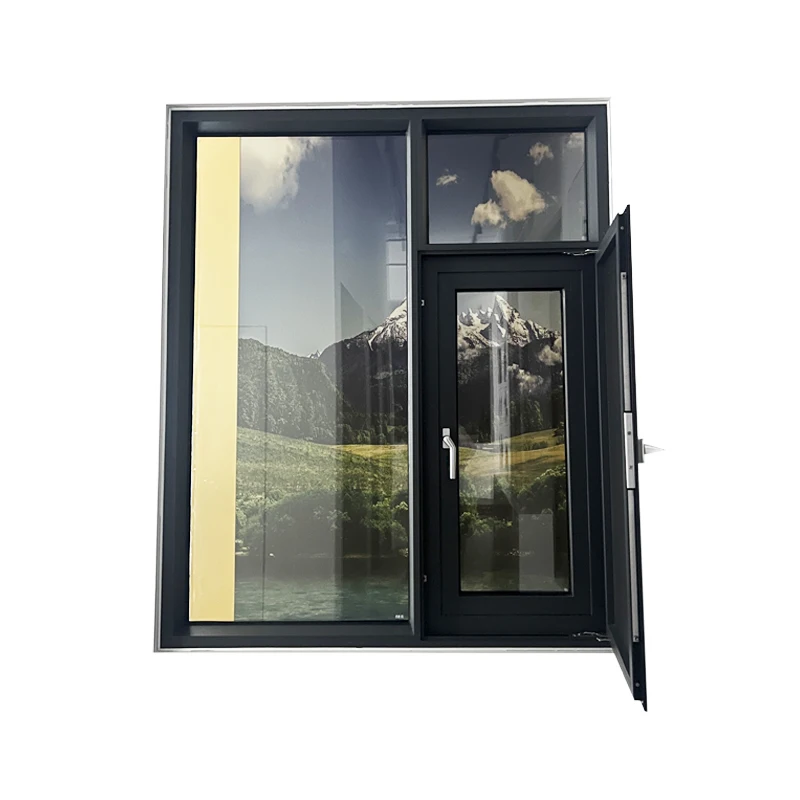
Condensation problems in residential and commercial buildings have become increasingly common, particularly in modern energy-efficient structures with improved insulation and airtight construction. An aluminium ventilation window offers an effective solution to these moisture-related challenges by providing controlled airflow while maintaining thermal efficiency. These specialized window systems combine the durability of aluminum framing with strategic ventilation features that help regulate indoor humidity levels and prevent the accumulation of excess moisture that leads to condensation issues.
Understanding the root causes of condensation is essential for selecting the right ventilation solution. When warm, humid air comes into contact with cooler surfaces such as windows, walls, or ceilings, water vapor condenses into liquid droplets. This natural process becomes problematic in buildings where insufficient air circulation allows humidity levels to rise beyond comfortable and healthy ranges. An aluminium ventilation window addresses this issue by facilitating continuous air exchange, reducing indoor humidity, and preventing the temperature differentials that cause condensation formation.
Understanding Condensation Problems in Modern Buildings
Common Causes of Indoor Condensation
Modern building practices emphasize energy efficiency through improved insulation and sealed construction methods. While these approaches reduce heating and cooling costs, they also limit natural air infiltration that previously helped regulate indoor moisture levels. Everyday activities such as cooking, showering, laundering, and even breathing contribute to indoor humidity. Without adequate ventilation, this moisture accumulates and creates conditions favorable for condensation formation on cooler surfaces throughout the building.
Temperature variations between indoor and outdoor environments exacerbate condensation problems. During colder months, heated indoor air carries more moisture than the same air would hold at lower temperatures. When this warm air encounters cold window surfaces, rapid cooling causes water vapor to condense. An aluminium ventilation window helps maintain more consistent air circulation, reducing these temperature-related moisture issues while providing year-round comfort.
Health and Structural Impacts
Persistent condensation creates environments conducive to mold and mildew growth, which pose significant health risks including respiratory problems, allergic reactions, and aggravated asthma symptoms. Beyond health concerns, excess moisture damages building materials, causes paint deterioration, promotes wood rot, and can compromise structural integrity over time. Installing an aluminium ventilation window system provides proactive moisture control that protects both occupant health and property value.
The economic implications of uncontrolled condensation extend beyond immediate repair costs. Property insurance claims related to moisture damage continue rising as building envelope performance improves without corresponding attention to ventilation requirements. An aluminium ventilation window represents a cost-effective preventive measure that addresses moisture problems at their source rather than treating symptoms after damage occurs.
Aluminium Ventilation Window Design Features
Advanced Framing Technology
Contemporary aluminium ventilation window systems incorporate sophisticated framing designs that maximize airflow while maintaining structural integrity and weather resistance. Multi-chamber extrusions create separate pathways for ventilation air while isolating these channels from primary weather sealing systems. Thermal breaks within the aluminum profiles prevent thermal bridging that could compromise energy efficiency or create additional condensation points within the window assembly itself.
Precision manufacturing techniques ensure consistent tolerances and smooth operation of ventilation components throughout the window's service life. Corrosion-resistant aluminum alloys and protective surface treatments provide durability in diverse climate conditions while maintaining the aesthetic appeal that makes aluminum windows popular in contemporary architecture. An aluminium ventilation window combines these advanced materials with proven ventilation principles to deliver reliable long-term performance.
Integrated Ventilation Mechanisms
Modern aluminium ventilation window designs incorporate various airflow control mechanisms tailored to specific application requirements. Trickle vents, adjustable louvres, and automated opening systems provide different levels of ventilation control while maintaining security and weather protection. These integrated features allow occupants to fine-tune air exchange rates based on seasonal conditions, occupancy levels, and specific moisture generation activities within the building.
Smart ventilation controls increasingly feature in premium aluminium ventilation window systems, automatically adjusting airflow based on indoor humidity sensors, outdoor weather conditions, and programmed schedules. These intelligent systems optimize energy efficiency by providing adequate ventilation when needed while minimizing heat loss during extreme weather conditions. The combination of automated controls with manual override options ensures optimal performance across diverse operational scenarios.
Installation Considerations and Best Practices
Site Assessment and Planning
Successful implementation of an aluminium ventilation window system begins with comprehensive site assessment to determine optimal placement, sizing, and configuration requirements. Factors including prevailing wind patterns, building orientation, local climate conditions, and interior layout all influence ventilation effectiveness. Professional evaluation helps identify locations where natural airflow patterns can enhance the performance of aluminium ventilation window installations while avoiding areas prone to wind-driven rain or excessive air infiltration.
Building codes and energy efficiency standards increasingly recognize the importance of controlled ventilation in modern construction. An aluminium ventilation window system must comply with relevant regulations while meeting performance criteria for air change rates, thermal efficiency, and moisture control. Proper planning ensures installations achieve code compliance while delivering optimal condensation prevention benefits throughout the building's operational life.
Professional Installation Requirements
The complex integration requirements of an aluminium ventilation window system necessitate professional installation by experienced technicians familiar with both window technology and building science principles. Proper sealing, flashing, and weatherproofing around ventilation openings requires specialized knowledge to prevent water infiltration while maintaining intended airflow characteristics. Installation errors can compromise both ventilation performance and building envelope integrity.
Quality installation includes coordination with other building systems such as HVAC equipment, insulation details, and vapor barriers to ensure optimal overall building performance. An aluminium ventilation window installation should integrate seamlessly with existing or planned mechanical systems while providing independent moisture control capabilities. Professional installers understand these system interactions and can optimize installations for maximum condensation prevention effectiveness.
Performance Benefits and Energy Efficiency
Moisture Control Effectiveness
An aluminium ventilation window provides measurable improvements in indoor air quality and moisture control compared to conventional sealed window systems. Controlled air exchange removes moisture-laden air before humidity levels reach condensation thresholds, maintaining comfortable indoor conditions while protecting building materials from moisture damage. Field studies demonstrate significant reductions in surface condensation and improved occupant comfort in buildings equipped with properly sized aluminium ventilation window systems.
The effectiveness of an aluminium ventilation window in preventing condensation depends on proper sizing and operation to match building requirements. Undersized systems may not provide adequate moisture removal, while oversized installations can create excessive air exchange that compromises energy efficiency. Professional system design ensures optimal balance between moisture control and energy performance, maximizing the condensation prevention benefits while minimizing operational costs.
Energy Efficiency Optimization
Contemporary aluminium ventilation window systems incorporate energy recovery features that capture heat from exhaust air to pre-condition incoming fresh air. These heat recovery ventilators maintain indoor comfort while reducing heating and cooling loads associated with ventilation air exchange. Advanced glazing systems within aluminium ventilation window assemblies provide excellent thermal performance while accommodating necessary airflow components.
Smart controls optimize energy efficiency by modulating ventilation rates based on actual moisture loads and outdoor conditions. An aluminium ventilation window equipped with automated controls can reduce energy consumption by up to thirty percent compared to constant-rate ventilation systems while maintaining superior condensation control. These efficiency gains make aluminium ventilation window installations increasingly attractive for both new construction and building renovation projects.
Maintenance and Long-Term Performance
Routine Maintenance Requirements
An aluminium ventilation window system requires minimal maintenance when properly installed and operated within design parameters. Regular cleaning of ventilation openings and filters ensures unobstructed airflow and prevents the accumulation of dust, pollen, or other airborne particles that could reduce system effectiveness. Most maintenance tasks can be performed by building occupants using basic tools and commercially available cleaning products specifically designed for aluminum window systems.
Seasonal inspections help identify potential issues before they compromise system performance or require costly repairs. Checking weatherstripping condition, verifying smooth operation of adjustable components, and cleaning drainage channels are typical maintenance activities that preserve the long-term effectiveness of an aluminium ventilation window installation. Manufacturer maintenance schedules provide specific guidance for preserving warranty coverage and ensuring optimal performance throughout the system's service life.
Performance Monitoring and Optimization
Modern aluminium ventilation window systems often include monitoring capabilities that track system performance and alert users to maintenance needs or operational issues. Indoor humidity sensors, airflow meters, and temperature monitoring help optimize system operation while providing data to verify condensation prevention effectiveness. Regular performance monitoring ensures an aluminium ventilation window system continues delivering intended benefits while identifying opportunities for operational improvements.
Long-term performance optimization may include adjustments to ventilation rates, control settings, or operational schedules based on actual building use patterns and changing requirements. An aluminium ventilation window system designed with adjustment flexibility can adapt to evolving building needs while maintaining effective condensation control throughout its operational life. Professional system reviews help identify optimization opportunities that enhance performance while reducing energy consumption and operational costs.
FAQ
How much ventilation is needed to prevent condensation in residential buildings
Residential buildings typically require air change rates between 0.3 to 0.5 air changes per hour to maintain healthy indoor air quality and prevent condensation issues. An aluminium ventilation window system should be sized to provide adequate fresh air exchange while considering occupancy levels, moisture generation activities, and local climate conditions. Professional calculation methods account for building volume, occupant density, and specific moisture loads to determine optimal ventilation requirements for effective condensation prevention.
Can aluminium ventilation windows work effectively in extreme climate conditions
Modern aluminium ventilation window systems are engineered to perform effectively across diverse climate conditions, from arctic cold to tropical humidity. Thermal break technology prevents condensation within the window frame itself, while integrated controls modulate airflow based on outdoor conditions to maintain indoor comfort without excessive energy consumption. An aluminium ventilation window designed for specific climate conditions includes appropriate weatherstripping, drainage systems, and control algorithms to ensure reliable year-round operation.
What are the cost considerations for installing aluminium ventilation windows
Initial costs for an aluminium ventilation window system vary based on size, complexity, and included features, typically ranging from moderate to premium pricing compared to standard windows. However, long-term benefits include reduced heating and cooling costs, prevented moisture damage repairs, and improved building durability that often provide positive return on investment within several years. Energy efficiency incentives and building code compliance requirements may offset initial costs while delivering ongoing operational savings.
How do aluminium ventilation windows compare to other moisture control solutions
An aluminium ventilation window provides targeted moisture control at specific locations while maintaining the primary function of conventional windows for daylighting and views. Compared to whole-house ventilation systems, aluminium ventilation window installations offer localized control, lower installation costs, and the ability to address specific problem areas without major HVAC modifications. The combination of ventilation capability with standard window functions makes aluminium ventilation window systems particularly attractive for renovation projects and targeted condensation solutions.
Table of Contents
- Understanding Condensation Problems in Modern Buildings
- Aluminium Ventilation Window Design Features
- Installation Considerations and Best Practices
- Performance Benefits and Energy Efficiency
- Maintenance and Long-Term Performance
-
FAQ
- How much ventilation is needed to prevent condensation in residential buildings
- Can aluminium ventilation windows work effectively in extreme climate conditions
- What are the cost considerations for installing aluminium ventilation windows
- How do aluminium ventilation windows compare to other moisture control solutions