 EN
EN

The demand for heritage aluminium windows continues to grow as property owners seek to preserve historical aesthetics while benefiting from contemporary performance standards. These specialized window systems offer an ideal solution for restoration projects, conservation areas, and new builds designed to complement traditional architecture. Modern heritage aluminium windows combine the visual appeal of traditional timber frames with superior durability, energy efficiency, and reduced maintenance requirements that today's building standards demand.
Understanding Heritage Style Window Design
Traditional Aesthetic Elements
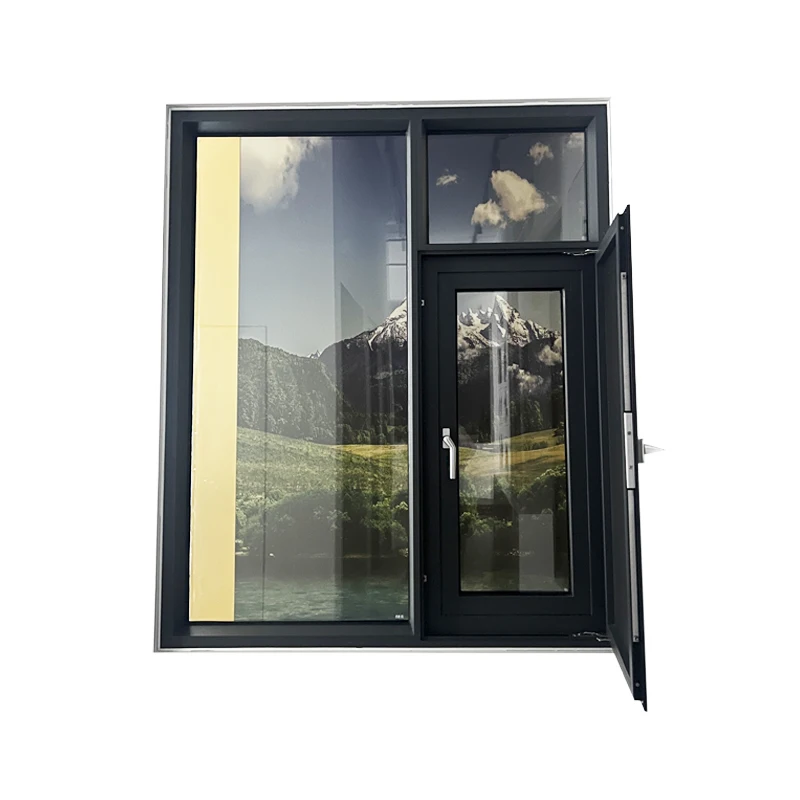
Heritage aluminium windows are meticulously crafted to replicate the distinctive characteristics of period timber windows. The profile sections are designed with authentic proportions, featuring slender sight lines and traditional glazing bar configurations that mirror historical window styles. These windows often incorporate decorative elements such as heritage handles, traditional locking mechanisms, and period-appropriate glazing patterns that maintain visual consistency with original architectural features.
The attention to detail extends to the frame construction, where modern manufacturing techniques create profiles that closely match the visual depth and shadow lines of traditional timber frames. Advanced powder coating technologies enable a wide range of authentic finishes, from classic white and cream to heritage colors like Georgian green, Regency blue, and period black. These finishes are specifically formulated to replicate the appearance of traditional paint systems while providing superior longevity and weather resistance.
Modern Performance Integration
Contemporary heritage aluminium windows seamlessly integrate advanced performance features within traditional styling. Multi-chamber profile designs provide excellent thermal insulation properties, while precision-engineered gasket systems ensure superior weather sealing. The incorporation of thermal breaks within the aluminum profiles significantly reduces heat transfer, contributing to improved energy efficiency ratings that meet or exceed current building regulations.
Double or triple glazing units are discretely accommodated within the traditional profile depths, maintaining authentic sight lines while delivering exceptional acoustic and thermal performance. Advanced glazing technologies, including low-emissivity coatings and inert gas fills, further enhance the windows' energy efficiency without compromising the heritage appearance. These performance enhancements make heritage aluminium windows suitable for both restoration projects and new construction in conservation areas.
Technical Specifications and Performance Standards
Structural Engineering Excellence
The engineering behind heritage aluminium windows involves sophisticated structural calculations to ensure long-term performance under various loading conditions. The aluminum profiles are manufactured from high-grade 6063-T5 aluminum alloy, providing excellent strength-to-weight ratios and exceptional resistance to deformation. Precision extrusion processes create consistent wall thicknesses and accurate dimensional tolerances that ensure reliable operation and weatherproofing throughout the window's service life.
Reinforcement strategies are carefully integrated into the profile design to handle wind loading, thermal expansion, and operational stresses without compromising the slender aesthetic proportions. Corner jointing techniques utilize advanced mechanical fixing methods combined with structural sealants to create robust, weatherproof assemblies. These engineering considerations ensure that heritage aluminium windows can withstand decades of use while maintaining their operational integrity and appearance.
Energy Efficiency and Environmental Performance
Modern heritage aluminium windows achieve impressive energy efficiency ratings through careful design optimization and advanced glazing specifications. Thermal bridging is effectively controlled through strategically placed polyamide thermal breaks, which interrupt the conductive heat path through the aluminum profiles. This thermal separation, combined with precision-fitted gasket systems, creates a high-performance envelope that significantly reduces heat loss and unwanted air infiltration.
The glazing specifications for heritage aluminium windows typically feature high-performance double or triple glazing units with low-emissivity coatings and argon gas fills. These glazing systems can achieve U-values as low as 1.2 W/m²K while maintaining the visual characteristics required for heritage applications. The combination of efficient profiles and advanced glazing enables these windows to contribute positively to building energy ratings while preserving the authentic appearance of historical window styles.
Installation Considerations for Heritage Projects
Conservation Area Requirements
Installing heritage aluminium windows in conservation areas requires careful attention to local planning requirements and conservation guidelines. Many conservation areas have specific restrictions on window styles, colors, and glazing patterns that must be strictly adhered to during the specification process. Heritage aluminium windows offer significant advantages in these applications, as they can be precisely manufactured to match approved historical styles while providing the performance benefits required by modern building standards.
The consultation process with conservation officers typically involves detailed drawings and material samples to demonstrate compliance with heritage requirements. The flexibility of aluminum extrusion allows for custom profile modifications to match specific historical details, while the durability of the material ensures long-term preservation of the approved aesthetic. This combination of authenticity and longevity makes heritage aluminium windows an increasingly popular choice for sensitive restoration projects.
Building Integration and Weather Sealing
Proper integration of heritage aluminium windows into existing building structures requires careful consideration of the interface details and weatherproofing strategies. Traditional buildings often feature irregular openings and varying wall thicknesses that require custom solutions to ensure effective sealing and structural integrity. Modern installation techniques utilize advanced sealant systems and flexible membranes to accommodate building movement while maintaining weatherproof performance.
The installation process for heritage aluminium windows typically involves precise surveying of existing openings, followed by careful preparation of the surrounding masonry or timber structure. Thermal bridging through the building envelope is minimized through the use of insulated cavity closers and continuous insulation strategies. These installation considerations ensure that the superior performance characteristics of heritage aluminium windows are fully realized in the completed building assembly.
Maintenance and Longevity Benefits
Reduced Maintenance Requirements
One of the most significant advantages of heritage aluminium windows is their dramatically reduced maintenance requirements compared to traditional timber alternatives. The aluminum profiles are inherently resistant to rot, insect damage, and weather-related deterioration, eliminating the need for regular painting and timber treatment cycles. High-quality powder coating finishes provide excellent durability and color retention, typically maintaining their appearance for 15-20 years or more without requiring attention.
Routine maintenance of heritage aluminium windows involves simple cleaning of the frames and glass, periodic lubrication of moving parts, and occasional adjustment of hardware components. The precision manufacturing and quality materials used in these windows ensure smooth operation throughout their service life, with minimal wear or degradation of performance. This low-maintenance characteristic is particularly valuable in heritage applications where access for maintenance may be difficult or where budget constraints limit ongoing maintenance activities.
Long-Term Performance Assurance
The longevity of heritage aluminium windows is supported by comprehensive warranty programs and proven track records in demanding applications. Quality manufacturers typically provide extended warranties covering both materials and performance, reflecting their confidence in the product's durability. The aluminum profiles are designed to resist corrosion in normal atmospheric conditions, while the hardware components utilize marine-grade materials and protective coatings to ensure reliable operation.
Performance monitoring of heritage aluminium windows in service demonstrates excellent retention of energy efficiency and weather resistance over extended periods. The dimensional stability of aluminum profiles ensures that gasket seals remain effective, while the corrosion resistance of the material prevents degradation of structural integrity. This long-term performance assurance makes heritage aluminium windows a cost-effective investment for both restoration projects and new construction in heritage settings.
Cost Analysis and Value Proposition
Initial Investment Considerations
The initial cost of heritage aluminium windows typically represents a premium compared to standard aluminum or PVC alternatives, reflecting the specialized manufacturing processes and materials required to achieve authentic heritage styling. However, when compared to high-quality timber heritage windows, aluminum alternatives often provide better value while delivering superior performance characteristics. The precision manufacturing and consistent quality control associated with aluminum extrusion processes contribute to reliable pricing and delivery schedules.
Cost considerations for heritage aluminium windows should include the total project expense, including installation, finishing, and any associated building modifications required. The flexibility of aluminum manufacturing allows for cost optimization through standardized profiles and efficient production processes, while still accommodating the custom requirements typical of heritage applications. This balance between customization capability and manufacturing efficiency helps control project costs while ensuring authentic results.
Lifecycle Cost Benefits
The lifecycle cost analysis of heritage aluminium windows reveals significant advantages over alternative materials through reduced maintenance requirements and extended service life. The elimination of regular painting and timber treatment cycles represents substantial savings over the window's operational life, while the superior energy efficiency contributes to reduced heating and cooling costs. These operational savings often offset the initial investment premium within 10-15 years of installation.
Insurance and building maintenance considerations also favor heritage aluminium windows due to their fire resistance, security performance, and weather resistance characteristics. The reduced risk of damage from weather events, break-ins, or maintenance-related issues contributes to lower insurance premiums and reduced unexpected repair costs. This comprehensive value proposition makes heritage aluminium windows an attractive investment for property owners focused on long-term value rather than just initial cost considerations.
FAQ
How do heritage aluminium windows compare to original timber windows in appearance
Modern heritage aluminium windows are manufactured to closely replicate the visual characteristics of traditional timber windows, including authentic proportions, glazing bar configurations, and period-appropriate hardware. Advanced powder coating technologies can accurately reproduce traditional paint finishes, while precision manufacturing creates the subtle shadow lines and profile depths associated with historical timber frames. When properly specified and installed, heritage aluminium windows are virtually indistinguishable from quality timber alternatives while providing superior performance and longevity.
What maintenance is required for heritage aluminium windows
Heritage aluminium windows require minimal maintenance compared to timber alternatives. Routine care involves regular cleaning of frames and glass with mild detergent solutions, periodic lubrication of moving hardware components, and occasional adjustment of gasket seals. The powder-coated aluminum frames typically maintain their appearance for 15-20 years without requiring repainting, and the inherent corrosion resistance of aluminum eliminates concerns about rot or insect damage that affect timber windows.
Are heritage aluminium windows suitable for listed buildings
Heritage aluminium windows can be suitable for listed buildings when properly specified to match the approved historical style and when planning consent has been obtained from relevant authorities. Many conservation officers now recognize the benefits of aluminum heritage windows for their authentic appearance combined with improved energy efficiency and reduced maintenance requirements. The key is to work closely with conservation specialists and planning authorities during the specification process to ensure full compliance with listing requirements and conservation guidelines.
What energy efficiency ratings can heritage aluminium windows achieve
Modern heritage aluminium windows can achieve excellent energy efficiency ratings through advanced glazing specifications and thermally broken profile designs. Typical U-values range from 1.2 to 1.8 W/m²K depending on the glazing configuration and profile specification. Double glazing with low-emissivity coatings and argon gas fills provides good performance, while triple glazing systems can achieve even better ratings where building regulations or energy targets require enhanced efficiency. These performance levels often exceed those achievable with traditional timber windows while maintaining authentic heritage styling.