 EN
EN

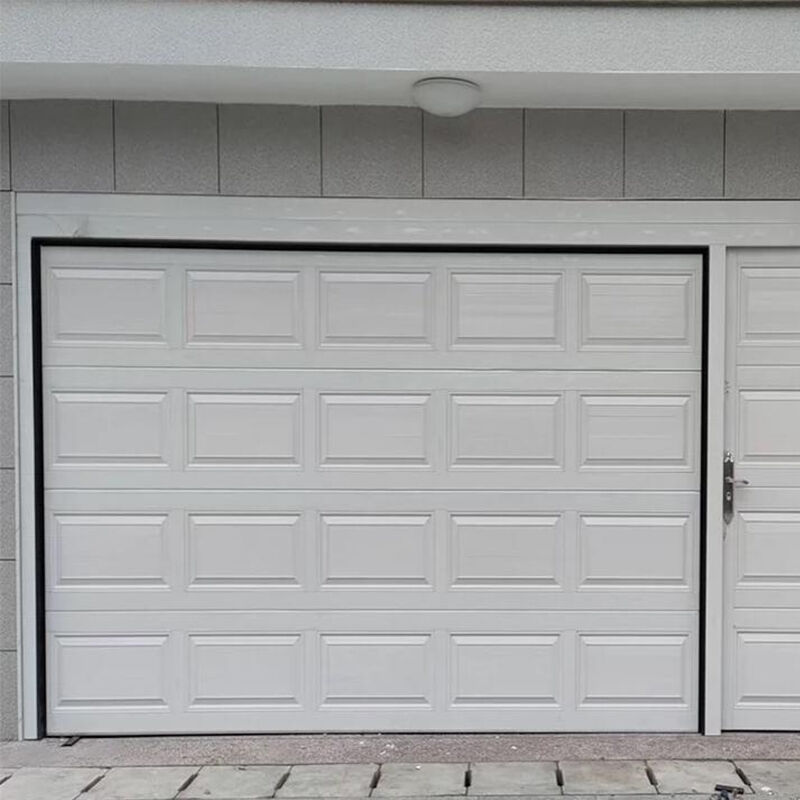
Choosing the right garage doors for your home or commercial property requires understanding the various types available in today's market. Modern garage doors have evolved significantly from simple wooden barriers to sophisticated systems offering security, insulation, and aesthetic appeal. Whether you're building a new property or replacing existing garage doors, the selection process involves considering factors such as space requirements, security needs, insulation properties, and architectural compatibility. Each type of garage door system operates differently and offers unique advantages that make them suitable for specific applications and environments.
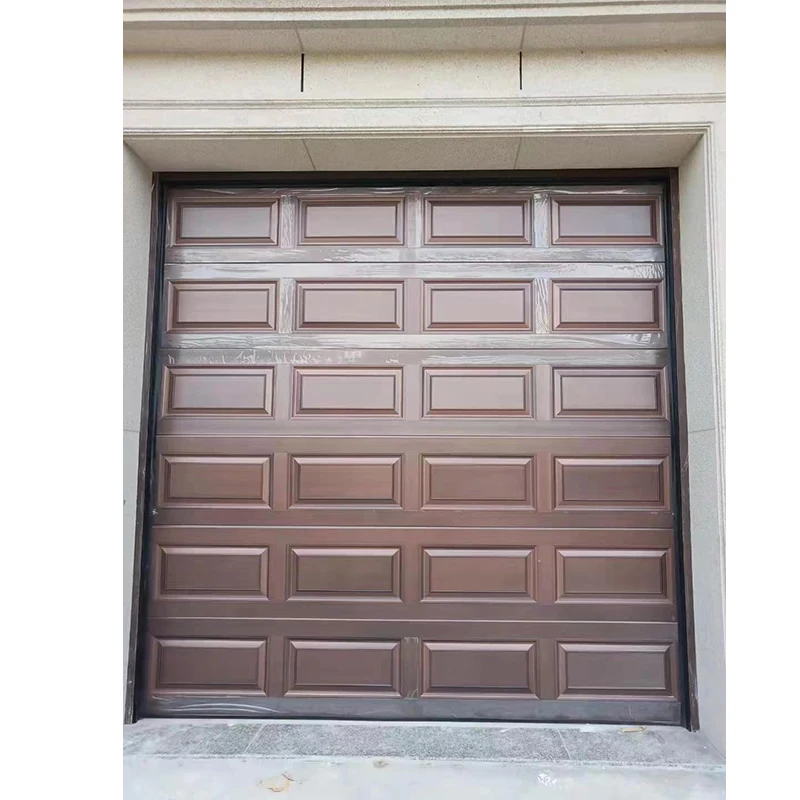
Sectional Garage Doors Overview
Construction and Operation Mechanism
Sectional garage doors represent one of the most popular choices for residential and commercial applications due to their efficient space utilization and reliable operation. These systems consist of multiple horizontal panels that are hinged together, allowing the door to bend as it travels along a track system mounted on the ceiling. The sectional design enables the door to lift vertically before transitioning to a horizontal position, maximizing the available space both inside and outside the garage. This mechanism makes sectional garage doors particularly suitable for properties with limited driveway space or low ceiling clearance requirements.
The panel construction typically features steel, aluminum, or composite materials with insulation cores that provide excellent thermal performance. Advanced sectional garage doors incorporate weather sealing systems between panels and around the perimeter to prevent air infiltration and moisture penetration. The track system includes heavy-duty springs, cables, and rollers that work together to ensure smooth and quiet operation throughout the door's operational life. Professional installation ensures proper alignment and balancing, which are critical factors for optimal performance and longevity of sectional garage doors.
Insulation and Energy Efficiency Benefits
Modern sectional garage doors offer superior insulation properties compared to traditional single-panel systems, making them an excellent choice for climate-controlled garages and attached garage applications. The multi-panel design allows for continuous insulation throughout the door surface, typically using polyurethane foam or polystyrene cores that provide excellent thermal resistance. This insulation capability helps maintain stable temperatures inside the garage, reducing energy costs for heating and cooling adjacent living spaces. Additionally, well-insulated sectional garage doors contribute to noise reduction, creating a quieter environment for both interior and exterior spaces.
The energy efficiency of sectional garage doors extends beyond insulation to include advanced sealing systems that prevent air leakage around the door perimeter. Quality weather stripping along the bottom, sides, and top of the door frame creates an effective barrier against outdoor elements. Some premium sectional garage doors feature double-wall construction with thermal breaks that further enhance energy performance. These features make sectional garage doors particularly valuable in regions with extreme weather conditions where energy efficiency is a primary concern.
Roller Garage Doors Characteristics
Space-Saving Design Advantages
Roller garage doors excel in applications where space optimization is crucial, offering unique advantages for both residential and commercial properties with limited overhead clearance. The roller mechanism allows these garage doors to coil around a drum positioned above the opening, eliminating the need for extensive ceiling tracks or storage space for horizontal panels. This compact design makes roller garage doors ideal for garages with low ceilings, storage lofts, or car lifts where maximum headroom utilization is essential. The vertical operation also prevents any interference with vehicles parked close to the garage opening.
The slat construction of roller garage doors typically features aluminum, steel, or composite materials formed into interlocking profiles that provide flexibility during operation while maintaining structural integrity when closed. Modern roller garage doors incorporate security features such as reinforced slats, anti-lift locks, and tamper-resistant guides that make them highly secure despite their flexible construction. The compact nature of these systems also makes them suitable for retrofit applications where existing garage door openings have spatial constraints that would make other garage doors types impractical.
Security and Durability Features
Contemporary roller garage doors incorporate advanced security technologies that rival traditional solid panel systems while maintaining their space-efficient advantages. High-quality roller garage doors feature reinforced aluminum or steel slats with foam insulation cores that provide both security and thermal performance. The interlocking slat design distributes force across the entire door surface, making it extremely difficult to breach through conventional forced entry methods. Many roller garage doors also include integrated locking mechanisms, security bars, and alarm-ready connections for comprehensive security systems.
Durability in roller garage doors comes from precision engineering of the rolling mechanism, high-grade materials, and protective finishes that resist corrosion and weather damage. Quality roller systems use stainless steel springs, sealed bearings, and powder-coated finishes that maintain performance and appearance over extended operational periods. The reduced number of moving parts compared to sectional garage doors often results in lower maintenance requirements and fewer potential failure points. Professional installation and regular maintenance ensure that roller garage doors provide reliable service for many years while maintaining their security and operational characteristics.
Side-Hinged Garage Doors Features
Traditional Design and Aesthetic Appeal
Side-hinged garage doors offer a classic aesthetic that complements traditional and contemporary architectural styles while providing practical advantages for specific applications. These garage doors operate similarly to large cabinet doors, swinging outward from hinges mounted on the side jambs of the garage opening. The traditional design allows for extensive customization options including decorative hardware, window configurations, and surface treatments that can match or complement the main building's architectural features. Side-hinged garage doors are particularly popular for historic properties, custom homes, and applications where the garage serves multiple functions beyond vehicle storage.
The construction of side-hinged garage doors typically involves solid wood, steel, or composite materials formed into single or multi-panel configurations. Traditional timber construction allows for custom millwork, carved details, and specialty finishes that create unique aesthetic statements. Modern side-hinged garage doors may incorporate steel frames with wood overlay panels, providing the appearance of traditional construction while offering improved durability and security. The flexibility in design and materials makes side-hinged garage doors suitable for applications requiring specific architectural compatibility or unique aesthetic requirements.
Operational Considerations and Applications
Side-hinged garage doors require adequate clearance space in front of the garage opening to accommodate the door swing, making them most suitable for properties with generous driveway areas or courtyard configurations. The operational mechanism is straightforward and reliable, using heavy-duty hinges, stays, and locking hardware that require minimal maintenance compared to tracked systems. This simplicity makes side-hinged garage doors particularly appropriate for applications where automated operation is not required or where manual operation is preferred for security or reliability reasons.
These garage doors excel in applications where partial opening capability is valuable, such as workshops, storage facilities, or garages that serve multiple functions. The ability to open one leaf while keeping the other secure provides convenient access for pedestrians or small equipment while maintaining security for the remainder of the opening. Side-hinged garage doors also accommodate irregular opening dimensions more easily than tracked systems, making them suitable for custom applications or retrofit installations where standard sizing may not be available. The robust construction and simple operation make these systems particularly suitable for commercial applications requiring frequent manual operation.
Up-and-Over Garage Doors Systems
Canopy and Retractable Mechanisms
Up-and-over garage doors represent a traditional approach that remains popular for many residential applications due to their straightforward operation and cost-effective installation. These systems feature a single solid panel that tilts upward and slides into the garage ceiling space using a simple pivot and track mechanism. The two primary configurations include canopy systems where approximately one-third of the door extends beyond the garage opening when open, and retractable systems where the entire door retracts completely within the garage envelope. Both mechanisms provide reliable operation with minimal complexity compared to more sophisticated garage doors systems.
Canopy up-and-over garage doors use a simpler mechanism with fewer moving parts, making them economical to purchase and maintain while providing adequate performance for basic applications. The extended panel creates a small canopy effect that can provide weather protection for the area immediately in front of the garage. Retractable up-and-over garage doors require more sophisticated track systems but offer better space utilization and security when fully closed. Both configurations can accommodate manual or automated operation, with motorized systems providing convenient remote control capabilities for daily use.
Material Options and Customization
Modern up-and-over garage doors are available in numerous material combinations including steel, wood, aluminum, and composite constructions that provide different performance characteristics and aesthetic options. Steel panels offer excellent security and durability with various surface treatments and insulation options, while timber construction provides traditional appearance with natural material benefits. Aluminum garage doors provide corrosion resistance and lightweight operation, making them suitable for larger openings or coastal environments where salt exposure is a concern.
Customization options for up-and-over garage doors include window configurations, decorative panels, hardware selections, and color choices that allow integration with existing architectural features. Modern manufacturing techniques enable custom sizing for non-standard openings and specialized applications. Insulation options range from basic foam cores to advanced thermal barrier systems that provide energy efficiency for heated garage applications. The single-panel construction of up-and-over garage doors allows for large uninterrupted surface areas that can accommodate significant decorative treatments or signage applications.
Specialty and Custom Garage Doors Solutions
Bi-Fold and Multi-Fold Systems
Bi-fold and multi-fold garage doors provide unique solutions for applications requiring wide openings, architectural integration, or specialized operational requirements. These systems consist of multiple panels connected by hinges that fold together as the door opens, similar to accordion-style folding doors but engineered for garage door applications. The folding mechanism allows these garage doors to accommodate very wide openings while requiring minimal overhead clearance, making them suitable for aircraft hangars, boat storage facilities, and commercial applications with expansive entrances.
Multi-fold garage doors can be configured to fold inward, outward, or in combination directions depending on space availability and operational preferences. The panel construction typically uses lightweight yet strong materials such as aluminum frames with composite or glass infill panels. These garage doors systems require precision engineering to ensure smooth operation and proper alignment throughout the folding sequence. Advanced multi-fold systems incorporate motorized operation with sophisticated control systems that manage the sequential folding and unfolding process automatically.
Glass and Aluminum Contemporary Designs
Contemporary garage doors featuring glass and aluminum construction represent the cutting edge of modern garage door design, offering transparency, natural light, and architectural sophistication. These systems typically use aluminum frames with large glass panels that can be clear, frosted, or tinted depending on privacy and aesthetic requirements. The glass panels may be single-glazed for basic applications or double-glazed for improved thermal performance and condensation control. Some advanced glass garage doors incorporate electrochromic or thermochromic glass that can change opacity or solar heat gain characteristics automatically.
The structural design of glass and aluminum garage doors requires careful engineering to support the weight of glass panels while maintaining smooth operation and weather sealing. These systems often incorporate sectional or roller mechanisms adapted for the unique requirements of glass construction. The aesthetic appeal of glass garage doors makes them particularly popular for modern residential applications, automotive showrooms, and commercial facilities where the garage serves as a display or entertainment space. Advanced designs may incorporate LED lighting systems, smart glass technologies, or integration with home automation systems for sophisticated control and ambiance options.
Installation and Maintenance Considerations
Professional Installation Requirements
Proper installation of garage doors systems requires professional expertise to ensure safety, performance, and warranty compliance regardless of the door type selected. Professional installers possess the specialized knowledge, tools, and experience necessary to handle the complex mechanical systems, heavy components, and precise adjustments required for optimal garage doors operation. The installation process involves careful measurement, structural assessment, electrical connections for automated systems, and safety testing that ensures compliance with building codes and manufacturer specifications.
Different types of garage doors present unique installation challenges that require specific expertise and equipment. Sectional garage doors require precise track alignment and spring adjustment, while roller systems need accurate drum positioning and guide rail installation. Side-hinged garage doors demand proper frame preparation and hinge mounting to support the door weight and operational stresses. Professional installation also includes comprehensive safety testing, operational adjustment, and user instruction that ensures safe and reliable performance throughout the service life of the garage doors system.
Preventive Maintenance Protocols
Regular maintenance is essential for extending the service life and maintaining optimal performance of all garage doors types, with specific requirements varying based on the system design and operational environment. Basic maintenance tasks include lubrication of moving components, inspection of wear items such as rollers and hinges, adjustment of operating forces, and testing of safety systems. More comprehensive maintenance involves detailed inspection of structural components, weather sealing integrity, and electrical system functionality for automated garage doors installations.
Preventive maintenance schedules should be tailored to the specific garage doors type and usage patterns, with higher-frequency service for commercial applications or harsh environmental conditions. Professional maintenance service ensures that potential issues are identified and addressed before they result in system failure or safety concerns. Many garage doors manufacturers offer maintenance programs that include regular inspections, component replacement, and performance optimization to maximize the return on investment for quality garage doors systems. Proper maintenance also helps maintain manufacturer warranties and ensures continued compliance with safety standards.
FAQ
What factors should I consider when choosing between different types of garage doors
When selecting garage doors, consider available space for installation and operation, including overhead clearance and driveway dimensions. Evaluate your security requirements, insulation needs, and budget constraints alongside aesthetic preferences that complement your property's architecture. Consider the frequency of use, whether automated operation is desired, and any special requirements such as wind resistance or commercial-grade durability. Professional consultation can help assess these factors and recommend the most suitable garage doors type for your specific application.
How do I determine the right size garage doors for my opening
Accurate measurement of your garage opening is critical for proper garage doors selection and installation. Measure the width and height of the opening, available headroom above the opening, and depth of the garage for overhead clearance requirements. Consider any obstructions such as lights, opener systems, or storage that might affect installation. Different garage doors types have varying clearance requirements, so professional measurement and consultation ensure proper fit and operation. Custom sizing is available for non-standard openings that don't match typical residential garage doors dimensions.
What maintenance is required for different types of garage doors
Maintenance requirements vary by garage doors type but generally include regular lubrication of moving parts, inspection of wear components, and testing of safety systems. Sectional garage doors require track cleaning and roller inspection, while roller garage doors need attention to the coiling mechanism and slat alignment. Side-hinged garage doors require hinge maintenance and weatherstrip replacement, while up-and-over systems need spring and cable inspection. Professional maintenance services can provide comprehensive care tailored to your specific garage doors type and usage patterns.
Can I upgrade my existing garage doors to an automated system
Most garage doors types can be equipped with automated opening systems, though compatibility depends on the door's design, weight, and structural condition. Sectional and roller garage doors are typically well-suited for automation, while side-hinged systems may require specialized operators. The existing garage doors must be properly balanced and in good mechanical condition before adding automation. Professional assessment determines compatibility and recommends appropriate operator systems that provide reliable automated operation while maintaining safety and security features essential for modern garage doors applications.