 EN
EN

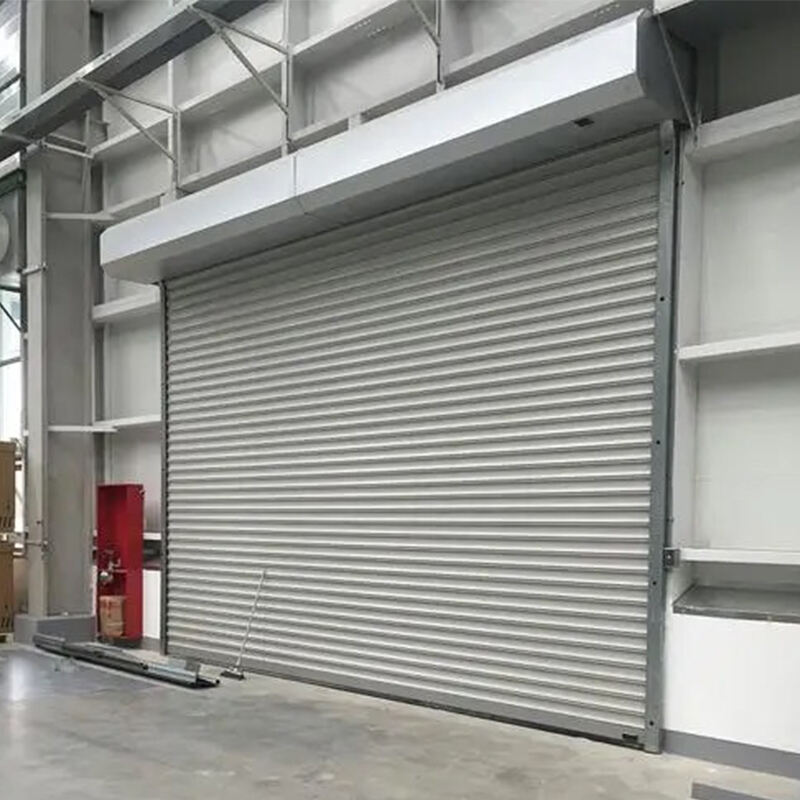
When selecting a large garage door for residential or commercial applications, understanding the various design elements and mechanical systems becomes crucial for optimal performance and longevity. Modern large garage doors incorporate advanced engineering principles that balance functionality, security, and aesthetic appeal while accommodating the unique requirements of oversized openings. The complexity of installing and operating a large garage door demands careful consideration of materials, insulation properties, automation systems, and structural support mechanisms to ensure reliable daily operation.
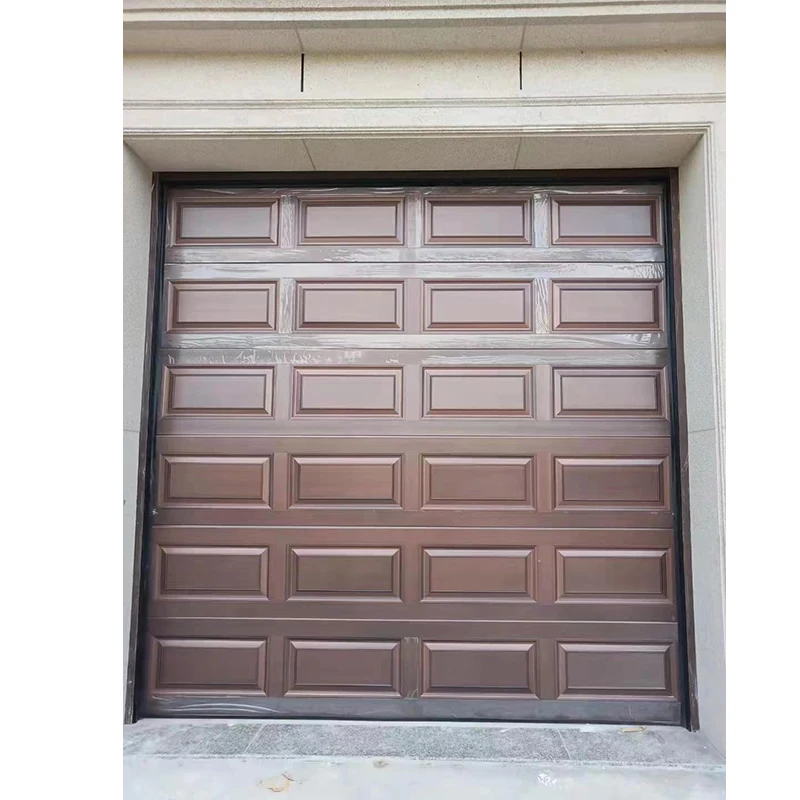
Material Selection and Structural Design
Steel Panel Construction
Steel panels remain the most popular choice for large garage door construction due to their exceptional strength-to-weight ratio and durability characteristics. High-quality steel alloy panels provide superior resistance to environmental factors while maintaining structural integrity under the increased stress loads typical of oversized installations. The galvanized coating process applied to premium steel panels creates a protective barrier against corrosion, ensuring that your large garage door maintains its appearance and functionality for decades of regular use.
Professional manufacturers utilize advanced roll-forming techniques to create steel panels with consistent thickness and precise dimensional tolerances. These manufacturing processes result in panels that fit together seamlessly, creating smooth operation and enhanced weather sealing capabilities. The inherent strength of steel construction allows for larger panel sections without compromising structural stability, making it an ideal material choice for wide-span garage door applications.
Insulation Integration
Insulated steel panels significantly improve the thermal performance of a large garage door while reducing noise transmission and enhancing overall energy efficiency. Polyurethane foam insulation injected between steel skins creates a composite structure that provides excellent thermal resistance values while maintaining the structural advantages of steel construction. This insulation system proves particularly beneficial for large garage doors due to the increased surface area that would otherwise allow significant heat transfer.
The continuous insulation layer eliminates thermal bridging effects that can occur with other insulation methods, ensuring consistent temperature control throughout the garage space. Advanced insulation techniques used in modern large garage door construction can achieve R-values exceeding industry standards, contributing to reduced energy costs and improved comfort levels in attached garage spaces.
Operating Mechanisms and Hardware Systems
Track and Roller Configuration
The track system for a large garage door requires heavy-duty construction to support the increased weight and operational stresses inherent in oversized installations. Professional-grade track systems utilize thicker gauge steel with reinforced mounting brackets positioned at closer intervals to distribute load forces evenly across the supporting structure. The precision manufacturing of track components ensures smooth roller movement and reduces wear on both the track surface and roller assemblies during operation.
High-quality roller assemblies incorporate sealed ball bearings designed to withstand the increased loads associated with large garage door operation. These precision-engineered rollers feature extended lubrication intervals and enhanced durability characteristics that minimize maintenance requirements while ensuring quiet, smooth operation throughout the door's service life. The proper selection and installation of track and roller components directly impacts the long-term reliability and performance of any large garage door system.
Spring Balance Systems
Torsion spring systems provide the most effective method for counterbalancing the substantial weight of a large garage door while delivering precise control over opening and closing forces. Professional installations utilize multiple torsion springs mounted on a common shaft to distribute the counterbalancing forces evenly across the door width. This configuration ensures smooth operation while reducing stress concentrations that could lead to premature component failure.
The precise calculation of spring parameters becomes critical for large garage door applications, as improper spring sizing can result in operational difficulties and accelerated wear on drive components. Professional technicians utilize specialized software and measurement tools to determine optimal spring configurations that account for door weight, dimensions, and operational requirements, ensuring balanced operation throughout the full range of door movement.
Automation and Control Systems
Motor Selection and Performance
Selecting an appropriate motor system for a large garage door requires careful evaluation of torque requirements, duty cycle specifications, and operational speed preferences. Heavy-duty operators designed for large garage door applications incorporate enhanced gear reduction systems that multiply motor torque while providing precise speed control throughout the opening and closing cycles. These professional-grade operators feature thermal protection systems and advanced control circuitry that monitors operational parameters to prevent damage from overload conditions.
Modern variable frequency drive technology enables smooth acceleration and deceleration profiles that minimize stress on mechanical components while providing whisper-quiet operation. The integration of soft-start and soft-stop functionality reduces peak loads on the large garage door structure and extends the service life of all system components through reduced mechanical stress cycling.
Safety and Security Features
Advanced safety systems integrated into modern large garage door operators include multiple redundant protection mechanisms designed to prevent accidents and property damage. Photoelectric sensors positioned at ground level create an invisible barrier that immediately reverses door movement upon detecting any obstruction in the door path. These safety systems prove particularly important for large garage doors due to their substantial weight and potential for serious injury if safety protocols fail.
Rolling code technology utilized in modern remote control systems provides enhanced security by generating unique transmission codes for each operation cycle. This advanced security protocol prevents unauthorized access through code capture or duplication attempts, ensuring that your large garage door remains secure against electronic intrusion methods. Additional security features may include smartphone integration, access logging, and temporary access code generation for service personnel or delivery applications.
Installation Considerations and Professional Requirements
Structural Support Assessment
Installing a large garage door requires comprehensive structural analysis to ensure adequate support for the increased loads and operational forces involved in oversized door systems. Professional installers conduct detailed evaluations of existing framing members, foundation conditions, and overhead structural elements to verify compatibility with large garage door requirements. Reinforcement of existing structures may be necessary to safely accommodate the additional loads imposed by heavy-duty track systems and counterbalancing mechanisms.
The header beam supporting a large garage door must be engineered to handle both static loads from the door weight and dynamic forces generated during operation cycles. Proper load distribution techniques utilizing reinforced mounting points and structural connections ensure safe, reliable operation while preventing structural damage that could result from inadequate support systems.
Professional Installation Standards
The complexity of large garage door installation demands specialized knowledge and experience to ensure proper system integration and optimal performance characteristics. Certified installation technicians possess the training and equipment necessary to handle heavy components safely while maintaining precise alignment tolerances critical for smooth operation. Professional installation includes comprehensive testing of all safety systems, adjustment of spring balance mechanisms, and programming of operator control parameters.
Quality installation practices for large garage door systems include detailed documentation of component specifications, maintenance schedules, and warranty information. Professional installers provide comprehensive training on proper operation procedures and basic maintenance requirements, ensuring that property owners understand how to maintain their large garage door investment for maximum service life and reliability.
Maintenance and Long-term Performance
Preventive Maintenance Protocols
Regular maintenance becomes increasingly important for large garage door systems due to the enhanced loads and operational stresses involved in oversized installations. Professional maintenance programs include periodic inspection of all mechanical components, lubrication of moving parts, and adjustment of spring balance systems to maintain optimal operational characteristics. These preventive measures significantly extend component life while reducing the likelihood of unexpected failures that could result in costly repairs or safety hazards.
Comprehensive maintenance protocols for large garage door systems address track alignment, roller condition, cable tension, and operator performance parameters. Professional technicians utilize specialized diagnostic equipment to monitor system performance and identify potential issues before they develop into major problems, ensuring continued reliable operation of your large garage door investment.
Performance Optimization
Ongoing performance optimization ensures that a large garage door continues to operate at peak efficiency throughout its service life. Regular adjustments to spring tension, track alignment, and operator parameters maintain smooth operation while minimizing energy consumption and mechanical wear. Professional service technicians can identify opportunities for performance improvements through component upgrades or operational parameter modifications.
Advanced diagnostic capabilities built into modern large garage door operators provide valuable feedback on system performance and operational trends. This data enables proactive maintenance scheduling and component replacement before failures occur, maximizing uptime and minimizing total cost of ownership for large garage door installations.
FAQ
What factors determine the appropriate size motor for a large garage door
Motor sizing for a large garage door depends on several critical factors including door weight, operational frequency, wind load requirements, and desired opening speed. Professional calculations consider the total system weight including panels, hardware, and insulation to determine minimum torque requirements. Additional factors such as duty cycle expectations and environmental conditions influence the final motor selection to ensure reliable long-term performance.
How often should maintenance be performed on a large garage door system
Large garage door systems typically require professional maintenance every six to twelve months depending on usage frequency and environmental conditions. High-use commercial applications may require quarterly inspections, while residential large garage doors with moderate use can often extend maintenance intervals to annual service calls. Regular visual inspections by property owners should be conducted monthly to identify potential issues early.
What safety features are most important for large garage door installations
Essential safety features for large garage door systems include photoelectric sensors, automatic reverse mechanisms, manual release systems, and emergency stop capabilities. Due to the substantial weight of a large garage door, redundant safety systems provide additional protection against accidents. Professional installations should include comprehensive safety system testing and user training to ensure proper understanding of all safety protocols.
Can existing garage openings be modified to accommodate a large garage door
Existing garage openings can often be modified to accommodate a large garage door, but structural engineering evaluation is essential to ensure safe installation. Modifications may include header reinforcement, foundation work, and framing adjustments to support the increased loads. Professional contractors can assess existing conditions and recommend appropriate modifications to achieve the desired large garage door installation safely and effectively.